

If you are tired of waking up with chronic neck stiffness or lower back tension, mastering the correct military sleep position will dramatically transform your physiological recovery. This disciplined, flat-on-your-back posture aligns your spine naturally, minimizes joint strain, and maximizes respiratory efficiency. By tracking your physiological metrics overnight with the premium, subscription-free Herz P1 Smart Ring, you can easily optimize your sleeping form, improve deep sleep duration, and monitor structural rest trends without any ongoing hidden fees.
Built to Last. Save Up to 69% Today.
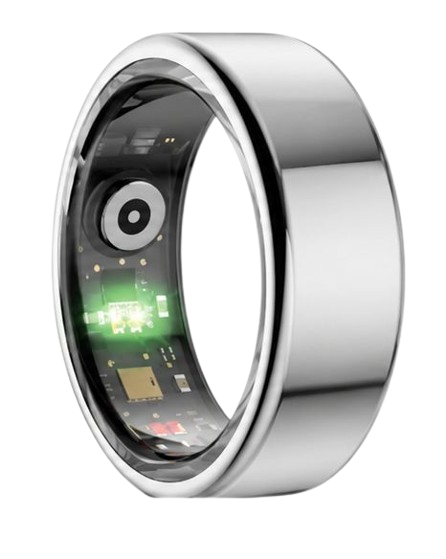
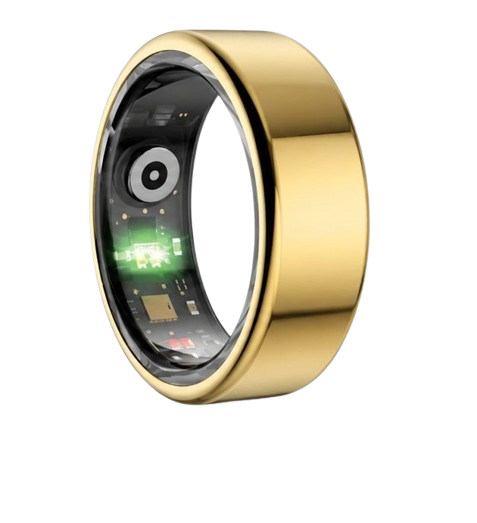
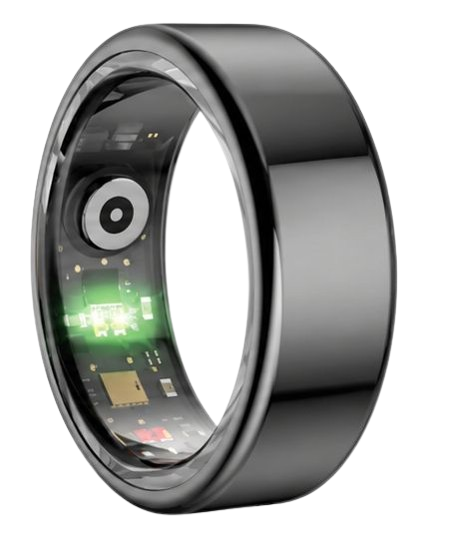
The Herz P1 Smart Ring tracks HRV, Sleep, Heart Rate & SpO2 around the clock. No subscriptions. No renewals. Ever.
In This Article
- How to Master the Military Sleep Position: A complete five-step physical checklist for absolute alignment.
- The Science of Supine Rest: How spine alignment influences your nervous system, breathing patterns, and muscular recovery.
- Practical Tracking Integrations: Using the Herz P1 Smart Ring to monitor HRV, SpO2, and deep sleep metrics without subscription barriers.
- Sizing and Implementation Strategies: Eliminating common tracking pitfalls and selecting the perfect fit for overnight use.
How to Master the Military Sleep Position: A Step-by-Step Alignment Guide

Prerequisites and Bed Preparation
To successfully perform the military sleep technique, your mattress must provide a firm and level foundation.
A mattress that is too soft will cause your heavy pelvic zone to sag, pulling your lower back out of alignment.
Ensure you have one primary support pillow for your head and a small, firm cylindrical pillow or rolled towel for your knees.
Keep your sleeping space cool, ideally between 60 and 67 degrees Fahrenheit, to support your body’s natural metabolic slowdown.
-
Step 1: Choose the Perfect Head and Neck Pillow
Select a medium-firm pillow that supports the natural backward curve of your neck.
The pillow must not be too high, as excessive loft forces your chin down toward your chest.
Conversely, a pillow that is too flat will allow your neck to hyperextend backward, straining the cervical joints.
Ensure the pillow fills the gap between your mattress and your neck while leaving your shoulders completely flat on the bed.
This neutral positioning keeps your airways wide open and reduces the mechanical risk of nighttime snoring.
-
Step 2: Position Your Torso and Shoulders Symmetricially
Lie completely flat on your back in the center of your mattress.
Settle your shoulders evenly onto the bed, allowing them to open up and spread naturally.
Consciously pull your shoulder blades slightly downward and inward to release the accumulated stress of your workday.
Avoid twisting your upper body or tilting your chest toward one side.
Your upper torso must remain perfectly symmetrical to prevent uneven loading of the thoracic spine muscles.
-
Step 3: Align Your Lower Spine Using a Knee Pillow
Place your secondary supportive pillow or rolled towel directly underneath your knees.
This slight elevation of the knees instantly relieves structural tension in your lumbar spine.
It allows your lower back to maintain its natural, gentle curve without being forced flat against the mattress.
If you feel any remaining space under your lower back, place a thin lumbar support pad there.
Maintaining these continuous points of support prevents the aching lower back fatigue commonly associated with back sleeping.
-
Step 4: Keep Your Limbs in a Symmetrical, Neutral Path
Extend your legs fully while keeping them slightly separated to distribute your hip weight evenly.
Let your feet naturally flare outward slightly to relax your outer hip rotators.
Lay your arms straight along the sides of your body, palms facing down or resting gently on your thighs.
Do not place your hands behind your head or under your pillow, as this compresses the critical shoulder nerve pathways.
Keeping your limbs symmetrical keeps your skeletal framework perfectly balanced throughout the night.
-
Step 5: Apply Relaxing Breathing Techniques for Fast Onset
Close your eyes and focus on breathing deeply through your nose using your diaphragm.
Consciously relax every muscle in your face, starting with your forehead, eyes, and jaw.
Let your tongue rest loosely on the roof of your mouth to ease throat tension.
Slowly count your breaths, inhaling for four seconds and exhaling for six seconds.
This prolonged exhalation signals your autonomic nervous system to transition rapidly into a parasympathetic resting state.
How the Herz P1 Smart Ring Tracks Your Posture Transition
Adapting to a disciplined, flat sleeping posture requires consistent practice and patience.
The Herz P1 Smart Ring acts as your personal sleep biomechanics laboratory.
By measuring continuous heart rate variability (HRV), oxygen saturation (SpO2), and subtle movement signals, the ring highlights how your body responds to this physical change.
The free mobile app displays clear, daily trends showing if your new posture is reducing restless tossing and turning.
Over time, you will watch your physical recovery metrics rise as your posture becomes perfectly aligned.
90-Day 100% Money-Back Guarantee
“The Herz Smart Ring helps me manage stress easily. It’s accurate, stylish, and lightweight—perfect for my busy life!”
— Jennifer P. | ✔ Verified Customer
- ✓ 6-Day Battery Life
- ✓ Detailed Sleep Analysis
- ✓ Fast 1-Hour Charging
- ✓ iOS & Android Ready
Questions? Call: 1-866-479-1629
The Science of Spinal Alignment and Restorative Sleep Physiology
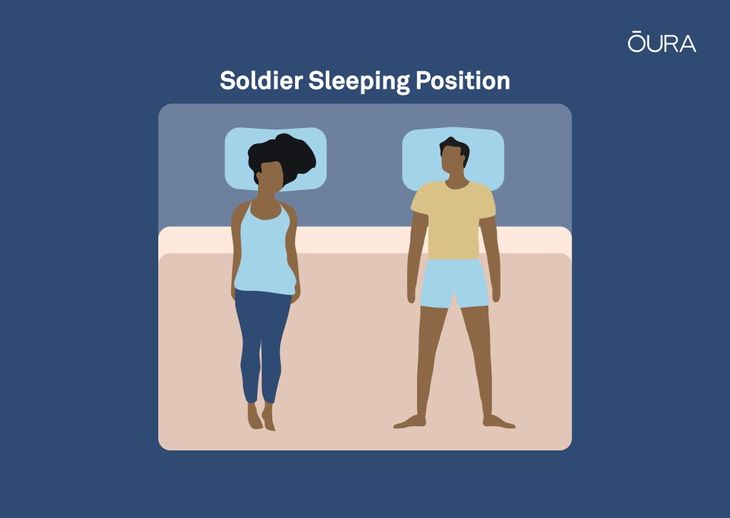
How the Soldier Sleeping Position Protects Your Skeletal Frame
Maintaining a neutral tactical sleep posture is one of the most effective ways to prevent back and neck discomfort.
When you adopt the soldier sleeping position, you distribute your physical weight evenly across your body’s largest surface area.
This balanced weight distribution eliminates the dangerous pressure concentrations that commonly affect side or stomach sleepers.
According to the National Sleep Foundation, back sleeping helps keep your head, neck, and spine in perfect alignment.
This structural alignment prevents the development of chronic muscle spasms, sciatic pain, and tension-related headaches.
By protecting your joints from unnatural twists and turns, you allow your muscular system to rest and recover fully.
This is why back-sleeping alignments occupy such an important place among the various names of sleeping positions discussed by orthopedic specialists.
Cardiopulmonary and Circulatory Benefits of Supine Rest
In addition to supporting your skeletal system, back sleeping provides clear benefits for your breathing and circulation.
By keeping your chest fully open and unrestricted, this posture allows your lungs to expand to their full capacity.
This open chest alignment facilitates deep, oxygen-rich breathing throughout the night.
Optimal oxygenation is critical for maintaining stable overnight blood oxygen levels (SpO2) and reducing physical cardiovascular strain.
The American Heart Association points out that steady, unhindered breathing supports healthy blood pressure trends during rest.
However, if your head is too low, gravity can cause your throat muscles to relax backward, which can lead to snoring.
Using a medium-firm supportive pillow keeps your airway clear while preserving the natural alignment of your neck.
By tracking your SpO2 levels with a smart wearable, you can easily ensure your airway remains fully supported all night long.
Comparing Sleep Postures and Their Neurological Impact
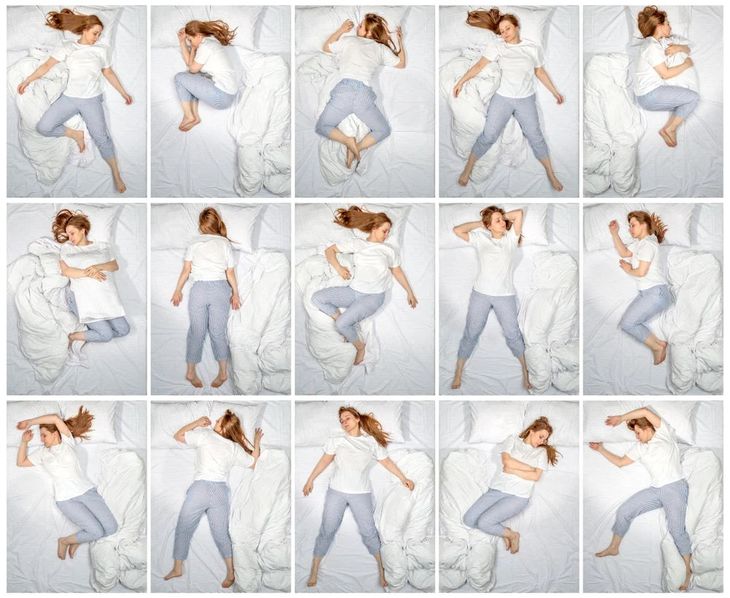
The Soldier Position vs. Yearner, Fetal, and Freefall Postures
Understanding the differences between popular sleeping positions is key to optimizing your nightly recovery.
The yearner sleeping position, where you sleep on your side with arms stretched forward, can reduce snoring.
However, this side-lying posture often causes nerve compression in your shoulders and upper arms over time.
Similarly, the tight curvature of the fetal position sleep setup can restrict deep, diaphragmatic breathing.
This hunched posture can also cause morning lower back stiffness by keeping your spine in a continuous, tight bend.
The worst offender is often the freefall sleeping position, which requires sleeping flat on your stomach.
This face-down posture forces your neck to turn sharply to one side for hours, straining the cervical joints.
The symmetrical military alignment avoids these physical stresses by keeping your entire body balanced.
It provides an ideal posture for deep, uninterrupted rest by protecting your joints from overnight strain.
How Heart Rate Variability (HRV) Reflects Sleep Quality
Your physical comfort during the night directly influences your autonomic nervous system.
When your skeleton is properly aligned and relaxed, your body shifts effortlessly into parasympathetic dominance.
This neurological recovery state is clearly reflected in your overnight Heart Rate Variability (HRV).
A higher overnight HRV indicate that your heart is responding dynamically to rest and recovery signals.
Conversely, if your posture causes joint pain or muscle tension, your body remains in a sympathetic fight-or-flight state.
This physical stress lowers your HRV score and disrupts your deep sleep stages.
By tracking your daily HRV trends, you can easily see how changing your sleeping position improves your recovery.
The Herz P1 Smart Ring monitors these subtle physiological signals with medical-grade optical sensors.
This diagnostic precision gives you the objective data you need to confirm that your sleep posture adjustments are working.
Using Smart Biometrics to Optimize Your Sleep Posture
Every single night, your brain moves through essential cycles of light, deep, and REM sleep.
To ensure your body is truly resting, you need to monitor these sleep stages with high precision.
The Herz P1 Smart Ring uses advanced multispectral PPG sensors to capture your physical metrics around the clock.
Its lightweight, low-profile design fits comfortably on your finger, making it easy to wear all night long.
Unlike bulky smartwatches that can pinch your skin and disrupt your rest, the smart ring remains almost imperceptible.
By checking the free companion app each morning, you can review your customized sleep score.
If you notice a sudden drop in your deep sleep duration, check your spinal support and pillow heights.
You can also track your resting heart rate and blood oxygen levels to confirm your breathing is smooth and unobstructed.
This data-driven approach takes the guesswork out of optimizing your physical recovery.
Overcoming Sleep Posture Risks and Wearable Tracking Pitfalls
Many individuals struggle to adapt to back sleeping because they make simple mechanical mistakes.
A very common error is trying to sleep flat on your back on a mattress that is too soft.
This soft surface allows your hips to sink, creating a painful arch in your lower back.
Another common mistake is trying to track your sleep quality with a heavy, bulky smartwatch.
Bulky wearables can slide around on your wrist, causing uncomfortable pressure points and inaccurate sleep stage logs.
Furthermore, many smartwatch brands lock your personal health data behind expensive monthly subscription paywalls.
At Team Herz P1, we believe your personal biometrics should always belong to you for free.
Our companion app is completely free for life, with no subscriptions or ongoing activation fees required.
By combining a lightweight ring with a free, comprehensive app, you can focus fully on improving your health.
Frequently Asked Questions about Sleep Alignment and Smart Rings
It remains safe and functional at depths of up to 164 feet, allowing you to wear it during daily activities.
You can wear it while swimming, taking a shower, or washing your hands without any concern.
The durable steel chassis is designed to withstand moisture and sweat without degrading the optical sensors.
The ring fully charges in under 1 hour using its compact magnetic charging cradle.
This extended battery life ensures you never miss critical overnight sleep data due to a dead battery.
It offers a highly convenient, low-maintenance alternative to smartwatches that require daily charging.
The index finger is the top recommendation because it has the strongest arterial blood flow.
Make sure the ring fits snugly without twisting excessively or squeezing your finger too tightly.
A proper, comfortable fit prevents tracking errors and ensures optimal sensor contact all night long.
This means you do not need to keep your smartphone near your bed while you sleep.
The ring continues to monitor your biometrics and stores the data safely on its internal memory.
The stored data will sync automatically once you open the companion application on your phone.
By distributing your body weight evenly, it relieves pressure on your lumbar joints.
Be sure to use a knee pillow to keep your pelvis in a neutral position and flatten your lower back.
Tracking your sleep trends with a smart ring will help you confirm if this posture is successfully reducing your tossing and turning.
Master Your Recovery with Symmetrical Sleep Alignment
Perfecting your sleep posture is a powerful step toward lifelong physical vitality and recovery.
The Herz P1 Smart Ring offers the continuous, subscription-free biometric tracking you need to succeed.
Ready to monitor your health every day? Explore the Herz P1 Smart Ring and see if it fits your lifestyle. Call: **1-866-479-1629** — our team can help you advise on the correct ring size and set personalized health goals.
