

According to clinical sleep research, up to 95% of human growth hormone is released during deep sleep phases, making the precise tracking of nrem sleep stages the single most critical factor in physical muscle recovery. If you constantly wake up feeling fatigued or struggle to recover from daily workouts, your body is likely missing vital restorative phases. Our team at Herz P1 has engineered a premium, subscription-free health-tracking smart ring to help you decode these critical biometric signals without bulk or ongoing monthly fees.
Built to Last. Save Up to 69% Today.
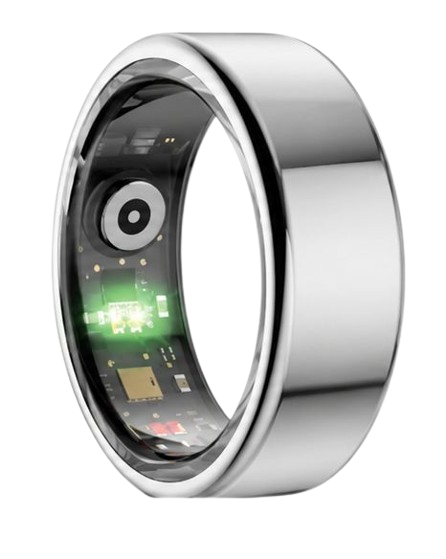
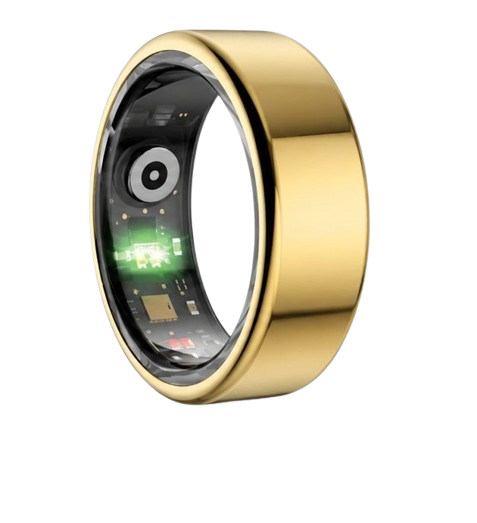
The Herz P1 Smart Ring tracks HRV, Sleep, Heart Rate & SpO2 around the clock. No subscriptions. No renewals. Ever.
In This Article
- How to Optimize NREM Sleep: A structural five-step playbook for deep physical recovery.
- The Science of NREM Stages: Demystifying the cellular processes of muscle rebuilding.
- Smart Ring Sensor Technology: How advanced optical arrays monitor sleep from your finger.
- Practical Biometric Hacks: Utilizing sleep metrics to balance training load and stress.
How to Optimize Your NREM Sleep Stages for Maximum Muscle Recovery: A Step-by-Step Guide
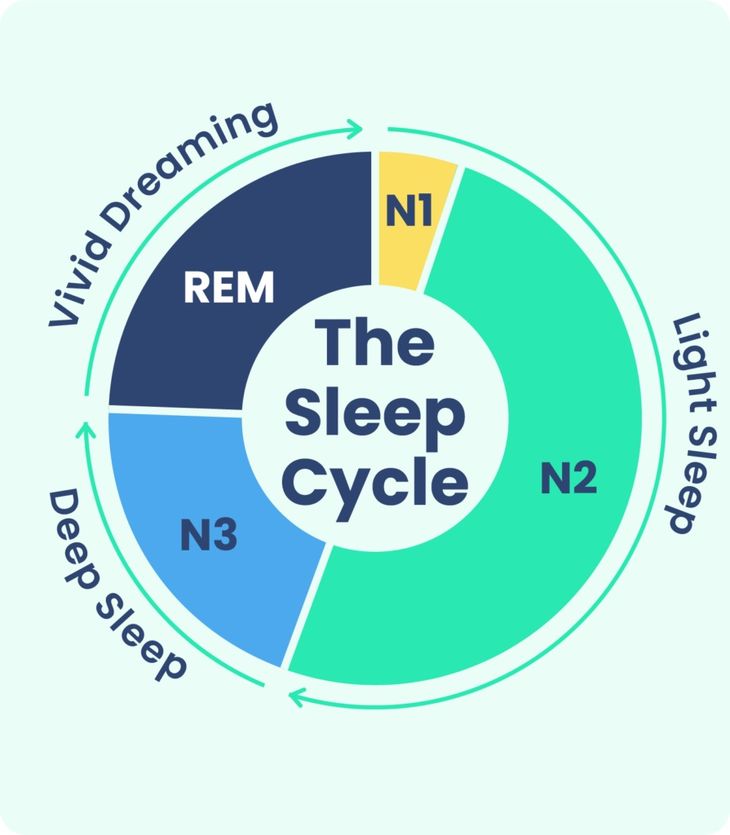
To systematically increase the duration and quality of your physiological recovery, you must purposefully modify your pre-sleep behavior.
This tutorial outlines the precise variables required to enhance deep, restorative sleep cycles based on verified athletic tracking protocols.
Prerequisites and Preparation
Before beginning this protocol, ensure you have a consistent method to track your sleep trends.
You will need a cool sleeping environment kept below 68 degrees Fahrenheit, dim lighting controls, and a metric tracking device like the Herz P1 Smart Ring to monitor baseline changes.
-
Step 1: Set a Strict Circadian Sleep-Wake Window
Your brain relies on consistency to anchor deep slow-wave sleep phases early in your sleep cycle.
Go to bed and wake up at the exact same time every day, even on weekends.
This lifestyle practice trains your autonomic nervous system to anticipate sleep, which rapidly accelerates the transition into restorative slow-wave states.
Avoid varying your bedtime by more than thirty minutes to keep your circadian rhythms locked in.
-
Step 2: Eliminate Blue Light and Bright Environmental Exposure
Bright ambient light suppress melatonin production, which delays your onset of deep physiological sleep.
Turn off overhead home lighting and digital screens at least one hour before your target sleep window.
Use warm, amber-toned lamps or specialized glasses that filter out sleep-disrupting blue wavelengths.
This behavioral modification signals your pineal gland to naturally prepare your neurological system for deep phase transitions.
-
Step 3: Lower Your Core Body Temperature
Your body must naturally drop its core temperature by approximately two degrees Fahrenheit to enter and sustain deep sleep.
Take a warm bath or hot shower ninety minutes before bed to dilate blood vessels in your hands and feet.
As you step out of the warm water, your body rapidly radiates heat away from its core, triggering physiological sleepiness.
Keep your bedroom thermostat set between 65 and 68 degrees to prevent overnight micro-arousals.
-
Step 4: Avoid Heavy Meals and Stimulants Before Bed
Consuming large meals or alcohol late in the evening forces your digestive organs to remain active when they should rest.
Stop eating solid foods at least three hours before your head hits the pillow.
Avoid caffeine consumption after 2:00 PM, as its chemical half-life continues to stimulate your brain long after consumption.
By keeping your digestion calm, your heart rate can drop early in the evening, maximizing your restorative stages.
-
Step 5: Perform a Guided Relaxation and Breathwork Routine
To enter deep sleep quickly, your nervous system must shift from sympathetic fight-or-flight into parasympathetic rest-and-digest.
Spend five to ten minutes practicing slow, rhythmic breathing, such as the four-seven-eight technique.
Inhale quietly through your nose, hold your breath, and exhale completely through your mouth.
This deliberate pattern lowers your heart rate, decreases systemic muscle tension, and sets the stage for uninterrupted rest.
By executing these steps, you will quickly observe measurable changes in your daily recovery reports.
The Herz P1 Smart Ring works seamlessly alongside this protocol by monitoring your physical responses throughout the night.
Without requiring any monthly subscription fees, our dedicated health-tracking app displays exactly how much restorative rest you gain after each lifestyle adjustment.
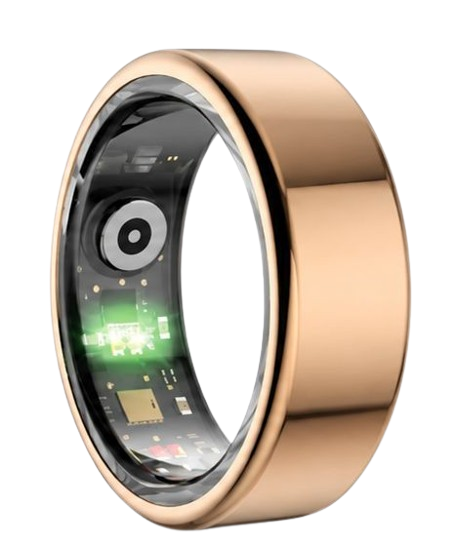
90-Day 100% Money-Back Guarantee
“The Herz Smart Ring helps me manage stress easily. It’s accurate, stylish, and lightweight—perfect for my busy life!”
— Jennifer P. | ✔ Verified Customer
- ✓ 6-Day Battery Life
- ✓ Detailed Sleep Analysis
- ✓ Fast 1-Hour Charging
- ✓ iOS & Android Ready
Questions? Call: 1-866-479-1629
Demystifying the Stages of NREM Sleep and Biological Recovery
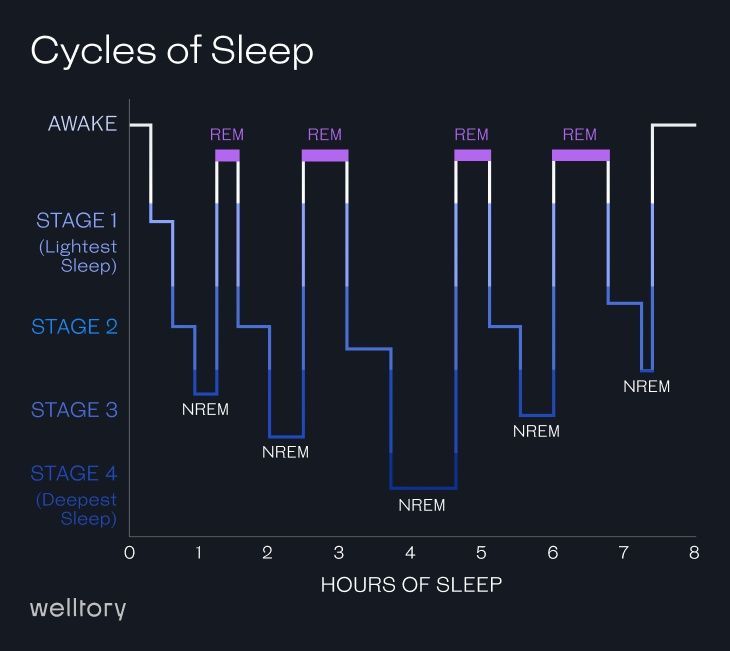
To fully appreciate how our bodies rebuild themselves, we must analyze the specific stages of sleep that make up our nightly rest.
Your night is divided into distinct cycles, each containing both rapid eye movement (REM) and non-rapid eye movement (NREM) phases.
Each phase serves a unique function, but physical rejuvenation is heavily concentrated within the deep NREM intervals.
The first stage of NREM sleep represents the shallow transition from wakefulness to rest.
This phase lasts only a few minutes, during which your muscle activity slows down and your heart rate begins to drop.
This light threshold acts as the gateway to deeper sleep, yet it offers minimal physical restoration on its own.
The second stage of NREM introduces light sleep benefits that play a vital role in neural processing.
During this stage, your brain produces rapid bursts of rhythmic brainwave activity known as sleep spindles.
These spindles help organize memories and disconnect your conscious mind from the surrounding environment.
Your body temperature continues to drop, preparing your vital organs for the deep recovery ahead.
The third and fourth stages of NREM are combined into what scientists call slow-wave sleep, or the deepest sleep stage.
During this profound resting state, your brainwaves slow down to high-amplitude delta waves.
Your blood pressure drops significantly, and blood flow is directed away from your brain and toward your skeletal muscles.
This redirection of resources is crucial, as it delivers the oxygen and nutrients needed to repair cellular micro-tears caused by exercise.
Your sleep cycles follow a structured sequence that is easily mapped on a sleep cycle diagram.
In a healthy individual, these cycles repeat four to six times per night, lasting roughly ninety minutes each.
The majority of deep slow-wave recovery occurs during the first half of the night, while REM phases expand as morning approaches.
Interrupting these early NREM stages can leave your physical body feeling sore, weak, and unrecovered.
The Cardiovascular Blueprint: How Smart Rings Track Sleep Staging
Unlike bulky wristwatches that shift around during the night, smart rings are positioned to capture clean, uninterrupted biometrics.
The base of your finger contains dense capillary networks that allow optical sensors to read your blood flow with high accuracy.
By utilizing green, red, and infrared light-emitting diodes, the Herz P1 Smart Ring monitors these tiny blood volume changes with every heartbeat.
To distinguish between various sleep states, the ring’s algorithms analyze the complex relationships shown in a deep sleep vs rem vs core comparison.
During REM sleep, your heart rate and respiration become highly variable, closely mimicking active daytime patterns.
In contrast, NREM phases are characterized by highly stable, rhythmic heart rates and slow, steady breathing.
These clear variations allow our technology to map your nightly cycles with professional-grade precision.
A common point of confusion is whether is core sleep light sleep or something entirely different.
Core sleep is a term often used to encompass both light NREM stage two and key baseline sleep cycles.
While core sleep forms the structural foundation of your night, your physical systems rely on the transition into deep NREM stage three to initiate cellular repair.
By measuring heart rate variability (HRV), the Herz P1 tracks exactly when your nervous system achieves this deep state of rest.
During deep NREM sleep, your parasympathetic nervous system becomes dominant, causing your HRV to rise to its highest daily levels.
At the same time, your blood oxygen saturation (SpO2) levels must remain stable to support efficient cellular respiration.
The Herz P1 continuously tracks these variations every five minutes throughout the night, storing the data locally on the ring.
This constant stream of information ensures you receive a highly accurate, individualized map of your physiological recovery.
Transforming Biometric Data into Real-World Recovery Results

Collecting health data is only valuable if you know how to use it to make better daily decisions.
By checking your daily metrics in the Herz P1 app, you can easily identify whether your body is ready for intense physical training or if it requires rest.
If your deep sleep duration drops below twenty percent of your total night, your body may struggle to repair muscle tissue efficiently.
Understanding your personalized sleep zones allows you to adjust your training intensity with confidence.
On mornings when your app shows high HRV and optimal deep sleep, your neuromuscular system is fully prepared for heavy lifts or high-intensity cardio.
Conversely, if your recovery score is low, scaling back your workout can prevent overtraining and reduce your risk of injury.
This proactive approach ensures you build muscle consistently without placing unnecessary stress on your joints and cardiovascular system.
If you discover that your recovery metrics are consistently low, you must actively learn how to get more deep sleep.
Simple habits like avoiding late-night alcohol, stopping heavy screen use, and performing light stretching can dramatically improve your deep NREM phases.
The Herz P1 lets you see the direct results of these positive habits, showing you exactly how your lifestyle choices translate into better rest.
Because the ring is incredibly lightweight and comfortable, you can wear it all day and night without any of the skin irritation caused by thick smartwatch straps.
Avoiding the Hidden Friction of Traditional Sleep Wearables
Many health-conscious individuals try to track their sleep using traditional smartwatches, only to abandon them after a few weeks.
Bulky watches are often uncomfortable to wear in bed, causing frequent disruptions that ruin the very sleep cycles you are trying to measure.
Additionally, these large devices often require daily charging, meaning they are frequently sitting on a nightstand when they should be on your wrist.
The Herz P1 solves this problem with its slim, military-grade steel design, weighing only three grams and fitting comfortably on your finger.
Another major frustration with many modern health trackers is the hidden cost of ongoing monthly app subscriptions.
Many brands require you to pay a recurring fee simply to view your own health data, locking your sleep scores behind a paywall.
We believe that you should own your personal health data outright without any hidden costs.
With the Herz P1 Smart Ring, there are absolutely no monthly subscription fees, and you enjoy free lifetime access to all of our advanced sleep and recovery tracking features.
Frequently Asked Questions About NREM Tracking & Herz P1
Conclusion
Tracking your NREM sleep stages is the absolute key to unlocking consistent physical recovery and improving your long-term athletic performance. By monitoring these essential cycles with a reliable, subscription-free tracking companion like the Herz P1 Smart Ring, you can easily build healthier daily habits and elevate your overall quality of life.
Ready to monitor your health every day? Explore the Herz P1 Smart Ring and see if it fits your lifestyle. Call: 1-866-479-1629 — our team can help you advise on the correct ring size and set personalized health goals.
