

Achieving optimal daily recovery relies heavily on consistently accessing your deepest sleep stage to stimulate vital tissue repair and boost immune function. The premium, subscription-free Herz P1 Smart Ring continuously tracks your biometric overnight trends with clinical-grade accuracy, revealing exactly how your daytime habits shape your restorative sleep patterns. Let us explore the scientific parameters of human recovery and master the direct habits required to upgrade your nightly cellular rejuvenation.
Built to Last. Save Up to 69% Today.
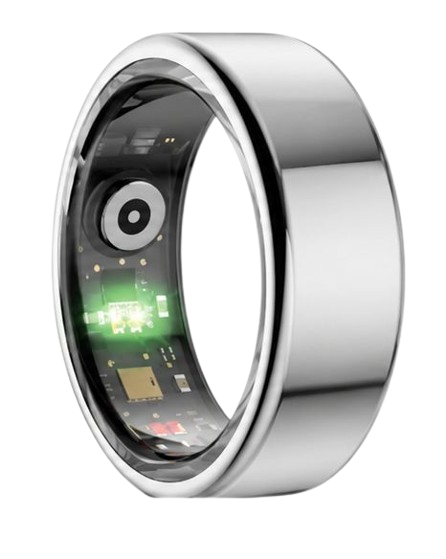
The Herz P1 Smart Ring tracks HRV, Sleep, Heart Rate & SpO2 around the clock. No subscriptions. No renewals. Ever.

In This Article
- Step-by-Step Sleep Optimization Guide: Scientific protocols to systematically increase slow-wave N3 deep sleep duration.
- Physiology of Delta-Wave Rejuvenation: Discover how your glymphatic system clears cellular debris during slow-wave phases.
- How Advanced Wearables Read Sleep Signals: An inside look at how Herz P1 uses multispectral PPG sensors to isolate deep cycles.
- Mitigating Classic Wearable Failures: Avoid the physical discomfort and high subscription costs of typical smartwatches.
How to Maximize Your Deepest Sleep Stage: A Step-by-Step Recovery Guide
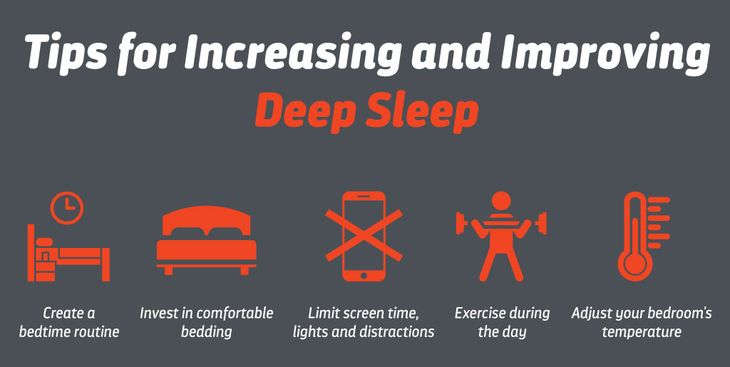
To successfully train your nervous system for deeper, more restorative rest, you must address physical, thermal, and chemical sleep disruptors.
Our team has compiled five action-oriented, evidence-based steps designed to immediately trigger deeper slow-wave phases.
-
Step 1: Standardize Your Sleep and Wake Windows
Your internal circadian pacemaker thrives on extreme structural predictability.
Going to sleep and waking up at the exact same times every day anchors your hormonal rhythm.
This stability prompts your brain to secrete sleep hormones precisely when your bedtime approaches.
Avoid changing your sleep schedule on weekends by more than thirty minutes.
Drastic shifts in your sleep window throw off the timing of your initial deep sleep cycles.
-
Step 2: Cool Your Body Temperature Before Sleep
Your core body temperature must decrease by roughly two degrees Fahrenheit to transition into deep NREM phases.
Keep your direct bedroom thermostat set strictly between sixty-five and sixty-eight degrees.
Use highly breathable, moisture-wicking bamboo or cotton sheets to prevent heat retention.
Consider taking a warm shower ninety minutes before bed to dilate blood vessels and speed core cooling.
A warm sleeping environment keeps your heart rate elevated and fragments slow-wave delta cycles.
-
Step 3: Establish a Strict Late-Day Fasting Window
Active digestion late at night diverts vital oxygenated blood away from your resting brain.
Ensure your final solid meal is completed at least three full hours prior to laying down.
High insulin levels and active gut motility raise core temperature and prevent heart rate dipping.
If you require an evening snack, focus on small portions of healthy fats or sleep-supportive magnesium.
Avoid high-sugar foods and simple carbohydrates that trigger overnight blood sugar spikes.
-
Step 4: Block Artificial Blue Light Waves
Exposure to artificial blue wavelengths suppresses critical melatonin production for several hours.
Turn off all televisions, tablets, and smartphones sixty minutes before sleeping.
Switch your household light fixtures to warm amber tones or dim red-tinted bulbs during the evening.
If you must look at screens late at night, utilize specialized red-lensed blue-blocking eyewear.
Allowing natural melatonin to build up naturally speeds your transition into the first slow-wave cycle.
-
Step 5: Reduce Physiological Tension with Box Breathing
High daily stress levels activate the sympathetic nervous system, locking your body in alert mode.
Practice five minutes of slow box breathing while lying flat on your back in bed.
Inhale slowly for four seconds, hold for four seconds, exhale for four, and hold for four.
This breathing structure reduces sympathetic activity, lowers systemic blood pressure, and activates the vagus nerve.
By shifting your body into a calm parasympathetic state, you clear the way for immediate deep delta waves.
Trying to implement these steps blindly can make it difficult to identify which adjustments are actually working.
Using the Herz P1 Smart Ring allows you to easily learn how to get more deep sleep by providing clear daily feedback.
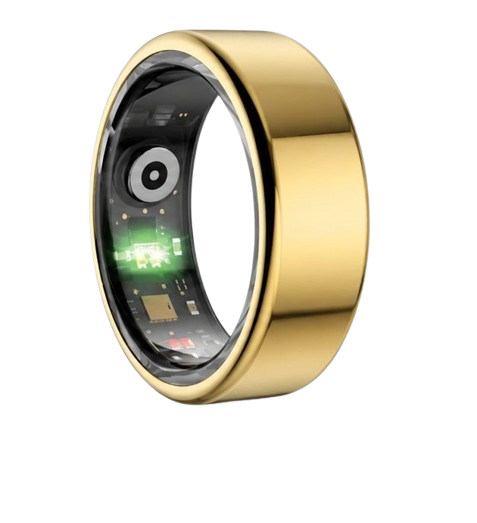
The ring’s comfortable, military-grade steel band continuously monitors your physiological markers without disrupting your rest.
Every morning, the free companion app displays your detailed sleep metrics, illustrating the direct benefits of your lifestyle adjustments.
By tracking your progress over time, you can confidently customize your habits to achieve optimal nightly recovery.
90-Day 100% Money-Back Guarantee
“The Herz Smart Ring helps me manage stress easily. It’s accurate, stylish, and lightweight—perfect for my busy life!”
— Jennifer P. | ✔ Verified Customer
- ✓ 6-Day Battery Life
- ✓ Detailed Sleep Analysis
- ✓ Fast 1-Hour Charging
- ✓ iOS & Android Ready
Questions? Call: 1-866-479-1629
Understanding the Physiology of the Deepest Sleep Stage
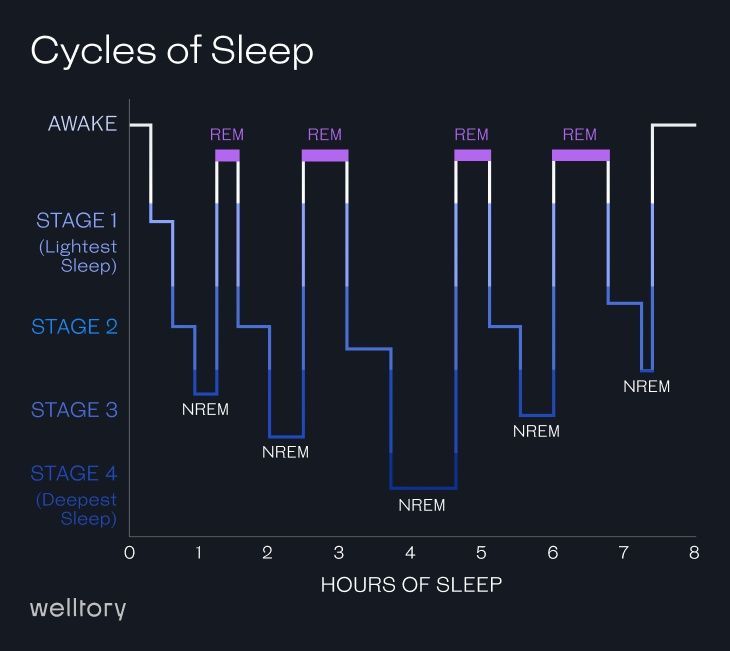
The deepest sleep stage is scientifically classified as slow-wave sleep or stage three NREM.
During this stage, your brain activity slows dramatically, producing high-amplitude delta waves.
Your blood pressure decreases, and your breathing rate drops to its lowest level of the day.
This drop in blood pressure gives your cardiovascular system a chance to rest and recover.
Your pituitary gland also releases large amounts of human growth hormone into your blood.
This hormone is vital for repairing damaged tissues, growing muscle, and rebuilding cells.
Without sufficient time in this phase, your body struggle to repair daily wear and tear.
The brain also activates its specialized waste clearance system, known as the glymphatic system.
This system washes away toxic proteins and cellular waste that accumulate during waking hours.
Recent research indicates that monitoring your sleep zones provides key insights into your cellular recovery.
Reviewing these physiological trends helps ensure your body is completing its vital nightly repairs.
Adequate slow-wave sleep is also crucial for maintaining a strong, resilient immune system.
Cytokines are specialized proteins that help fight off infections and control systemic inflammation.
Your body produces and releases these protective proteins primarily during slow-wave sleep.
Missing out on deep rest weakens your body’s natural defenses and leaves you vulnerable.
By studying the diverse stages of sleep, scientists have proven that deep sleep is the foundation of physical health.
We designed the Herz P1 tracker to monitor these physical recovery stages with exceptional precision.
Our military-grade steel ring uses multispectral sensors to track subtle pulse changes from your finger.
This real-time data tells you exactly how much time your body spends in this vital cellular rebuilding phase.
Comparing Sleep Stages: Where Does the Deepest Sleep Stage Fit?
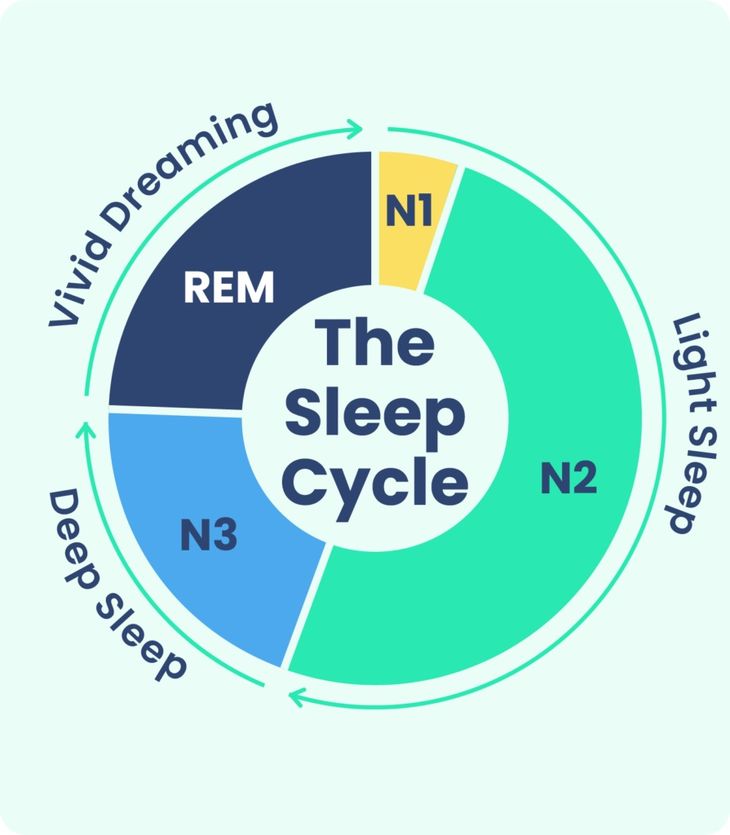
Many health-conscious people ask what is the deepest sleep stage and how it differs from other cycles.
The technical deepest sleep stage name is N3, which sits within the non-rapid eye movement spectrum.
Your body’s nightly journey is best visualized through a detailed sleep cycle diagram.
The brain cycles through light, deep, and rapid eye movement sleep about every ninety minutes.
Each of these sleep states plays a unique, essential role in maintaining your health.
The first phases you enter when falling asleep are the early nrem sleep stages.
Stage one and stage two serve as transitional zones, commonly called light sleep.
During light sleep, your muscles relax, your heart rate slows, and your body prepares for deeper phases.
Many smartwatches use different names, leaving users to wonder is core sleep light sleep in standard tracking applications.
Generally, core sleep represents a blend of light transition zones and baseline rest.
Balancing deep sleep vs rem vs core is essential for achieving complete overnight recovery.
While deep sleep focuses on physical recovery, REM sleep is dedicated to mental restoration.
During REM, your brain processes emotions, stores new information, and clears out mental clutter.
A healthy night of rest requires a balanced mix of all these distinct sleep cycles.
Most healthy adults require fifteen to twenty-five percent of their total sleep to be deep N3 sleep.
This percentage translates to roughly sixty to ninety minutes of slow-wave sleep each night.
Light sleep should make up about half of your night to provide steady structural transitions.
REM sleep should cover about twenty to twenty-five percent of your total sleeping hours.
If your sleep data shows low deep sleep, you will likely wake up feeling stiff and unrefreshed.
If you lack REM sleep, you may struggle with focus, low mood, and brain fog during the day.
The Herz P1 Smart Ring monitors these ratios with a high accuracy rate compared to medical polysomnography.
This precise tracking ensures you receive a highly realistic picture of your actual recovery status.
| Sleep Phase | Primary Biological Purpose | Target Nightly Percentage |
|---|---|---|
| Light / Core Sleep (N1 & N2) | Heart rate slowing, motor skill stabilization, and transition preparation. | 50% – 60% of total sleep time |
| Deep Sleep (N3 / Slow-Wave) | Physical repair, human growth hormone release, muscle building, and glymphatic cellular clearance. | 15% – 25% of total sleep time |
| REM Sleep (Dreaming Phase) | Cognitive restoration, emotional processing, creative synthesis, and memory consolidation. | 20% – 25% of total sleep time |
Decoding Your Overnight Sleep Data on the Herz P1 App
Checking your nightly sleep scores on the Herz P1 app is simple and straightforward.
Every morning, your ring automatically syncs your recorded data via secure Bluetooth.
The app displays a clear Sleep Quality Score rated from zero to one hundred.
This score is calculated based on deep sleep duration, sleep efficiency, and nighttime wakefulness.
You can tap on the deep sleep tab to see your exact slow-wave sleep percentage.
If your deep sleep falls below fifteen percent, the app will flag this as a recovery warning.
You will also see your nightly Heart Rate Variability trends alongside your sleep phases.
A high HRV score during deep sleep indicates a healthy, relaxed nervous system.
Conversely, a sudden drop in HRV suggests your body is struggling to recover from stress.
The app also logs your blood oxygen saturation levels continuously through the night.
Stable SpO2 readings between ninety-five and ninety-nine percent show healthy breathing patterns.
By comparing these metrics, you can easily identify which daytime habits harm your recovery.
For example, you might notice that a late glass of wine cuts your deep sleep in half.
Alternatively, you may see that afternoon exercise increases your slow-wave duration by twenty percent.
The ring is designed for twenty-four-seven wear, so it captures your active hours too.
This constant tracking provides a complete picture of your body’s energy balance.
The lightweight band is incredibly comfortable to wear, even during high-intensity training.
Unlike heavy smartwatches, you will barely notice the ring on your finger while you sleep.
Why Bulky Smartwatches and Costly Subscriptions Ruin Sleep Recovery
Many wellness enthusiasts make the mistake of wearing a bulky smartwatch to bed.
Large smartwatches are heavy and can easily press against your face or wrist.
This physical discomfort causes micro-awakenings that disrupt your deep sleep cycles.
You might not remember waking up, but your sleep quality will suffer significantly.
Smartwatches also require daily charging, which often forces you to leave them plugged in overnight.
If your device is sitting on a charger, you miss out on crucial physiological trends.
The Herz P1 Smart Ring solves this problem with its ultra-light, ergonomic design.
It fits comfortably on your finger and boasts an impressive six-day battery life.
Another common issue in the wearable market is the hidden cost of software subscriptions.
Many leading brands require you to pay a monthly fee just to access your own data.
We believe that your biometric data belongs to you and should never be locked behind a paywall.
The Herz P1 companion app is completely free for life with zero subscription fees.
You get full access to advanced sleep staging, HRV analysis, and stress trends forever.
There are no renewals, no premium tiers, and no unexpected charges on your card.
This honest approach saves you hundreds of dollars over the lifetime of your device.
Additionally, our military-grade steel construction ensures your ring is built to last.
We back every single purchase with a comprehensive two-year manufacturer warranty.
You also receive a ninety-day money-back guarantee, allowing you to test the ring completely risk-free.
Frequently Asked Questions About Sleep and Herz P1
Is the Herz P1 Smart Ring waterproof?
Yes, the Herz P1 is fully IP68 waterproof certified.
It can withstand continuous water submersion up to fifty meters deep.
You can wear it safely while swimming, showering, washing dishes, or soaking in a hot tub.
This durable design ensures you never have to take the ring off during daily activities.
How long does the battery last?
The battery is engineered to last up to six days on a single charge.
It features rapid-charging technology that fills the battery in under one hour.
You only need to place it on the magnetic charger once a week to maintain constant tracking.
This long battery life eliminates the daily charging anxiety associated with bulky smartwatches.
Which finger is best to wear the smart ring on?
For the highest data accuracy, we recommend wearing the ring on your index finger.
The middle finger and ring finger are also excellent alternative choices.
Your non-dominant hand is preferred because it experiences fewer daily impacts.
The sensor pads should always face the palm side of your hand for a clean optical reading.
Does the Herz P1 store biometric data offline?
Yes, the ring has secure onboard storage that saves up to seven days of data offline.
You do not need to keep your phone nearby or connected to Bluetooth constantly.
The next time you open the app, all your stored metrics will sync automatically.
This feature is perfect for camping, traveling, or keeping your phone out of the bedroom.
Conclusion: Your Subscription-Free Wellness Journey Starts Here
Optimizing your deepest sleep stage is the ultimate secret to lasting physical recovery. The subscription-free Herz P1 Smart Ring delivers the precise, military-grade biometric tracking you need. Ready to monitor your health every day? Explore the Herz P1 Smart Ring today. Call: 1-866-479-1629 — our team can advise on sizing and help set health goals.
Note: Individual results may vary depending on individual health conditions, age, and lifestyle habits. This article is intended for general health reference purposes only.
