

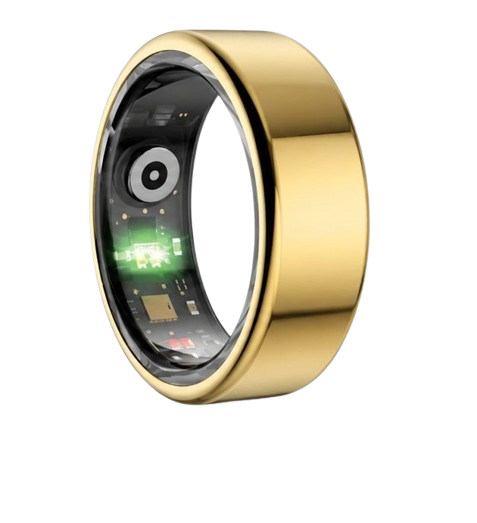
If your wearable device recently flagged a resting hrv of 20, you might feel a sudden wave of anxiety about your cardiovascular health and overall recovery scores. At Team Herz P1, we understand how alarming low biometric readings can be, which is why we engineered the Herz P1 smart ring to help you continuously decode these vital autonomic nervous system signals with absolute precision and ease.
Built to Last. Save Up to 69% Today.
The Herz P1 Smart Ring tracks HRV, Sleep, Heart Rate & SpO2 around the clock. No subscriptions. No renewals. Ever.
In This Article
- Autonomic Assessment: We analyze whether an HRV of 20 milliseconds is too low or normal based on age, lifestyle, and clinical context.
- Physiological Root Causes: Learn what causes low readings and how factors like sleep stages and recovery scores play a critical role.
- Actionable Improvement Guides: Discover practical steps to raise your HRV status through lifestyle adjustments and accurate heart rate monitoring.
- Smart Wearable Diagnostics: Understand the benefits of tracking your biometrics continuous with subscription-free smart rings.
Is an HRV of 20 Normal or Too Low? Here’s What the Research Says
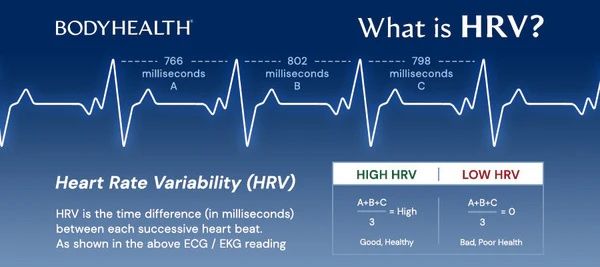
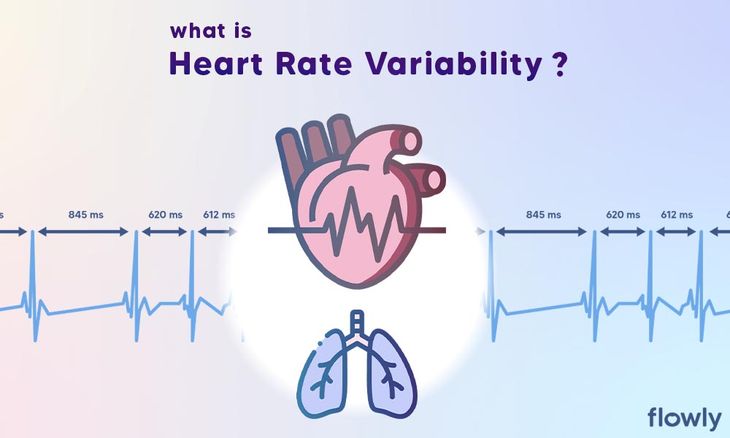
Heart rate variability represents the microsecond-level fluctuations in time between your consecutive heartbeats.
Your heart does not beat at a perfectly rigid, metronomic interval like a clock.
Instead, a healthy cardiovascular system continuously adjusts its timing based on immediate neurological demands.
For example, if your resting pulse is sixty beats per minute, the interval between beats might vary from nine-tenths of a second to over one full second.
This minute variation is measured in milliseconds and represents your total cardiovascular resilience and nervous system health.
This vital metric heavily impacts active individuals, high-performing executives, and anyone dealing with chronic fatigue.
Athletes monitor this score to gauge muscle recovery and avoid the dangers of overtraining syndrome.
Busy office workers track it to understand the invisible toll of daily mental stress on their cardiovascular system.
Even those simply seeking better sleep quality find value in observing how their overnight rest impacts their autonomic state.
Your readings matter most during periods of long, uninterrupted overnight sleep.
Daytime measurements can easily be skewed by a sudden movement, a cup of coffee, or a fleeting anxious thought.
By tracking your trends during sleep, you establish a clean, noise-free physiological baseline.
Checking this morning baseline daily helps you decide whether to push your limits or prioritize deep rest.
These dynamic cardiac changes originate directly within your brain’s autonomic control centers.
Specifically, the medulla oblongata coordinates nerve pathways that travel down to your sinoatrial node.
To capture these subtle signals, the base of your finger serves as the most reliable monitoring site on your body.
This area contains a rich network of dense capillaries that make pulse wave detection highly accurate.
A resting hrv of 20 occurs when your sympathetic nervous system completely dominates your cardiac pacing.
When you encounter physical strain, poor sleep, or emotional pressure, your body pumps out cortisol and adrenaline.
These stress hormones suppress the natural fluctuations in your heartbeat, locking it into a highly rigid pattern.
Chronic systemic inflammation, high alcohol intake, and dehydration also play significant roles in dampening this variation.
Your autonomic nervous system operates through a continuous, delicate balancing act between two distinct branches.
The sympathetic branch accelerates your pulse to prepare you for immediate physical action.
The parasympathetic branch, driven largely by the vagus nerve, acts as a brake to slow your heart down.
When you take a slow breath, your vagal brake engages, creating a healthy gap between your heartbeats.
According to research from the American Heart Association, healthy adult averages typically sit between forty and eighty milliseconds.
Observing an hrv of 20 indicates that your autonomic balance is currently highly strained.
For a young, highly active individual, this score is objectively low and signals a need for immediate lifestyle changes.
However, for individuals over sixty years old, this reading may fall well within a normal, age-adjusted baseline.
A sudden drop from your historical average is always more clinically meaningful than a naturally low, stable baseline.
For instance, if your normal baseline is thirty, dropping down to an hrv 19 or an hrv 18 ms suggests acute, temporary fatigue.
Conversely, taking strategic steps to rest can slowly elevate your scores toward an hrv 21 or an hrv 22.
As your body recovers further, you may see your weekly average trend upward to an hrv 23 ms.
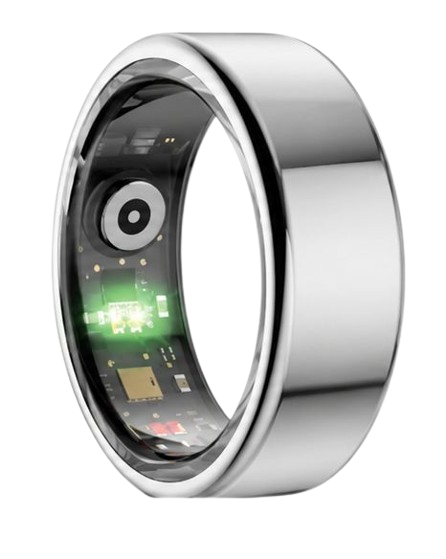
If you want to track this in real time, the Herz P1 Smart Ring monitors heart rate variability 24/7 without requiring any ongoing monthly fees — explore it here.
90-Day 100% Money-Back Guarantee
“The Herz Smart Ring helps me manage stress easily. It’s accurate, stylish, and lightweight—perfect for my busy life!”
— Jennifer P. | ✔ Verified Customer
- ✓ 6-Day Battery Life
- ✓ Detailed Sleep Analysis
- ✓ Fast 1-Hour Charging
- ✓ iOS & Android Ready
Questions? Call: 1-866-479-1629
What Your HRV Score Actually Tells You — And How to Improve It
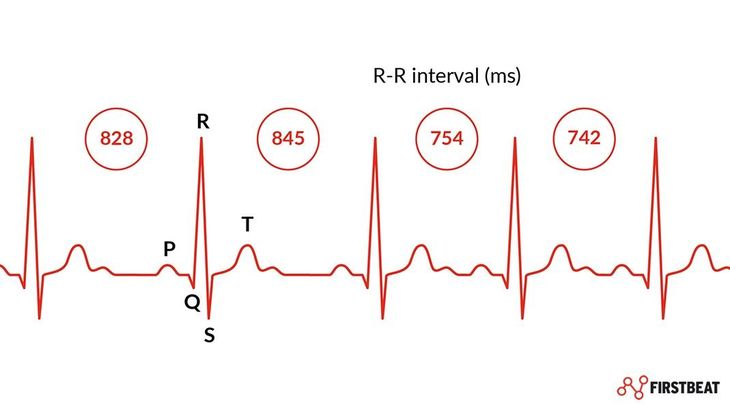
To understand why a low score occurs, we must look at how daily habits alter cardiac pacing.
The sinoatrial node in your heart receives continuous, competing inputs from both branches of your nervous system.
When you are relaxed, the parasympathetic branch releases acetylcholine to slow your heart rate and introduce high variability.
When chronic stress occurs, cortisol and adrenaline suppress these healthy, microsecond fluctuations.
This dynamic keeps your heartbeat highly rigid and metronomic, resulting in a low reading on your tracker.
The National Sleep Foundation emphasizes that poor overnight sleep quality is a primary driver of a low recovery score.
During deep sleep, your body should undergo autonomic restoration, which naturally lifts your morning readings.
If your sleep is constantly fragmented, you may experience a persistent hrv status low warning on your wellness application.
Understanding what lowers hrv is the first step toward reclaiming your physical vitality.
Common culprits include chronic sleep deprivation, late-night alcohol consumption, and physical overtraining.
Additionally, psychological stress from work or family life can keep your nervous system locked in a defensive state.
Once you identify these personal stressors, you can implement target habits and learn how to raise hrv naturally.
Engaging in moderate cardiovascular exercise, practicing box breathing, and sleeping on a consistent schedule are highly effective strategies.
Our engineering team at Herz P1 designed our smart ring to monitor these trends with clinical-grade accuracy to ensure you always know where your recovery stands.
Through the continuous monitoring of these metrics, you can make informed lifestyle adjustments that directly support your longevity.
The Science Behind Stress Monitoring in Wearables
It is crucial to recognize that heart rate variability is highly individual and heavily influenced by age.
What is considered a low score for a twenty-year-old athlete might be completely normal for a sixty-year-old individual.
As we age, the natural elasticity of our cardiovascular system and the sensitivity of our autonomic receptors gradually decline.
Therefore, comparing your score to general averages can sometimes cause unnecessary worry.
Instead of focusing on arbitrary numbers, you should focus on your personal baseline trend over several weeks.
A consistent resting value of 20 is not an immediate medical emergency, but rather a signpost for physiological optimization.
To illustrate how these baseline expectations shift over time, let us look at the typical statistical ranges observed in healthy populations.
| Age Group | Typical Normal Range | Status of HRV 20 |
|---|---|---|
| Ages 20–29 | 60 – 90 ms | Significantly Low |
| Ages 30–39 | 50 – 75 ms | Moderately Low |
| Ages 40–49 | 40 – 60 ms | Below Average |
| Ages 50–59 | 30 – 50 ms | Slightly Low |
| Ages 60+ | 20 – 35 ms | Normal Baseline |
To track these subtle baseline movements, your tracking device must use highly sensitive optical sensors.
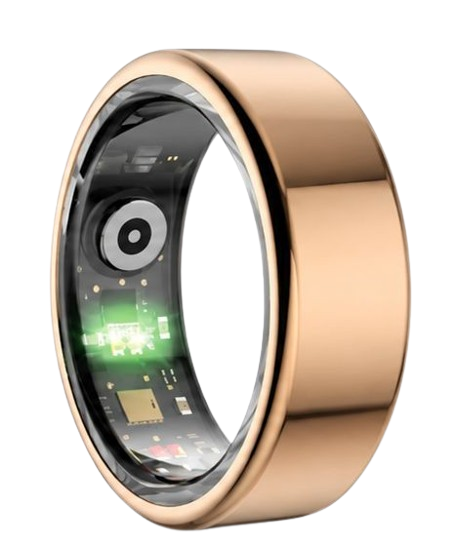
The Herz P1 Smart Ring utilizes advanced multi-wavelength photoplethysmography (PPG) sensors to measure your blood pulse wave at the base of your finger.
This technology captures blood volume changes with a minimal margin of error, ensuring your data is highly dependable.
By using a combination of green, red, and infrared light wavelengths, the sensor accurately tracks both your heartbeat intervals and your blood oxygen saturation.
This comprehensive sensing allows the ring to provide deep insights into your sleep architecture, separating your light, deep, and REM sleep cycles.
When your deep sleep cycles are long and restorative, your autonomic nervous system actively repairs tissue, which gradually lifts your overall metrics.
Reading and Actioning Your Metrics on the Herz P1 Companion App
The Herz P1 companion app translates complex raw biometrics into simple, actionable daily scores.
Every morning, you will receive an overnight Recovery Score based on your sleep stages, resting heart rate, and heart rate variability.
If the app displays a low score alongside an autonomic nervous system warning, it is a clear cue to adjust your daily plans.
On these low-recovery days, we advise reducing your workout intensity and avoiding heavy cardiovascular strain.
Instead, focus on active recovery methods such as light walking, gentle yoga, or deep breathing exercises.
The app also continuously tracks your Blood Oxygen Saturation (SpO2) to monitor your respiratory wellness during sleep.
Low oxygen levels combined with low heart rate variability can point to poor sleep environment conditions or breathing disruptions.
To ensure comfortable 24/7 tracking, our smart ring features an ultra-lightweight, ergonomic design.
You can wear it seamlessly throughout the night without the discomfort associated with heavy, bulky smartwatches.
Consistent overnight wear is essential for establishing an accurate personal baseline of your health metrics.
The application stores up to seven days of biometric data locally on the ring, syncing automatically when connected via Bluetooth.
This offline storage ensures that you never lose important tracking data, even during long trips or digital detoxes.
Common Sizing Mistakes and Smart Ring Pitfalls to Avoid
One major mistake many health-conscious individuals make is wearing a heavy, bulky smartwatch to sleep.
These large wrist devices often shift during the night, leading to inaccurate optical readings and sleep disturbances.
An uncomfortable device can actually elevate your physiological stress, paradoxically lowering your heart rate variability.
Another critical pitfall is committing to hardware that locks your personal health data behind a monthly paywall.
Many popular smart rings charge high ongoing subscription fees just to let you view your historical recovery trends.
At Team Herz P1, we believe your health data belongs entirely to you.
Our companion application is completely free for lifetime use with no hidden charges or recurring monthly fees.
Additionally, choosing the incorrect ring size can severely impair the accuracy of your biometric readings.
A ring that is too loose will rotate, causing the optical sensors to lose contact with your skin capillaries.
Conversely, a ring that is too tight can restrict blood flow and distort your true cardiovascular metrics.
To solve this, we provide a free sizing kit with every order so you can find your perfect fit before finalizing your choice.
We recommend wearing the sizer ring for twenty-four hours to account for natural finger swelling during sleep and activity.
By ensuring a secure, snug fit on your index or middle finger, you guarantee clinical-grade accuracy from the sensor array.
Frequently Asked Questions About Smart Rings
Is the Herz P1 Smart Ring waterproof?
Yes, the Herz P1 features a robust IP68 waterproof rating, allowing it to withstand water depths up to 164 feet.
You can confidently wear your ring while swimming, showering, washing your hands, or sweating during intense workouts.
How long does the battery last on a single charge?
The energy-efficient battery provides up to 6 days of continuous biometric tracking on a single charge.
When the battery is depleted, the ring charges fully in under 1 hour using our magnetic charging dock.
Which finger is best to wear the smart ring on?
We recommend wearing the ring on your index, middle, or ring finger for the most accurate sensor alignment.
Your non-dominant hand is generally preferred as it experiences fewer daily impacts and frictional movements.
Does the Herz P1 store health data offline?
Yes, the ring features local onboard storage that securely saves up to 7 days of raw biometric data.
Your saved metrics will automatically sync to your smartphone the next time you open the companion app.
Embrace Better Recovery Today
Monitoring your heart rate variability is the first step toward living a more balanced, vital life.
The Herz P1 Smart Ring acts as a silent, stylish wellness partner that decodes your daily recovery without hidden fees.
Ready to monitor your health every day? Explore the Herz P1 Smart Ring and see if it fits your lifestyle. Call: 1-866-479-1629 — our team can help you advise on the correct ring size and set personalized health goals.
Note: Individual results may vary depending on individual health conditions, age, and lifestyle habits. This article is intended for general health reference purposes only.
