

If you woke up to find your overnight tracking device showing an hrv 21, you might immediately wonder if your body is struggling to recover or if this score is normal. Understanding heart rate variability is key to unlocking your physical potential, and we at Team Herz P1 designed the Herz P1 Smart Ring to help you decode these vital autonomic signals without any stress.
Built to Last. Save Up to 69% Today.
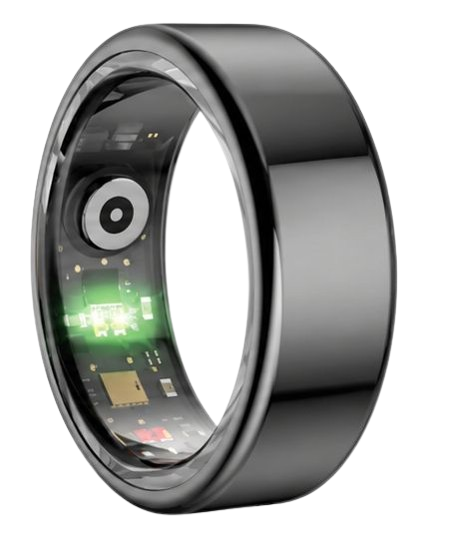
The Herz P1 Smart Ring tracks HRV, Sleep, Heart Rate & SpO2 around the clock. No subscriptions. No renewals. Ever.
In This Article
- Understanding Your HRV Baseline: Learn why twenty-one milliseconds is a critical marker for your recovery trends.
- Autonomic Nervous System Insights: Discover the biological connection between physical stress, deep sleep, and heart rate variability.
- Practical Recovery Strategies: Access actionable lifestyle changes to naturally support and balance your overnight recovery scores.
- Smart Sensor Technology: Read how smart rings monitor raw biometrics accurately without heavy hardware or hidden subscription fees.
Is an HRV of 21 Normal or Too Low for Recovery?
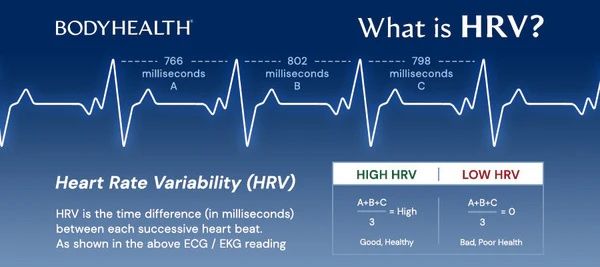
Heart rate variability has emerged as one of the most critical biometrics for evaluating autonomic nervous system balance and physical readiness.
When your smart wearable displays an hrv 21, it indicates that the average difference in timing between your consecutive heartbeats is exactly twenty-one milliseconds.
To many individuals first exploring biofeedback, seeing a resting hrv of 21ms can cause immediate concern about their physical state.
It is vital to understand that a single nocturnal metric does not define your entire cardiovascular or metabolic health profile.
Heart rate variability is fundamentally a reflection of the continuous tug-of-war between two branches of your autonomic nervous system.
The sympathetic nervous system acts as your body’s accelerator, preparing you for action and response by releasing stress hormones.
Conversely, the parasympathetic nervous system acts as your biological brake, slowing your heart rate and promoting deep cellular repair.
When your body is dominated by sympathetic activity, the interval between heartbeats becomes highly regular, which paradoxically lowers your variability.
Therefore, a lower measurement suggests that your body is currently experiencing a heightened state of physiological or psychological stress.
If you regularly track your biometrics and notice an hrv 19 or an hrv of 20, then a score of twenty-one is actually a normal baseline for your system.
However, if your average baseline sits much higher, dropping to a heart rate variability 21 represents a significant recovery deficit.
Biological factors such as age, biological sex, genetic background, and overall physical fitness play a massive role in determining what is normal for you.
Clinical studies compiled by the American Heart Association demonstrate that resting variability declines naturally as we grow older.
For a young athlete in their twenties, this specific measurement is generally considered quite low and indicates potential overtraining.
For an executive in their fifties managing a demanding schedule, this exact same score might be perfectly typical and healthy.
It is also important to consider the context of your measurement, as temporary physical factors can easily suppress your scores.
Dehydration, a heavy evening meal, or even minor muscle soreness from a recent workout can cause your overnight metrics to drop temporarily.
Likewise, mental fatigue from a challenging workday or lack of quality sleep will prevent your nervous system from relaxing.
Because these numbers fluctuate daily, tracking long-term trends is far more valuable than worrying about any single night’s data.
Utilizing a high-precision optical tracker allows you to observe these subtle shifts without active effort on your part.
High-fidelity sensors worn on the finger capture arterial pulse waves with incredible accuracy, matching clinical ECG standards.
This is why we engineered our smart ring with advanced multi-wavelength optical sensors to monitor your trends passively.
By collecting continuous heart data as you sleep, the device compiles an accurate picture of your autonomic recovery.
Real-world physical adaptation is never instantaneous and requires persistent, daily tracking.
For example, an elite athlete might experience temporary low scores during intense training blocks.
In contrast, a chronic low value in a sedentary individual suggests a different physiological narrative.
Understanding your individual variance is the most effective path to sustainable wellness.
This is why establishing an accurate personal baseline is so critical for meaningful biofeedback.
With continuous overnight tracking, you remove the guesswork and learn exactly what your body needs.
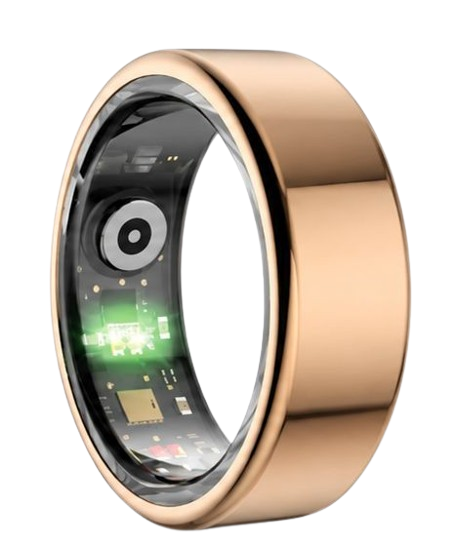
If you want to track this in real time, the Herz P1 Smart Ring monitors your cardiac metrics 24/7 — explore it here.
90-Day 100% Money-Back Guarantee
“The Herz Smart Ring helps me manage stress easily. It’s accurate, stylish, and lightweight—perfect for my busy life!”
— Jennifer P. | ✔ Verified Customer
- ✓ 6-Day Battery Life
- ✓ Detailed Sleep Analysis
- ✓ Fast 1-Hour Charging
- ✓ iOS & Android Ready
Questions? Call: 1-866-479-1629
What Your HRV Score Actually Tells You — And How to Improve It
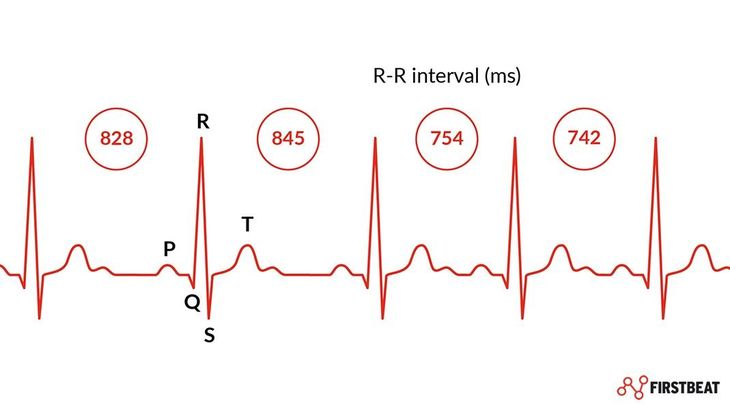
Your autonomic nervous system serves as the master control center for your heart, lungs, and metabolic systems.
Heart rate variability is not simply a cardiac metric; it is a direct window into your brain’s processing of stress.
When your parasympathetic nervous system is highly active, it releases acetylcholine to slow your heart rate down.
This chemical release introduces healthy, natural irregularities in the timing of your heartbeats, raising your overall variability.
If you notice your scores shifting from an hrv 22 down to a lower range, your biological brake is struggling to engage.
Our research at Team Herz P1 indicates that a suppressed score is often the first warning sign of physical exhaustion.
Many users do not feel subjectively tired, yet their underlying biometrics show that their bodies are working overtime to maintain balance.
Consistently maintaining a low score, such as an overnight hrv 23 ms, suggests a state of chronic sympathetic dominance.
Failing to address an hrv status low reading can eventually lead to burnout, decreased immunity, and poor workout performance.
Fortunately, your nervous system is incredibly plastic and highly responsive to targeted lifestyle interventions.
One of the fastest and most effective ways to boost your score is through regular, structured breathwork.
Slow, rhythmic breathing at a rate of six breaths per minute maximizes your heart rate’s response to your respiration.
This technique, known as resonant frequency breathing, immediately stimulates the vagus nerve to promote relaxation.
Regular cardiovascular exercise also strengthens your heart muscle, allowing it to pump blood more efficiently with less autonomic effort.
Over time, consistent aerobic conditioning shifts your resting heart rate lower and raises your baseline variability.
Nutrition is another critical pillar, as chronic low-grade inflammation from processed foods can suppress your autonomic function.
Eating a clean, whole-foods diet rich in antioxidants helps reduce systemic inflammation and supports cardiac health.
Finally, practicing daily mindfulness or meditation helps calm the prefrontal cortex, reducing psychological stress.
By combining these habits, you actively train your autonomic nervous system to become more resilient to daily demands.
Tracking these positive changes on a daily basis provides the positive reinforcement needed to stick with your healthy habits.
High-stress environments naturally demand more sympathetic response from your autonomic system.
However, a healthy heart should return to a relaxed state quickly once the stressor passes.
If your heart remains locked in a rigid pattern, your recovery capacity is severely compromised.
By practicing stress-reduction techniques, you actively coach your autonomic nervous system to recover faster.
Over time, these daily efforts will manifest as a gradual rise in your morning variability scores.
This upward trend is a clear biological sign of your expanding physical and mental resilience.
Physiology of Stress and Overnight Autonomic Recovery
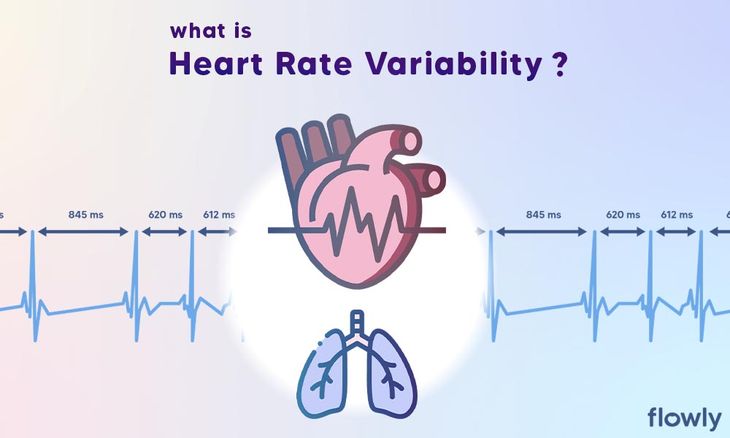
True physical recovery happens primarily while you sleep, when your brain cycles through critical restorative phases.
Sleep is divided into light sleep, deep slow-wave sleep, and rapid eye movement sleep, each serving a unique physiological purpose.
During deep sleep, the body releases growth hormone to repair tissues, rebuild muscles, and consolidate long-term memories.
It is during this deep phase that your parasympathetic nervous system should reach its peak activation, driving your variability up.
If your sleep architecture is fragmented, your heart rate will remain elevated and your variability will drop significantly.
When considering what lowers hrv during the night, lifestyle choices close to bedtime are usually the main culprits.
Eating a large, calorie-dense meal late in the evening forces your digestive system to work heavily while you try to rest.
This increased metabolic demand diverts blood to your stomach, preventing your cardiovascular system from entering a relaxed state.
Alcohol consumption is another highly destructive factor that dramatically compromises your sleep quality and cardiac recovery.
Even a single serving of alcohol before bed elevates your resting heart rate and suppresses your natural variability for hours.
This occurs because your liver must prioritize metabolizing the alcohol, which keeps your nervous system in a stressed state.
Understanding how to raise hrv requires a commitment to clean, consistent evening hygiene.
Establishing a regular wind-down routine helps signal to your brain that it is safe to transition into a deep, restful sleep.
Dimming your household lights and avoiding bright screens at least an hour before bed prevents blue light from suppressing melatonin.
Melatonin is the hormone responsible for regulating your sleep-wake cycles, and its production is highly sensitive to light.
Keeping your bedroom cool, dark, and quiet also minimizes physical disruptions that could trigger a sympathetic stress response.
By systematically removing these overnight stressors, you give your cardiovascular system the freedom to recover fully.
Watching your morning metrics improve over time is one of the most rewarding aspects of proactive health tracking.
During REM sleep, your heart rate and breathing naturally fluctuate as your brain processes memories.
This stage is highly important for cognitive restoration and emotional processing.
If you struggle to stay in REM sleep, your overall brain performance and mood will suffer.
High-quality sensors can accurately map these distinct phases to pinpoint where your sleep is failing.
By optimizing your sleep hygiene, you directly improve the quality of both REM and deep sleep cycles.
A restored body is the ultimate foundation for achieving your daily personal and professional goals.
Practical Tips to Track and Balance Your Biometric Trends
Collecting high-fidelity biometric data is only useful if you can easily translate those numbers into daily actions.
The Herz P1 Smart Ring makes this process entirely effortless by continuously analyzing your cardiac trends as you live your life.
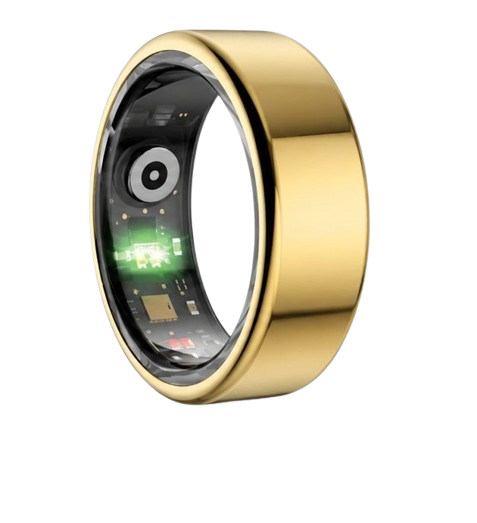
When you wear the ring on your index finger, its multispectral optical sensors read pulse signals directly from your digital arteries.
This finger-based tracking method is far more accurate than wrist-based sensors because the skin is thinner and blood flow is stronger.
Our companion app processes these continuous readings and presents them in clear, easy-to-understand visual dashboards.
Mastering how to balance hrv involves using these insights to align your daily activities with your body’s readiness.
If you wake up with a significantly lower recovery score, it is a clear signal to prioritize rest and active recovery that day.
You might choose to replace a grueling workout with a gentle walk, some stretching, or a dedicated meditation session.
On the other hand, when your app shows a high recovery score, you can confidently push your physical boundaries.
The lightweight, military-grade steel construction is so comfortable that you will quickly forget you are even wearing a tracker.
This exceptional comfort allows you to capture clean, uninterrupted biometric data twenty-four hours a day, seven days a week.
Empowered with this continuous stream of personalized data, you can make smarter decisions for your long-term health and wellness.
The Herz P1 companion app acts as your personal digital wellness coach.
It aggregates your nightly sleep metrics, heart rate trends, and stress scores into a single dashboard.
This comprehensive overview helps you connect your daytime habits with your overnight recovery patterns.
You no longer have to guess why you feel fatigued or energised on any given morning.
Having this deep biological insight at your fingertips turns subjective feelings into objective data.
| Tracking Feature | Traditional Smartwatches | Herz P1 Smart Ring |
|---|---|---|
| Overnight Comfort | Bulky, heavy, easily catches on sheets | Sleek, lightweight, barely noticeable |
| Battery Duration | Typically requires daily recharging | Up to 6 full days per charge |
| Ongoing Cost | Often locks data behind subscriptions | Zero monthly fees forever |
Avoiding Pitfalls in Wearable Tracking and Recovery Metrics
A major pitfall in the wearable space is the physical design of the tracking devices themselves.
Many users struggle to wear bulky, heavy smartwatches to bed because they find them highly uncomfortable.
These large devices can easily catch on your blankets or shift on your wrist, resulting in massive gaps in your sleep data.
Furthermore, the constant distraction of glowing screens and buzzing notifications on your wrist can actively disrupt your sleep.
Another massive frustration for health-conscious consumers is the prevalence of mandatory monthly app subscription fees.
Many popular wearable brands lock your detailed biometric data and long-term trend reports behind expensive paywalls.
We believe that once you purchase a high-quality tracking device, you should own your health data completely.
This is why the Herz P1 companion app is entirely free for a lifetime, with absolutely no subscription fees or hidden costs.
Our military-grade steel ring is designed to be sleek, ultra-lightweight, and completely non-intrusive.
By opting for a subscription-free smart ring, you secure a durable and reliable health companion that respects your wallet.
Standard wrist-based trackers often emit bright, flashing green lights that can leak out and wake you up.
In contrast, our smart ring sits discreetly on your finger, keeping the tracking light fully enclosed against your skin.
Furthermore, smartwatches are often too delicate for rugged, daily manual work or outdoor activities.
Our smart ring is built with military-grade steel to easily survive scratches, drops, and intense physical impacts.
Choosing a rugged, low-profile tracker ensures that you capture every important data point without interrupting your life.
Understanding Heart Rate Variability and Smart Ring Technology
Is the Herz P1 Smart Ring waterproof?
Yes, the Herz P1 Smart Ring features an industry-leading IP68 waterproof rating.
This means the ring is fully protected against dust and can withstand continuous submersion in water up to 164 feet deep.
You can confidently wear it while swimming laps, taking hot showers, washing dishes, or relaxing in a sauna.
Its hermetically sealed military-grade steel outer shell ensures that water never compromises the sensitive internal optical sensors.
How long does the battery last on a single charge?
The ultra-efficient battery inside the Herz P1 delivers up to 6 days of continuous biometric tracking.
When the battery runs low, you can charge it fully in under 1 hour using our compact magnetic charging dock.
This rapid charging capability means you will rarely experience gaps in your sleep or daytime recovery tracking.
By avoiding the need for daily charging, the Herz P1 fits seamlessly into your busy lifestyle.
Which finger is best to wear the smart ring on?
For the absolute best tracking accuracy, we recommend wearing the Herz P1 on your index, middle, or ring finger.
The index finger of your non-dominant hand is often the ideal choice because it contains highly accessible digital arteries.
It is crucial to select a size that fits snugly over your finger joint without being uncomfortably tight.
A proper fit ensures that the optical sensor pads maintain constant, gentle contact with your skin throughout the night.
Does the smart ring store biometric data offline?
Yes, the Herz P1 Smart Ring features built-in local memory that can store up to 7 days of raw data offline.
This allows you to sleep or exercise without needing to keep your smartphone nearby or connected via Bluetooth.
The next time you open the companion app, the ring will automatically sync all of your stored metrics.
This offline capability ensures that your valuable health data is never lost, even when you unplug from technology.
Ready to monitor your health every day? Explore the Herz P1 Smart Ring and see if it fits your lifestyle. Call: **1-866-479-1629** — our team can help you advise on the correct ring size and set personalized health goals.
Note: Individual results may vary depending on individual health conditions, age, and lifestyle habits. This article is intended for general health reference purposes only.
