

Discovering that your overnight recovery tracking reveals an hrv of 30 can immediately spark concern, leaving you to wonder whether your cardiovascular system is under excessive strain or if this score is simply a reflection of your unique biological baseline. At Team Herz P1, we understand how frustrating it is to feel exhausted after a long night of sleep, which is why we engineered the premium subscription-free Herz P1 smart ring to decode these vital autonomic nervous system signals and guide you toward optimal physical recovery every day.
Built to Last. Save Up to 69% Today.
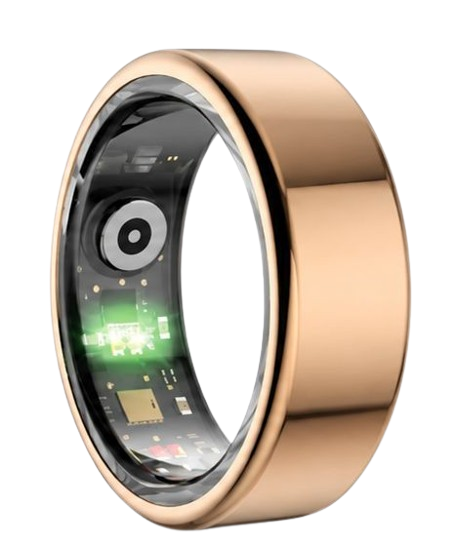
The Herz P1 Smart Ring tracks HRV, Sleep, Heart Rate & SpO2 around the clock. No subscriptions. No renewals. Ever.
In This Article
- The Scientific Reality of an HRV of 30: We break down exactly how this score aligns with normal human biology and age-related trends.
- Deciphering Low Recovery Scores: Learn the physiological mechanics behind low readings and identify structural factors driving physical exhaustion.
- Sleep Architecture and Autonomic Balance: Discover how deep, REM, and light sleep stages dictate your morning cardiac metrics.
- A Strategic Path to Recovery Optimization: Gain a step-by-step framework to naturally elevate your baseline using smart biometric tracking.
Is an HRV of 30 Normal or Good for Recovery?
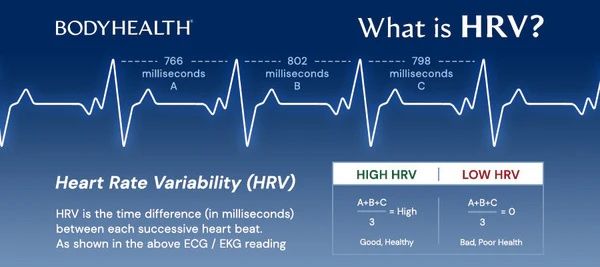
To determine if an HRV of 30 is normal or good, we must look at how the autonomic nervous system operates.
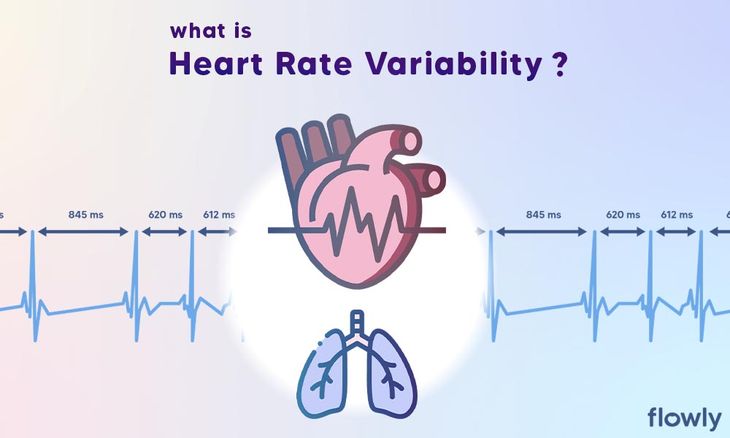
Heart Rate Variability (HRV) measures the subtle, millisecond-level variation between consecutive heartbeats.
According to the American Heart Association, a higher HRV typically indicates a resilient autonomic nervous system that easily transitions between stress and rest.
Conversely, a lower score, such as an HRV of 30, often signals that your body is operating under a state of sympathetic dominance.
This means your “fight-or-flight” system is highly active, leaving less room for the parasympathetic system to initiate deep cellular recovery.
For a young, highly trained athlete, an overnight average of 30 ms would be considered low, indicating potential overtraining or acute fatigue.
However, for a busy office worker over the age of 45, an HRV of 30 might align perfectly with their typical hrv scale.
Indeed, scientific consensus shows that human HRV naturally declines by roughly several milliseconds per decade.
This means that context, age, and individual baseline trends are far more important than a single isolated number.
If you are trying to understand where you fit, exploring a detailed good hrv numbers analysis can help clarify your personal range.
Furthermore, evaluating what is a good hrv score requires tracking your body consistently over weeks rather than judging a single night.
To capture these complex autonomic fluctuations accurately, the Herz P1 Smart Ring monitors your biometrics 24/7 without interruption.
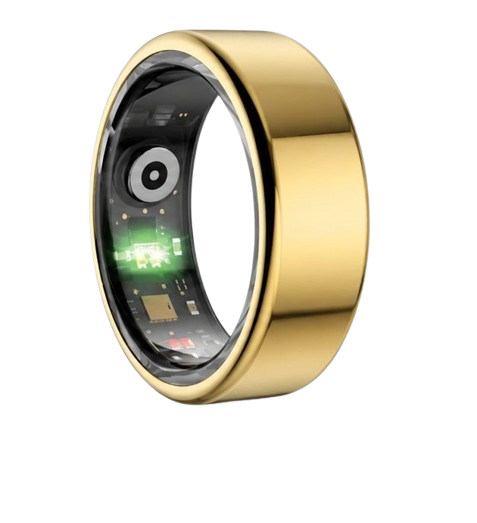
This advanced wearable utilizes a multi-wavelength optical sensor to deliver real-time data directly to your dashboard.
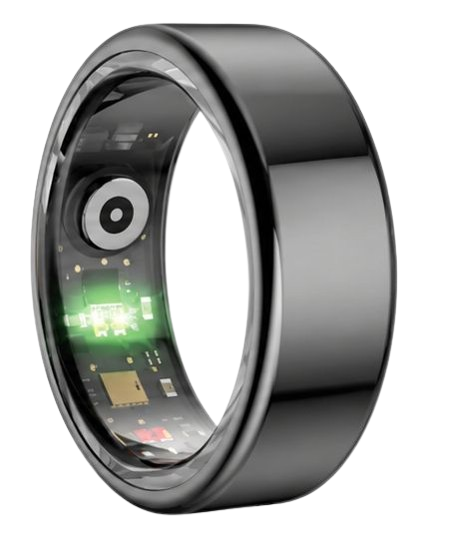
If you want to track this in real time, the Herz P1 Smart Ring monitors your recovery metrics 24/7 — explore it here.
90-Day 100% Money-Back Guarantee
“The Herz Smart Ring helps me manage stress easily. It’s accurate, stylish, and lightweight—perfect for my busy life!”
— Jennifer P. | ✔ Verified Customer
- ✓ 6-Day Battery Life
- ✓ Detailed Sleep Analysis
- ✓ Fast 1-Hour Charging
- ✓ iOS & Android Ready
Questions? Call: 1-866-479-1629
Understanding Your Biometric Trends and Autonomic State
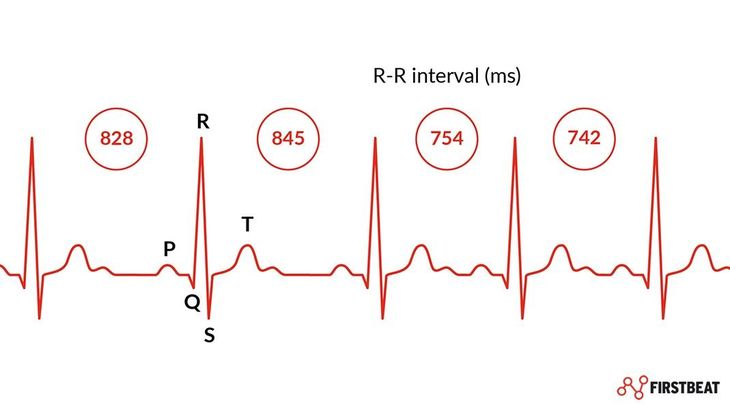
When trying to interpret your daily physical recovery, looking at a single day’s score can lead to unnecessary anxiety.
If your heart rate variability hovers around a baseline value of 30, it is essential to observe how it fluctuates relative to your historical trends.
For instance, dipping down to an hrv 28 indicates a mild drop in autonomic resilience, suggesting your body is carrying extra stress from the previous day.
Similarly, hitting a score of hrv 29 shows that you are still in a low-recovery phase, which may require you to reduce your workout intensity or scale back daily obligations.
An overnight value of hrv of 30 represents a common baseline for individuals managing high workloads, families, and moderate fitness routines.
If you see your trend gradually rise to an hrv 31, your body is showing positive signs of adapting to its current stress load.
Progressing further to an hrv 32 indicates that your parasympathetic nervous system is reclaiming dominance, allowing for deeper cellular repair.
Reaching a recovery value of hrv 33 signifies an excellent step forward, proving that deliberate lifestyle changes can actively move your autonomic baseline upward.
By focusing on these incremental changes, you can monitor the long-term effectiveness of your rest periods and dietary habits.
Rather than feeling stuck with low values, you should focus on building habits that support gradual cardiovascular adaptation.
Tracking these subtle movements is simple with the Herz P1, which maps out weekly and monthly trend charts directly in its user-friendly interface.
How Smart Wearables Monitor Autonomous Recovery Patterns
Understanding how your body tracks autonomic recovery requires looking at modern photoplethysmography (PPG) technology.
Traditional wrist-based fitness trackers often struggle to maintain tight contact with the skin, especially during active sleep cycles.
This loose fit can introduce motion artifacts, resulting in distorted readings of your resting heart rate and blood oxygen levels.
The finger base, however, contains a rich network of superficial capillaries that provide an incredibly strong, clean pulse signal.
By utilizing this anatomical advantage, smart rings can capture precise biometric data with clinical-grade accuracy.
The National Sleep Foundation emphasizes that consistent biometric tracking during deep and REM sleep is vital for mapping recovery.
During these stages, the parasympathetic nervous system should ideally lower your heart rate and maximize heart rate variability.
If your device detects low metrics consistently, it may indicate fragmented sleep architecture or late-night digestive activity.
The Herz P1 Smart Ring integrates a high-frequency multispectral PPG sensor that samples heart rate variability at regular intervals overnight.
This allows the device to filter out temporary disruptions and compute an accurate, reliable average score for your morning report.
By wearing a lightweight ring instead of a heavy watch, you ensure continuous, comfortable data capture that reflects your true physiological state.
A Strategic Guide to Raising Your Overnight Recovery Scores
If you want to raise your resting numbers naturally, you must implement highly targeted lifestyle interventions.
The journey to autonomic balance begins with a structured approach to your evening wind-down routine.
Consuming large meals or alcohol within three hours of bedtime forces your cardiovascular system to support digestion instead of cellular repair.
This digestive strain keeps your resting heart rate elevated and causes your overnight recovery metrics to drop sharply.
To prevent this, aim to finish your last meal early and focus on gentle hydration throughout the late afternoon.
Additionally, managing psychological stress before bed is vital for encouraging parasympathetic nervous system activation.
Engaging in just ten minutes of slow, controlled diaphragmatic breathing can significantly lower cardiovascular tension.
This breathing practice stimulates the vagus nerve, which acts as a natural brake for your heart rate.
Physical fitness also plays a foundational role in shaping your long-term heart rate variability baseline.
Incorporating regular, low-intensity aerobic exercise, such as Zone 2 cardio, helps strengthen your heart muscle over time.
As your stroke volume increases, your heart can pump more blood with fewer beats, leaving more room for healthy variability.
By monitoring these lifestyle changes on the Herz P1 App, you can directly correlate your daily habits with rising recovery trends.
Avoiding the Pitfalls of Biometric Over-Anxiety and Bulky Tech
Many health enthusiasts fall into the trap of developing severe anxiety over their daily recovery numbers.
Obsessing over every minor fluctuation can actually trigger a stress response, paradoxically driving your recovery metrics lower.
It is important to remember that biometric tracking is meant to be a helpful guide, not a source of daily judgement.
Another major hurdle is the physical discomfort associated with wearing bulky smartwatches to bed.
These large, heavy devices often catch on blankets, disrupt your sleeping positions, and cause skin irritation from sweat buildup.
Furthermore, many premium brands on the market charge high upfront hardware costs coupled with mandatory monthly subscriptions.
These recurring fees feel like a penalty for simply wanting to access your own personal health data.
Team Herz P1 believes that everyone deserves seamless, stress-free access to their biometric information.
The Herz P1 Smart Ring offers a sleek, ultra-lightweight design crafted from highly durable, military-grade steel.
It slips comfortably onto your finger, allowing you to sleep naturally without any bulk or distracting screen glare.
Best of all, our companion app is completely free for lifetime, with absolutely zero monthly subscriptions or hidden paywalls.
Typical Heart Rate Variability Benchmarks by Age
To help you understand how your heart rate variability compares to general populations, we have compiled a clean benchmark table.
These figures represent typical ranges and demonstrate how autonomic metrics naturally shift as we age.
| Age Group | Typical HRV Range (ms) | Recovery Status for Score of 30 |
|---|---|---|
| 20 – 29 Years | 55 – 105 ms | Indicates high stress or acute fatigue |
| 30 – 39 Years | 45 – 85 ms | Suggests moderate fatigue, needs active recovery |
| 40 – 49 Years | 35 – 75 ms | Approaching typical baseline; mildly low |
| 50 – 59 Years | 25 – 55 ms | Completely normal baseline for this cohort |
| 60+ Years | 15 – 45 ms | Good recovery score indicating solid autonomic balance |
This table clearly shows that an hrv of 30 cannot be judged without considering the age of the individual.
By tracking your unique personal trends over time, you can establish an accurate baseline that matters far more than population averages.
Frequently Asked Questions
Is the Herz P1 Smart Ring waterproof?
Yes, the Herz P1 features a robust IP68 waterproof rating, making it completely safe for everyday life.
It can withstand continuous submersion in water up to 164 feet, allowing you to wear it while washing hands, showering, or swimming.
How long does the battery last on a single charge?
The Herz P1 is engineered with advanced power-saving technology to deliver up to 6 days of continuous battery life.
When it is time to power up, the ring charges fully in under 1 hour using its custom magnetic charging dock.
Which finger is best to wear the smart ring on?
For the highest biometric accuracy, we recommend wearing the Herz P1 on your index, middle, or ring finger.
These digits provide the strongest blood flow signals for our optical sensors, ensuring clean and reliable data capture.
Does the Herz P1 store my data offline if my phone is disconnected?
Yes, the ring features secure onboard memory that can store up to 7 days of local biometric data offline.
Once your ring reconnects to your smartphone via Bluetooth, all gathered data syncs automatically to your app.
Conclusion
Understanding your biometrics is the first major step toward reclaiming your energy, vitality, and daily focus.
By tracking your body signals with the Herz P1 Smart Ring, you can make informed decisions that support true physical recovery.
Ready to monitor your health every day? Explore the Herz P1 Smart Ring and see if it fits your lifestyle. Call: 1-866-479-1629 — our team can help you advise on the correct ring size and set personalized health goals.
Note: Individual results may vary depending on individual health conditions, age, and lifestyle habits. This article is intended for general health reference purposes only.
