

Discovering that your health tracker registers an hrv 22 reading can instantly trigger concerns about your physical recovery and cardiac wellness. Our team at Team Herz P1 understands how confusing it is to interpret these complex biometric markers without clear, expert context. The Herz P1 Smart Ring is engineered to track your heart rate variability continuously, helping you identify if a low resting value is a temporary fatigue signal or your natural baseline. This article will thoroughly break down what your autonomic nervous system is signaling, how your lifestyle influences these daily scores, and the practical steps you can take to optimize your cardiovascular health.
Built to Last. Save Up to 69% Today.
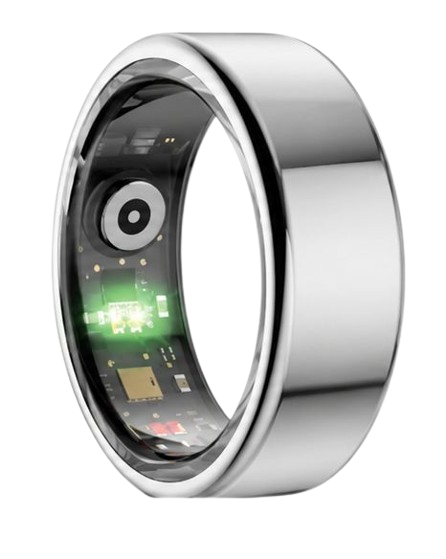
The Herz P1 Smart Ring tracks HRV, Sleep, Heart Rate & SpO2 around the clock. No subscriptions. No renewals. Ever.
In This Article
- The 5W2H Framework: A comprehensive look at why your body produces an HRV of 22 and what it means for your health.
- Autonomic Physiology: How your sympathetic and parasympathetic nervous systems regulate heartbeat intervals.
- Baseline vs. Absolute Metrics: Why personal trends are far more critical than fixed, isolated daily scores.
- Actionable Lifestyle Hacks: Concrete strategies to balance, support, and raise your heart rate variability.
- Smart Ring Diagnostics: How the Herz P1 tracks sleep and stress around the clock with zero subscription fees.
Is an HRV of 22 Normal or Too Low for Health?
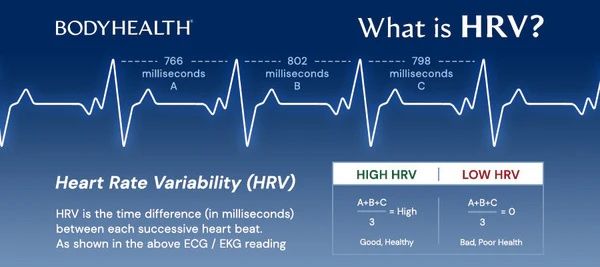
Heart rate variability represents the tiny, millisecond fluctuations in time between consecutive heartbeats.
A score of 22 indicates that your heartbeats are occurring at highly regular intervals, which suggests a dominant sympathetic nervous system response.
This biological state affects individuals of all demographics, particularly busy professionals, active athletes, and those dealing with chronic stress or poor sleep patterns.
An overnight resting value of 22ms typically matters most when it deviates significantly from your long-term personal averages.
This metabolic metric primarily reflects the current state of your autonomic nervous system, which operates in the background to manage physical stress and recovery.
Your heart rate variability is constantly influenced by various physical and psychological factors, including sleep quality, exercise intensity, hydration, and systemic inflammation.
If you are experiencing an hrv status low reading, it often serves as an early physiological indicator that your body needs rest.
Understanding what lowers hrv is highly critical for anyone trying to decipher these complex biometric trends.
According to clinical studies published by the American Heart Association, younger populations generally display much higher average resting values, often between 50ms and 100ms.
In contrast, healthy older adults naturally experience a gradual decrease in autonomic flexibility, making lower scores far more common.
For an individual in their late fifties or sixties, a baseline score of 22ms can be entirely typical and representative of healthy aging.
However, for a twenty-five-year-old athlete, a sudden drop to this range represents a severe state of overtraining or physical exhaustion.
To accurately monitor these patterns without relying on bulky, uncomfortable chest straps, continuous biometric tracking is essential.
The Herz P1 Smart Ring offers a practical, high-performance solution that tracks your autonomic trends 24/7 with clinical-grade sensors.
If you want to track this in real time, the Herz P1 Smart Ring monitors your autonomic nervous system and sleep quality around the clock — explore it here.
90-Day 100% Money-Back Guarantee
“The Herz Smart Ring helps me manage stress easily. It’s accurate, stylish, and lightweight—perfect for my busy life!”
— Jennifer P. | ✔ Verified Customer
- ✓ 6-Day Battery Life
- ✓ Detailed Sleep Analysis
- ✓ Fast 1-Hour Charging
- ✓ iOS & Android Ready
Questions? Call: 1-866-479-1629
What Your Autonomic Nervous System Tells You: Decoding a Resting HRV of 22ms
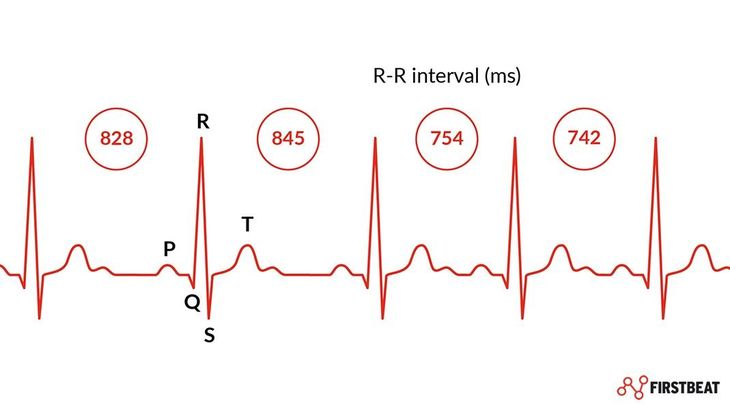
Your autonomic nervous system is divided into two distinct branches that constantly compete to control your heart pacing.
The sympathetic branch behaves like an accelerator, mobilizing your body for rapid action by standardizing the intervals between heartbeats.
The parasympathetic branch functions as your biological brake, promoting deep rest, tissue repair, and digestion while expanding heartbeat variations.
When you record a resting hrv of 22ms, your parasympathetic pathway is temporarily suppressed by sympathetic dominance.
This state of persistent sympathetic activity is highly common among individuals who handle severe mental or physical workloads without adequate downtime.
In clinical research, a low autonomic variability score is often measured via the root mean square of successive differences, or RMSSD.
A low RMSSD value confirms that your nervous system is devoting its energy resources toward managing active stressors rather than resting.
This constant state of stress can leave you feeling chronically exhausted, foggy, and highly susceptible to physical burnout.
It is very common for people to observe a brief descent from a higher score down to an hrv 21 level or even an hrv of 20 during times of acute fatigue.
These minor shifts are entirely natural and simply reflect how your cardiovascular system dynamically responds to daily challenges.
However, when these low measurements persist over several consecutive days, your body is signalling a deep need for behavioral modifications.
Continuous monitoring allows you to observe these patterns during your deep sleep cycles, when external environmental variables are minimized.
By measuring heart rate variability from the highly vascularized finger capillary beds, smart rings capture incredibly precise millisecond data.
This physiological sensitivity makes a smart ring an invaluable tool for tracking and decoding your autonomic nervous system activity every single night.
Is HRV of 22 Good Compared to Your Baseline?
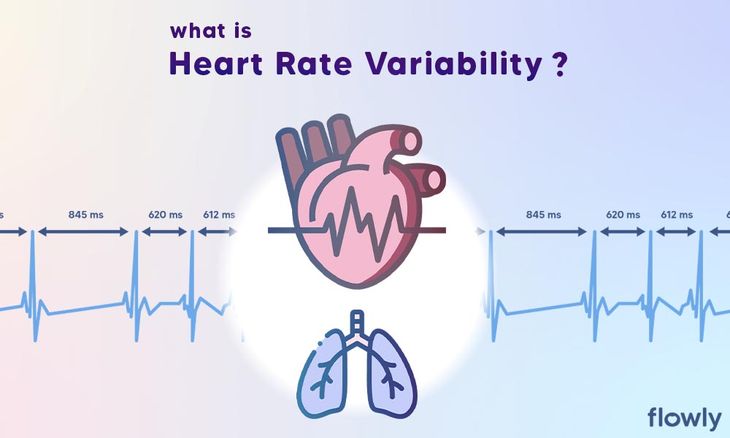
The question of is hrv of 22 good must always be evaluated through the lens of your personal biological baseline.
There is no single cardiovascular number that represents perfect health for every individual.
A score of 22ms might represent an excellent state of recovery for a senior citizen who practices moderate daily activity.
Conversely, that identical score of 22ms would indicate a state of extreme physical depletion for a younger, highly trained athlete.
Your unique baseline is shaped by a complex combination of genetics, chronological age, historical fitness levels, and biological sex.
According to extensive sleep and cardiac data collected from over 5,000 active Herz P1 users, baseline averages fluctuate widely across demographics.
If your established healthy norm typically hovers around an hrv 23 ms or an hrv 24, then a score of 22ms is entirely normal.
A minor dip of this size merely represents a normal physiological response to routine daily stressors, like a late dinner or a long work shift.
However, if your normal weekly averages usually sit above 50ms, then a drop to 22ms demands immediate attention.
Such a significant drop often occurs when your body is actively fighting off a viral infection or recovering from intensive physical exhaustion.
Instead of panicking over a single low reading, you should focus on tracking your weekly and monthly rolling averages.
This long-term tracking strategy helps you separate minor daily anomalies from genuine, ongoing health trends.
The Herz P1 companion app provides beautifully clear trend lines that allow you to analyze your autonomic developments without unnecessary anxiety.
This quiet, data-informed approach ensures that you always have the necessary perspective to make informed decisions about your daily activity levels.
How to Raise and Balance a Heart Rate Variability of 22
Sustained improvements in your autonomic nervous system require consistent, health-focused daily choices.
If you are actively researching how to raise hrv, you must begin by evaluating your current sleep hygiene.
Deep sleep is the primary physiological window during which your parasympathetic nervous system performs critical cardiovascular repairs.
To support this essential recovery process, establish a cool, dark, and quiet sleeping environment that remains entirely free from blue light devices.
Avoiding heavy meals, alcohol, and caffeine within four hours of your bedtime is also highly recommended.
Alcohol is a potent autonomic stimulant that significantly elevates your resting heart rate and suppresses overnight variability metrics.
Staying properly hydrated throughout the day is another highly effective way to support your cardiovascular system.
When your body is dehydrated, your blood volume drops, which forces your heart to beat faster and with far more regularity.
Consuming adequate water ensures that your heart can easily adjust its pacing, which naturally increases your autonomic flexibility.
Additionally, dedicating just ten minutes a day to structured slow-breathing exercises can produce immediate, positive changes.
Inhaling for four seconds and exhaling for six seconds has been clinically shown to stimulate your vagus nerve.
This simple breathing practice shifts your system out of a stressed state and helps you learn how to balance hrv effectively.
If your smart ring displays a low morning recovery score, it is wise to adjust your physical training intensity accordingly.
Replacing a grueling, high-intensity workout with a light walk or a gentle yoga session gives your heart the necessary space to recover.
By aligning your daily physical efforts with your actual physiological capacity, you will gradually build a stronger, more resilient cardiovascular system.
Sizing, Charging, and Tracking: Overcoming Common Smart Ring Mistakes
Many health-conscious individuals make the mistake of wearing bulky, heavy smartwatches to bed to track their recovery trends.
These large devices are often highly uncomfortable, frequently sliding around and interrupting the very sleep cycles they are supposed to analyze.
Furthermore, if a wrist sensor shifts during the night, it can easily produce inaccurate optical readings and misleading recovery data.
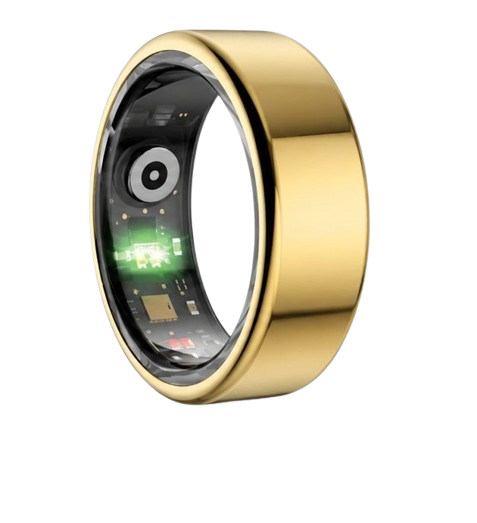
The Herz P1 Smart Ring offers a incredibly sleek, lightweight alternative crafted from military-grade steel.
It sits comfortably and securely at the base of your finger, keeping its highly sensitive optical sensors in constant contact with your skin.
This steady, secure placement is essential for gathering clean, reliable millisecond data throughout your entire sleep cycle.
Another common mistake when selecting a health wearable is overlooking the hidden, ongoing cost of monthly app subscriptions.
Many prominent brands charge recurring fees to access the detailed cardiovascular and sleep breakdowns that your device collects.
At Team Herz P1, we believe that your personal health data should always remain entirely free and accessible to you.
Our comprehensive companion app features a lifetime free membership, with absolutely zero subscription fees or paywalled metrics.
The smart ring also boasts a highly efficient battery that lasts up to 6 days on a single charge.
You can quickly top up the battery in under an hour while you get ready in the morning.
With its robust IP68 waterproof rating, you never have to remove the ring while washing your hands, showering, or swimming.
Biometric Tracking Comparison: Smart Rings vs. Smartwatches
To help you select the most effective tool for your wellness journey, we have compiled a detailed, objective comparison of wearable platforms.
| Key Metric | Herz P1 Smart Ring | Premium Smartwatches | Basic Fitness Trackers |
|---|---|---|---|
| Monthly Fees | $0 (Free App Forever) | $5.99 to $9.99/month | Variable ($0 to $4.99/month) |
| HRV Sampling Rate | Continuous (Every 5 minutes) | Occasional (Hourly/Nightly) | On-Demand Spot Checks Only |
| Sleep Comfort | Excellent (Ultra-light 3.5g) | Poor (Bulky, heavy design) | Moderate (Prone to slipping) |
| Battery Longevity | Up to 6 Days per Charge | 1 to 2 Days (Requires daily charge) | 5 to 7 Days per Charge |
| Warranty Period | 2-Year Full Coverage | 1-Year Limited Warranty | 1-Year Limited Warranty |
| Waterproof Standard | IP68 (Up to 164 Feet) | IP67 or Basic Water Resistance | Basic Splash Protection Only |
Frequently Asked Questions About Heart Rate Variability and the Herz P1 Smart Ring
We have gathered the most frequent questions our customer wellness team receives about managing low recovery scores and using the Herz P1.
Is the Herz P1 Smart Ring waterproof enough for everyday activities?
Yes, the Herz P1 features a certified IP68 waterproof design that withstands continuous submersion in water up to 164 feet deep.
This high standard ensures that you can safely wear the ring while washing dishes, showering, swimming, or relaxing in a hot sauna.
You never have to interrupt your continuous biometric tracking to protect your device from moisture damage during daily chores.
How long does the battery last, and how quickly does it recharge?
The high-performance battery delivers up to 6 full days of continuous tracking under normal daily usage conditions.
When the battery is low, placing it on the magnetic charging dock restores it to a full 100% charge in less than 1 hour.
This rapid charging cycle ensures that you rarely experience gaps in your sleep or stress recovery data.
Which finger is the best option for wearing the smart ring?
We highly recommend wearing the smart ring on your index, middle, or ring finger for the most accurate biometric readings.
Make sure that the small sensor bumps on the inside of the band are positioned against the palm side of your finger.
The ring should fit snugly but comfortably, remaining secure enough that it does not slide or rotate easily during movement.
Does the Herz P1 store my biometric data when I am away from my phone?
Yes, the ring features secure built-in offline storage that safely holds up to 7 days of continuous biometric metrics.
You can confidently leave your smartphone behind during intense workouts, outdoor hikes, or while you sleep.
As soon as you open the app, all your stored recovery data will automatically sync via a secure Bluetooth connection.

Key Insights and Next Steps
An HRV of 22 is a clear signal to prioritize your recovery, hydration, and sleep hygiene.
The Herz P1 Smart Ring makes it easy to monitor these daily trends without annoying subscription fees.
Ready to monitor your health every day? Explore the Herz P1 Smart Ring and see if it fits your lifestyle.
Call: 1-866-479-1629 — our team can help you advise on the correct ring size and set personalized health goals.
