

Finding a resting hrv 23 ms on your wearable dashboard can trigger immediate anxiety about your cardiorespiratory health, but decoding this complex autonomic nervous system signal with the subscription-free Herz P1 Smart Ring will help you understand whether this score reflects temporary physical stress or your normal biological baseline.
Built to Last. Save Up to 69% Today.
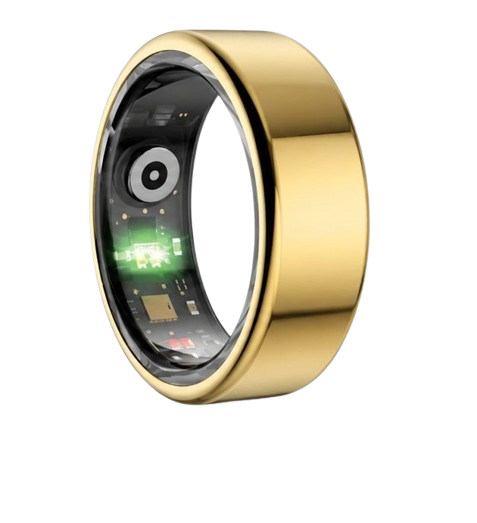
The Herz P1 Smart Ring tracks HRV, Sleep, Heart Rate & SpO2 around the clock. No subscriptions. No renewals. Ever.
In This Article
- Is an HRV of 23 ms Good? A clinical and practical recovery breakdown.
- Autonomic Balance: How your sympathetic and parasympathetic branches control your scores.
- Recovery Metrics: Comparing a score of 23 to other resting baselines.
- Actionable Improvements: Real-world lifestyle shifts to optimize your daily heart rate variability.
Is an HRV of 23 ms Good for Your Recovery? Here Is What Science Says
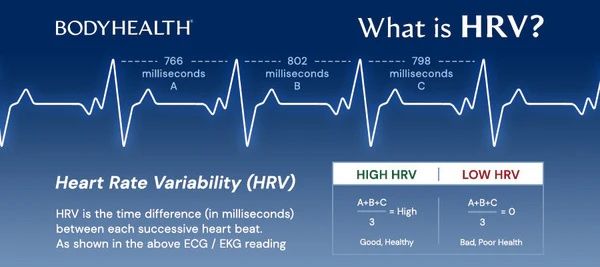
Heart rate variability, or HRV, measures the tiny, microscopic time differences between your consecutive heartbeats.
To understand if a value of 23 ms is good, we must look at how the autonomic nervous system operates.
This system is split into two primary branches: the sympathetic branch and the parasympathetic branch.
The sympathetic branch governs your “fight or flight” response, preparing your body for immediate action, stress, and physical exertion.
The parasympathetic branch drives your “rest and digest” functions, actively working to lower your heart rate and facilitate deep physical recovery.
When your parasympathetic branch is highly active, your heartbeat intervals become highly irregular and flexible, resulting in a higher HRV score.
Conversely, when your sympathetic drive dominates due to stress, exhaustion, or illness, your heart beats in a highly rigid, metronome-like pattern, causing your HRV to drop.
A score of 23 ms indicates that your sympathetic nervous system is currently carrying a significant operational load.
Whether this score is objectively “good” or “bad” depends heavily on your demographic profile, your individual baseline history, and your current physical state.
For a young, highly active athlete, a resting score of 23 ms is generally considered low and may indicate a state of acute overtraining or systemic fatigue.
For an individual over the age of fifty, however, a resting value of 23 ms can sit comfortably within a normal, healthy age-adjusted baseline range.
The American Heart Association highlights that heart rate variability naturally declines as we age due to changes in cardiac muscle elasticity and autonomic tone.
The National Sleep Foundation also confirms that poor sleep quality, sleep fragmentation, and late-night eating can temporarily suppress overnight resting scores.
Therefore, a single reading of 23 ms should not cause panic; instead, it should be viewed as an informative cue to evaluate your lifestyle and recovery habits.
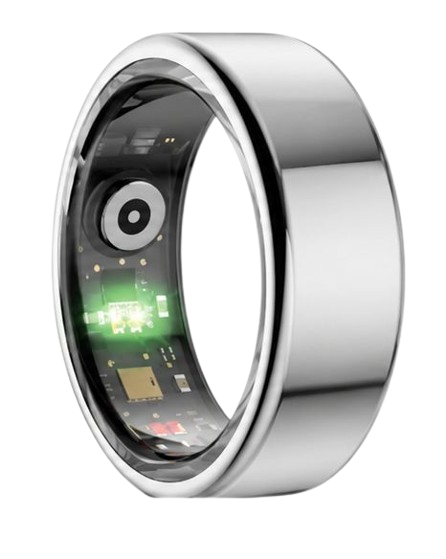
If you want to track this metric in real time with peerless accuracy, the Herz P1 Smart Ring monitors your cardiac variations 24/7 without requiring any hidden subscription fees — explore it here.
90-Day 100% Money-Back Guarantee
“The Herz Smart Ring helps me manage stress easily. It’s accurate, stylish, and lightweight—perfect for my busy life!”
— Jennifer P. | ✔ Verified Customer
- ✓ 6-Day Battery Life
- ✓ Detailed Sleep Analysis
- ✓ Fast 1-Hour Charging
- ✓ iOS & Android Ready
Questions? Call: 1-866-479-1629
Comparing 23 ms to Other Common Autonomic Baselines
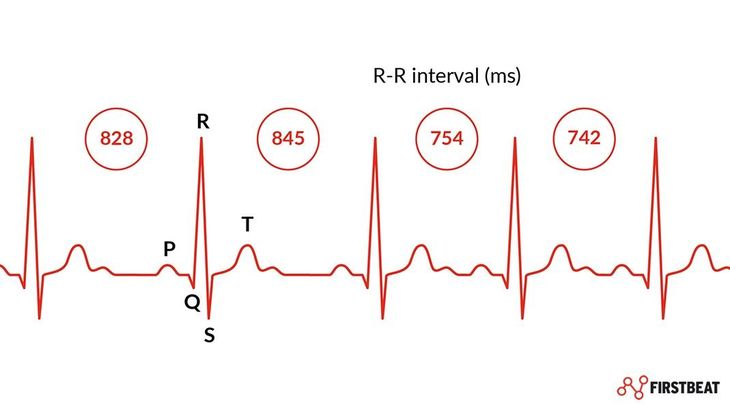
To put a score of 23 ms into perspective, we must compare it to surrounding values on the recovery spectrum.
Physiological recovery is a fluid continuum, meaning a difference of just a few milliseconds can point to distinct states of stress or adaptation.
If your baseline typically hovers around a low value, dropping down to an hrv 21 signals that your body is in an acute state of sympathetic overdrive.
Conversely, climbing up to an hrv 22 represents a subtle, positive shift toward autonomic balance, though you remain in a highly vulnerable recovery window.
A consistent value of 23 ms indicates that your cardiovascular system is working hard to maintain homeostasis against daily stressors.
If you can successfully implement basic recovery protocols, you will likely see your score transition up to an hrv 24 over the subsequent nights.
Reaching an hrv 25 serves as a reliable milestone, indicating that your parasympathetic nervous system is reclaiming dominance over your resting physiology.
Medical studies suggest that these minor changes are highly meaningful when evaluated over a rolling seven-day trend window.
Instead of hyper-focusing on a single isolated night, look at the direction of your weekly averages to determine if your recovery is moving forward.
If you notice a downward trend, you should proactively research hrv status low protocols to help reverse this physiological decline.
Continuous biometric tracking helps take the guesswork out of your health, showing you exactly how your heart responds to rest.
Understanding the Core Factors That Influence and Suppress Your HRV
To make sense of a persistent resting score of 23 ms, you must identify what lowers hrv in your daily routine.
The primary culprit behind a suppressed recovery score is often chronic physical or psychological stress.
When you experience prolonged work pressure, anxiety, or emotional fatigue, your adrenal glands continuously secrete cortisol and adrenaline.
These hormones keep your sympathetic nervous system locked in an active state, preventing your heart rate from stabilizing into a restful, variable pattern.
Another major contributor is intense, unrecovered physical exercise or overtraining.
While structured workouts are highly beneficial for long-term health, failing to allow adequate downtime between hard sessions exhausts your muscle tissue and strains your nervous system.
Poor sleep architecture is also a key factor that directly damages your nightly recovery scores.
A lack of deep, slow-wave sleep prevents your brain from clearing metabolic waste and blocks your cardiovascular system from lowering its resting heart rate.
Consuming alcohol, heavy meals, or caffeine close to bedtime forces your digestive system to work overtime while you sleep, keeping your heart rate elevated and your HRV suppressed.
Additionally, subclinical immune responses, such as fighting off a mild cold or virus, will drain your bodily resources and lower your scores before physical symptoms even appear.
By identifying and eliminating these hidden stressors, you can easily protect your nervous system and support your natural recovery pathways.
How to Systematically Raise and Balance Your Heart Rate Variability
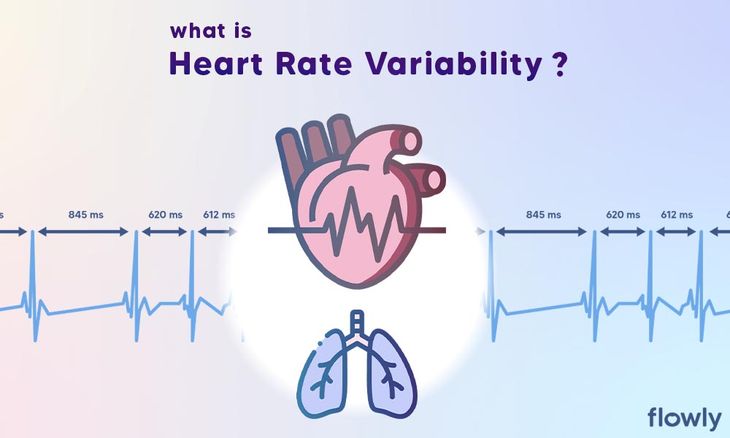
If you are determined to elevate your baseline from a 23 ms resting average, learning how to raise hrv is your first step.
Start by prioritizing sleep consistency, ensuring you go to bed and wake up at the exact same time every day to sync your circadian biology.
Incorporate daily breathwork or mindfulness practices, focusing on slow, deep diaphragmatic breathing at a rate of roughly six breaths per minute.
This specific breathing cadence stimulates the vagus nerve, which directly triggers a powerful parasympathetic response to lower your heart rate.
Hydration is another critical factor; drinking adequate water throughout the day maintains optimal blood volume, reducing the mechanical strain on your cardiac muscle.
Next, focus on learning how to balance hrv through proper exercise distribution and structured active recovery.
Avoid scheduling high-intensity training sessions back-to-back, and make sure to intersperse light walking, stretching, or yoga into your weekly routine.
Ensure your bedroom environment is dark, quiet, and cooled to between 60 and 67 degrees Fahrenheit to maximize deep sleep stages.
Avoid screens and bright blue light for at least one hour before bed, as these disrupt your brain’s natural melatonin production.
By executing these foundational lifestyle adjustments, you will gradually guide your autonomic nervous system back into a balanced, highly resilient state.
The Critical Mistakes of Wearing Bulky Smartwatches and Paying Monthly Fees
Many health-conscious individuals try to track their recovery using oversized, heavy smartwatches that present major design flaws.
Wearing a bulky smartwatch to bed is highly uncomfortable and often disrupts the natural sleep cycles you are trying to measure.
Furthermore, these heavy watches frequently shift on your wrist overnight, creating gaps in contact that lead to highly inaccurate PPG sensor readings.
Another major issue in the wearable market is the presence of predatory, ongoing monthly application subscription fees.
Paying a costly monthly fee just to access your own personal biometric data is a highly frustrating experience that inflates your long-term ownership costs.
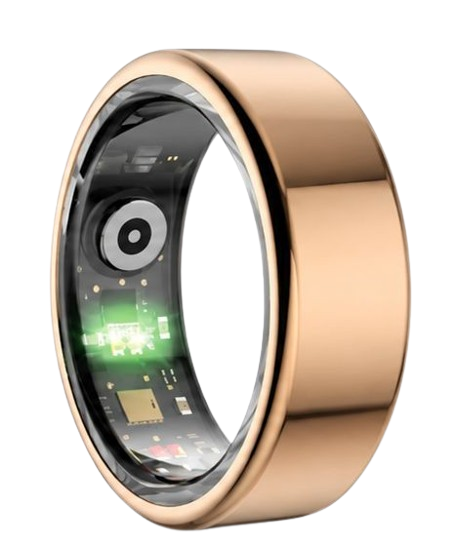
The Herz P1 Smart Ring completely solves these issues by offering a sleek, lightweight, military-grade steel ring that sits comfortably on your finger all night.
It provides continuous, medical-grade biometric tracking with a lifetime-free companion application that never charges a subscription fee.
Deep Scientific Analysis of HRV Demographics and Baseline Norms
When analyzing heart rate variability, understanding your peer group’s average range is highly useful for context.
The table below displays average, healthy RMSSD (Root Mean Square of Successive Differences) ranges across various age groups and fitness profiles.
| Age Demographic | Sedentary/Average Range (ms) | Athletic/Highly Active Range (ms) | Recovery Status for 23 ms |
|---|---|---|---|
| Ages 18–25 | 45 to 75 ms | 70 to 110+ ms | Severely Depressed (Requires Active Rest) |
| Ages 26–35 | 35 to 65 ms | 60 to 90+ ms | Depressed (Indicates Stress or Fatigue) |
| Ages 36–45 | 25 to 50 ms | 50 to 80+ ms | Low-Normal (Monitor Trend Line) |
| Ages 46–55 | 20 to 40 ms | 40 to 70+ ms | Normal Baseline Range |
| Ages 56–65+ | 15 to 30 ms | 30 to 55+ ms | Optimal/High-Normal Baseline |
As illustrated, a resting score of 23 ms is perfectly normal and healthy for mature individuals, whereas it signals a clear need for rest in younger populations.
Frequently Asked Questions About Recovery Tracking and the Herz P1 Ring
Is the Herz P1 Smart Ring waterproof?
Yes, the Herz P1 Smart Ring features a robust IP68 waterproof rating, allowing it to withstand complete submersion up to 164 feet deep.
This means you can confidently wear it while swimming, showering, washing your hands, or sweating heavily during intense workouts without risking damage.
How long does the battery last and how quickly does it charge?
The Herz P1 battery provides up to 6 days of continuous, round-the-clock biometric tracking on a single charge.
When it is time to recharge, the ring reaches a full 100% capacity in under 1 hour using the included magnetic charging dock.
Which finger is best to wear the smart ring on?
For the absolute highest level of sensor accuracy, we recommend wearing the Herz P1 on your index, middle, or ring finger.
These fingers have optimal blood vessel density close to the skin surface, allowing the optical PPG sensors to capture clean, reliable signals.
Does the ring store my biometric data offline if my phone is disconnected?
Yes, the Herz P1 Smart Ring features built-in storage that safely saves up to 7 days of continuous biological data offline.
As soon as you open the app and reconnect via Bluetooth, your saved metrics will instantly sync to your digital dashboard.
Conclusion
Monitoring your heart rate variability is one of the most powerful steps you can take to optimize your long-term health and daily performance.
Ready to monitor your health every day? Explore the Herz P1 Smart Ring and see if it fits your lifestyle. Call: 1-866-479-1629 — our team can help you advise on the correct ring size and set personalized health goals.
Note: Individual results may vary depending on individual health conditions, age, and lifestyle habits. This article is intended for general health reference purposes only.
