

Understanding your heart rate variability milliseconds is the ultimate key to decoding how your autonomic nervous system responds to daily stress, intense physical exertion, and overnight recovery. At Team Herz P1, we believe that tracking your Herz P1 Smart Ring health metrics should be simple, highly accurate, and completely free from monthly subscription fees. This comprehensive guide will explain exactly what those crucial milliseconds mean for your energy levels, sleep quality, and long-term wellness trends.
Built to Last. Save Up to 69% Today.
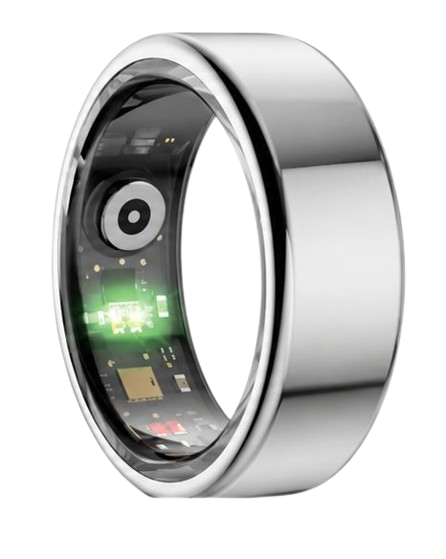
The Herz P1 Smart Ring tracks HRV, Sleep, Heart Rate & SpO2 around the clock. No subscriptions. No renewals. Ever.
In This Article
- Learn the biological definition of heart rate variability milliseconds and autonomic health.
- Understand how RMSSD and SDRR calculations reflect your daily stress levels.
- Discover the practical meanings of an HRV score of 30 ms or 50 ms.
- Explore lifestyle habits that can improve your autonomic resilience.
- Compare smart rings to bulky smartwatches for comfortable overnight tracking.
What Do Your Heart Rate Variability Milliseconds Mean? The Complete Science-Backed Guide
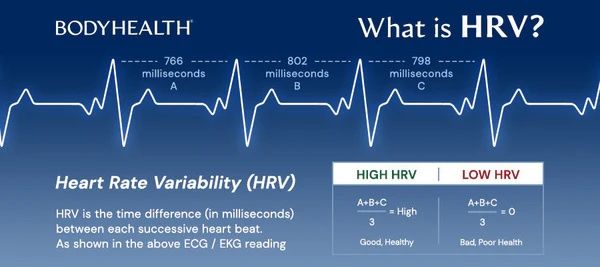
Heart rate variability milliseconds measure the microscopic changes in time between your consecutive heartbeats, known to researchers as the R-R interval.
Many people mistakenly assume that a healthy heart beats at a perfectly rigid rhythm, much like a mechanical metronome.
In reality, a healthy heart is constantly adapting its rhythm to meet the immediate physiological demands of your body.
If you are a busy professional experiencing poor sleep quality, these subtle millisecond fluctuations serve as a direct window into your nervous system.
This metric matters most during your deepest stages of sleep when your body is actively repairing muscle tissue and consolidating memories.
This continuous calculation occurs directly at the sinoatrial node of your heart, which receives signals from your brain stem.
The primary reason this variation exists is to help your body maintain a state of dynamic balance called homeostasis.
When your nervous system is balanced, the time gaps between your heartbeats vary naturally as you inhale and exhale.
For instance, a resting heart rate of sixty beats per minute actually contains diverse intervals like 980 milliseconds and 1020 milliseconds.
While a typical hrv scale can span from under twenty to over one hundred milliseconds, your personal trend is far more critical than average scores.
A low variation in milliseconds suggests that your sympathetic system, also known as the fight-or-flight response, is currently dominating your body.
Conversely, a high variation in milliseconds indicates a healthy, active parasympathetic system, which controls your rest-and-digest functions.
Busy office workers often find their milliseconds suppressed due to long working hours, lack of physical movement, and poor hydration.
By tracking these numbers, you can determine if a planned high-intensity workout will benefit your fitness or simply add unnecessary stress.
If your baseline remains consistently low over several weeks, it may serve as an early warning sign of physical overtraining or chronic burnout.
Measuring these variations requires highly precise optical sensors capable of detecting blood flow changes at the microsecond level.
The Herz P1 Smart Ring utilizes advanced multi-wavelength photoplethysmography to capture these tiny movements directly from the base of your finger.
This advanced technology allows you to monitor your physiological responses without the discomfort of wearing a heavy chest strap or wrist tracker to bed.
When you drink a strong cup of coffee late in the afternoon, the caffeine blocks adenosine receptors in your brain.
This biological block prevents you from feeling tired, keeping your sympathetic nervous system in an elevated state of alert.
As a result, your heart beats faster, and the variation in milliseconds between those beats drops significantly.
Conversely, drinking plenty of water throughout the day increases your blood volume, which naturally lowers your resting heart rate.
A lower resting heart rate provides a larger window of time for natural variations to occur between beats.
This explains why high hydration levels are almost always correlated with higher millisecond readings on your dashboard.
Tracking these continuous shifts helps you understand exactly how your body reacts to daily physiological inputs.
If you want to track this in real time, the Herz P1 Smart Ring monitors your autonomic trends 24/7 — explore it here.

90-Day 100% Money-Back Guarantee
“The Herz Smart Ring helps me manage stress easily. It’s accurate, stylish, and lightweight—perfect for my busy life!”
— Jennifer P. | ✔ Verified Customer
- ✓ 6-Day Battery Life
- ✓ Detailed Sleep Analysis
- ✓ Fast 1-Hour Charging
- ✓ iOS & Android Ready
Questions? Call: 1-866-479-1629
How Your Body Calculates Autonomic Balance: The Physics of RMSSD and SDRR
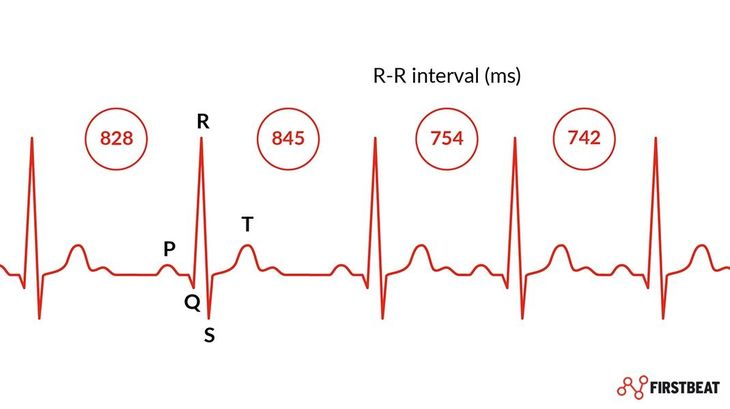
To truly understand your daily wellness data, it is helpful to look at how is hrv calculated by modern wearable sensors.
The primary mathematical standard used by researchers and consumer devices alike is called RMSSD.
This acronym stands for the root mean square of successive differences between adjacent normal heartbeats.
This specific formula focuses heavily on short-term, high-frequency variations in your cardiac rhythm.
Because the parasympathetic nervous system responds incredibly fast, RMSSD is considered the most reliable indicator of your rest-and-recovery state.
To understand where you stand, you can read our detailed guide regarding the hrv rmssd normal range.
The second mathematical approach commonly used in long-term health studies is called SDRR.
SDRR represents the standard deviation of all normal-to-normal intervals over a specific timeframe, often measured across twenty-four hours.
Unlike RMSSD, SDRR captures both short-term recovery and longer-term circadian fluctuations in your heart rhythm.
You can dive deeper into these broad mathematical variations by exploring our overview of the hrv sdrr normal range.
Both of these mathematical tools rely on the presence of a variable heart rate to provide accurate physical readings.
Your nervous system is constantly receiving inputs from your environment, your thoughts, and your internal organs.
The vagus nerve acts as the primary highway for the parasympathetic system, sending slow-down signals directly to your heart.
When the vagus nerve is highly active, it releases acetylcholine, which increases the time gaps between your beats.
This active slow-down process results in a higher, more healthy fluctuation in your millisecond scores.
On the other hand, physical stress triggers the release of adrenaline, which overrides the vagus nerve and makes your heartbeat highly uniform.
Monitoring these shifts helps you identify exactly when your body transitions from a state of productivity into a state of survival.
It is also worth noting that RMSSD is highly resistant to minor motion artifacts that can occur during sleep.
This mathematical stability makes RMSSD the gold standard for overnight wearable tracking devices.
On the other hand, SDRR calculations are highly sensitive to long-term emotional stressors and overall lifestyle patterns.
If you are managing a high-pressure work project, you may see your SDRR values drop even if your nightly RMSSD remains stable.
Understanding how these two metrics interact allows you to build a complete picture of your physiological health.
Many clinical studies published by the American Heart Association emphasize the value of tracking both metrics over several months.
This long-term approach helps you distinguish between temporary lifestyle stress and chronic systemic fatigue.
By monitoring these baseline trends, you can make proactive adjustments to protect your mental and physical energy.
Decoding the Numbers: What an HRV of 30 ms or 50 ms Tells You About Recovery
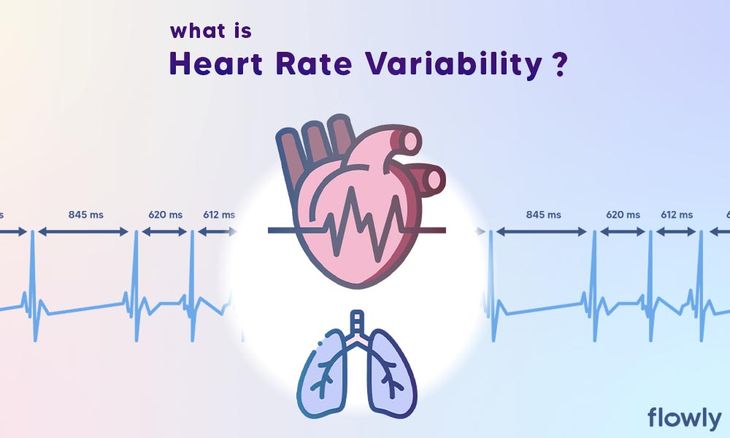
Many first-time users feel discouraged when they see their overnight millisecond averages in their health app.
It is common to wonder what does hrv tell you about your overall physical fitness and longevity.
For instance, finding an hrv 30 score on your dashboard might initially look like a cause for concern.
However, thirty milliseconds can represent a perfectly healthy baseline for individuals over the age of fifty.
In younger populations, a score of thirty milliseconds often points to temporary physical exhaustion, dehydration, or psychological stress.
Conversely, an hrv 50 score generally indicates a highly balanced autonomic state for most working adults.
This level of variation shows that your parasympathetic system is actively helping your body recover from daily demands.
It is highly recommended to focus on your personal weekly and monthly averages rather than comparing your scores to others.
Factors such as genetics, biological sex, and even daily weather conditions can influence your baseline milliseconds.
Let us examine a simple reference table to understand how different millisecond ranges translate to daily physical readiness.
| Typical HRV Range (ms) | Autonomic Performance State | Practical Recovery Strategy |
|---|---|---|
| Under 30 ms | Sympathetic system is dominant, indicating higher physical or mental stress. | Prioritize early sleep, gentle walking, and direct hydration. |
| 30 to 50 ms | Autonomic nervous system is balanced and ready for average daily demands. | Engage in standard workouts and maintain your productive routine. |
| Over 50 ms | Parasympathetic recovery is highly active, indicating excellent physical readiness. | Take advantage of high-intensity training or creative work projects. |
Beyond basic exercise, your daily evening habits play a massive role in determining your morning milliseconds.
Consuming a heavy, high-fat meal late in the evening forces your digestive system to work throughout the night.
This prolonged digestive process keeps your heart rate elevated and suppresses your autonomic variation.
Similarly, drinking alcohol close to bedtime is one of the fastest ways to temporarily crush your overnight averages.
The alcohol molecules disrupt your natural sleep architecture, preventing your brain from entering deep, restorative sleep stages.
By tracking these changes on your dashboard, you can build a highly personalized picture of what habits truly serve your body.
It is also important to note that your natural circadian rhythm causes your milliseconds to fluctuate throughout the day.
Your variations are typically lowest during the late afternoon when your body temperature and active focus peak.
Conversely, your millisecond variations reach their natural peak during the early hours of morning sleep.
This is why measuring your autonomic trends overnight is the most reliable way to establish a clean baseline.
Attempting to compare a morning spot-check score to a nightly average will only lead to confusion and inaccurate tracking.
By focusing on consistent overnight measurements, you ensure that your data remains highly comparable and reliable.
This scientific approach is exactly how our team at Herz P1 designed our background monitoring software to operate.
Using the Herz P1 Companion App to Optimize Your Daily Energy and Workouts
Collecting biometric data is only useful if you can apply those insights to improve your quality of life.
The Herz P1 Smart Ring and its free companion app do the heavy lifting of translating raw milliseconds into simple scores.
Every morning, you receive an intuitive wellness readiness score based on your sleep, resting heart rate, and autonomic trends.
If your readiness score is exceptionally high, your nervous system is fully prepared for a challenging workday or a heavy gym session.
On days when your baseline drops significantly, you can proactively adjust your expectations.
You might choose to delegate highly demanding tasks, skip an intense workout, or schedule a short evening meditation.
The unique, lightweight profile of our smart ring makes it the ideal companion for seamless overnight tracking.
Unlike traditional wrist-based trackers, the ring fits securely around your finger, where capillary blood flow is highly accessible.
This close proximity to your blood vessels allows our optical sensors to collect highly accurate data with minimal signal noise.
This comfortable, continuous contact ensures that your sleep stages are tracked with clinical-grade accuracy.
Our mobile application also features a dedicated stress monitoring graph that updates every five minutes throughout the day.
This real-time visualization helps you identify which meetings or daily habits trigger a sharp stress response.
When you see a sudden spike in your stress levels, you can take a few minutes to practice deep diaphragmatic breathing.
This simple breathing exercise stimulates the vagal nerve, helping to lower your heart rate and increase your milliseconds.
Over time, these small daily interventions can help you build long-term autonomic resilience and improve your sleep quality.
The convenience of having this data on your finger means you can monitor your health without checking a distracting phone screen.
The True Cost of Biometric Wearables: Smartwatches versus Smart Rings
Many people attempt to monitor their long-term health metrics using bulky, screen-heavy smartwatches.
These heavy wrist devices often rotate during sleep, leading to frequent tracking gaps and inaccurate metrics.
Additionally, many popular smartwatch brands require you to charge their devices almost every single day.
If your tracker is sitting on a charger during the night, you miss the most critical window for biometric analysis.
Furthermore, several leading wearable brands charge expensive monthly subscription fees to access your historical data.
At Team Herz P1, we believe that your personal health data belongs entirely to you.
The Herz P1 companion app is completely free for life, giving you unrestricted access to all your wellness metrics.
Our smart ring is crafted from military-grade steel, ensuring maximum durability against scratches, drops, and daily wear.
This solid construction is completely hypoallergenic, making it safe for continuous wear throughout the day and night.
Traditional watches can also be highly uncomfortable to wear during intense physical workouts or hot summer days.
The bulky design traps sweat against your skin, which can lead to irritation and signal degradation from movement.
In contrast, a smart ring fits neatly around the base of your finger, staying secure even during heavy weightlifting or swimming.
This secure fit ensures that your exercise heart rate and active recovery metrics remain highly accurate.
Our commitment to using premium materials means your ring is built to handle the most demanding physical activities.
You can wear the Herz P1 to the gym, in the pool, and during meetings without ever worrying about damaging your device.
Frequently Asked Questions About Biometrics and the Herz P1 Smart Ring
Understanding the technology behind your wellness tracking can help you maximize the benefits of your smart ring.
Let us address the most common practical questions regarding the Herz P1 Smart Ring.
Is the Herz P1 Smart Ring fully waterproof?
Yes, the Herz P1 features a robust IP68 waterproof rating, allowing you to swim, shower, and wash hands up to 164 feet deep.
This ensures that you never have to remove your tracker while washing dishes or enjoying a relaxing bath.
How long does the battery last on a single charge?
The Herz P1 provides up to 6 days of continuous tracking, so you only need to charge it once a week.
When the battery does run low, the ring charges from zero to one hundred percent in under an hour.
Which finger is the best option for wearing the Herz P1?
We recommend wearing the ring on your index, middle, or ring finger for the most accurate sensor alignment.
Ensure the optical sensor pads are resting comfortably on the palm side of your finger for optimal readings.
Does the smart ring store my data offline if my phone is turned off?
Yes, the Herz P1 features 7 days of secure local storage, ensuring your metrics are saved even without a live connection.
The next time you open the free companion app, all your stored metrics will sync automatically in seconds.
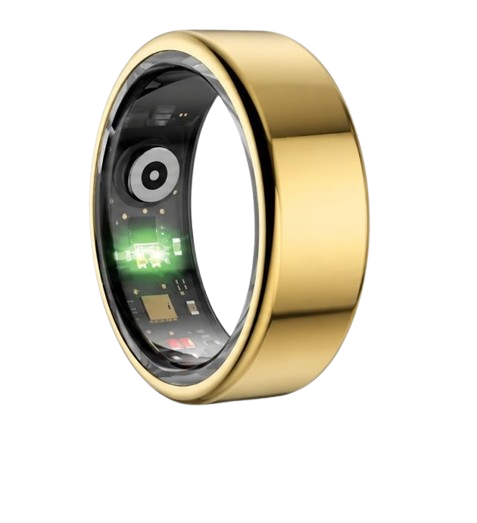
Ready to monitor your health every day? Explore the Herz P1 Smart Ring and see if it fits your lifestyle. Call: 1-866-479-1629 — our team can help you advise on the correct ring size and set personalized health goals.
Note: Individual results may vary depending on individual health conditions, age, and lifestyle habits. This article is intended for general health reference purposes only.
