

If you struggle with sudden anxiety and insomnia before period cycles, your body is sending you a series of loud hormonal distress signals. We understand how exhausting it is to toss and turn during the late luteal phase. Team Herz P1 designed the Herz P1 Smart Ring to help you decipher these precise biological shifts without complex jargon. Data shows that up to 70% of women report sleep changes right before menstruation, making tracking these biometric trends highly critical. Let us guide you through the exact physiological reasons behind your sleepless nights and how to reclaim your peace.
Built to Last. Save Up to 69% Today.
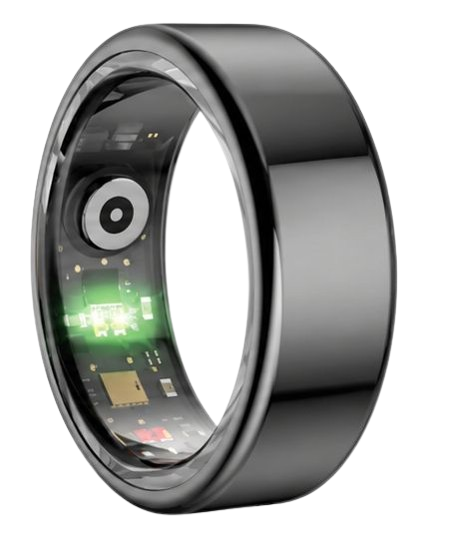
The Herz P1 Smart Ring tracks HRV, Sleep, Heart Rate & SpO2 around the clock. No subscriptions. No renewals. Ever.
In This Article
- Why You Experience PMS-Related Sleeplessness: The neuro-chemical mechanisms behind premenstrual anxiety and cycle-driven insomnia.
- How Hormonal Fluctuations Impact Your Mind: A deep look at progesterone withdrawal, GABA receptor shifts, and elevated autonomic stress.
- Tracking Sleep Architecture: Decoding how REM sleep disruptions and Resting Heart Rate changes indicate physical strain.
- Actionable Solutions with Wearable Tech: Practical tips to leverage continuous biometric data to reclaim your overnight rest.
Does Your Menstrual Cycle Actually Cause Anxiety and Insomnia? Here Is What Science Says
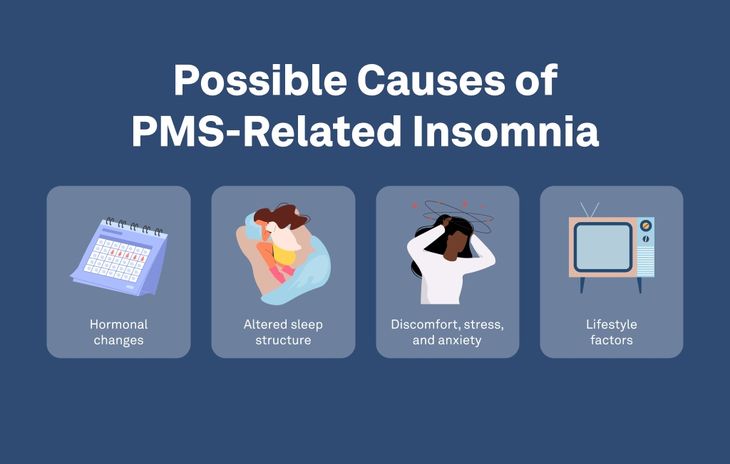
Premenstrual tension involves a complex physiological reaction that affects both your brain chemistry and your sleep patterns.
You might wonder, why do i get insomnia before my period, and the answer lies deep within your endocrine system.
This biological phenomenon is characterized by a dramatic surge in middle-of-the-night waking and a persistent sense of daytime dread.
This cyclical disruption primarily affects menstruating individuals between their late teens and early fifties.
The onset of these symptoms typically occurs during the late luteal phase, which is the final portion of your cycle.
This phase starts immediately after ovulation and lasts until the first day of your menstrual flow.
Inside your body, these shifts occur in the brain’s hypothalamus, which regulates both your sleep-wake cycles and your body temperature.
The biological trigger is a rapid, steep decline in circulating progesterone and estrogen levels.
When these hormones plummet, they alter your brain’s serotonin and GABA levels.
These neurotransmitters are directly responsible for maintaining emotional stability and promoting deep, restful sleep.
Research published by the National Sleep Foundation indicates that up to 75% of women experience mild to moderate premenstrual symptoms.
Furthermore, approximately 3% to 8% of women suffer from a more severe form of this condition known as Premenstrual Dysphoric Disorder.
During this premenstrual window, your core body temperature rises by about 0.5 to 1.0 degree Fahrenheit.
This slight temperature elevation directly prevents your body from entering deep, restorative sleep stages.
If you want to track this in real time, the Herz P1 Smart Ring monitors these vital metrics 24/7 — explore it here.
In addition to monitoring thermal shifts, tracking your daily heart rate patterns provides key insights into your nervous system.
Many women describe feeling completely wired yet physically exhausted as bedtime approaches.
This state of hyperarousal is a direct physiological consequence of hormone withdrawal.
Understanding this timeline helps you realize that your premenstrual struggle is not imaginary but deeply biochemical.
By anticipating these shifts, you can make proactive choices to support your body’s recovery.
A high-precision wearable allows you to see the exact moment your resting heart rate begins to climb.
This climbing pattern serves as an early warning system that your luteal phase has officially begun.
Instead of guessing why your mood is shifting, you receive clear, objective feedback from your body.
Decoding these patterns is the first step toward reclaiming your night-time peace of mind.
With the right tools, you can turn a confusing monthly ordeal into a manageable biological cycle.
90-Day 100% Money-Back Guarantee
“The Herz Smart Ring helps me manage stress easily. It’s accurate, stylish, and lightweight—perfect for my busy life!”
— Jennifer P. | ✔ Verified Customer
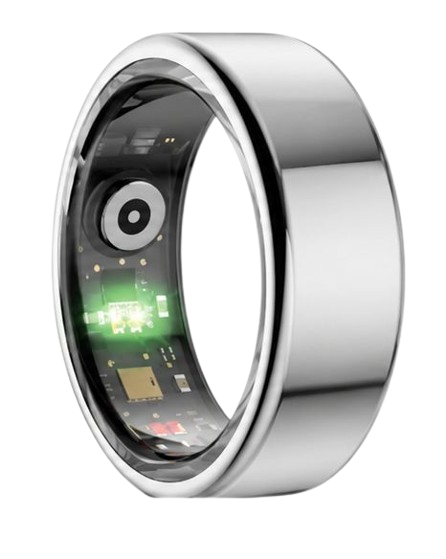
- ✓ 6-Day Battery Life
- ✓ Detailed Sleep Analysis
- ✓ Fast 1-Hour Charging
- ✓ iOS & Android Ready
Questions? Call: 1-866-479-1629
Hormonal Shifts and Your Autonomic Nervous System: Why It Feels Impossible to Sleep
During the luteal phase, the corpus luteum produces large amounts of progesterone to prepare your body for a potential pregnancy.
Progesterone normally acts as a natural sedative because it metabolizes into a compound called allopregnanolone.
Allopregnanolone binds to GABA receptors in your brain, producing a calming, anti-anxiety effect.
However, if pregnancy does not occur, your progesterone levels plunge rapidly.
This sudden withdrawal leaves your GABA receptors temporarily desensitized.
As a result, your brain loses its natural chemical shield against daily stress.
This hormonal crash explains why many women experience pms insomnia and elevated physical symptoms.
Without the soothing effects of progesterone, your sympathetic nervous system becomes highly overactive.
This overactivity triggers a state of fight-or-flight, elevating your evening cortisol levels.
Elevated cortisol is the primary culprit behind the racing heart and busy mind you experience in bed.
You may find that your mind fixates on minor worries, creating a runaway cycle of sleep anxiety.
This unique challenge requires targeted pms and sleeplessness management strategies.
Many individuals search for answers to their difficulty sleeping before period without realizing their nervous system is completely overstimulated.
If you suffer from underlying hormone imbalances, such as those seen in PCOS, these sleep disruptions can be even more pronounced.
In severe cases, the emotional drop is classified under pmdd insomnia, which requires careful clinical and biometric tracking.
The American Heart Association states that chronic sleep disruption and elevated stress hormones can put a cumulative strain on your cardiovascular health.
This highlights the vital importance of monitoring your resting heart rate and stress trends during this vulnerable phase.
Your heart must work slightly harder during the premenstrual window due to increased metabolic demands.
This hard work is reflected in a higher nocturnal resting heart rate.
When your heart rate remains elevated, your body struggles to descend into deep, restorative sleep.
Instead, you remain in lighter stages of sleep, making you highly susceptible to waking up from minor noises.
This frequent waking further reinforces your bedtime anxiety.
By identifying this pattern, you can introduce calming rituals before the physiological stress takes over.
Scientific tracking allows you to see exactly how your body responds to these calming interventions.
Our team designed the Herz P1 to make this scientific observation seamless and effortless.
You can easily view your historical trends to see if your late-cycle anxiety is improving month over month.
Decoding Sleep Architecture: How Your Heart Rate Variability (HRV) Flags Luteal Phase Stress

Sleep is not a uniform state of rest, but rather a complex cycle of distinct stages.
These stages include light sleep, deep slow-wave sleep, and rapid eye movement (REM) sleep.
The premenstrual phase causes significant pms sleep disruption, which alters this delicate balance.
Specifically, the drop in estrogen reduces the overall duration of your REM sleep stage.
Since REM sleep is critical for processing emotions, a lack of REM directly increases next-day anxiety.
Furthermore, elevated body temperature decreases your deep sleep duration, preventing physical cellular repair.
This explains why you might wake up feeling physically sore and mentally exhausted before your period starts.
To understand this deeper stress, we must look at a metric called Heart Rate Variability, or HRV.
HRV measures the microscopic time differences between your consecutive heartbeats.
A high HRV indicates a flexible, relaxed autonomic nervous system that adapts well to stress.
Conversely, a low HRV indicates that your body is locked in a state of high physiological strain.
During the late luteal phase, most women experience a noticeable drop in their baseline HRV.
This drop reflects the high load of hormonal withdrawal on your cardiovascular system.
If you are tracking these patterns, a premenstrual insomnia protocol can help you adjust your daily routines.
Many women find that wearing a women’s anxiety ring helps them identify exactly when their autonomic nervous system is under stress.
The Herz P1 Smart Ring utilizes multi-wavelength optical sensors to measure your HRV every five minutes while you sleep.
This continuous sampling provides a highly detailed profile of your overnight recovery.
You can see the direct correlation between a drop in HRV and a night of fragmented sleep.
This data takes the guesswork out of your health, showing you exactly how your cycle impacts your nervous system.
When you see your HRV drop, you know it is time to reduce your daytime exercise intensity.
Pushing through heavy workouts during a low-HRV phase only increases your evening anxiety.
Instead, prioritizing active recovery can help stabilize your autonomic nervous system.
Your body requires gentler care when its internal metabolic resources are working overtime.
Monitoring these microscopic heart signals gives you the power to make data-informed choices.
By working with your biology instead of fighting it, you can dramatically lower premenstrual tension.
The Herz P1 serves as your constant, quiet guide through these recurring physiological storms.
How to Leverage Biometric Data to Reclaim Your Nights
The power of biometric data lies in your ability to translate numbers into practical, daily actions.
When you open the Herz P1 App, you are greeted with a simplified Sleep Score and a Stress Index.
We recommend checking these trends immediately upon waking to evaluate your overnight recovery.
If your Sleep Score falls below seventy, it is a clear sign to simplify your schedule for the day.
You can also view your overnight skin temperature trends directly within the application.
A sustained spike in temperature confirms that your body is working hard in the luteal phase.
To counteract this temperature elevation, you can lower your bedroom thermostat by two degrees.
You can also switch to lighter, highly breathable bedding to prevent night sweats and awakenings.
When your Stress Index shows high evening spikes, it is crucial to avoid late-night blue light exposure.
Instead, you can engage in fifteen minutes of deep diaphragmatic breathing to stimulate your vagus nerve.
Stimulating the vagus nerve helps lower your heart rate and raise your HRV before sleep.
You will be able to see the immediate, positive impact of this breathing exercise on your night-time biometrics.
The Herz P1 is incredibly lightweight and crafted from military-grade steel for maximum comfort.
Unlike bulky wrist devices, you will barely feel it on your finger as you sleep.
This lightweight design ensures that the tracker itself never becomes a source of sleep disruption.
Continuous, comfortable wear is essential for collecting highly accurate, uninterrupted trend data.
Over several cycles, the app will map your unique hormonal baseline with incredible precision.
This personalized map allows you to predict your anxiety windows before they even begin.
You can then proactively schedule rest days and soothing activities ahead of time.
This proactive approach transforms you from a passive observer of your cycle into an active manager of your health.
Common Pitfalls: Bulky Watches and Subscription Traps
Many individuals attempt to track their sleep using traditional, bulky smartwatches.
However, these large devices frequently shift during the night, resulting in highly inaccurate readings.
The tight bands can also irritate your skin and restrict local circulation as your fingers swell.
Furthermore, the bright screens of smartwatches often light up unexpectedly, interrupting deep sleep.
This makes a heavy smartwatch counterproductive for anyone already struggling with sleep anxiety.
Another major frustration in the wearable market is the sudden rise of hidden monthly fees.
Many popular brands require you to pay an ongoing subscription just to access your own health data.
This means your initial hardware purchase is compounded by endless monthly charges.
Team Herz P1 believes that your personal health data should belong to you entirely.
That is why the Herz P1 App is completely free for lifetime, with absolutely no subscription fees.
You receive full access to every advanced metric and update without ever inputting a credit card.
Our ring is built with ultra-durable, military-grade steel to withstand the rigors of daily life.
It is completely scratch-resistant and designed to last for years of continuous wear.
With our comprehensive two-year warranty, you can track your health with absolute confidence.
We also offer a ninety-day money-back guarantee so you can test the device completely risk-free.
Choosing a smart ring should simplify your life, not burden you with fragile hardware or monthly bills.
Frequently Asked Questions
Is the Herz P1 Smart Ring waterproof?
The Herz P1 features a robust IP68 waterproof rating, making it completely safe for everyday water exposure.
You can confidently wear it while washing your hands, taking hot showers, or swimming in a pool.
It is designed to withstand continuous water submersion up to a depth of 164 feet.
You never have to worry about removing the ring during your daily cleaning routines or beach trips.
How long does the battery last?
The advanced battery inside the Herz P1 lasts up to six full days on a single charge.
This long-lasting performance is made possible by our highly optimized sensor microchip.
When it is time to recharge, the ring goes from zero to one hundred percent in under one hour.
You can easily charge it while taking a quick shower or sitting at your office desk.
Which finger is best to wear the smart ring on?
For the most accurate biometric readings, we recommend wearing the ring on your index finger.
The middle finger and ring finger are also excellent, highly reliable alternatives.
It is best to choose a finger on your non-dominant hand to minimize daily friction and wear.
Ensure the inner sensor bumps sit snugly against the underside of your finger for optimal contact.
Does the Herz P1 store my health data offline?
Yes, the Herz P1 has built-in local memory that stores up to seven days of continuous health data offline.
You do not need to keep your smartphone nearby or leave your Bluetooth on overnight.
Once you open the app, the ring will automatically sync all stored data within seconds.
This ensures you never lose a single minute of sleep or heart rate tracking.
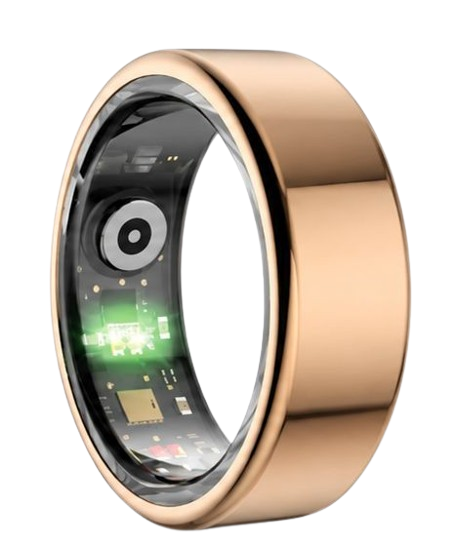
Take Control of Your Hormonal Health Today
Premenstrual anxiety and insomnia are highly challenging, but you do not have to navigate them blindly. The Herz P1 Smart Ring offers the continuous tracking, comfort, and deep biological insights you need to optimize your monthly recovery. Ready to monitor your health every day? Explore the Herz P1 Smart Ring and see if it fits your lifestyle. Call: **1-866-479-1629** — our team can help you advise on the correct ring size and set personalized health goals.
Note: Individual results may vary depending on individual health conditions, age, and lifestyle habits. This article is intended for general health reference purposes only.
