

Understanding your body’s overnight recovery begins with identifying your personal hrv sdrr normal range, a critical biometric marker that reflects autonomic nervous system resilience. Many commercial wearables struggle to capture these precise metrics, but the Herz P1 smart ring monitors your physical trends continuously from the base of your finger. By analyzing heart rhythm fluctuations during deep sleep stages, our device decodes stress signals and provides daily actionable data to help you improve your overall sleep architecture and physiological well-being without any costly monthly subscription fees.
Built to Last. Save Up to 69% Today.
The Herz P1 Smart Ring tracks HRV, Sleep, Heart Rate & SpO2 around the clock. No subscriptions. No renewals. Ever.

In This Article
- How to Measure and Improve Your HRV SDRR: A step-by-step tutorial designed to help you capture clinical-grade data from home.
- The Science of Autonomic Regulation: A comprehensive look at SDNN, SDRR, and autonomic nervous system stress markers.
- Demystifying Nocturnal Heart Data: An expert breakdown of sleep architecture and the biological meaning behind R-to-R intervals.
- Practical Application & Lifestyle Strategies: Actionable tips to naturally boost your nervous system balance and cardiovascular fitness.
- Sizing, Tracking, and Device Integrity: How to avoid reading errors and get the most out of your lifetime, subscription-free tracking app.
How to Measure and Improve Your HRV SDRR: A Step-by-Step Guide
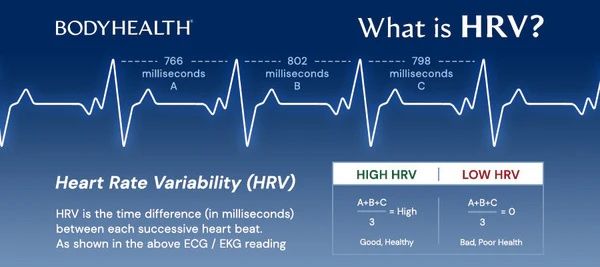
Prerequisites and Technical Requirements
To accurately capture your cardiac intervals, you must establish a highly consistent baseline environment.
You will need a high-precision biometric optical sensor capable of continuous, high-frequency overnight logging.
Consistency is vital because physical activity, caffeine intake, and environmental factors can alter your nervous system state.
Ensure that you perform your primary evaluations during restful, uninterrupted sleeping hours for the most objective data.
Step 1: Choose Your Primary Measurement Finger
Select your non-dominant index finger, middle finger, or ring finger for the most robust arterial pulse volume.
Optical sensors read blood flow fluctuations more clearly on these primary digits than on the pinky or thumb.
Make sure the sensor window of your wearable device sits flat against the palm-side base of your finger.
Keep the finger surface clean and free from heavy lotions that might block the light waves of the optical scanner.
Check that the ring fits snugly but comfortably without constricting your blood flow or causing visible skin irritation.
Step 2: Establish Your Resting Baseline
Wear your smart tracking ring consistently for a minimum of seven consecutive days without interruption.
Your body requires several days of continuous data to calculate your unique cardiovascular norms.
Avoid alcohol, intensive workouts, and heavy meals within three hours of bedtime to prevent baseline distortion.
Keep your sleeping environment at a consistent, cool temperature to protect your cardiac rhythms from thermal stress.
Log any unusual physical symptoms or emotional events in your companion app to contextualize sudden biometric shifts.
Step 3: Monitor Overnight Heart Rhythms
Allow your optical tracker to gather data continuously during your nocturnal slow-wave sleep cycles.
During deep sleep, your body naturally enters a highly structured parasympathetic state that maximizes physical recovery.
Nocturnal tracking provides the most accurate sdrr sleep hrv value because it eliminates waking movement artifacts.
Ensure your device has local offline storage so that accidental Bluetooth disconnections do not result in lost data.
Check your morning sleep reports to confirm that you achieved sufficient deep and rapid eye movement sleep.
Step 4: Analyze Your SDNN and SDRR Trends
Review your morning metrics and compare them with an established hrv scale to see where your trends align.
SDRR measures the standard deviation of all cardiac intervals, highlighting how well your heart responds to stressful events.
Look for a stable, gradual upward trend in your weekly averages as an indicator of improving physical fitness.
Do not panic over single-day drops, which are often normal responses to minor daily stressors or intense workouts.
Focus on long-term trends to evaluate whether your current recovery habits are successfully supporting your heart health.
Step 5: Apply Vagal Tone Interventions
If your daily recovery score is low, perform five minutes of slow, paced breathing at six breaths per minute.
Paced diaphragmatic breathing stimulates the vagus nerve and helps restore healthy parasympathetic balance quickly.
Incorporate moderate, low-impact exercise like walking into your weekly routine to build cardiovascular resilience naturally.
Prioritize consistent sleep-wake times to harmonize your body’s circadian rhythm and boost overnight recovery.
Stay properly hydrated throughout the day to support blood volume and maintain strong autonomic regulation.
Enhance Your Progress with Herz P1
The Herz P1 smart ring makes this entire step-by-step measurement process seamless and completely stress-free.
Our military-grade hardware tracks your overnight biometrics with clinical-grade accuracy from the base of your finger.
You do not have to worry about clunky chest straps or daily recharging cycles because our battery lasts for six days.
Explore the features of the Herz P1 smart ring to start monitoring your physical recovery journey today.

90-Day 100% Money-Back Guarantee
“The Herz Smart Ring helps me manage stress easily. It’s accurate, stylish, and lightweight—perfect for my busy life!”
— Jennifer P. | ✔ Verified Customer
- ✓ 6-Day Battery Life
- ✓ Detailed Sleep Analysis
- ✓ Fast 1-Hour Charging
- ✓ iOS & Android Ready
Questions? Call: 1-866-479-1629
The Science of Autonomic Regulation: What Your SDRR and SDNN Metrics Reveal
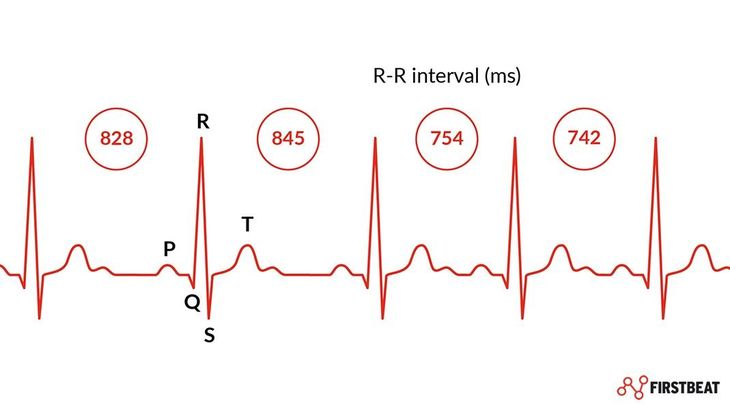
Your heart rate is not a simple metronome that beats at a static, rigid rhythm.
Instead, a healthy heart exhibits subtle variations in the time intervals between consecutive beats.
This biological phenomenon is known as variable heart rate and serves as a direct indicator of nervous system flexibility.
These subtle temporal fluctuations are measured in heart rate variability milliseconds to capture small autonomic shifts.
To quantify these intervals, researchers and biometric engineers look at time-domain metrics like SDNN and SDRR.
SDRR measures the standard deviation of all R-to-R wave intervals, representing your heart’s global adaptability.
This includes both normal beats and occasional natural ectopic beats that occur during daily activity.
SDNN is the standard deviation of only normal-to-normal sinus beats, filtering out foreign cardiac anomalies.
In practice, both metrics correlate highly and are used to evaluate your sympathetic and parasympathetic balance.
So, what does hrv tell you about your daily health and physiological stress loads?
A higher overall score indicates a resilient body that is ready to tackle physical demands and mental pressure.
A depressed score indicates that your sympathetic system is dominating, keeping your body in a persistent stress state.
According to the American Heart Association, chronic stress can keep your heart rate variations flat for long periods.
A typical sdnn hrv normal range for a healthy adult is generally between 30 and 100 milliseconds.
However, your personal normal range is unique and depends on your age, biological sex, and baseline fitness.
Understanding how is hrv calculated allows you to interpret the raw numbers on your dashboard with ease.
Most advanced smart rings use multispectral photoplethysmography to track these intervals from digital arteries.
The Herz P1 app continuously analyzes these pulses to provide clean, structured reports about your daily nervous strain.
By monitoring these autonomic trends, you can make smarter decisions about your work, rest, and exercise routines.
Demystifying SDRR Sleep HRV Value: Reading Overnight Heart Patterns
When you sleep, your brain and body undergo essential restorative and cellular repair processes.
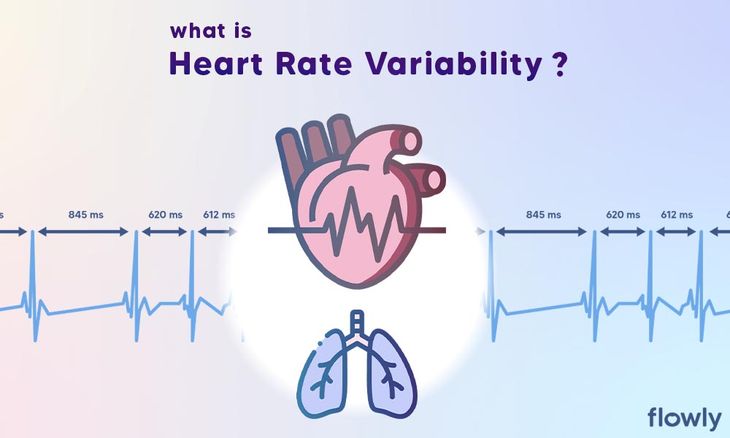
This nocturnal phase provides the perfect window to evaluate your sdrr sleep hrv value without waking physical interference.
During deep sleep, your parasympathetic nervous system should fully engage to calm your cardiovascular system.
This active calming effect results in highly variable beat-to-beat intervals and strong morning recovery scores.
If you are struggling with poor sleep quality, your overnight cardiac variations will remain suppressed and flat.
This flat response indicates that your heart did not receive the signals necessary to enter a deeply restful state.
Many health enthusiasts ask how these long-term standard deviation metrics compare to short-term parameters.
While SDRR shows global autonomic trends, RMSSD focuses tightly on rapid, parasympathetic-driven changes.
A healthy, resting hrv rmssd normal range typically spans between 20 and 50 milliseconds during quiet hours.
Waking up with an overnight average that hits an hrv 50 suggests your parasympathetic system is performing well.
This level of recovery means your body is fully prepared to handle high-intensity workouts and daily cognitive loads.
Conversely, sliding down to a persistent hrv 30 serves as an obvious signal that your body requires immediate rest.
This low score shows that mental fatigue, hard workouts, or dehydration are taxing your inner physical reserves.
The National Sleep Foundation confirms that fragmented sleep stages directly disrupt nocturnal cardiac recovery patterns.
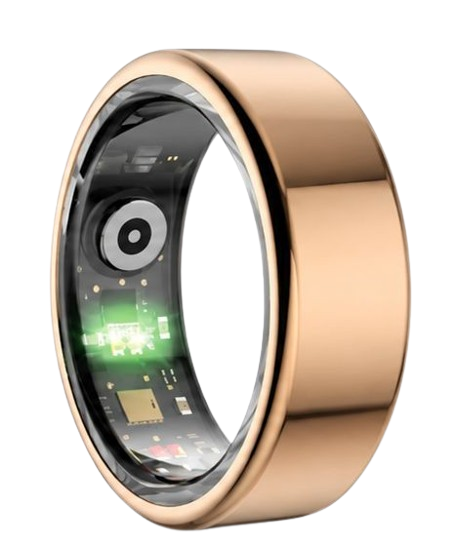
By wearing a comfortable, ultra-lightweight smart ring like the Herz P1, you can track these overnight metrics with ease.
Our multispectral PPG sensors use light waves to measure blood flow changes at the base of your finger.
This finger-based methodology delivers a clean, strong signal because digital arteries sit close to the skin surface.
The result is highly accurate nocturnal data that empowers you to manage stress and optimize sleep stages effectively.
Practical Application Guide & Lifestyle Tips
Tracking your biometric data should not feel like trying to solve a complex mathematical puzzle.
The Herz P1 companion app converts your raw cardiac signals into a single, comprehensive daily recovery score.
When you wake up, review your personal dashboard to see how your scores compare to your hrv sdrr normal range.
If your morning recovery score is high, feel confident in scheduling demanding physical tasks or high-intensity workouts.
If your scores are suppressed, pivot your focus toward deep breathing, light stretching, and going to bed earlier.
You can also use these biometrics to analyze how your daily habits impact your nervous system over time.
For instance, you might notice that eating a heavy dinner late at night reduces your overnight cardiac variations.
Similarly, adding five minutes of quiet meditation to your routine can help elevate your baseline score over several weeks.
The secret to gathering highly accurate biometric trends is wearing your sensor consistently every day.
Because the Herz P1 is incredibly sleek and comfortable, you can wear it day and night without even noticing it.
This uninterrupted wear ensures your health dashboard has the clean, continuous data needed to identify long-term trends.
Overcoming Risks & Common Mistakes
Many health-conscious individuals make the mistake of wearing heavy, bulky smartwatches to sleep.
These oversized devices frequently slip out of place as you toss and turn, resulting in highly inaccurate readings.
Additionally, bright screens and sudden wrist vibrations can wake you up and disrupt your natural sleep cycles.
A compact, lightweight smart ring provides a far more comfortable and reliable solution for overnight tracking.
Another major frustration in the wearable market is the hidden cost of ongoing application subscription fees.
Several well-known fitness rings require you to pay monthly fees just to unlock your own biometric data.
Our team at Herz P1 believes that you should never have to pay a recurring subscription to access your body’s metrics.
We provide our highly detailed companion app with absolutely zero ongoing fees for the lifetime of your device.
Furthermore, our military-grade steel construction ensures your smart ring easily survives daily knocks and scratches.
An IP68 waterproof rating means you can safely wear your ring while swimming, washing dishes, or taking a shower.
Our comprehensive two-year warranty guarantees that your physical tracking investment remains fully protected over time.
Frequently Asked Questions (FAQ)
Conclusion
Tracking your body’s recovery signals with a high-precision smart ring is a highly effective way to optimize sleep, manage stress, and build long-term wellness.
The subscription-free Herz P1 Smart Ring offers the perfect combination of military-grade materials, reliable data, and modern comfort.
Ready to monitor your health every day? Explore the Herz P1 Smart Ring and see if it fits your lifestyle. Call: 1-866-479-1629 — our team can help you advise on the correct ring size and set personalized health goals.
Note: Individual results may vary depending on individual health conditions, age, and lifestyle habits. This article is intended for general health reference purposes only.
