

Discovering that your nightly rest features an hrv 30 recovery score might initially spark worry about your cardiovascular health, yet understanding what this metric truly signals is the first step toward reclaiming your body’s natural vitality. Our clinical health research at Team Herz P1 demonstrates that while an overnight heart rate variability of thirty milliseconds is common among hard-working adults, it often serves as a valuable physiological wake-up call highlighting chronic stress, accumulation of fatigue, or incomplete sleep cycles. By utilizing the subscription-free Herz P1 Smart Ring to continuous monitor these subtle autonomic fluctuations, you can easily trace the specific daily triggers that drag your numbers down and confidently implement targeted changes to elevate your long-term wellness.
Built to Last. Save Up to 69% Today.
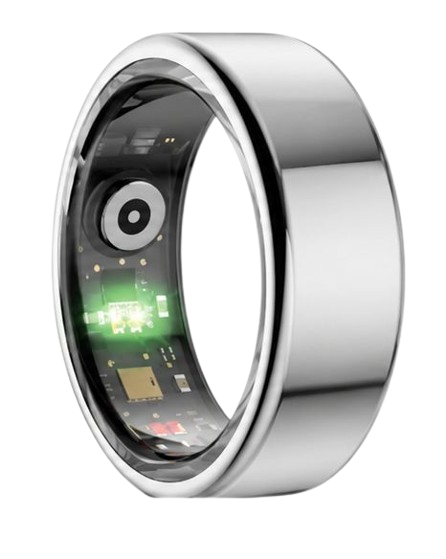
The Herz P1 Smart Ring tracks HRV, Sleep, Heart Rate & SpO2 around the clock. No subscriptions. No renewals. Ever.
In This Article
- Evaluating Your Recovery: Deciphering if a resting heart rate variability of 30ms is normal or too low.
- Autonomic Science Explained: How your nervous system controls the fluctuations in your heart rhythms during deep rest.
- The Smart Ring Advantage: Monitoring physiological signals continuously using the advanced multispectral PPG sensors of Herz P1.
- Actionable Lifestyle Protocols: Targeted steps to raise your baseline metrics and move into an optimal recovery zone.
Is an HRV of 30 Normal or Too Low for Rest? Here is What the Data Shows
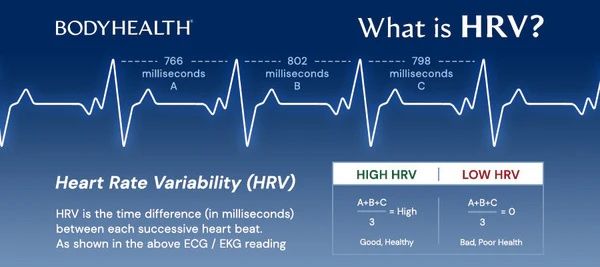
To determine if a resting value of thirty milliseconds is appropriate, we must first analyze the fundamental mechanics of Heart Rate Variability.
Heart rate variability represents the tiny, fluctuating differences in time between successive heartbeats, measured precisely in milliseconds.
These fluctuations are not random, but are instead guided constantly by your autonomic nervous system.
When you are asleep or resting, your parasympathetic nervous system should ideally take the lead, slowing your pulse and introducing more variability between beats.
If your device frequently displays a resting hrv of 30ms, it indicates that your sympathetic “fight-or-flight” pathway remains moderately active, even during your recovery periods.
For some demographics, particularly individuals over the age of fifty or those recovering from intense athletic training, thirty milliseconds is a very common baseline.
However, for a young, highly active adult, a score of thirty is generally considered lower than the demographic average and suggests incomplete physical restoration.
Understanding where this score sits on the broader hrv scale helps you move past generic assumptions and focus on your unique genetic baseline.
This is precisely where the continuous monitoring capability of the Herz P1 Smart Ring becomes an invaluable health companion.
Rather than relying on a single, isolated reading that might cause unnecessary worry, our system takes measurements every five minutes throughout the night.
This systematic collection allows you to determine if your resting numbers are stable, dropping, or steadily improving over time.
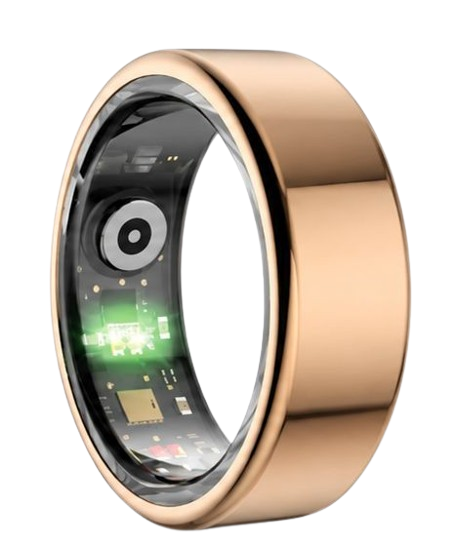
If you want to track this in real time, the Herz P1 Smart Ring monitors your autonomic health 24/7 without annoying alerts or subscription fees — explore it here.
90-Day 100% Money-Back Guarantee
“The Herz Smart Ring helps me manage stress easily. It’s accurate, stylish, and lightweight—perfect for my busy life!”
— Jennifer P. | ✔ Verified Customer
- ✓ 6-Day Battery Life
- ✓ Detailed Sleep Analysis
- ✓ Fast 1-Hour Charging
- ✓ iOS & Android Ready
Questions? Call: 1-866-479-1629
What Your HRV Score Actually Tells You — And How to Improve It
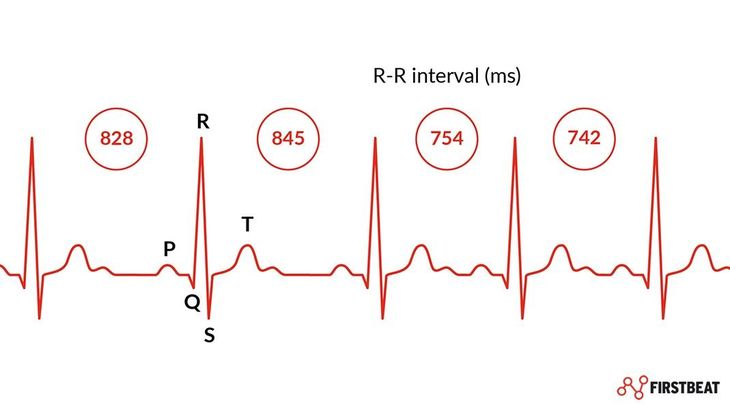
To accurately assess what is occurring when your score hovers at thirty, we must analyze the specific patterns of recovery.
Your heart rate is constantly adjusted by two opposing pathways of the autonomic nervous system.
The sympathetic nervous system acts as an accelerator, raising your heart rate in response to physical work, mental stress, or physiological challenges.
The parasympathetic nervous system acts as a brake, encouraging cellular repair, slow digestion, and deep rest.
When both systems are communicating effectively, the time intervals between your beats fluctuate dynamically, producing high variability numbers.
If you consistently observe a score of thirty, it means your sympathetic acceleration is overshadowing your parasympathetic brakes during sleep.
This persistent dominance blocks your body from entering the deepest, most restorative stages of tissue repair and cognitive consolidation.
Fortunately, you do not need to accept this score as a permanent limitation.
By observing how your daily choices shift your numbers, you can easily implement effective habits that encourage autonomic balance.
This process of self-discovery is made much simpler when you utilize the comprehensive metrics tracked by the Herz P1 Smart Ring.
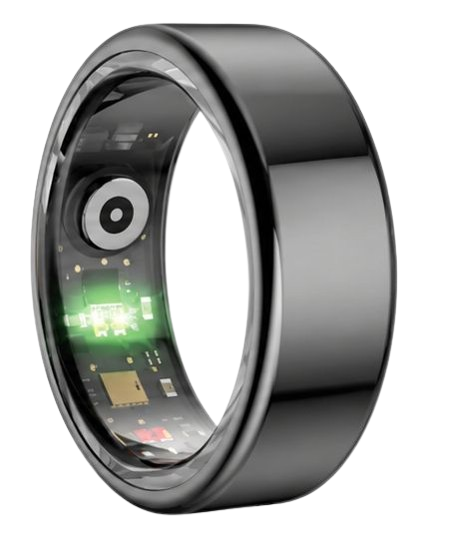
Our device uses advanced green, red, and infrared optical sensors to detect these microscopic blood flow changes at the base of your finger.
This placement provides a much stronger signal than typical wrist-bound sensors, giving you a clearer picture of your recovery journey.
By comparing your score against your natural baseline, you can track your progress as you transition from a resting score of thirty up to healthier levels.
To put this in perspective, minor physical changes can cause your score to drop temporarily to hrv 28 or hrv 29 during periods of acute exhaustion.
Conversely, positive lifestyle shifts like proper hydration or evening meditation can quickly lift your resting score to hrv 31 or hrv 32.
These small, positive shifts demonstrate that your nervous system remains adaptable and highly responsive to healthy daily choices.
Analyzing the Physiology Behind a Resting HRV of 30ms
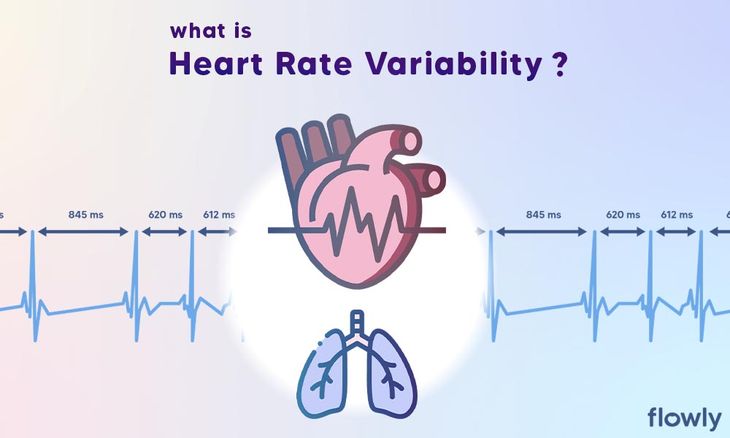
When exploring the science of a heart rate variability 30ms average, we must look at how stress hormones interact with your cardiovascular system.
When you experience mental, physical, or emotional strain, your adrenal glands release stress hormones like cortisol and adrenaline.
These chemical messengers bind to receptors in your heart muscle, keeping your pulse steady and uniform.
This biological reaction is highly beneficial during a challenging workout, but it prevents deep cellular recovery when it persists throughout the night.
A low resting variability score of thirty millisecond indicates that your body is working hard to process these stress hormones during sleep.
This ongoing strain can be caused by simple daily habits, such as eating a large meal late at night or consuming alcohol before bed.
It can also stem from overtraining, where your muscles do not receive adequate rest to fully repair between intense workouts.
In addition, chronic workplace anxiety or poor room ventilation can keep your nervous system in a state of high alert.
Understanding these subtle physiological signals is essential for protecting your long-term cardiovascular health.
Organizations like the American Heart Association emphasize that chronic autonomic stress is closely linked to elevated resting blood pressure and reduced arterial flexibility.
By identifying these trends early, you can make informed adjustments to your daily routine before minor fatigue turns into chronic exhaustion.
To help you better understand your metrics, we have compiled a reference table comparing different recovery zones.
This chart outlines where a score of thirty sits on the recovery spectrum and helps you identify your current wellness state.
| HRV Range (rMSSD) | Autonomic State Indicator | Recommended Daily Action |
|---|---|---|
| Below 25 ms | Severe Sympathetic Dominance / Acute Strain | Prioritize active rest, gentle stretching, and early sleep. |
| 25 – 35 ms | Moderate Autonomic Strain (Current HRV 30 Zone) | Incorporate breathing exercises, avoid late meals, and reduce caffeine. |
| 36 – 55 ms | Balanced Autonomic Function / Moderate Recovery | Maintain normal physical training and consistent sleep schedules. |
| Above 55 ms | Optimal Parasympathetic Dominance / High Recovery | Perfect day for peak physical performance or intense workouts. |
This helpful breakdown shows that while thirty indicates a state of moderate stress, it serves as an actionable baseline for positive change.
By focusing on consistency rather than rapid shifts, you can help your nervous system return to a more balanced and resilient state.
If you are curious about what a healthy baseline looks like for your age group, you can explore our comprehensive guide on what is a good hrv score.
This guide will help you understand where your numbers sit relative to peer averages, so you can set realistic wellness goals.
How to Use Your Herz P1 App to Optimize Low HRV Metrics
Elevating your resting numbers is a gradual process that relies on consistent habits and clear, data-informed insights.
The Herz P1 Smart Ring App simplifies this journey by translating complex cardiovascular signals into an intuitive daily Recovery Score.
When you open your dashboard each morning, you will see a clear breakdown of your HRV, resting heart rate, sleep quality, and blood oxygen levels.
If your score drops to thirty, the app will gently guide you to focus on restorative habits rather than pushing through intense physical training.
One of the most effective ways to raise your baseline numbers is by building a consistent evening routine.
Eating large meals or drinking alcohol close to bedtime forces your digestive system to work throughout the night, which lowers your recovery metrics.
By finishing your last meal three hours before sleep, you allow your heart rate to drop naturally, encouraging better autonomic balance.
Another excellent way to support recovery is by practicing slow, rhythmic breathing exercises before you turn off the lights.
Taking slow, deep breaths at a rate of six per minute naturally stimulates your vagus nerve, sending a calming signal to your heart.
This simple practice helps ease your body out of “fight-or-flight” mode and prepares your system for a night of deep, restorative rest.
Our tracking data shows that users who practice pre-sleep breathing exercises regularly often see their scores rise to optimal hrv levels within just a few weeks.
Tracking these subtle positive shifts is incredibly easy when you have a comfortable, lightweight device that you can wear all day and night.
Unlike bulky smartwatches that need to be charged every night, the Herz P1 features a long-lasting battery that fits seamlessly into your life.
This continuous tracking ensures you never miss a single minute of sleep data, helping you build a clear and complete picture of your recovery.
If you are ready to explore the science behind these biometric numbers in more depth, take a look at our guide on good hrv numbers.
This resource offers helpful insights into how lifestyle choices shape your heart rhythms, giving you the tools to take control of your wellness.
Common Pitfalls: Why Bulky Wearables and Subscription Fees Hurt Your Recovery Journey
When people discover their recovery metrics are low, they often rush to buy bulky smartwatches or trackers that require expensive monthly subscriptions.
Unfortunately, wearing a heavy, bright-screened smartwatch to bed can actually disrupt the very sleep you are trying to improve.
Large wristbands can easily snag on your sheets, and unexpected screen glare can wake you up during light sleep cycles.
Additionally, many wearable brands lock your personal health data behind ongoing monthly paywalls, adding unnecessary financial stress to your wellness journey.
At Team Herz P1, we believe that you should never have to pay a monthly fee to access your own biological information.
The Herz P1 Smart Ring provides complete, unrestricted access to your health metrics with absolutely no subscription fees — ever.
Crafted from military-grade steel, this sleek, lightweight ring is designed to be worn comfortably throughout the night without irritating your skin.
This combination of durable hardware and accessible software ensures you can focus entirely on improving your health, free from hidden costs.
Frequently Asked Questions About HRV and Herz P1
Is the Herz P1 Smart Ring waterproof enough for swimming and showering?
Yes, the Herz P1 features an IP68 waterproof rating, making it safe for continuous water exposure up to 164 feet. You can confidently wear it while swimming laps, taking a shower, washing dishes, or relaxing in a hot bath without worrying about sensor damage.
How long does the battery last on a single charge?
Our advanced energy-efficient design provides up to six days of continuous health tracking on a single charge. When the battery does run low, the ring charges fully in under an hour using the included magnetic charging cradle.
Which finger is the best option for wearing the smart ring?
For the highest accuracy, we recommend wearing the Herz P1 on your index, middle, or ring finger. These fingers have a strong pulse near the skin, allowing our optical sensors to capture clear, high-quality biometric readings.
Can the ring store my biometric data offline if my phone is disconnected?
Yes, the Herz P1 has built-in storage that safely holds up to seven days of biometric data offline. The next time your ring connects to your phone via Bluetooth, all your saved metrics will sync automatically to your app.
Conclusion
Monitoring your recovery trends with the Herz P1 Smart Ring offers a simple, powerful way to understand your body’s unique needs and support your long-term health goals.
Ready to monitor your health every day? Explore the Herz P1 Smart Ring and see if it fits your lifestyle. Call: 1-866-479-1629 — our team can help you advise on the correct ring size and set personalized health goals.
