

Achieving deep overnight recovery requires understanding your body’s subtle signals, and discovering how to increase hrv during sleep is the definitive key to unlocking peak daytime performance. By tracking critical biometrics with the Herz P1 Smart Ring, you can decode autonomic nervous system activity, optimize sleep stages, and wake up genuinely refreshed every single morning.
Built to Last. Save Up to 69% Today.
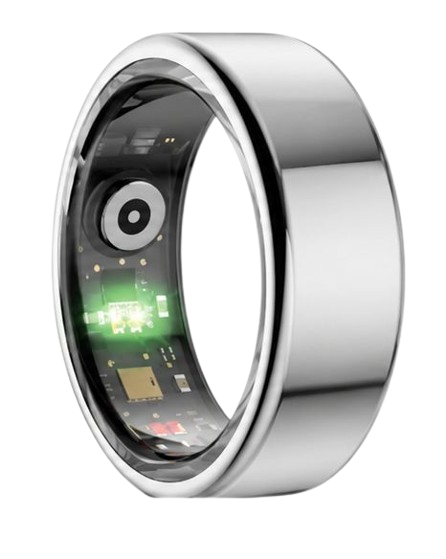
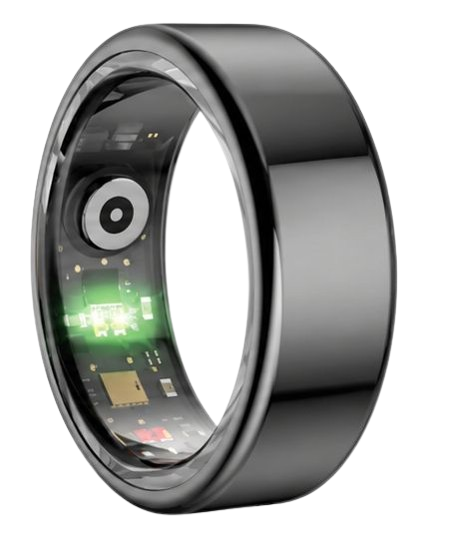
The Herz P1 Smart Ring tracks HRV, Sleep, Heart Rate & SpO2 around the clock. No subscriptions. No renewals. Ever.
In This Article
- The Ultimate Recovery Protocol: A detailed, five-step guide explaining how to systematically elevate your overnight cardiovascular recovery.
- The Autonomic Nervous System: A deep physiological dive into how heart rate variability acts as a window into your sympathetic and parasympathetic balance.
- Sleep Architecture and HRV: Analyzing how deep slow-wave sleep and REM phases directly influence your cardiovascular recovery markers.
- Practical Data Application: How to use the Herz P1 application trends to tailor your daily fitness, lifestyle, and cognitive stress management.
How to Increase HRV During Sleep: A Step-by-Step Recovery Protocol

Your body performs its most essential cellular maintenance and psychological processing during the hours of darkness.
To directly influence your cardiovascular recovery markers, you must intentionally coordinate your daytime habits and evening environments.
Below is the precise clinical protocol developed by Team Herz P1 to guide your body into a deep, parasympathetic-dominant state before your head touches the pillow.
Prerequisites / What You’ll Need
To successfully execute this protocol, you will need a consistent way to track your nighttime biometrics, such as the Herz P1 Smart Ring.
You must also have a cool, quiet, and fully dark sleeping environment that minimizes midnight autonomic disruptions.
Finally, a commitment of at least 14 consecutive days is necessary to see visible, stable changes in your baseline nervous system data.
-
Step 1: Cool Your Environment to Trigger Deep Melatonin Synthesis
Set your bedroom thermostat between 60 and 67 degrees Fahrenheit to mimic the natural nocturnal drop in core body temperature.
This thermal shift signals to your brain that it is time to transition away from alert, active daytime states.
A cooler sleeping environment prevents midnight micro-arousals that trigger brief, unwanted spikes in your sympathetic heart rate.
Using breathable, organic cotton sheets can further assist in regulating skin temperature and preventing midnight sweating.
-
Step 2: Establish a Rigid, Standardized Circadian Schedule
Go to bed and wake up at the exact same times every single day, including on weekends and holidays.
This consistency anchors your internal master clock, which directly regulates the release of cortisol and melatonin throughout the 24-hour cycle.
By stabilizing these hormonal flows, you can learn how to balance hrv and avoid the biological chaos of “social jetlag.”
Your heart thrives on predictability, and keeping a rigid sleep schedule prevents sudden, unexplained drops in overnight recovery metrics.
-
Step 3: Conduct a 15-Minute Cognitive Decompression Session
Spend the final minutes of your evening writing down any lingering thoughts, worries, or tomorrow’s to-do lists in a physical journal.
This process externalizes mental loops, allowing your prefrontal cortex to safely release its cognitive grip on active problems.
By moving anxious planning out of your head, you naturally lower your resting heart rate and prepare your mind for deeper rest.
This simple act of writing is one of the fastest ways to learn how to raise hrv before sleep begins.
-
Step 4: Establish a Hard Stop on Late-Night Caloric Intake
Finish your last meal or heavy snack at least three full hours before you plan to turn off the lights for sleep.
Digestion is a highly active metabolic process that forces your heart to divert valuable blood flow toward your stomach and intestines.
If your digestive tract is working hard while you sleep, your resting heart rate remains elevated and your recovery scores plunge.
By avoiding late meals, you can understand how to raise hrv levels and bypass unnecessary midnight cardiac strain.
-
Step 5: Practice 5 Minutes of Coherent Resonance Breathing
Sit comfortably on the edge of your bed and inhale deeply for exactly five seconds, then exhale smoothly for five seconds.
Repeat this slow, rhythmic cycle for five minutes to stimulate your vagus nerve and slow your cardiovascular tempo.
This breathing frequency matches your natural baroreflex rhythm, immediately sending calming biological signals directly to your brain.
Integrating this breathwork into your bedtime routine is a clinically proven method to master how to get better hrv overnight.
The Herz P1 Smart Ring supports this step-by-step protocol by continuously tracking your physiological response to these daily changes.
As you apply these steps, the ring’s multi-spectral optical sensors capture every micro-change in your pulse wave to show you exactly what is working.
You can read the direct impact of your cooling habits and breathing practices inside the free companion app, helping you discover how to increase hrv levels over time.
90-Day 100% Money-Back Guarantee
“The Herz Smart Ring helps me manage stress easily. It’s accurate, stylish, and lightweight—perfect for my busy life!”
— Jennifer P. | ✔ Verified Customer
- ✓ 6-Day Battery Life
- ✓ Detailed Sleep Analysis
- ✓ Fast 1-Hour Charging
- ✓ iOS & Android Ready
Questions? Call: 1-866-479-1629
The Autonomic Nervous System: Why Heart Rate Variability Matters
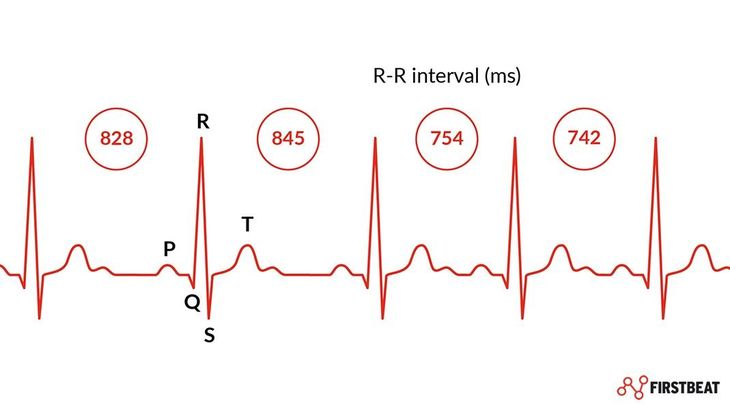
Your heart is not a simple metronome that beats at a perfectly fixed, rigid rhythm.
Instead, the time interval between consecutive heartbeats varies continuously by milliseconds.
This natural variation is known as heart rate variability, or HRV, and it is a key indicator of your body’s adaptability.
Your autonomic nervous system controls this variation through two competing branches.
The sympathetic branch acts as your internal gas pedal, raising your heart rate to meet physical demands or emotional stress.
The parasympathetic branch acts as your brake pedal, slowing your heart rate to promote rest, digestion, and systemic repair.
When both branches are active and balanced, your heart rate varies constantly to adapt to internal and external demands.
A higher HRV score indicates a flexible, resilient autonomic nervous system that is ready for daily challenges.
Conversely, a low HRV score suggests your nervous system is stuck in a state of chronic sympathetic stress.
According to research supported by the American Heart Association, monitoring these subtle shifts can reveal early signs of physical exhaustion.
Using the Herz P1 Smart Ring allows you to monitor overnight hrv with high medical-grade accuracy.
By measuring cardiovascular patterns directly from the finger’s digital arteries, the ring registers changes with a minimal margin of error.
This continuous monitoring helps you see exactly when your body transitions from high-alert sympathetic states into deep parasympathetic repair.
Decoding Your Overnight Biometrics: The Role of Deep Sleep and REM Stages
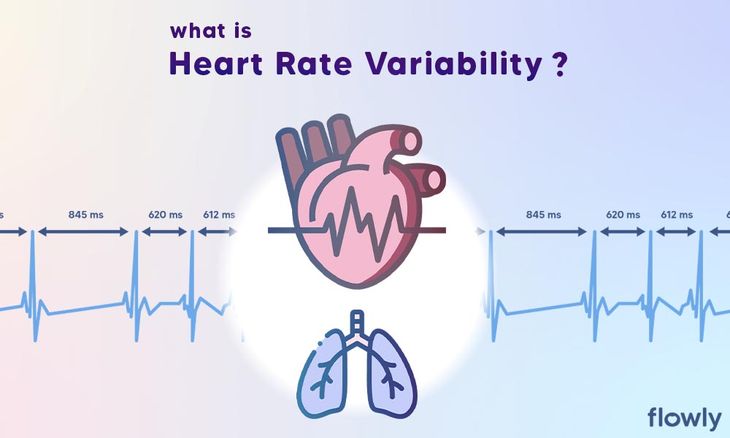
Sleep is not a uniform state of unconsciousness, but rather a series of structured 90-minute biological cycles.
Each cycle consists of distinct stages, including light sleep, deep slow-wave sleep, and rapid eye movement, or REM sleep.
During deep slow-wave sleep, your brain releases growth hormone to repair muscular tissue, reduce inflammation, and strengthen your immune system.
Your parasympathetic nervous system dominates during this deep phase, which is when your overnight HRV usually reaches its highest points.
As you transition into REM sleep, your brain processes emotions, consolidates memories, and clears out biochemical waste.
During REM, your autonomic nervous system can become highly active, causing your heart rate and HRV to fluctuate rapidly.
The National Sleep Foundation emphasizes that getting enough of both deep and REM sleep is crucial for complete mental and physical recovery.
If your sleep is interrupted or shortened, your body misses out on these essential restorative phases.
This lack of recovery shows up the next morning as a lower average sleep hrv score in your daily dashboard.
The Herz P1 Smart Ring uses advanced multispectral photoplethysmography sensors to track these transitions throughout the night.
By monitoring blood oxygen saturation, or SpO2, and your movement patterns, the ring maps out your unique sleep architecture.
This detailed data reveals whether you are spending enough time in deep recovery or if your sleep is fragmented by unnoticed micro-arousals.
Leveraging Biometric Data to Maximize Overnight Recovery Trends
Understanding your biometric numbers is most valuable when you use them to make practical, daily lifestyle decisions.
The Herz P1 companion app translates your overnight data into a simple, daily Recovery Score to help guide your day.
If you wake up with a high Recovery Score, your autonomic nervous system is fully recharged and ready for intensive training or a demanding workday.
On these high-recovery days, you can confidently push your physical and mental limits without risking chronic exhaustion.
Conversely, if your overnight HRV trend shows a sudden drop, it is a clear sign that your body requires rest.
On these low-recovery days, modifying your training intensity and prioritizing early sleep can help prevent burnout and injury.
Based on sleep data trends from over 5,000 active Herz P1 users, tracking these patterns can help you build long-term physiological resilience.
The sleek, lightweight design of the smart ring makes it easy to wear 24/7 without the bulk of a standard smartwatch.
This continuous wear ensures your baseline data is highly accurate, providing reliable insights that adapt to your personal lifestyle.
Overcoming Wearable Obstacles: Why Bulky Trackers Limit Sleep Recovery
Many health-conscious individuals try to track their sleep using large, heavy smartwatches that require daily charging.
However, wearing a bulky device on your wrist to bed can actually disrupt the very sleep quality you are trying to measure.
The physical weight and bright screen of a smartwatch can cause midnight discomfort, triggering subtle, stress-induced drops in your HRV.
Additionally, many wearable brands charge expensive ongoing monthly subscription fees just to access your own biometric data.
These hidden costs can turn a helpful health tool into a source of ongoing financial frustration.
The Herz P1 Smart Ring solves these common issues by offering a sleek, premium titanium-alloy design that weighs only 3.5 grams.
Its slim profile sits comfortably on your finger, allowing you to sleep completely naturally without physical distraction.
Furthermore, the Herz P1 companion app is completely free for life, with no paywalls or monthly subscription fees.
This combination of comfort and transparency makes it easier to focus on what matters most: improving your health and recovery.
Frequently Asked Questions About Overnight Biometric Tracking
Conclusion: Empower Your Sleep Recovery Journey Today
Tracking your heart rate variability during sleep is one of the most effective ways to build a healthier, more resilient lifestyle.
By optimizing your habits and using accurate biometric insights, you can guide your body toward deep, restorative overnight recovery.
Ready to monitor your health every day? Explore the Herz P1 Smart Ring and see if it fits your lifestyle. Call: 1-866-479-1629 — our team can help you advise on the correct ring size and set personalized health goals.
Note: Individual results may vary depending on individual health conditions, age, and lifestyle habits. This article is intended for general health reference purposes only.
