

Many sleep-deprived individuals contemplate Herz P1 smart tracking while wondering if pulling an all nighter to fix sleep schedule issues is a viable medical strategy. Clinical data indicates that sudden, extreme sleep deprivation disrupts cardiac rhythms, spikes cortisol levels, and fails to permanently reset your internal clock. Our team at Herz P1 analyzes how your body reacts to these sudden disruptions, providing real-time physiological data to guide you back to optimal recovery.
Built to Last. Save Up to 69% Today.
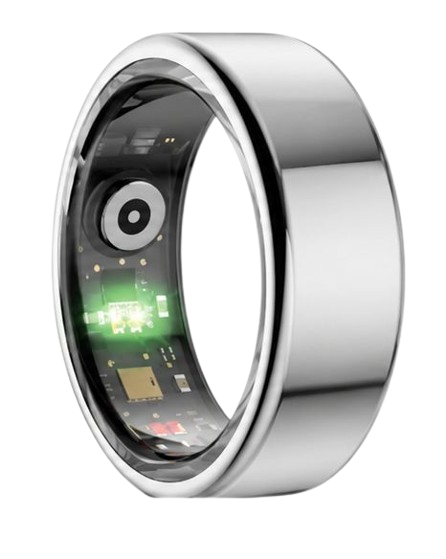
The Herz P1 Smart Ring tracks HRV, Sleep, Heart Rate & SpO2 around the clock. No subscriptions. No renewals. Ever.
In This Article
- The Truth Behind Circadian Resets: Why pulling an all-nighter is counterproductive for long-term health.
- The Physiology of Sleep Pressure: How your nervous system responds to acute sleep deprivation.
- Managing Sleep Debt: Factual guides on how to recover from systemic fatigue safely.
- Safe Biological Alignment: Smart alternatives to reset your sleep-wake schedule naturally.
Does Pulling an All Nighter Fix Your Sleep Schedule? Here’s What the Research Says
Staying awake for an entire night to reset your biological clock is a popular sleep strategy.
Many shift workers and individuals experiencing jet lag attempt this severe method.
They assume that extreme fatigue will force their bodies to sleep at a normal hour the following night.
However, clinical sleep science indicates that this practice does not permanently align your biological clock.
The master biological clock is located in the suprachiasmatic nucleus of the brain.
This microscopic region relies on consistent environmental cues rather than sudden exhaustion.
When you force yourself to stay awake, you build up high levels of homeostatic sleep pressure.
This pressure is driven by the accumulation of a chemical called adenosine in your brain.
High sleep pressure makes you fall asleep quickly, but it does not fix your underlying circadian cycle.
Clinical studies show that acute sleep deprivation actually spikes your resting cortisol levels.
According to the National Sleep Foundation, this hormonal surge can disrupt your sleep architecture for days.
The American Heart Association notes that sudden sleep deprivation also puts immense strain on your cardiovascular system.
Your blood pressure rises, and your heart rate remains elevated during the recovery phase.
These factors prevent you from achieving deep, restorative slow-wave sleep.
You might sleep for ten hours the next day, but your sleep quality remains highly fragmented.
This cycle leaves you feeling physically exhausted and mentally drained.
Attempting to force a reset through sleep deprivation is ultimately counterproductive for long-term health.
Real-time physiological tracking is essential to understand how your body reacts to sleep disruptions.
If you want to track this in real time, the Herz P1 Smart Ring monitors sleep cycles 24/7 — explore it here.
90-Day 100% Money-Back Guarantee
“The Herz Smart Ring helps me manage stress easily. It’s accurate, stylish, and lightweight—perfect for my busy life!”
— Jennifer P. | ✔ Verified Customer
- ✓ 6-Day Battery Life
- ✓ Detailed Sleep Analysis
- ✓ Fast 1-Hour Charging
- ✓ iOS & Android Ready
Questions? Call: 1-866-479-1629
The Physiology of Sleep Pressure and Your Circadian Rhythm

Your body relies on a delicate balance between homeostatic sleep drive and circadian signaling.
This system is known as the dual-process model of sleep regulation.
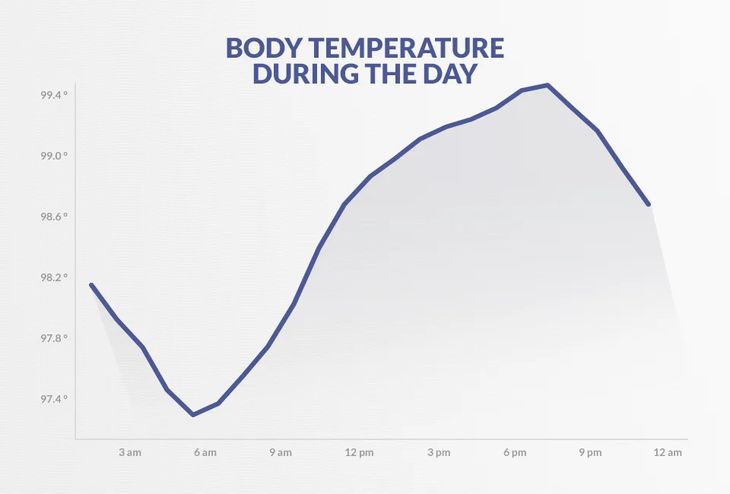
The circadian cycle coordinates your body temperature, hormone release, and active alert phases.
You can learn more about this biological process by reading about the sleep wake cycle circadian rhythm.
When you disrupt this cycle by staying awake all night, you create a profound physiological conflict.
Your brain demands sleep due to high adenosine levels, but your circadian clock signals that it is daytime.
This conflict leads to a phenomenon known as social jetlag.
During periods of acute wakefulness, your autonomic nervous system shifts into a sympathetic-dominant state.
This shift triggers a fight-or-flight response, which alters critical cardiovascular markers.
Heart rate variability (HRV) is the primary indicator of this autonomic nervous system balance.
A high HRV score indicates that your body is resilient, relaxed, and recovering well.
Conversely, a low HRV score reveals high physiological stress and systemic exhaustion.
When you stay awake all night, your HRV drops significantly and remains suppressed for up to forty-eight hours.
This sustained drop reflects the heavy physical toll of sleep deprivation on your heart.
Additionally, sleep deprivation can impact your blood oxygen saturation (SpO2) levels.
During subsequent recovery sleep, your breathing patterns can become irregular and unstable.
This instability often causes minor drops in SpO2, which further interrupts your deep sleep phases.
Traditional wrist-based trackers struggle to capture these delicate changes during active movement.
The Herz P1 Smart Ring utilizes advanced multispectral optical sensors located on the finger base.
This anatomical location contains rich digital arteries that provide highly accurate arterial pulse signals.
By capturing continuous HRV and SpO2 metrics, our ring gives you a clear picture of sleep strain.
The Long-Term Cost of Sleep Debt and Resetting Safely

Chronic sleep loss creates a cumulative deficit known as sleep debt.
Many people wonder, can you catch up on sleep after a long week of work?
Research indicates that recovering from sleep debt is far more complex than simply sleeping in.
You must understand how to catch up on sleep debt without further disrupting your circadian rhythm.
Relying on long weekend naps can actually worsen your circadian misalignment.
To manage this deficit effectively, using a digital sleep debt tracker app is highly recommended.
Some individuals attempt alternative sleeping patterns like a polyphasic sleep schedule to maximize productivity.
However, breaking your sleep into multiple short segments often deprives you of vital sleep stages.
Your body requires continuous, consolidated sleep to complete all essential phases of recovery.
These phases include deep slow-wave sleep and rapid eye movement (REM) sleep.
Deep sleep is responsible for tissue repair, muscle growth, and immune system strengthening.
REM sleep supports emotional processing, memory consolidation, and cognitive performance.
If you want to optimize your health, learning how to become a morning person through gradual adjustments is best.
Gradual adjustments preserve your sleep architecture and prevent sudden spikes in physical stress.
Shifting your bedtime by fifteen minutes each night is far safer than pulling an all-nighter.
It allows your suprachiasmatic nucleus to adapt naturally to your new schedule.
This slow approach minimizes the production of stress hormones like cortisol.
It also helps maintain a healthy, balanced heart rate variability throughout the day.
The Herz P1 Smart Ring automatically tracks your sleep architecture to show your true recovery state.
Our subscription-free companion app details your exact percentages of REM, deep, and light sleep.
This detailed data helps you make informed lifestyle choices to resolve sleep debt safely.
How to Safely Reset Your Sleep Schedule Without Extreme Deprivation
Resetting your sleep schedule requires a consistent, multi-faceted approach.
The most effective cue for your internal clock is exposure to bright morning light.
Natural sunlight signals your brain to stop producing melatonin and start producing cortisol.
You should aim for ten to fifteen minutes of outdoor light exposure immediately after waking.
Regular physical exercise also plays an important role in stabilizing your circadian rhythm.
However, you should avoid high-intensity workouts within three hours of your bedtime.
Late-night exercise elevates your core body temperature and delays melatonin release.
Meal timing is another powerful external cue for your metabolic and circadian systems.
Eating meals at the same times each day reinforces your body’s natural daily schedule.
You should avoid heavy meals, alcohol, and caffeine in the late evening hours.
These substances disrupt your sleep architecture and decrease your deep sleep percentage.
Tracking these lifestyle adjustments is easy with the Herz P1 Smart Ring.
When you open the Herz P1 App, you will see a comprehensive Daily Recovery Score.
This score combines your resting heart rate, sleep quality, and active heart rate variability.
If your recovery score is low, you should focus on gentle movement and early rest.
If your score is high, your body is ready to handle intense physical or mental tasks.
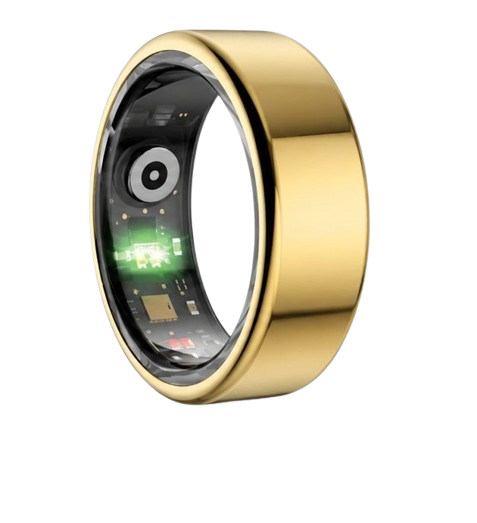
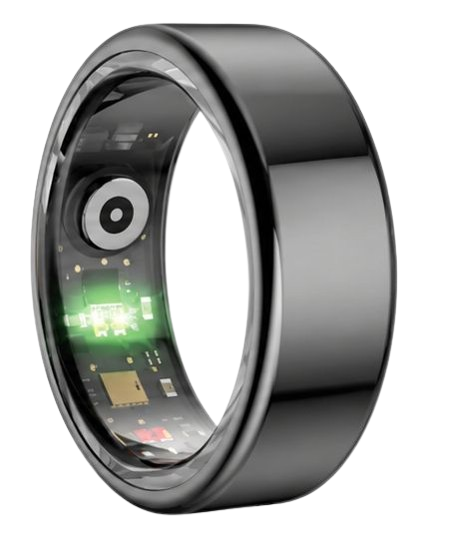
Unlike bulky watches, our ring is crafted from ultra-lightweight, military-grade steel.
It fits comfortably on your finger, allowing you to wear it all day and night without irritation.
This seamless design ensures continuous, uninterrupted biometric tracking for better health insights.
| Reset Strategy | Physiological Impact | Recommended Context |
|---|---|---|
| Gradual Bedtime Shifts | Shifts circadian phase by 15-30 minutes daily with minimal autonomic stress. | Best for mild jet lag and lifestyle optimization. |
| Bright Light Therapy | Suppresses daytime melatonin and advances morning cortisol release. | Ideal for shift workers and seasonal adjustments. |
| Strategic Fasting & Eating | Aligns peripheral metabolic clocks in the liver and gut with the SCN master clock. | Effective for crossing multiple time zones quickly. |
Biometric Monitoring Pitfalls: Smartwatches vs. Smart Rings
Many people make the mistake of wearing a heavy, bulky smartwatch to bed.
The rigid design of a smartwatch can cause physical discomfort and disrupt your sleep stages.
Additionally, smartwatches often suffer from poor battery life, requiring daily charging.
If your device is charging on your nightstand, you miss vital overnight biometric data.
The Herz P1 Smart Ring solves this problem with its lightweight, ergonomic form factor.
It weighs only a few grams, making it virtually unnoticeable on your finger during sleep.
Our ring also boasts a remarkable six-day battery life on a single charge.
You can charge the device fully in under one hour, ensuring you never miss a night of tracking.
Another common pitfall is the hidden cost of ongoing app subscriptions.
Many wearable brands require a monthly fee to unlock your own health data.
Team Herz P1 believes that you should always own your biological information.
The Herz P1 App is completely free for lifetime, with no monthly fees or hidden paywalls.
Our device is engineered from high-strength, military-grade steel for maximum durability.
It features an IP68 waterproof rating, allowing you to swim or shower without worry.
Every purchase is backed by an industry-leading two-year warranty for your peace of mind.
We also offer a ninety-day money-back guarantee so you can try the ring risk-free.
Investing in your health should be simple, transparent, and built to last.
Frequently Asked Questions About Sleep Schedules and the Herz P1
Yes, the Herz P1 features a certified IP68 waterproof rating.
It can withstand continuous water immersion up to a depth of 164 feet or 50 meters.
This protection allows you to wear the ring during swimming, showering, and handwashing.
It is resistant to both fresh water and saltwater environments.
You do not need to remove the ring when washing dishes or sweating during intense workouts.
The seamless outer shell protects the internal sensors from any moisture damage.
The Herz P1 Smart Ring provides up to six days of continuous use on a single charge.
This long battery life is achieved through highly efficient power management and low-energy Bluetooth.
When the battery runs low, you can charge it fully in less than one hour.
The magnetic charging dock is compact and easy to use on your desk or nightstand.
Rapid charging allows you to top up the battery quickly before going to bed.
This eliminates charging anxiety and ensures continuous biometric tracking.
For the best signal quality, we recommend wearing the ring on your index, middle, or ring finger.
The index finger of your non-dominant hand is generally the preferred choice.
This finger has a strong blood supply and digital arteries that are close to the skin surface.
A snug, comfortable fit ensures that the optical sensors maintain consistent contact.
The ring should not slide around too easily, as movement can introduce data noise.
It should also not feel too tight, especially since fingers expand slightly overnight.
Yes, the Herz P1 has built-in local storage that can hold up to seven days of data offline.
This means you do not need to have your smartphone near you constantly to save your metrics.
The ring will automatically sync all stored data once it reconnects to your phone’s Bluetooth.
This feature is highly useful during outdoor workouts, travel, or while sleeping in airplane mode.
Your historical trends are securely preserved on the device until the next successful synchronization.
This ensures that you never lose important insights about your heart rate, HRV, or sleep.
Conclusion
Our team at Herz P1 is dedicated to making personal bio-tracking simple, accurate, and completely transparent.
By utilizing clinical-grade sensors and daily tracking, you can safely reset your sleep cycles without putting unnecessary strain on your body.
Ready to monitor your health every day? Explore the Herz P1 Smart Ring and see if it fits your lifestyle. Call: 1-866-479-1629 — our team can help you advise on the correct ring size and set personalized health goals.
Note: Individual results may vary depending on individual health conditions, age, and lifestyle habits. This article is intended for general health reference purposes only.
