

Accumulating a massive sleep deficit leaves millions of adults feeling perpetually exhausted and searching for reliable ways on how to catch up on sleep debt to restore their mental clarity. Clinical evidence shows that chronic sleep deprivation severely impairs cognitive performance, cardiorespiratory health, and emotional resilience. At Team Herz P1, we help you understand these subtle physiological signals, using advanced biometric tracking to guide your recovery back to peak daily energy.
Built to Last. Save Up to 69% Today.
The Herz P1 Smart Ring tracks HRV, Sleep, Heart Rate & SpO2 around the clock. No subscriptions. No renewals. Ever.
In This Article
- Step-by-Step Recovery Guide: A clinical, systematic protocol to reverse sleep deficits safely.
- Can You Catch Up on Sleep?: The physiological reality of biological recovery.
- Deciphering Recovery Signals: Using advanced HRV and SpO2 biometrics to track resting parameters.
- Common Tracking Pitfalls: How to overcome bulky wearables and sleep disruption myths.
How to Catch Up on Sleep Debt: A Step-by-Step Recovery Guide

Before embarking on this recovery protocol, you should understand your current biological baseline habits.
No special medical equipment is required to begin tracking your physical recovery process.
You simply need a willingness to adjust your evening routine and maintain a consistent lifestyle structure.
A quiet, dark, and cool bedroom space is highly recommended to promote natural melatonin production.
These simple elements create the perfect environment for systematic sleep restoration.
-
Step 1: Calculate Your Cumulative Sleep Deficit
To begin your recovery, you must first determine the size of your sleep deficit.
You can learn how to calculate sleep debt by subtracting your actual sleep hours from your ideal physiological needs over the past week.
Most healthy adults require between seven and nine hours of sleep per night.
If you only slept six hours per night for five consecutive days, you have accumulated a five-hour deficit.
This cumulative loss creates a persistent load on your central nervous system.
Write down your sleep hours for the past seven days in a simple journal.
Compare this total to your baseline needs to see the exact debt you must repay.
Knowing this number allows you to plan your recovery systematically rather than guessing.
Tracking this baseline prevents you from feeling overwhelmed by unexplained daytime fatigue.
It gives you a clear target to achieve over the next two weeks.
This measurement acts as the foundation of your recovery plan.
-
Step 2: Establish a Consistent Sleep-Wake Window
Establishing a rigid sleep-wake schedule is critical for stabilizing your circadian rhythm.
You must try to go to bed and wake up at the exact same time every day.
This consistency applies to both busy workdays and relaxed weekends.
Varying your wake times by more than one hour disrupts your internal biological clock.
This disruption is often referred to as social jet lag.
Your body thrives on predictable patterns to optimize hormone release.
Cortisol should rise in the morning to promote alertness.
Melatonin should rise in the evening to facilitate sleep transition.
A shifting schedule confuses these natural hormonal signals.
Choose a realistic wake-up time that you can maintain easily.
Align your bedtime to allow for at least eight hours of rest.
Protect this window fiercely from late-night work or digital distractions.
Your nervous system will adapt to this pattern within several days.
You will find it much easier to wake up feeling refreshed.
-
Step 3: Strategically Use Short Power Naps
Power naps are highly effective tools for managing acute daytime sleepiness.
You should limit these naps to twenty minutes maximum.
Sleeping longer than twenty minutes can push your brain into deep sleep.
Waking up from deep sleep causes a groggy feeling called sleep inertia.
This grogginess can impair your cognitive function for hours.
Time your naps for the early afternoon when energy levels naturally dip.
The ideal window is typically between one and three in the afternoon.
Taking a nap after four in the afternoon can disrupt your nighttime sleep.
Find a quiet, dark environment to rest your mind.
Set an alarm to ensure you do not oversleep.
Even simple quiet rest without falling asleep provides cognitive benefits.
This practice lowers your heart rate and reduces sympathetic nervous system activity.
It acts as a temporary pressure release valve for physical fatigue.
Use this strategy to maintain high performance during demanding workdays.
-
Step 4: Optimize Your Sleep Architecture and Latency
Your recovery depends heavily on your overall sleep architecture and sleep onset speed.
This latency indicates how quickly your body transitions into sleep.
Understanding what sleep latency means helps you evaluate your nervous system state.
If you fall asleep instantly, you may be severely sleep deprived.
If you lay awake for hours, your sympathetic nervous system is likely overactive.
You can explore how long does it take to fall asleep to understand ideal physiological ranges.
The healthy target range is typically between ten and twenty minutes.
To improve this metric, establish a relaxing wind-down routine.
Dim your overhead lights one hour before bedtime.
Avoid blue light from smartphones and computer screens.
Cool your bedroom temperature to approximately sixty-five degrees Fahrenheit.
A cool environment facilitates the core temperature drop required for deep sleep.
Avoid eating heavy meals or drinking alcohol close to bedtime.
These habits fragment your sleep architecture and reduce restorative deep sleep.
Focusing on these details ensures high-quality recovery every single night.
-
Step 5: Track Recovery Metrics Daily
To monitor your progress, you need a precise sleep debt tracker app.
Manual tracking is often inaccurate due to subjective memory bias.
A reliable tracking application captures real-time physiological data.
It monitors changes in your resting heart rate and movement patterns.
This digital record reveals trends that you might otherwise miss.
Look for applications that analyze deep sleep and REM sleep ratios.
A healthy balance of these stages is essential for complete restoration.
Review your tracking data weekly to identify persistent recovery patterns.
Correlate your daily subjective energy with your objective sleep metrics.
Adjust your bedtime routine based on these data insights.
Consistent tracking removes the guesswork from your wellness routine.
It empowers you to make proactive decisions for your long-term health.
This systematic feedback loop is vital for long-term lifestyle success.
Use these digital tools to build a highly optimized recovery schedule.
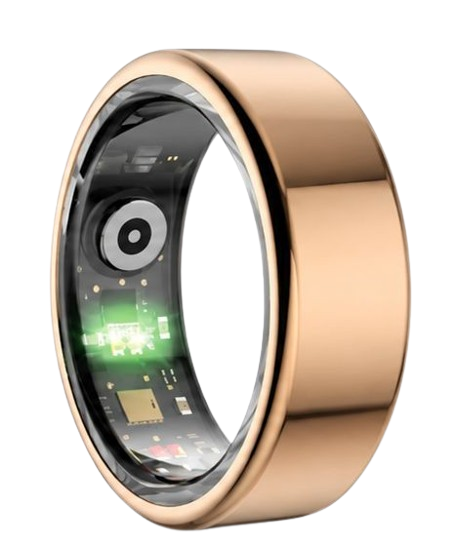
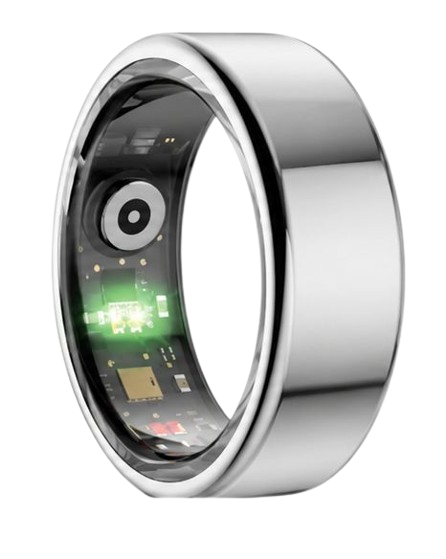
The Herz P1 Smart Ring supports this recovery journey by tracking your daily biometrics continuously.
It fits comfortably on your finger to monitor your recovery without waking you up.
The companion app tracks your sleep cycles with highly sensitive optical sensors.
It operates completely without expensive monthly subscription fees or recurring costs.
This means you have permanent, lifetime access to your personalized sleep data.
The military-grade steel construction ensures long-term durability and peace of mind.
You can explore the Herz P1 Smart Ring to elevate your sleep hygiene today.
90-Day 100% Money-Back Guarantee
“The Herz Smart Ring helps me manage stress easily. It’s accurate, stylish, and lightweight—perfect for my busy life!”
— Jennifer P. | ✔ Verified Customer
- ✓ 6-Day Battery Life
- ✓ Detailed Sleep Analysis
- ✓ Fast 1-Hour Charging
- ✓ iOS & Android Ready
Questions? Call: 1-866-479-1629
The Physiological Reality: Can You Catch Up on Sleep Debt?

Many people ask if they can you catch up on sleep after a demanding workweek.
The answer is scientifically complex and depends on your current cardiovascular health.
Research indicates that while you can reduce acute fatigue, you cannot erase chronic damage easily.
The National Sleep Foundation warns that sleep loss impacts your body on a deep cellular level.
Sleeping in on the weekend may help you feel temporarily refreshed.
However, it does not fully restore cognitive speed and focus.
This reality exposes the common catching-up-on-sleep-myth that many professionals rely on.
A single long sleep session cannot repair days of accumulated systemic stress.
Your brain requires consecutive nights of structured sleep to recover fully.
The American Heart Association connects chronic sleep loss with elevated cardiovascular risks.
These risks include chronic high blood pressure and increased arterial stiffness.
Sleep deprivation also elevates systemic inflammation markers throughout your vascular system.
This physiological strain continues even if you feel alert after a long weekend nap.
Therefore, consistency is far more important than sporadic binge sleeping.
Consistent daily sleep patterns allow your body to heal and repair itself.
This systematic approach is the only way to reverse a long-term deficit.
Relying on weekend sleep-ins is a temporary band-aid for a chronic problem.
Instead, focus on gradual recovery by extending your nightly sleep by thirty minutes.
This methodical approach protects your heart and brain from chronic strain.
It ensures that your body enters deep, restorative sleep stages consistently.
Clinical Consequences of Sleep Deficits
Chronic sleep loss triggers a cascade of negative physiological events inside your body.
It impairs your immune system and reduces your resistance to common infections.
Your metabolic rate slows down and insulin sensitivity decreases.
This change increases your long-term risk of developing type two diabetes.
The brain also struggles to clear toxic metabolic waste products during short sleep cycles.
This waste accumulation is linked to progressive neurodegenerative conditions over time.
Your emotional regulation suffers, leading to increased anxiety and irritability.
This mental strain affects your professional performance and personal relationships.
Your reaction times slow down to levels comparable to mild alcohol intoxication.
This impairment increases the risk of accidents during daily commuting.
Your cardiovascular system remains under constant sympathetic stress.
Your blood vessels do not receive the rest they need to repair.
These combined effects demonstrate why prioritizing sleep is a non-negotiable necessity.
You must treat sleep as a fundamental pillar of your health.
Failing to do so compromises every other aspect of your wellness journey.
Tracking these subtle changes helps you intervene before damage occurs.
The Myth of Weekend Catch-up
Many busy professionals believe they can fix a sleep deficit on Saturday.
This approach actually creates a cycle of sleep disruption.
Sleeping late on weekends delays your internal circadian clock.
This delay makes it harder to fall asleep on Sunday night.
You begin the new workweek already feeling exhausted.
This phenomenon is known as the Sunday night insomnia trap.
It perpetuates a destructive cycle of sleep deprivation.
Your body cannot store extra sleep like a bank account.
It requires daily restoration to function at its highest level.
Weekend catch-up sleep only masks the symptoms of chronic fatigue.
It does not address the underlying physiological deficits.
Studies show that cognitive performance remains impaired despite weekend sleep.
Your focus, memory, and decision-making abilities remain compromised.
To break this cycle, you must aim for steady daily rest.
Even a consistent seven hours is better than fluctuating extremes.
Protect your biological clock to ensure reliable daytime performance.
This shift in perspective is crucial for sustainable energy restoration.
Deciphering Your Body’s Recovery Signals: HRV and SpO2 Tracking
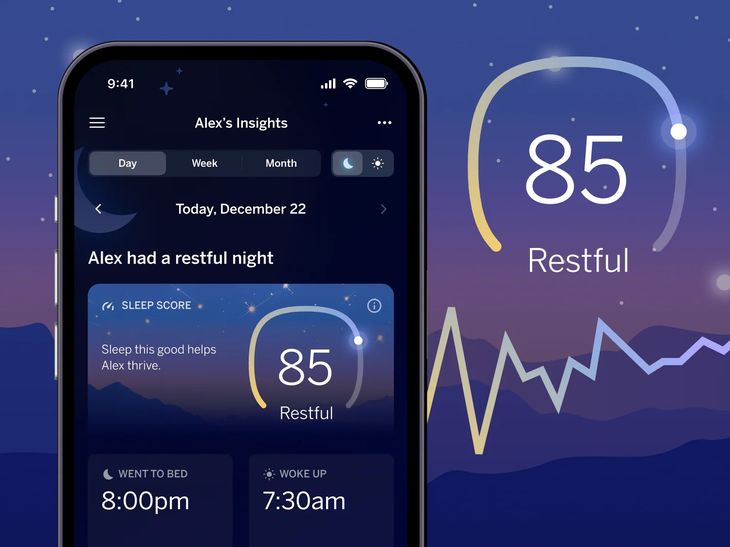
Your body constantly broadcasts subtle signals about its current recovery state.
Biometric tracking technology allows you to decode these complex physiological messages.
Heart rate variability, or HRV, is one of the most reliable recovery metrics.
HRV measures the tiny variations in time between each consecutive heartbeat.
A high HRV indicates that your autonomic nervous system is highly adaptable.
This state shows that your body is resting, recovering, and managing stress well.
Conversely, a low HRV indicates that your nervous system is in a stressed state.
This low reading means you are likely overtrained or severely sleep deprived.
Monitoring these trends helps you adjust your daily activity levels.
Another critical recovery metric is blood oxygen saturation, or SpO2.
SpO2 measures the percentage of oxygen-carrying hemoglobin in your blood.
A normal reading during sleep should remain between ninety-five and one hundred percent.
Sustained drops in SpO2 during the night can indicate breathing disruptions.
These drops compromise your sleep quality and prevent deep recovery.
They force your heart to work harder during what should be a rest period.
Tracking SpO2 reveals if your bedroom environment is impacting your breathing.
It provides a clear picture of your respiratory health during sleep.
By analyzing HRV and SpO2 together, you gain a complete view of your health.
This multi-metric approach ensures you never miss a warning sign.
It helps you make data-informed lifestyle adjustments with confidence.
Sleep Stages and HRV Interactions
Your HRV fluctuates naturally as you move through different sleep stages.
During deep sleep, your parasympathetic nervous system becomes highly active.
This activation causes your heart rate to slow down significantly.
Your HRV typically rises during these deep, restorative periods.
This stage is when physical tissue repair and muscle growth occur.
During REM sleep, your brain activity increases to near-waking levels.
Your heart rate and blood pressure can become highly erratic.
This stage is critical for cognitive processing and emotional memory integration.
If your sleep is fragmented, you miss these vital physiological transitions.
Your overnight average HRV will remain depressed as a result.
This low average indicates that your body did not fully recover.
You will likely wake up feeling unrefreshed and mentally fatigued.
Monitoring these staging interactions reveals the true depth of your rest.
It shows you if your sleep is truly restorative or merely passive.
Use this deep data to refine your evening wind-down habits.
This alignment is the key to unlocking consistent daily vitality.
SpO2 as a Recovery Indicator
Oxygen delivery is the foundation of all cellular energy production.
If your SpO2 drops during the night, your recovery stalls.
Your cells cannot produce energy efficiently without adequate oxygen levels.
This oxygen deficit triggers a mild survival response in your brain.
Your brain briefly wakes you up to restore normal breathing.
You may not remember these brief awakenings the next morning.
However, they disrupt your sleep architecture and ruin your sleep quality.
You lose precious time in deep sleep and REM sleep stages.
Tracking SpO2 trends helps you identify these silent recovery killers.
It alerts you to potential issues like sleep apnea or poor room ventilation.
Correcting these issues can dramatically improve your daily energy levels.
You will notice a direct correlation between stable SpO2 and waking clarity.
This metric is an essential piece of the sleep debt puzzle.
Do not ignore subtle drops in your overnight oxygen trends.
Use this data to advocate for your long-term respiratory health.
How to Leverage Smart Ring Biometrics for Sleep Debt Recovery
Recovering from sleep debt requires an active, data-driven approach.
The Herz P1 Smart Ring companion app simplifies this tracking process.
Each morning, open the app to view your comprehensive Sleep Score.
This score is calculated based on your total sleep duration.
It also incorporates your sleep stages, HRV, and movement levels.
If your Sleep Score is low, prioritize active recovery that day.
Reduce the intensity of your workouts to protect your nervous system.
Focus on gentle activities like walking, yoga, or light stretching.
If your Sleep Score is high, your body is ready for challenge.
This is the perfect day to push your physical training limits.
The slim design of the Herz P1 allows for comfortable all-day wear.
Unlike bulky smartwatches, it does not interfere with your movements.
You will quickly forget you are wearing it, even during sleep.
This comfort ensures continuous, uninterrupted data collection around the clock.
Continuous monitoring is essential for identifying subtle long-term health trends.
You can use these trends to build highly personalized lifestyle habits.
The app also provides tailored recommendations based on your unique data.
These insights help you make smarter decisions about your health daily.
This daily guidance acts as a virtual health coach on your finger.
Embrace this technology to take complete control of your recovery journey.
Debunking Sleep Myths: Why One All-Nighter Can’t Be Fixed Overnight
Many people mistakenly believe they can quickly erase a severe sleep deficit.
They try pulling an all nighter to fix sleep schedule after a period of disruption.
This dramatic approach actually inflicts further damage on your circadian rhythm.
It forces your body into a state of extreme physiological stress.
Your cortisol levels spike, making subsequent sleep even more fragmented.
Another common mistake is wearing a heavy, bulky smartwatch to bed.
These large devices often cause discomfort and disrupt your natural sleep.
They can pinch your skin or glow brightly during the night.
This sensory stimulation prevents your brain from entering deep sleep states.
Furthermore, many wearable brands charge high monthly subscription fees.
These hidden costs can make health tracking frustratingly expensive over time.
The Herz P1 Smart Ring offers a highly elegant alternative solution.
Its ultra-lightweight, military-grade steel construction ensures complete overnight comfort.
You can track your biometrics without any annoying physical distractions.
Most importantly, the Herz P1 App is completely free for lifetime.
You never have to worry about locked features or surprise renewals.
This transparent model allows you to focus entirely on your health.
You receive comprehensive sleep analysis without any ongoing financial burden.
This makes the Herz P1 a highly reliable long-term wellness partner.
Avoid the traps of bulky hardware and expensive monthly subscription models.
Choose a streamlined, cost-effective tracker designed with your comfort in mind.
Frequently Asked Questions
Is the Herz P1 Smart Ring waterproof?
Yes, the Herz P1 is fully IP68 waterproof, certified up to one hundred sixty-four feet.
You can wear it while swimming, showering, or washing your hands.
This durability makes it perfect for active, worry-free daily wear.
How long does the battery last?
The battery lasts up to six days on a single charge.
It utilizes low-energy Bluetooth technology to conserve power.
A full recharge takes under one hour using the magnetic charger.
This rapid charging minimizes tracking gaps in your daily data.
Which finger is best to wear it on?
We recommend wearing the ring on your index or middle finger.
These fingers provide the strongest blood flow for optical sensors.
The ring should fit snugly but remain comfortable throughout the day.
Ensure the sensor bumps remain in contact with the palm side of your finger.
Does the Herz P1 store data offline?
Yes, the ring features seven days of local data storage.
Your biometrics are safely recorded even if your phone is away.
The data syncs automatically once you open the companion app.
This feature ensures you never lose valuable sleep or activity records.
Conclusion
Restoring energy requires a patient, data-informed strategy.
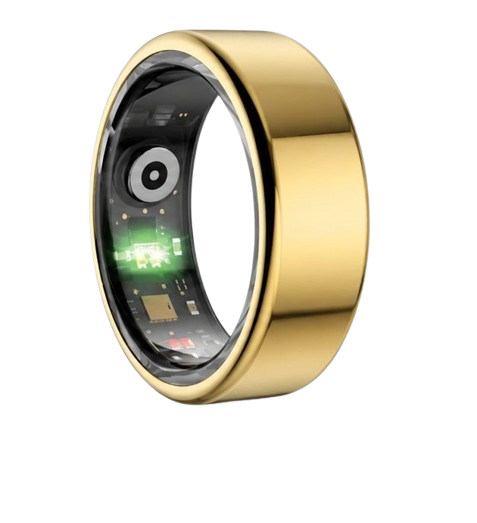
The Herz P1 Smart Ring provides precise biometric insights to help you eliminate sleep debt and rebuild vitality.
Ready to monitor your health?
Explore the Herz P1 Smart Ring today.
Call: 1-866-479-1629 — our team can help advise on the correct ring size.
Note: Individual results may vary depending on individual health conditions, age, and lifestyle habits. This article is intended for general health reference purposes only.
