

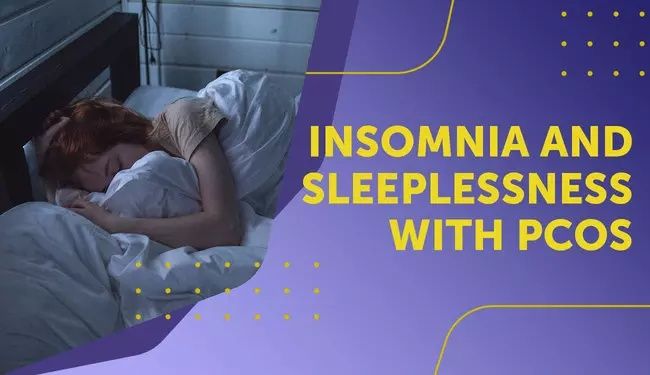
According to endocrine studies, nearly three-quarters of women with Polycystic Ovary Syndrome face chronic sleep disturbances, proving that pcos insomnia is a complex physical challenge rather than a simple night of poor sleep. At Herz P1, our goal is to help you decode these critical hormonal signals and physiological shifts using advanced, subscription-free biometric tracking. By reading overnight resting heart rate, blood oxygen levels, and circadian fluctuations, we help you understand exactly why your rest is fragmented and how to naturally optimize your recovery every single day.
Built to Last. Save Up to 69% Today.
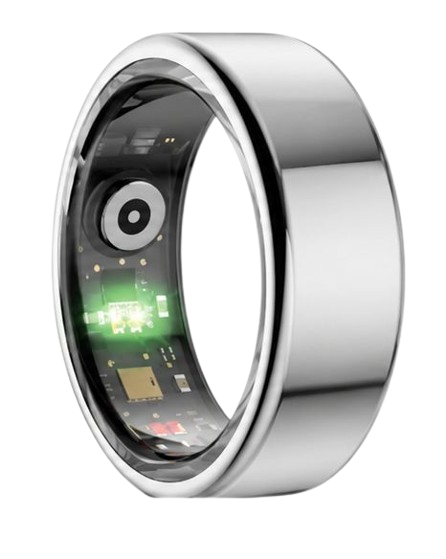
The Herz P1 Smart Ring tracks HRV, Sleep, Heart Rate & SpO2 around the clock. No subscriptions. No renewals. Ever.
In This Article
- Biometric Action Guide: A step-by-step methodology to address hormonal sleep struggles naturally.
- Endocrine Deep-Dive: Discover exactly how hormonal shifts, metabolic changes, and insulin resistance disrupt your sleep stages.
- Oxygen and Airway Mechanics: Why physical throat closure and night sweat events occur in individuals with Polycystic Ovary Syndrome.
- Smart Recovery Analysis: Learn how to read your biometric feedback curves and optimize daily habits.
How to Resolve PCOS Sleep Disturbances: A Step-by-Step Biometric Guide
To implement this natural bio-tracking routine, you will need a reliable way to monitor daily and nightly biomarkers.
Consistent schedule planning, nutritional awareness, and stress management tools are also highly recommended.
Our biometric insights are derived from analyzing raw data such as autonomic activity and skin temperature variance.
By executing the steps below, you can address metabolic and circadian imbalances to restore deep rest.
-
Step 1: Stabilize Your Daily Blood Glucose Curve
Insulin resistance is a primary driver behind overnight awakenings and sleep disruptions in Polycystic Ovary Syndrome.
When blood sugar spikes and crashes rapidly during the evening, your body produces cortisol to stabilize glucose levels.
This nocturnal cortisol surge mimics an alarm clock, waking you up abruptly in the middle of the night.
Try to consume a balanced, high-protein dinner and avoid consuming refined carbohydrates within three hours of bedtime.
You should track your morning resting heart rate to see how late-night digestion affects your baseline metabolic strain.
-
Step 2: Sync Your Routine with Basal Body Temperature Shifts
Progesterone deficiency often prevents the necessary nightly drop in core body temperature required for deep sleep.
Hormonal variations can disrupt your natural thermoregulation, causing nighttime hot flashes and restless tossing.
Keep your sleeping environment cool, aiming for an ambient temperature between 60 and 67 degrees Fahrenheit.
You can identify these physiological shifts by observing subtle nightly skin temperature variations in your wellness app.
Consistently cooling your bedroom environment can help offset these underlying hormonal shifts and preserve slow-wave deep sleep.
-
Step 3: Track and Elevate Nightly Heart Rate Variability (HRV)
Chronic autonomic nervous system imbalance keeps your heart rate elevated and your HRV suppressed during sleep.
To offset this elevated sympathetic drive, practice resonance frequency breathing for ten minutes before falling asleep.
Slow, deep breathing helps activate the vagus nerve and transition your nervous system into a restorative parasympathetic state.
Check your sleep dashboard every morning to see if your HRV recovery curve exhibits a healthy upward trend.
A rising HRV score indicates that your nervous system is successfully adapting to stress and entering deep sleep phases.
-
Step 4: Align Melatonin Cycles with Strategic Light Exposure
Circadian rhythm disruption is highly common in individuals dealing with complex reproductive hormone imbalances.
Expose your eyes to bright natural sunlight for ten to fifteen minutes immediately upon waking to set your internal clock.
At night, block disruptive blue light emissions from digital devices at least two hours before attempting to sleep.
This simple light transition encourages your pineal gland to produce adequate melatonin levels for easy sleep onset.
Consistent daily light schedules help stabilize your circadian cycles and reduce sleep-onset latency over time.
-
Step 5: Reduce High Late-Night Androgens and Cortisol
Elevated levels of adrenal androgens keep your brain in a state of high alertness and hyperarousal.
Engage in calming wind-down practices such as gentle stretching, journaling, or reading a physical book under warm light.
Avoid high-intensity aerobic exercise or stressful work emails during the late evening to keep cortisol levels low.
Reducing cognitive and physical stimulation directly lowers your resting heart rate before your head hits the pillow.
Consistently tracking these physical stress metrics will reveal how evening relaxation directly improves overall sleep scores.
The Herz P1 Smart Ring provides the precise, ongoing biometric data needed to monitor these lifestyle adjustments.
By tracking your resting heart rate, HRV, skin temperature, and sleep cycles, our ring shows you exactly what habits work.
You can seamlessly check your historical wellness trends on our free app without ever paying a monthly subscription fee.
To see how tracking can transform your recovery, explore the Herz P1 Smart Ring today and take control of your nightly rest.

90-Day 100% Money-Back Guarantee
“The Herz Smart Ring helps me manage stress easily. It’s accurate, stylish, and lightweight—perfect for my busy life!”
— Jennifer P. | ✔ Verified Customer
- ✓ 6-Day Battery Life
- ✓ Detailed Sleep Analysis
- ✓ Fast 1-Hour Charging
- ✓ iOS & Android Ready
Questions? Call: 1-866-479-1629
Understanding the Endocrine Disruptions: Can PCOS Cause Insomnia?
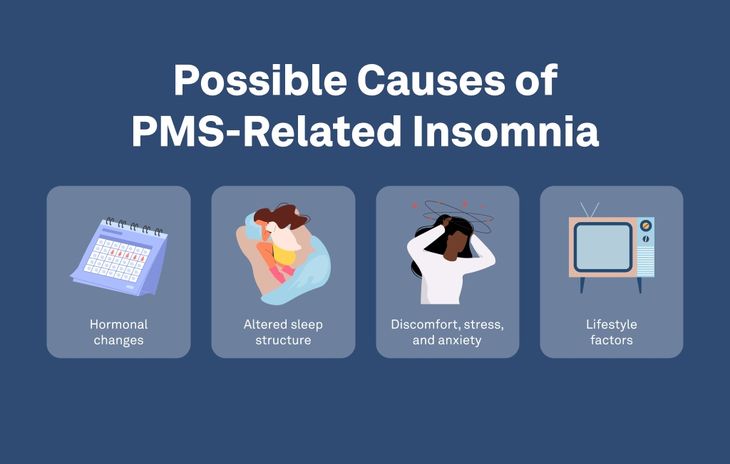
Many women wonder, can pcos cause insomnia, and the clinical answer is a resounding yes.
Polycystic Ovary Syndrome involves a complex web of hormonal imbalances that directly disrupt the brain’s sleep-wake cycle.
When luteinizing hormone and insulin levels are chronically elevated, estrogen and progesterone levels become highly erratic.
This chronic hormonal imbalance frequently leads to pcos and sleep disturbances that leave women feeling completely exhausted.
A classic symptom of these fluctuating luteal hormones is the occurrence of highly intense, memorable dreams during the night.
These elevated hormones and vivid dreams prevent the brain from settling into deep, restorative phases of sleep.
Furthermore, imbalances in estrogen and vivid dreams can trigger sudden micro-arousals that cause frequent night awakenings.
Without stable progesterone to act as a natural sedative, the nervous system remains in a persistent state of hyperarousal.
This lack of progesterone makes it incredibly difficult for the body to transition smoothly into deep, slow-wave recovery.
Many women note that this sleeplessness mirrors standard pms insomnia but is far more chronic in nature.
While typical premenstrual insomnia lasts only a few days, PCOS-driven sleep loss can persist throughout the entire month.
It is not uncommon for women to experience intense difficulty sleeping before period dates due to these underlying deficits.
Understanding why do i get insomnia before my period can help you address the root metabolic and endocrine issues.
By tracking your heart rate variability and nightly skin temperature, you can map these hormonal fluctuations with extreme accuracy.
This continuous data allows you to anticipate hormonal shifts and modify your evening routine to protect your sleep.
Nocturnal Stress and Breathing Issues: Sleep Fragmentation in PCOS

Beyond hormonal fluctuations, metabolic complications play a critical role in sleep fragmentation for those with PCOS.
Insulin resistance and elevated androgens are closely linked to a higher risk of nocturnal airway collapse and sleep apnea.
This airway obstruction causes sudden drops in blood oxygen saturation, triggering a survival response from your brain.
Your brain releases a burst of adrenaline to reopen your airway, which elevates your heart rate and wakes you up instantly.
These silent awakenings disrupt your sleep architecture, keeping you trapped in light sleep stages rather than deep sleep.
Without sufficient deep sleep, your body cannot repair muscle tissue, clear metabolic waste, or balance key hormones.
This creates a vicious cycle, as sleep deprivation worsens insulin resistance and further elevates male hormone production.
National Sleep Foundation studies confirm that addressing underlying breathing issues can dramatically improve metabolic health markers.
Using a high-precision smart ring allows you to monitor your blood oxygen saturation (SpO2) continuously throughout the night.
A drop in SpO2 levels combined with sudden heart rate spikes can help identify potential airway issues early on.
Our Herz P1 Smart Ring tracks your blood oxygen levels with an incredibly low margin of error under 2%.
Having access to this detailed physiological data helps you make informed choices and seek professional medical guidance when needed.
How Metabolic Stress Impacts HRV and REM Sleep
Your heart rate variability, or HRV, is a direct indicator of your autonomic nervous system’s current state.
A low night-time HRV score indicates that your sympathetic fight-or-flight nervous system is working overtime.
Hormonal stress in PCOS often keeps the body in a state of mild physical stress even during deep rest.
This physical strain reduces the duration of your rapid eye movement, or REM sleep, which is critical for emotional processing.
A lack of REM sleep can leave you feeling mentally foggy, anxious, and emotionally drained the following morning.
Monitoring your HRV recovery curves allows you to see how your body responds to dietary and lifestyle changes over time.
Our data-driven insights show that optimizing evening nutrition can raise overnight HRV scores within just a few weeks.
How to Use Herz P1 Biometrics to Guide Your Daily Wellness Routines
The Herz P1 Smart Ring operates as your private, round-the-clock wellness companion and physical data center.
Every morning, you can open our intuitive mobile app to review a comprehensive breakdown of your sleep quality scores.
Our app categorizes your night into deep sleep, REM sleep, light sleep, and awake periods to show your trends.
By reviewing your skin temperature variations, you can predict cycle phases and adjust your daily physical exercise intensity.
If you observe a sudden drop in your nightly HRV, it is a clear sign to prioritize active recovery and light stretching.
If your sleep score is high and your heart rate is low, your body is ready to handle a more challenging workout.
The lightweight, seamless ring design makes it incredibly comfortable to wear 24/7 without causing skin irritation.
Its military-grade steel construction ensures it remains completely undamaged during intense weightlifting sessions or daily chores.
By wearing the ring continuously, you establish an accurate baseline that helps customize your wellness recommendations.
The following table illustrates the key biomarkers tracked by Herz P1 and how they relate to sleep quality:
| Biomarker | Sleep Insight | PCOS Relevance |
|---|---|---|
| Heart Rate Variability (HRV) | Measures stress and recovery states. | Identifies sympathetic hyperarousal from hormonal stress. |
| Blood Oxygen (SpO2) | Tracks overnight oxygen saturation levels. | Flags potential sleep apnea risks linked to insulin resistance. |
| Skin Temperature | Detects minute body temperature shifts. | Maps luteal phase trends and identifies hormone-driven night sweats. |
Ditching the Wrist: Overcoming Common Biometric Tracking Pitfalls
Many people try to track their sleep using bulky smartwatches, which can actually cause more sleep disruptions.
Large, heavy watches often press uncomfortably into your skin and glow brightly when you roll over at night.
These physical disruptions can pull you out of deep sleep, defeating the entire purpose of tracking your rest.
Furthermore, smartwatches must be charged daily, which means they often sit on a charger instead of tracking your sleep.
Another major frustration is the hidden cost of ongoing monthly subscription fees required by many wearable brands.
Some popular smart rings charge high monthly fees just to allow you to see your own biometric history.
We believe that you should never have to pay a recurring fee to access your personal health data.
The Herz P1 Smart Ring app is completely free for life, with absolutely zero subscription fees or hidden costs.
Our physical ring provides high-accuracy biometric tracking wrapped in a sleek, zero-distraction form factor.
With a six-day battery life, you can wear the ring continuously without worrying about constant recharging cycles.
Frequently Asked Questions About PCOS, Insomnia, and Smart Rings
Is the Herz P1 Smart Ring completely waterproof?
Yes, the Herz P1 Smart Ring features a premium IP68 waterproof rating, certifying protection up to 164 feet.
You can wear it comfortably while swimming, showering, washing your hands, or sweating during intense workouts.
The hermetic seal completely prevents water from entering the ring or damaging the internal sensor array.
How long does the battery last and how fast does it charge?
The high-performance battery lasts up to six days on a single charge under standard 24/7 monitoring conditions.
It charges from zero to one hundred percent in under one hour using the included magnetic charging cradle.
This rapid charging capability allows you to easily charge the ring during a quick morning shower.
Which finger is best to wear the smart ring on?
The index, middle, or ring finger of your non-dominant hand is ideal for tracking accurate biometric data.
The blood vessels are highly accessible in these areas, ensuring optimal optical sensor reading quality.
Ensure the inner sensor bumps sit snugly against the palm side of your finger for the best results.
Does the Herz P1 store my health data offline?
Yes, the ring features up to seven days of local storage to keep your health data completely secure offline.
You can sleep, travel, or exercise without your smartphone and sync your data later when convenient.
Once you open the companion app, your stored biometric data will transfer automatically via Bluetooth.
Conclusion
Managing PCOS insomnia starts with decoding your unique physiological trends and hormonal shifts.
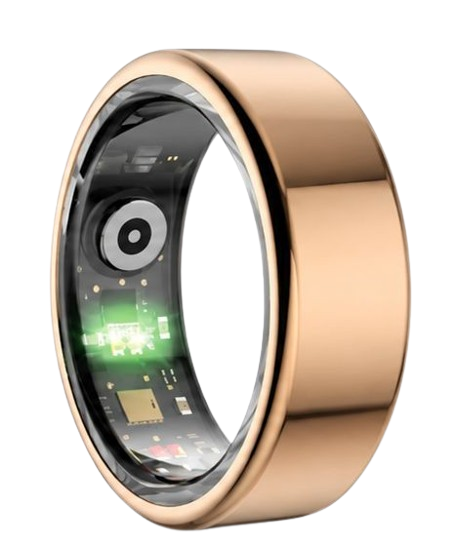
The Herz P1 Smart Ring offers subscription-free biometrics to help you optimize your sleep every night.
Ready to monitor your health every day? Explore the Herz P1 Smart Ring and see if it fits your lifestyle. Call: 1-866-479-1629 — our team can help you advise on the correct ring size and set personalized health goals.
Note: Individual results may vary depending on individual health conditions, age, and lifestyle habits. This article is intended for general health reference purposes only.
