

Understanding how your evening habits influence your recovery can be incredibly challenging when you lack clear biological data. If you regularly use cannabis to wind down, you may wonder how the complex mechanisms of cannabis sleep architecture affect your overall rest. Many people find themselves waking up groggy despite sleeping for eight hours, unaware of how active compounds alter their sleep stages. Tracking these changes is essential to optimizing your performance, and the Herz P1 smart ring provides the exact biometric insights you need to decode these nightly patterns and reclaim your energy.
Built to Last. Save Up to 69% Today.
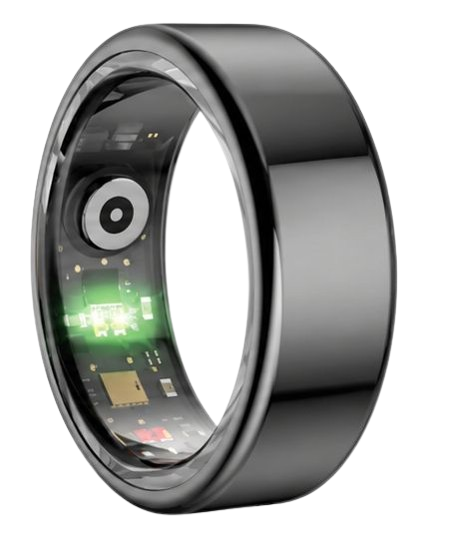
The Herz P1 Smart Ring tracks HRV, Sleep, Heart Rate & SpO2 around the clock. No subscriptions. No renewals. Ever.
In This Article
- Optimizing Cycles: Learn a step-by-step protocol to align cannabis consumption with your biological rhythms.
- The Suppression Science: Dive deep into how active compounds impact slow-wave and rapid eye movement phases.
- Overcoming Withdrawal: Discover actionable solutions to navigate the temporary sleep disruptions of resetting your system.
- Biometric Precision: See how to use wearable metrics to master your daily lifestyle and recovery scores.
How to Optimize Your Sleep Cycles While Using Cannabis: A Step-by-Step Biometric Guide
Before starting this optimization protocol, you will need a reliable biometric tracker to monitor your physiological markers.
You should also maintain a consistent sleep schedule for at least seven days to establish a stable reference point.
Finally, keeping a simple journal of your daily consumption timing and dosage is highly recommended.
-
Step 1: Establish Your Baseline Sleep Metric Profile
First, you need to record your metrics without making any sudden changes to your lifestyle.
Our team recommends tracking your initial data for at least one full week to get a representative average.
This baseline period helps you understand your typical ratio of deep sleep to light sleep phases.
By reviewing your daily charts, you can pinpoint your starting sleep quality score before testing any lifestyle adjustments.
It is highly beneficial to look at both weekdays and weekends during this initial tracking phase.
Your body often exhibits different recovery patterns depending on your daily physical and mental work demands.
This foundational step ensures you have a highly reliable reference point to measure all future changes.
-
Step 2: Track Your Consumption Windows
Next, document the exact time you consume cannabis relative to your bedtime.
Consuming active compounds too close to sleep can heavily impact your natural sleep stages.
We suggest aiming for a buffer window of at least three to four hours before your head hits the pillow.
This gap allows your liver to metabolize the primary cannabinoids before your brain begins its transition into rest.
When cannabinoids are still highly active in your bloodstream, they can alter your neural oscillations during the night.
Writing down the method of consumption, such as inhalation or edibles, is also incredibly helpful.
Edibles typically stay active in your body much longer than inhaled options, extending their impact on your cycles.
By timing your intake carefully, you can help protect your brain’s natural recovery pathways from excessive disruption.
-
Step 3: Monitor HRV and Heart Rate Fluctuations
You must closely watch how your cardiovascular metrics change throughout the night.
Keep an eye on your nightly heart rate variability (HRV) trends as they reflect autonomic nervous system balance.
A sudden drop in your overnight HRV average often signals that your body is working harder to recover.
Using a reliable finger-based tracker allows you to capture these subtle shifts with maximum precision.
When your body is digesting active compounds, your resting heart rate may remain elevated for several hours.
This elevation prevents your heart rate from reaching its lowest point during the early part of the night.
A delayed heart rate dip can leave you feeling less refreshed even after a long period of sleep.
By checking your morning graphs, you can easily correlate consumption timing with your cardiovascular recovery trends.
-
Step 4: Gradually Reduce Dosage to Assess REM Recovery
If you notice a consistent lack of dreaming, consider slowly lowering your evening intake.
A structured, gradual reduction prevents sudden sleep disruptions and withdrawal symptoms.
Monitor your metrics daily to see if your sleep architecture begins to balance out.
Many individuals notice an immediate uptick in dream vividness as their nervous system adapts.
This shift indicates that your brain is beginning to reclaim lost rapid eye movement phases.
Reducing your dosage by a small percentage every few days is the most gentle approach for your nervous system.
This slow titration helps you find the minimal effective dose that supports sleep without crushing your recovery stages.
You can use your morning sleep scores to guide your dosage adjustments over several weeks.
-
Step 5: Adjust Your Evening Routine to Support Natural Melatonin
Combine your intake adjustments with a calming wind-down routine.
Dim your household lights and avoid bright digital screens for at least one hour before bed.
This practice encourages your pineal gland to produce melatonin naturally.
Enhancing your sleep hygiene provides an optimal environment for your brain to transition through all recovery stages.
You might also consider incorporating light stretching, reading, or meditation into your night.
These relaxing activities signal to your central nervous system that it is safe to down-regulate.
A consistent evening routine acts as a powerful cue that reinforces your body’s natural circadian rhythm.
When your body is already relaxed, you rely less on external aids to help you drift off.
Tracking these delicate biological shifts requires a highly accurate, comfortable device that you can wear effortlessly around the clock.
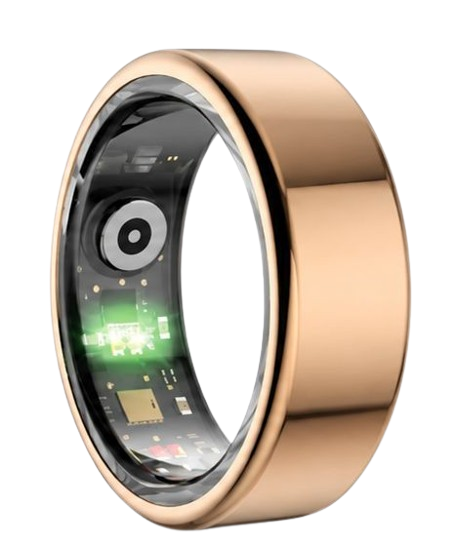
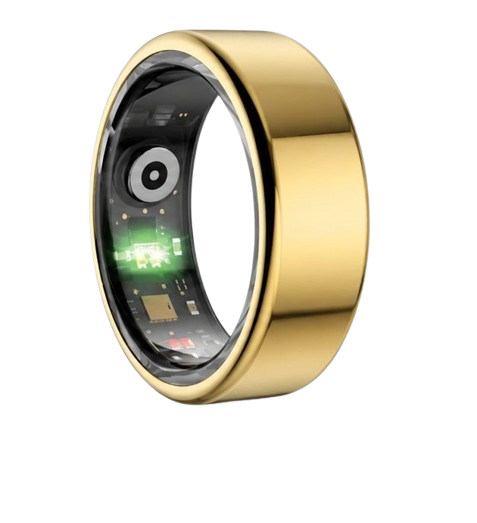
The Herz P1 Smart Ring offers comprehensive sleep and recovery tracking without any annoying monthly subscription fees.
Our military-grade steel construction ensures your device remains durable while remaining light and comfortable enough for overnight wear.
90-Day 100% Money-Back Guarantee
“The Herz Smart Ring helps me manage stress easily. It’s accurate, stylish, and lightweight—perfect for my busy life!”
— Jennifer P. | ✔ Verified Customer
- ✓ 6-Day Battery Life
- ✓ Detailed Sleep Analysis
- ✓ Fast 1-Hour Charging
- ✓ iOS & Android Ready
Questions? Call: 1-866-479-1629
The Science of Cannabis Sleep Architecture: How THC Alters Your Nightly Cycles

Understanding the deep physiological relationship between cannabinoids and your brain is key to mastering your rest.
When you consume cannabis, tetrahydrocannabinol (THC) binds directly to CB1 receptors in your central nervous system.
This interaction dramatically alters the natural progression of your overnight stages of sleep.
Scientific studies indicate that while THC may decrease the time it takes to fall asleep, it significantly modifies your overall sleep architecture.
Specifically, researchers have observed a noticeable weed impact on deep sleep, often lengthening the time spent in slow-wave sleep during the initial hours of the night.
However, this expansion of deep sleep typically comes at a steep cost to your cognitive recovery.
You might wonder: does weed affect rem sleep in a negative way?
The short answer is yes, as clinical data demonstrates that THC consistently suppresses rapid eye movement phases.
This suppression means that even if you spend eight hours in bed, your brain may miss out on essential mental consolidation.
Without sufficient REM phases, your brain struggles to process emotions, organize memories, and clear out metabolic waste.
Many users who rely on cannabis nightly report feeling physically rested but mentally foggy the next morning.
The endocannabinoid system plays a fundamental role in regulating our internal biological clocks.
When external cannabinoids flood this system, they disrupt the natural release of neurotransmitters required for dream states.
This disruption can lead to a state of chronic cognitive fatigue over time.
By tracking these metrics, you can understand your individual sleep quality vs quantity balance more clearly.
Our team at Herz P1 designed our sensor array to help you identify these specific sleep cycle imbalances.
We believe that having access to high-fidelity data is the first step toward making informed lifestyle changes.
Navigating THC Withdrawal Insomnia and the REM Rebound Phenomenon
When you decide to take a break from cannabis, your brain undergoes a rapid neurochemical readjustment.
This transition phase often triggers a temporary condition known as thc withdrawal insomnia.
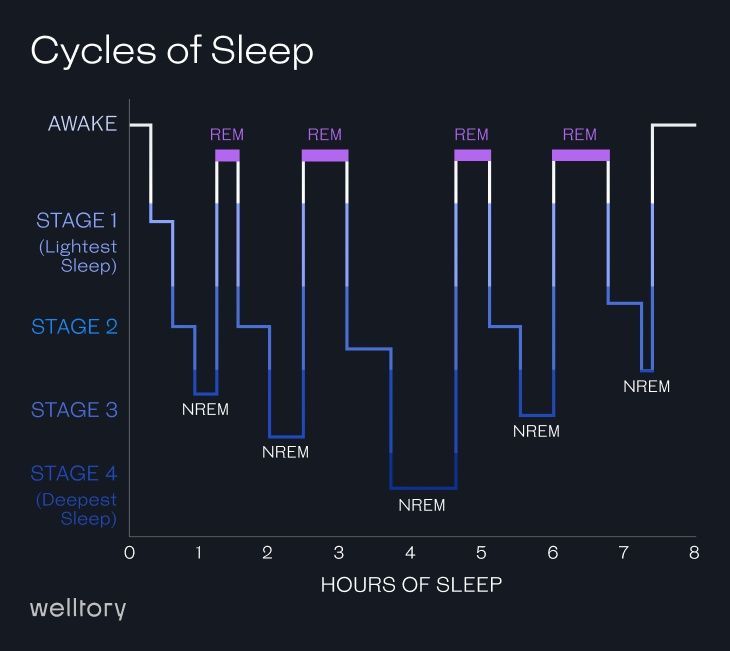
During this time, the sudden absence of cannabinoids causes a dramatic spike in brain activity during sleep.
This reaction is widely referred to by sleep scientists as the REM rebound effect.
If you have wondered, “why am i not getting rem sleep,” the answer during consumption was active THC suppression.
Once that suppression is removed, your brain attempts to make up for lost time by packing your nights with intense, highly vivid dreams.
While these vivid dreams can be startling, they are actually a sign that your cognitive recovery processes are turning back on.
However, this sudden rush of REM activity can also cause frequent middle-of-the-night awakenings and elevated stress levels.
To monitor this transition, tracking your rem sleep and heart rate metrics is incredibly valuable.
During a REM rebound phase, you may notice that your heart rate remains higher than your baseline average.
This elevation occurs because dreaming is an active neurological state that stimulates your sympathetic nervous system.
By monitoring these trends, you can watch your cardiovascular system settle back into its natural, healthy rhythms over a few weeks.
It is completely normal to experience a few restless nights during this adjustment period.
Staying consistent with your schedule and monitoring your progress keeps you motivated to push through the temporary discomfort.
Our smart ring captures every heartbeat during these transitions with medical-grade accuracy.
Leveraging Herz P1 Biometric Analytics to Personalize Your Recovery
Optimizing your daily recovery requires more than just knowing when you are asleep or awake.
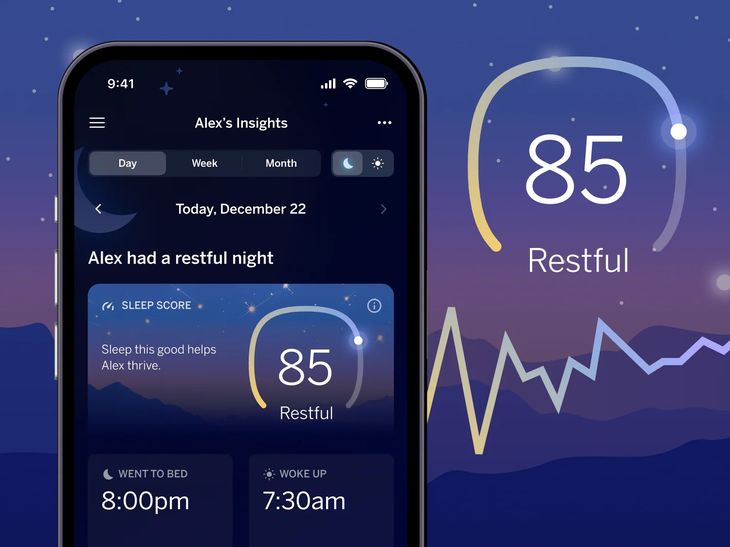
The Herz P1 companion app translates complex biometric signals into easy-to-understand daily scores.
Every morning, you can view a comprehensive breakdown of your sleep stages, including exact percentages of deep and REM phases.
If you are working on recovery, you can learn how to get more rem sleep by testing different evening wind-down techniques.
Our advanced optical sensors also measure your rem sleep pulse rate to evaluate how well your cardiovascular system relaxes.
This level of tracking is highly useful if you also consume other substances, allowing you to compare your metrics against the effects of alcohol sleep rem disruption.
You will quickly notice that different habits create unique biometric signatures on your charts.
Alcohol tends to suppress both deep and REM sleep while dramatically spiking your resting heart rate.
By comparing these distinct biometric impacts, you can make healthier choices for your long-term wellness.
The lightweight design of the Herz P1 ring ensures you can wear it 24/7 without the skin irritation or bulkiness of traditional smartwatches.
Our users love checking their morning dashboard to see exactly how their daytime choices influenced their overnight recovery.
Having this immediate feedback loop empowers you to take charge of your wellness like never before.
Our seamless app integration ensures your data is synced and ready to view in seconds.
Avoiding Common Pitfalls in Biometric Sleep Tracking
Many people make the mistake of wearing heavy, bulky smartwatches to bed to track their sleep.
These large devices often shift during the night, leading to inaccurate sensor readings or waking you up entirely.
A bulky wristband can also restrict natural movement, causing subtle discomfort that fragments your rest.
Additionally, many popular health trackers lock your personal biometric data behind expensive monthly subscription paywalls.
We believe that you should never have to pay a monthly fee to access your own personal health data.
The Herz P1 Smart Ring provides lifetime access to our companion app with absolutely zero ongoing subscription costs.
Our military-grade steel construction offers a highly durable, lightweight alternative that fits comfortably on your finger all night.
This design guarantees highly consistent sensor contact with your skin for unmatched data accuracy.
Another common pitfall is ignoring how your daytime stress levels directly influence your overnight recovery.
When your body remains in a high-stress state during the day, it carries that tension into your sleep.
The Herz P1 continuously tracks your stress index to help you recognize when it is time to slow down.
By addressing stress before bed, you can significantly improve the quality of your nightly cycles.
Frequently Asked Questions About Smart Rings
Is the Herz P1 Smart Ring waterproof?
Yes, our smart ring features an IP68 waterproof rating.
This rating means the device is fully protected against dust and can handle continuous submersion in water up to 164 feet.
You can confidently wear it while washing your hands, showering, swimming, or even during intense workouts.
Our seamless, unibody design ensures that no water can penetrate the sensitive internal electronics.
This makes it a perfect companion for active individuals who do not want to worry about taking their tracker off.
How long does the battery last on a single charge?
The Herz P1 is equipped with a high-efficiency battery that lasts up to 6 days on a single charge.
When it is time to power up, the ring charges fully in under 1 hour using our magnetic quick-charger.
This minimizes down-time so you never miss a single minute of biometric data.
The low-energy Bluetooth transmitter ensures your phone’s battery is not drained during synchronization.
You can travel for a long weekend without even needing to pack your charging cradle.
Which finger is best to wear the smart ring on?
For the highest level of tracking accuracy, we recommend wearing the ring on your index, middle, or ring finger.
These fingers have the strongest blood flow, which helps our optical sensors capture clear PPG signals.
Ensure the ring fits snugly but comfortably without rotating too easily.
A proper fit is crucial for maintaining consistent sensor contact throughout the night.
Our complimentary sizing kit makes it easy to find your perfect fit before you start tracking.
Does the ring store my health data offline?
Yes, the Herz P1 has built-in memory that can store up to 7 days of data offline.
You do not need to keep your phone nearby or connected to Bluetooth at all times.
Once you open the app, your stored biometric data will automatically sync and update your dashboard.
This feature is excellent for those who prefer to keep their phones out of the bedroom for better sleep hygiene.
Your recovery metrics will remain perfectly secure on the ring until you are ready to sync.
Conclusion
Understanding your unique sleep architecture is the first step toward achieving optimal daily recovery.
The Herz P1 Smart Ring makes tracking these subtle physiological shifts simple, accurate, and completely free of subscription fees.
Ready to monitor your health every day?
Explore the Herz P1 Smart Ring and see if it fits your lifestyle.
Call: 1-866-479-1629 — our team can help you advise on the correct ring size and set personalized health goals.
Note: Individual results may vary depending on individual health conditions, age, and lifestyle habits. This article is intended for general health reference purposes only.
