

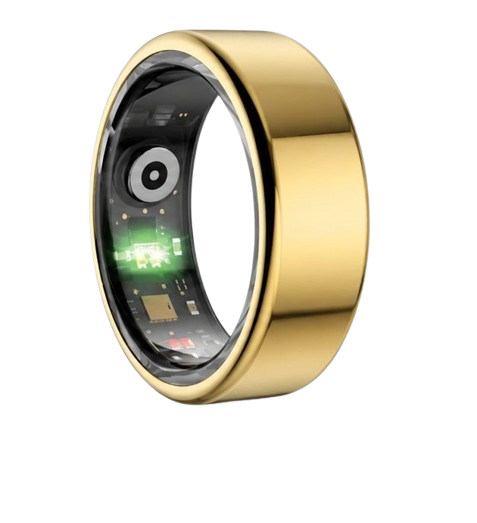
Fluctuating physical baselines can deeply disrupt your nightly rest, causing intense emotional processing and unexpected nocturnal waking. If you frequently experience the unsettling connection between hormonal shifts and sleep quality, understanding how estrogen and vivid dreams relate is the first step toward reclaiming your peace of mind. We designed the Herz P1 smart ring to help you easily track these changes, providing precise insights into how your cycle alters your rest so you can wake up feeling genuinely restored.
Built to Last. Save Up to 69% Today.
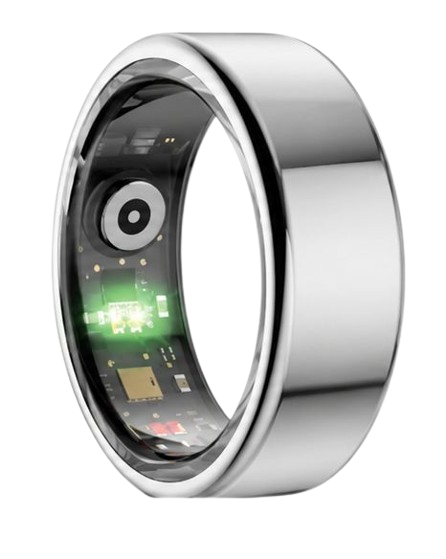
The Herz P1 Smart Ring tracks HRV, Sleep, Heart Rate & SpO2 around the clock. No subscriptions. No renewals. Ever.
In This Article
- Hormonal Sleep Mechanics: How progesterone drops and estrogen fluctuations directly trigger vivid dreams.
- Step-by-Step Optimization: A practical tutorial to stabilize your nighttime recovery score.
- Biometric Tracking Secrets: How advanced wearables monitor skin temperature and heart rate variability to predict cycles.
- Anxiety-Free Recovery: Overcoming tracking errors and subscription traps for stress-free sleep monitoring.
How to Stabilize Your Sleep Cycle Amid Hormonal Vivid Dreams: A Step-by-Step Guide
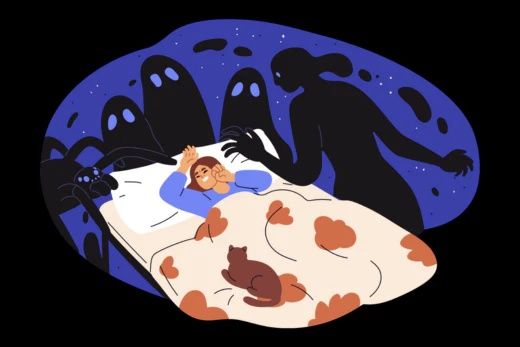
To navigate cycle-related sleep issues successfully, you need a methodical approach to tracking and lifestyle adjustment.
This tutorial provides concrete, actionable steps to help you align your daily habits with your internal biological calendar.
By executing these actions systematically, you can reduce micro-arousals and improve deep-sleep restoration.
Prerequisites & What You Will Need
You will need a reliable biometric tracker capable of logging nightly resting heart rate, heart rate variability, and skin temperature changes.
You also need a consistent sleep window and a dedicated wellness journal or companion health app to correlate daily symptoms with your biometric trends.
-
Step 1: Document Your Baseline Skin Temperature and Cycle Phase
Begin by tracking your relative baseline skin temperature every morning immediately upon waking.
A sustained elevation in skin temperature typically points to the luteal phase of your cycle, which occurs right after ovulation.
By noting this temperature shift, you can anticipate when your progesterone levels will peak and subsequently decline.
Knowing this timeline helps you predict the exact days when dream recall and vivid imagery are most likely to escalate.
This early tracking helps you mentally prepare and avoids the anxiety of waking up from sudden, intense dreams.
-
Step 2: Buffer the Sudden Premenstrual Progesterone Drop
As you approach the end of your luteal phase, your progesterone levels plunge rapidly to initiate your period.
This sudden withdrawal acts as a stimulant to the central nervous system, which frequently leads to sleep fragmentation.
To counter this, introduce a dedicated, light-neutral wind-down routine at least ninety minutes before sleep during this specific phase.
Avoid mentally taxing activities, emotional conversations, or stimulating entertainment that could elevate your heart rate.
Focus instead on light stretching, diaphragmatic breathing, or progressive muscle relaxation to signal safety to your nervous system.
-
Step 3: Establish a Thermal Buffer in Your Bedroom
Hormonal shifts directly destabilize your brain’s internal thermostat, leading to sudden night sweats and hot flashes.
These thermal disruptions are a major cause of micro-arousals during your rapid eye movement sleep cycles.
Lower your thermostat to a cool range between sixty-two and sixty-eight degrees Fahrenheit during your luteal phase.
Utilize breathable, moisture-wicking bamboo or cotton sheets rather than heat-trapping synthetic fibers.
Keeping a cold glass of water on your nightstand can also help you quickly cool down and return to sleep if you wake up warm.
-
Step 4: Block Environmental REM Disturbers
Vivid dreaming occurs primarily during REM sleep, a stage where your skeletal muscles are temporarily paralyzed but your brain is highly active.
During this stage, you are exceptionally vulnerable to sensory inputs from your bedroom, such as passing traffic or ambient streetlights.
These minor environmental disturbances can wake you up directly mid-dream, causing you to remember the dream in vivid detail.
Use premium earplugs or a consistent, non-looping white noise machine to mask sudden background noises.
Install high-quality blackout curtains or wear a comfortable, contoured silk eye mask to maintain complete darkness.
-
Step 5: Utilize HRV-Informed Daytime Stress Management
Your daytime stress levels carry over directly into your nocturnal brain activity, fueling intense nightmares.
Check your heart rate variability trends every morning to gauge how well your autonomic nervous system is recovering.
On days when your HRV score is notably depressed, actively reduce your physical and psychological load.
Shorten intense cardiovascular workouts, take brief micro-breaks at work, and practice ten minutes of mindfulness.
Keeping your daytime nervous system out of a chronic fight-or-flight state will lead to calmer, less erratic dream states.
How the Herz P1 Smart Ring Empowers Your Sleep Cycle Strategy
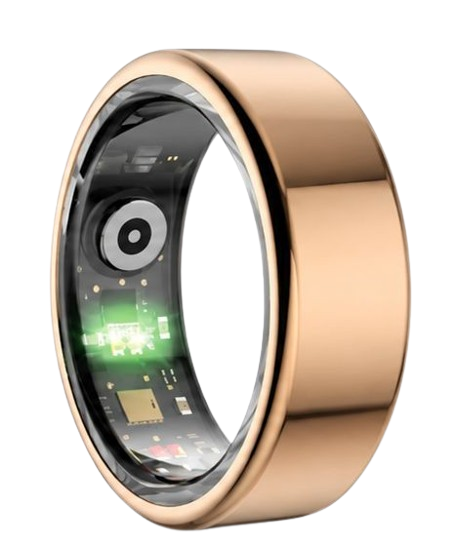
The Herz P1 Smart Ring integrates seamlessly into this recovery workflow by monitoring your physical baselines with military-grade precision.
Its multispectral optical sensors continuously track your skin temperature fluctuations, alerting you to the hormonal shifts of your cycle without complex calculations.
With its ultra-lightweight design, you can sleep comfortably without the distraction of a bulky, glowing screen on your wrist.
By reviewing your daily, personalized data trends in the completely free Herz P1 App, you can make informed adjustments to your evening habits and track your progress over time.
90-Day 100% Money-Back Guarantee
“The Herz Smart Ring helps me manage stress easily. It’s accurate, stylish, and lightweight—perfect for my busy life!”
— Jennifer P. | ✔ Verified Customer
- ✓ 6-Day Battery Life
- ✓ Detailed Sleep Analysis
- ✓ Fast 1-Hour Charging
- ✓ iOS & Android Ready
Questions? Call: 1-866-479-1629
The Neurobiology of Hormones and Vivid Dreams — Why Your Period Alters Your Brain Activity

The human brain undergoes massive chemical reconfigurations across the menstrual cycle.
To understand why you experience vivid dreams before period onset, we must look at the amygdala and hippocampus.
These deep brain structures process emotions, threat detection, and memories during sleep.
They are dense with estrogen and progesterone receptors, making them highly sensitive to hormonal fluctuations.
As progesterone plunges late in the luteal phase, GABAergic inhibition in the brain decreases rapidly.
GABA is your brain’s primary calming neurotransmitter, helping to keep brain activity quiet during sleep.
When this calming influence drops, your brain’s emotional centers become hyper-reactive.
This neurological excitability can directly cause nightmares during period transitions.
At the same time, this drop in progesterone causes your body temperature to fluctuate wildly.
These physical temperature spikes trigger micro-arousals, which are brief awakenings that you may not even consciously remember.
When you wake up directly from REM sleep, you are far more likely to remember your dreams in vivid, intense detail.
Normally, you experience several dreams every night but forget them because you sleep through to the next cycle stage.
Hormone-driven micro-arousals bypass this natural forgetting process, making your dreams feel incredibly real.
By tracking your nocturnal heart rate and respiration, you can see how hormonal stress impacts your sleep architecture.
Decoding Estrogen Sleep Cycles and Progesterone Sleep Disruption
Estrogen and progesterone play opposing but equally important roles in regulating your sleep-wake cycles.
Estrogen acts as a natural antidepressant and mild stimulant, promoting longer, more consolidated REM sleep phases.
When estrogen is high, your body temperature runs lower, which is the ideal state for deep, restorative sleep.
Conversely, progesterone acts as a natural sedative by enhancing GABA activity in the brain.
During the vivid dreams luteal phase, progesterone levels soar to support a potential pregnancy.
This hormonal peak initially makes you feel deeply fatigued, but it also elevates your basal body temperature.
A higher core body temperature acts as a key driver of progesterone sleep disruption.
When your temperature stays elevated, your body struggles to transition smoothly into deep, slow-wave sleep.
As the luteal phase draws to a close, both hormones drop off a cliff together.
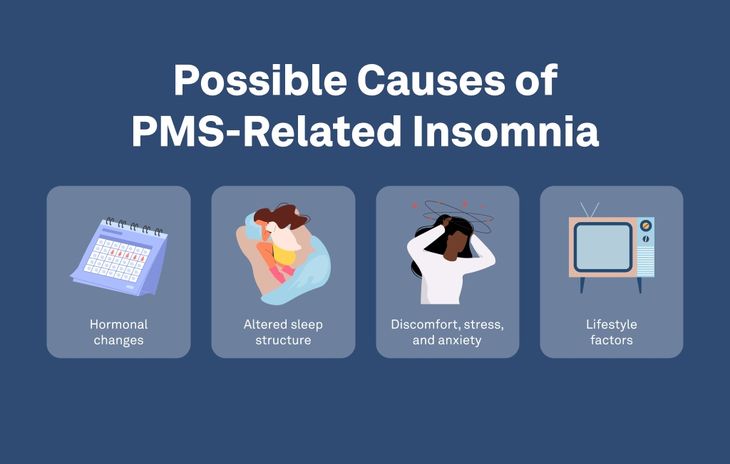
This dual hormonal withdrawal is a primary trigger for pms insomnia.
For individuals with severe premenstrual mood changes, this drop can trigger acute pmdd insomnia.
You may experience extreme difficulty sleeping before period onset as your brain chemistry struggles to adjust.
Understanding these biological patterns helps you see that premenstrual insomnia is a physical reaction, not a personal failing.
Tracking your heart rate variability (HRV) during these phases reveals how your autonomic nervous system is coping with the stress.
Practical Application Guide & Lifestyle Tips
To turn these hormonal sleep insights into real-world recovery, you must learn to read your daily health data.
Open your Herz P1 App every morning and navigate to your Sleep Quality dashboard.
Review your Sleep Stage chart, paying close attention to your total REM sleep percentage and any recorded wake-up events.
Next, check your skin temperature trend line to see if your body is currently in its warmer, luteal phase.
If you see a temperature rise combined with a drop in HRV, your body is working harder to maintain balance.
On these high-stress days, adjust your lifestyle habits to give your nervous system extra support.
Move high-intensity workouts to earlier in the day, or swap them for active recovery like yoga or walking.
Avoid drinking alcohol or eating heavy meals close to bedtime, as these habits raise your body temperature and heart rate.
The military-grade steel ring is light and comfortable enough for continuous, 24/7 wear, helping you collect reliable data without any distraction.
Overcoming Risks & Common Mistakes in Sleep Tracking
A very common mistake is wearing a heavy, glowing smartwatch to bed to track your sleep.
The bulky design often presses uncomfortably against your wrist, causing hand strain and shifting your sleep position.
Bright screens can accidentally light up in the middle of the night, disrupting your melatonin production and waking you up.
Additionally, many wearable brands charge expensive monthly app subscription fees to view your own health data.
These hidden fees can quickly add up, creating ongoing costs just to keep tracking your personal wellness.
The Herz P1 Smart Ring offers a highly durable, subscription-free alternative with a full lifetime free app.
Its sleek, screen-free design is crafted from military-grade steel, ensuring maximum durability and comfort during sleep.
With its long-lasting, 6-day battery and fast 1-hour charging, you never have to worry about missing crucial sleep cycles.
Frequently Asked Questions (FAQ)
Conclusion
Tracking the relationship between hormones and your sleep quality is a powerful way to take control of your physical recovery.
By monitoring daily biological trends and making targeted adjustments, you can easily minimize premenstrual sleep issues.
The subscription-free Herz P1 Smart Ring is a reliable, highly accurate wellness companion designed to support you every night.
Ready to monitor your health every day? Explore the Herz P1 Smart Ring and see if it fits your lifestyle. Call: 1-866-479-1629 — our team can help you advise on the correct ring size and set personalized health goals.
