

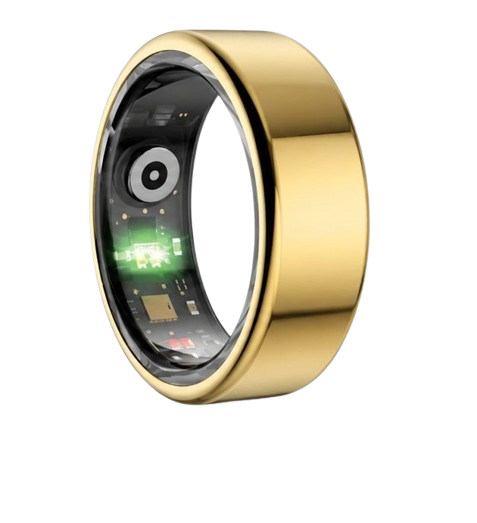
Learning to identify the invisible boundary between bad stress vs good stress is essential for protecting your cardiovascular health, as clinical data reveals that chronic physiological strain can lower your average life expectancy by several years. Real-world telemetry from the Herz P1 smart ring helps you decode these critical cardiac patterns and make proactive, daily adjustments to your lifestyle without the burden of ongoing monthly subscription fees.
Built to Last. Save Up to 69% Today.
The Herz P1 Smart Ring tracks HRV, Sleep, Heart Rate & SpO2 around the clock. No subscriptions. No renewals. Ever.
In This Article
- The Core Differences: Learn how to differentiate between eustress and distress in your daily routines.
- Physiological Markers: Understand how your heart rate variability (HRV) and cortisol curves signal underlying systemic changes.
- Sleep Architecture: Discover how persistent neurological tension alters your deep sleep and REM recovery cycles.
- Actionable Solutions: Master real-world protocols to lower toxic stress metrics using continuous smart ring biometric telemetry.
Decoding Bad Stress vs Good Stress: The Path to Hormonal and Cardiovascular Harmony
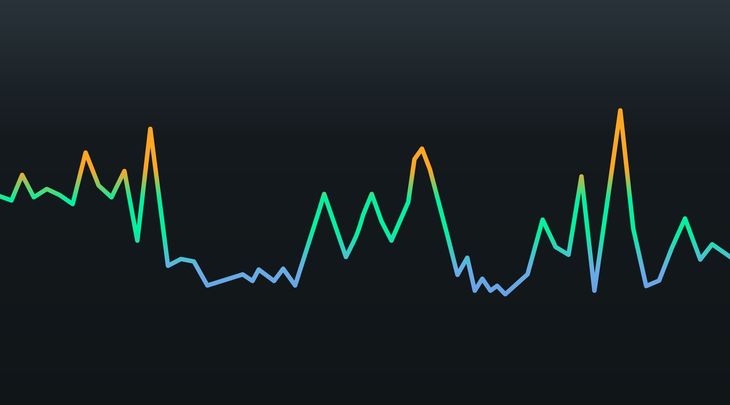
Stress is not a singular, uniform experience that always damages your physical health.
In fact, your autonomic nervous system relies on specific types of pressure to grow stronger, adapt, and build physical resilience.
Clinical researchers divide this biological response into two primary categories: eustress, which represents beneficial tension, and distress, which characterizes destructive, chronic pressure.
To successfully navigate modern work schedules, you must learn to differentiate between good stress and bad stress based on concrete biological markers rather than simple emotional guesswork.
Good stress acts as a temporary stimulant that sharpens your cognitive focus, increases your physical output, and prepares your heart to handle brief, intense challenges.
When you prepare for a crucial presentation or embark on a demanding workout, your body releases a brief, controlled pulse of adrenaline and cortisol.
This transient hormonal surge causes a temporary rise in heart rate and sharpens your mental acuity.
Once the task is complete, your parasympathetic nervous system quickly activates, allowing your heart rate to settle back into its baseline rhythm.
Conversely, bad stress occurs when this natural recovery loop fails to engage.
Instead of a brief peak and a smooth return to safety, bad stress manifests as a continuous, low-grade neurological alarm that never fully shuts off.
This persistent activation depletes your adrenal reserves, strains your blood vessels, and disrupts your metabolic balance over time.
Using a dedicated stress monitor helps you visually track these distinct states as they unfold in real time throughout your workday.
Without objective telemetry, you might easily mistake chronic, toxic anxiety for standard professional drive.
Understanding these biological variations is the first major step in discovering how to manage anxiety before it permanently compromises your immune system.
By learning how your body handles different stressors, you can actively protect your heart, preserve your daily cognitive capacity, and build deep physical stamina.
90-Day 100% Money-Back Guarantee
“The Herz Smart Ring helps me manage stress easily. It’s accurate, stylish, and lightweight—perfect for my busy life!”
— Jennifer P. | ✔ Verified Customer
- ✓ 6-Day Battery Life
- ✓ Detailed Sleep Analysis
- ✓ Fast 1-Hour Charging
- ✓ iOS & Android Ready
Questions? Call: 1-866-479-1629
The Biology of Balance: How to Differentiate Between Good Stress and Bad Stress
To accurately identify eustress and distress, you must look closely at how your nervous system behaves under pressure.
Your autonomic nervous system is divided into two major components: the sympathetic branch and the parasympathetic branch.
The sympathetic nervous system functions like an accelerator, driving physical arousal, increasing blood pressure, and releasing vital metabolic energy.
The parasympathetic nervous system acts as the brake, encouraging physiological rest, cellular repair, and cardiovascular recovery.
When you experience good stress, your body utilizes sympathetic acceleration for a brief period to achieve peak performance.
However, once the challenge is resolved, the parasympathetic brake engages immediately, allowing your tissues to heal and rebuild.
If you suffer from chronic, bad stress, this parasympathetic brake remains entirely offline, leaving you in a state of constant physical exhaustion.
The American Heart Association has long warned that sustained sympathetic dominance can lead to arterial inflammation, hypertension, and an elevated risk of cardiac events.
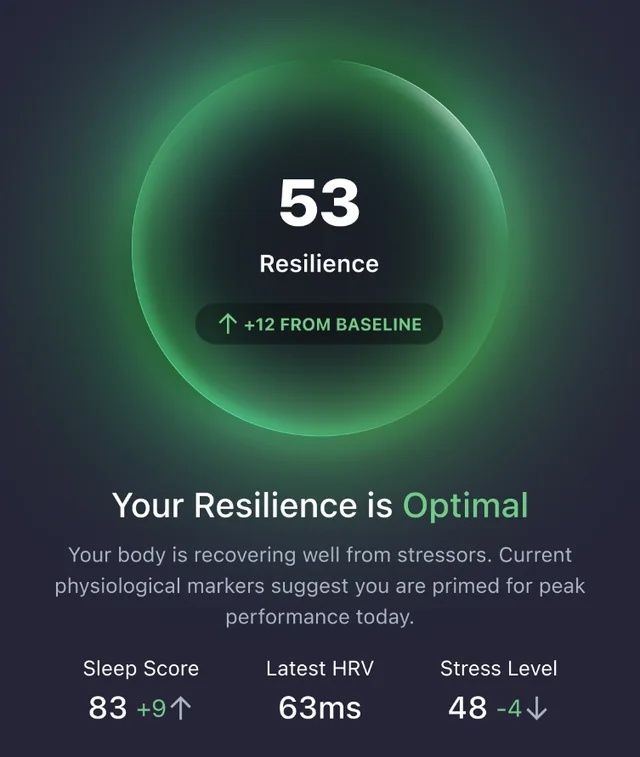
One of the most reliable ways to measure this internal balance is by tracking your heart rate variability, or HRV.
HRV measures the small variations in time between each consecutive heartbeat, calculated in precise milliseconds.
A high HRV score indicates that your nervous system is flexible, resilient, and ready to adapt to whatever stressors come your way.
A low HRV score suggests that your body is trapped in a rigid, sympathetic fight-or-flight loop, signaling high levels of systemic strain.
When you monitor these shifts daily, you can identify the primary areas where you need to apply targeted lifestyle changes.
For example, learning cortisol how to lower through paced diaphragmatic breathing can restore healthy parasympathetic activity in just minutes.
Furthermore, early clinical tracking reveals that monitoring persistent declines in HRV can help predict depression and anxiety weeks before those emotions begin to impact your work performance.
By capturing these subtle autonomic patterns early, you can make informed decisions to protect your long-term health.
The Sleep-Stress Loop: How Chronic Pressure Ruins Your Recovery Architecture

Your daily stress levels and overnight sleep cycles are linked in a continuous, powerful physiological feedback loop.
According to research from the National Sleep Foundation, adults require structured, uninterrupted sleep stages to facilitate deep cellular repair and emotional processing.
When you experience chronic bad stress, your body maintains high levels of cortisol and adrenaline long after you turn off the lights.
This elevated neurological activation prevents you from entering deep slow-wave sleep and REM cycles, which are essential for physical and mental recovery.
Deep sleep is the specific phase where your pituitary gland releases vital growth hormones to rebuild strained muscle tissues.
REM sleep is the phase where your brain processes daily memories, regulates emotions, and clears out harmful metabolic waste products.
If bad stress disrupts these stages, you may wake up feeling exhausted, even if you spent a full eight hours in bed.
This frequent, frustrating pattern raises a common question among tired professionals: does stress cause you to sleep more but with significantly lower overall quality?
The answer is yes, as persistent distress forces your body to seek extra, light-stage sleep to compensate for the lack of deeper, restorative rest.
This sleep fragmentation prevents you from ever feeling truly rested, leaving you more vulnerable to cognitive fatigue the following day.
To break this frustrating cycle, you must actively track your nightly sleep stages and focus on building resilience through consistent bedtime routines.
By monitoring changes in your resting heart rate and blood oxygen levels (SpO2) overnight, you can evaluate the true restorative value of your sleep.
A smart, comfortable tracker allows you to pinpoint the exact days when high daytime stress begins to degrade your night-time recovery.
Armed with this objective data, you can adjust your evening habits to protect your deep sleep and keep your stress levels under control.
Activating Your Recovery: Using Herz P1 Metrics to Build Daily Resilience
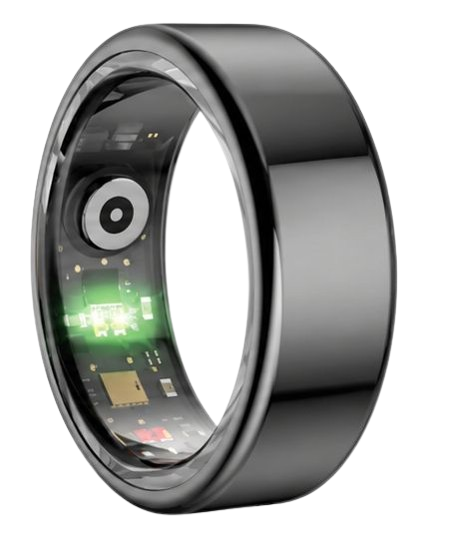
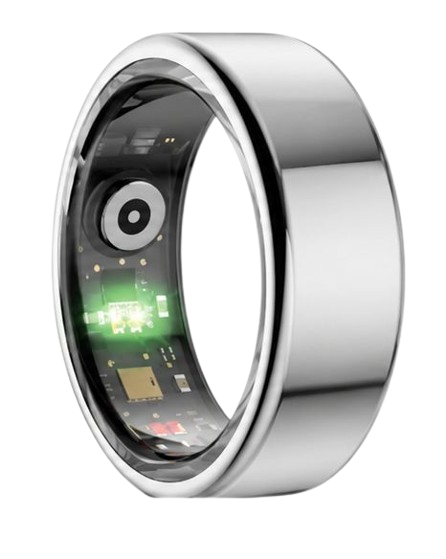
The Herz P1 smart ring features a highly advanced, ultra-precise multispectral photoplethysmography sensor array.
This optical technology shines light directly through the dense capillary beds at the base of your finger, capturing highly accurate arterial pulse waveforms.
By measuring heart rate, heart rate variability, and blood oxygen levels around the clock, the Herz P1 translates raw physiological signals into easy-to-understand daily scores.
When you open the companion Herz P1 app, you receive an immediate, clear snapshot of your autonomic nervous system’s current state.
If you see a sudden, notable drop in your morning HRV score, your body is signaling that it is still recovering from yesterday’s physical or mental demands.
On these low-recovery days, you should consider reducing your workout intensity, taking brief breaks during work, and focusing on gentle recovery practices.
Conversely, when your HRV score rises back into your optimal green zone, you know your cardiovascular system is fully prepared to handle intense physical training or high-focus professional tasks.
This data-driven approach gives you a clear, personalized roadmap to help you recover from stress efficiently and avoid the common pitfalls of chronic overtraining.
The lightweight, sleek design of the Herz P1 makes it incredibly comfortable for 24/7 wear, ensuring you never miss a critical biometric trend.
Unlike heavy, bulky smartwatches that can disturb your sleep, this slim ring rests comfortably on your finger, delivering accurate data throughout the night.
By using a dedicated smart ring for stress reduction, you can easily integrate continuous, high-fidelity wellness tracking into your busy lifestyle.
With this reliable companion on your finger, you can confidently make small, positive lifestyle adjustments that lead to lasting physical improvements.
Wearable Traps: Why Smartwatches Fail and Subscription Fees Drain Your Wallet
Many health-conscious individuals buy large, premium smartwatches only to find them sitting on their nightstands after just a few weeks.
These bulky devices often feature prominent metal edges and heavy watch faces that can easily disturb your sleep when you roll over at night.
Furthermore, their batteries often drain quickly, forcing you to charge them overnight and missing the most critical window for sleep-stage tracking.
This frequent charging disruption leaves major gaps in your long-term heart rate and sleep recovery trends.
Another major frustration in the modern wearable market is the hidden cost of ongoing monthly app subscription fees.
Several leading smart ring brands require you to pay a continuous monthly fee just to access your own physiological data.
We believe that once you purchase a wellness tracker, you should have full, unlimited access to your biometric insights without any recurring paywalls.
The Herz P1 smart ring is designed to eliminate these common frustrations entirely.
It features a sleek, military-grade steel outer shell that is incredibly lightweight and highly durable.
With its impressive 6-day battery life and incredibly fast 1-hour charging, you can wear it continuously without worrying about frequent battery drain.
Best of all, the Herz P1 companion app is completely free for lifetime use, with no hidden subscription fees or locked features.
This means you get full, permanent access to your daily sleep analysis, HRV trends, SpO2 logs, and stress metrics from day one.
Biometric Performance Comparison: Herz P1 vs. Competitors
To help you make an informed decision, the table below compares the key features, battery performance, and long-term costs of the leading smart rings available today.
| Feature Checklist | Herz P1 Smart Ring | Competitor O-Ring | Competitor U-Ring |
|---|---|---|---|
| Monthly Subscription Fee | |||
| Battery Life & Charging | |||
| Material & Durability | |||
| Waterproof Rating | |||
| Warranty Coverage |
Frequently Asked Questions About Herz P1 and Stress Tracking
Yes, the Herz P1 features a highly durable, hermetically sealed design with a certified IP68 waterproof rating.
This allows you to safely submerge the ring in water depths of up to 164 feet without damaging the internal sensors.
You can wear it comfortably while swimming, showering, washing your hands, or relaxing in a hot sauna.
The energy-efficient battery inside the Herz P1 delivers up to 6 full days of continuous 24/7 tracking.
When the battery runs low, you can charge it back to 100% in under 1 hour using the included magnetic charger.
This rapid charging cycle ensures you never miss a critical night of sleep analysis or a daytime stress event.
We recommend wearing the Herz P1 on your index, middle, or ring finger for the most accurate biometric readings.
These fingers have the most robust blood vessels, allowing the optical PPG sensors to capture high-quality heart rate and SpO2 signals.
We also suggest wearing the ring on your non-dominant hand to minimize minor motion interference during daily activities.
Yes, the Herz P1 features built-in flash memory that safely stores up to 7 days of raw biometric data offline.
If you leave your smartphone behind during a workout or travel to an area without connection, the ring will continue to track your health metrics.
Once you reconnect to your phone, all stored data will sync automatically to the free companion app in seconds.
Conclusion
Understanding the vital differences between bad stress and good stress allows you to protect your long-term cardiovascular health and improve your daily sleep quality.
The subscription-free Herz P1 smart ring serves as an exceptionally reliable, highly durable companion for tracking your physical recovery every single day.
Ready to monitor your health every day? Explore the Herz P1 Smart Ring and see if it fits your lifestyle. Call: 1-866-479-1629 — our team can help you advise on the correct ring size and set personalized health goals.
Note: Individual results may vary depending on individual health conditions, age, and lifestyle habits. This article is intended for general health reference purposes only.
