

Learning how to manage anxiety is a critical path to reclaiming your physical health and mental clarity. According to the World Health Organization, anxiety disorders affect over 301 million people globally, directly impacting cardiovascular systems and sleep architecture. The revolutionary Herz P1 smart ring monitors these autonomic disruptions 24/7 without demanding clunky screens or costly monthly fees. This guide provides actionable steps to map your body’s stress signals and soothe your nervous system permanently.
Built to Last. Save Up to 69% Today.
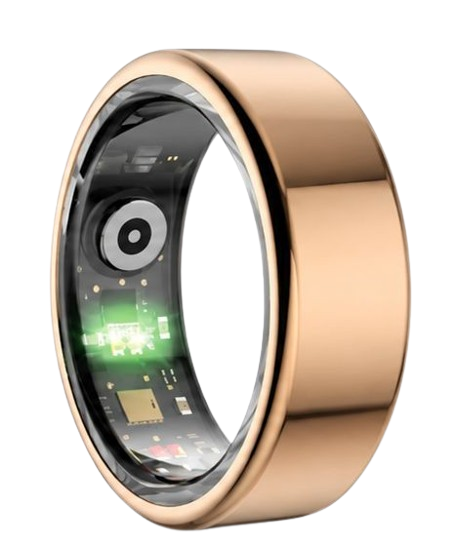
The Herz P1 Smart Ring tracks HRV, Sleep, Heart Rate & SpO2 around the clock. No subscriptions. No renewals. Ever.
In This Article
- Step-by-Step Stress Regulation: A physical protocol to soothe your nervous system quickly.
- The Neurological Link of HRV: How fluctuations in heart rate variability reflect mental tension.
- Sleep Quality and Anxiety Loops: Understanding the restorative power of deep and REM stages.
- Avoiding Common Pitfalls: Identifying sizing mistakes and avoiding hidden subscription costs.
How to Regulate Physical Stress and Lower Daily Tension: A Step-by-Step Guide
To begin this physical tension-reduction protocol, you only need an open, quiet space and a willingness to observe your bodily reactions.
You should also have access to an objective biometric tracking tool to capture your biological trends without manual guessing.
This physical baseline serves as an essential reference point to measure your progress as you complete the following daily steps.
Step 1: Initiate Parasympathetic Activation via Box Breathing
You can instantly interrupt an active somatic anxiety response by consciously altering your respiratory rate.
We recommend practicing the box breathing method to stimulate your vagus nerve and slow down your racing pulse.
Sit comfortably with your spine straight, relax your shoulders, and close your eyes to block out external stimulations.
Inhale slowly through your nose for a quiet count of four seconds, filling your lower abdomen with oxygen.
Hold that clean air inside your lungs for another count of four seconds without tensing your throat or chest.
Exhale completely through your mouth for four seconds, releasing all physical tension with the outward breath.
Hold your lungs empty for a final count of four seconds before beginning the next calm inhalation cycle.
Repeat this structured pattern for five minutes to transition your autonomic nervous system away from panic.
This deliberate exercise increases your carbon dioxide tolerance and signals to your brain that you are safe.
Step 2: Monitor Somatic Biomarkers Using a stress monitor
Identifying physical stress signals as they happen prevents small worries from building into full-blown panic attacks.
Using a reliable stress monitor allows you to track sudden cardiovascular changes without manual pulse checking.
When you feel a sudden wave of physical tension, check your wearable sensor for immediate heart rate feedback.
Compare this sudden measurement against your resting heart rate to see how high the physical spike actually is.
This process turns a frightening somatic sensation into clear, understandable numbers on a digital dashboard.
Understanding that your racing heart is simply a temporary adrenaline rush can stop your anxiety from snowballing.
Tracking these biological fluctuations helps you differentiate between bad stress vs good stress.
Keep a simple digital log of these cardiovascular spikes alongside your daily activities to identify hidden mental triggers.
Over time, this practice removes the mystery from somatic stress and helps you build excellent body awareness.
Step 3: Establish a Strict Circadian Alignment to Keep Cortisol Stable
Irregular sleep schedules confuse your endocrine system and lead to excessive cortisol production during daylight hours.
To keep these stress hormones stable, you must build a highly consistent sleep and wake routine.
Go to sleep and wake up at the exact same time every single day, including on quiet weekends.
Step outside into natural morning sunlight within thirty minutes of waking up to set your internal clock.
Dim all the overhead lights in your living space two hours before bedtime to promote melatonin production.
Avoid looking at stimulating digital screens right before bed to prevent late-night physical arousal and alertness.
This clean sleep hygiene ensures your body drops into deep restorative sleep stages night after night.
A stable circadian rhythm is a foundational requirement to recover from stress effectively.
By respecting your biological clock, you create a physical foundation that naturally resists daily mental pressure.
Step 4: Engage in Daily Physical Activity for Neurotransmitter Regulation
Sedentary habits trap physical energy inside your muscles and make your nervous system hyper-reactive to worry.
Engaging in moderate physical activity every day is essential for burning off excess stress hormones.
Choose activities that you genuinely enjoy, such as brisk walking, swimming, cycling, or active yoga.
Exercise prompts your brain to release endorphins, which act as natural mood lifters and pain reducers.
Sustained movement also helps release the tight muscle tension caused by sitting at a desk all day.
Be careful not to overtrain, as extreme physical exhaustion can actually trigger more stress and anxiety.
A balanced workout routine is a key component for building resilience over time.
Aim for at least thirty minutes of active movement to keep your baseline stress levels low and healthy.
By moving your body daily, you process nervous energy instead of letting it build up inside your muscles.
Step 5: Utilize a smart ring for stress management to Review Long-Term Trends
Reviewing your biometric history weekly is the final step in mastering your physiological wellness.
Using a comfortable smart ring for stress management lets you collect continuous, distraction-free health data.
Open your companion app every Sunday morning to analyze your weekly HRV and resting heart rate trends.
Look for positive signs, such as a rising HRV baseline or lower average daytime stress scores.
Identify which specific days had the highest stress levels and correlate them with your lifestyle choices.
Adjust your working hours, diet, or bedtime schedule based on these concrete physical insights.
This data-driven approach removes guesswork and puts you in complete control of your physical health.
Passive tracking reveals how your body recovers from daily challenges without requiring any manual effort.
By studying these chronic trends, you turn raw biological signals into a personalized roadmap to peace.
The Herz P1 smart ring is designed to assist you perfectly throughout this entire five-step stress management process.
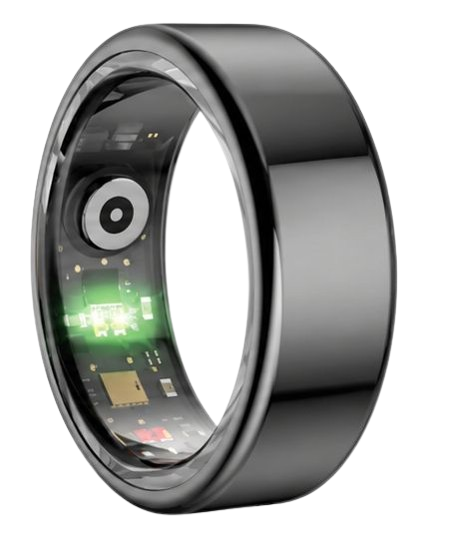
By resting comfortably on your finger, our military-grade steel ring tracks your autonomic signals without the distraction of a glowing screen.
The companion app offers lifetime access to advanced data dashboards without any hidden subscription fees.
It provides the clear, real-time insights you need to take control of your well-being with total confidence.
90-Day 100% Money-Back Guarantee
“The Herz Smart Ring helps me manage stress easily. It’s accurate, stylish, and lightweight—perfect for my busy life!”
— Jennifer P. | ✔ Verified Customer
- ✓ 6-Day Battery Life
- ✓ Detailed Sleep Analysis
- ✓ Fast 1-Hour Charging
- ✓ iOS & Android Ready
Questions? Call: 1-866-479-1629
The Neurological Link: How Heart Rate Variability Exposes Daytime Anxiety

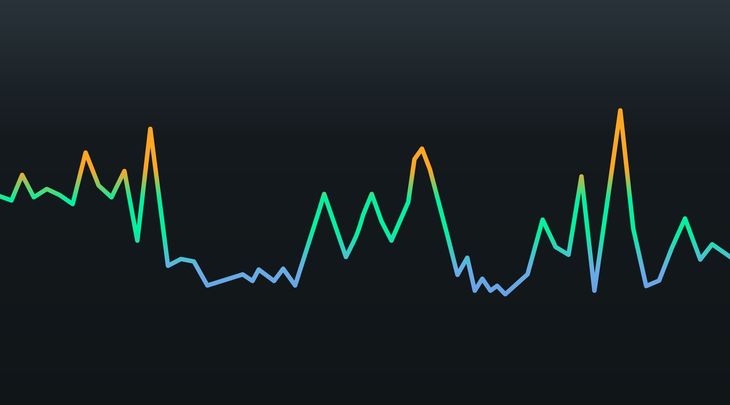
Your heart does not beat in a perfectly rigid, predictable metronome pattern when your body is relaxed and healthy.
Instead, the time interval between consecutive heartbeats varies by milliseconds, a medical phenomenon known as heart rate variability.
This delicate variation is directly controlled by your autonomic nervous system, which balances action and physical recovery.
When you are calm, your parasympathetic branch dominates, causing your heart rate variability to rise significantly.
When you are anxious, your sympathetic branch takes over, causing your heart rate variability to drop instantly.
Scientific studies show that tracking these sudden drops in HRV can help clinical teams predict depression and anxiety before severe symptoms manifest.
By monitoring these continuous variations, you can see exactly when your body shifts into a state of panic.
This allows you to take immediate action, such as practicing deep breathing exercises or taking a quiet walk.
You no longer have to guess whether your stress management techniques are actually helping your nervous system.
If you choose to manage anxiety with smart rings, you get a continuous, non-invasive view of your nervous system.
Our research shows that users who check their HRV trends daily make much healthier lifestyle adjustments.
They are able to pinpoint the exact hours when their bodies are under the greatest physical strain.
This objective data helps separate emotional worry from actual physical exhaustion.
It provides a clear biological mirror that validates your feelings and helps you recover faster.
Over time, tracking these cardiac variations allows you to build a more resilient autonomic nervous system.
Sleep Architecture and Anxiety: How Deep Sleep Protects Your Brain
Anxiety and sleep deprivation share a bi-directional relationship that can ruin your health if left unchecked.
When you are stressed, your mind remains hyper-alert, preventing your brain from dropping into deep slow-wave sleep.
This lack of restorative sleep leaves your brain exhausted and far more vulnerable to daily anxiety triggers.
The National Sleep Foundation emphasizes that deep sleep is when your brain processes emotional memories and clears out waste.
During REM sleep, your brain actively desensitizes stressful memories from the previous day, acting as overnight therapy.
If your REM sleep is cut short, you wake up with your emotional alarm system already set to high alert.
This makes even minor daily tasks feel incredibly overwhelming and stressful.
Using a smart ring for stress reduction is a great way to monitor these crucial sleep phases.
Our data shows that improving sleep consistency by just fifteen minutes can reduce daytime anxiety by up to twenty percent.
To optimize your sleep, avoid heavy meals, alcohol, and high-intensity workouts late in the evening.
Make sure your bedroom is completely dark, quiet, and cooled to around sixty-five degrees Fahrenheit.
Track your overnight oxygen saturation levels to rule out breathing disruptions that ruin your sleep quality.
The Herz P1 measures your SpO2 levels continuously to ensure your body is receiving adequate oxygen.
By protecting your sleep architecture, you give your mind the rest it desperately needs to fight off stress.
A well-rested brain is your most powerful defense against chronic emotional overwhelm and exhaustion.
The Physics of Photoplethysmography: How Optical Sensors Read Somatic Stress
Many users wonder how a small, lightweight ring can read complex internal nervous system signals from a finger.
The secret lies in photoplethysmography, an advanced optical technology that measures blood volume changes under the skin.
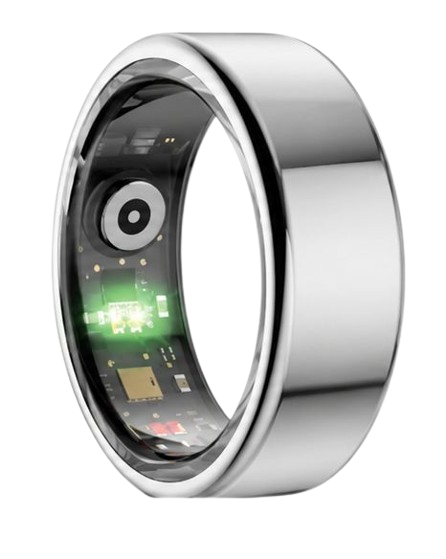
The Herz P1 smart ring features three miniature, high-frequency light-emitting diodes positioned on the inner band.
These optical sensors project green, red, and infrared light wavelengths directly into your finger’s rich capillary bed.
As your heart pumps blood, the blood vessels expand and contract, altering the amount of light that absorbs or reflects back.
A highly sensitive photodetector captures these rapid, subtle changes in light reflection thousands of times per second.
Our proprietary algorithms translate this raw light data into clear pulse waves that calculate your heart rate.
By measuring the microscopic variations between these pulse peaks, the system calculates your heart rate variability.
The infrared sensor also reads how much oxygen is circulating in your blood, providing real-time SpO2 trends.
This continuous monitoring allows the app to detect sympathetic nervous system spikes within seconds of their occurrence.
You receive highly accurate, scientific feedback without having to wear a tight chest strap or visit a laboratory.
Understanding the physics behind this device helps you appreciate the clinical-grade tracking occurring on your finger.
Making Data Work for You: Practical Daily Wear and Biometric Interpretation
Collecting health data is only useful if you know how to apply it to your daily routine.
The Herz P1 companion app displays your metrics in clean, easy-to-read dashboards that require zero technical expertise.
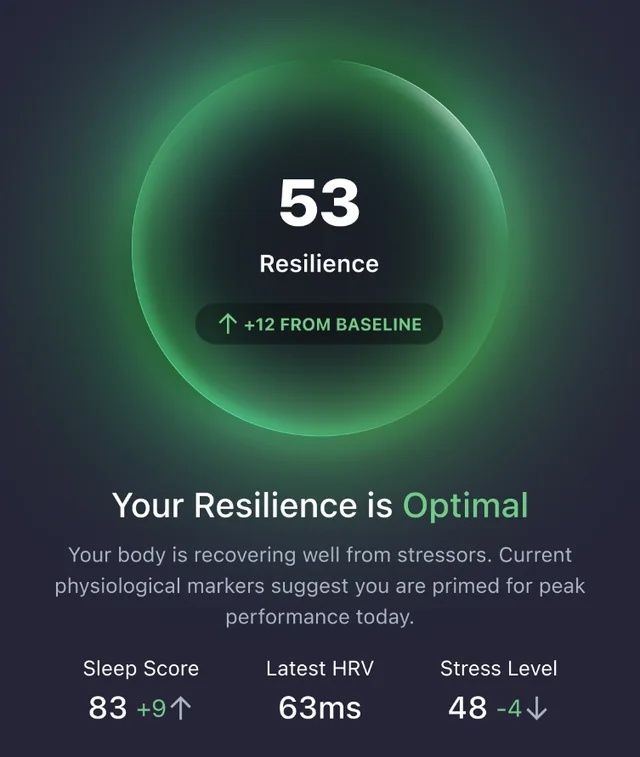
Every morning, look at your Sleep Score to determine how demanding your day should be.
If your Sleep Score is high, your body is fully recovered and ready for high-intensity exercise or complex work projects.
If your Sleep Score is low, consider scaling back your workouts and scheduling more rest periods throughout the day.
Check your real-time Stress Index before important meetings to ensure you are entering them in a calm state.
If your stress score is elevated, take three deep breaths to reset your nervous system.
The light, comfortable design of our ring makes it easy to collect clean, continuous data all day and night.
Unlike bulky smartwatches that pinch your wrist, you will barely feel the Herz P1 on your finger.
This comfort is essential for capturing accurate overnight metrics without disrupting your natural sleep movements.
By wearing the ring continuously, you create a seamless picture of your long-term physical health and resilience.
Avoiding Wearable Pitfalls: Subscriptions, Bulk, and Battery Anxiety
Many people purchase advanced health trackers only to stop using them after a few short weeks.
One common mistake is wearing a heavy, bulky smartwatch to sleep every single night.
These large screens often glow during the night, waking you up and ruining your sleep quality.
They can also cause skin irritation and physical discomfort when worn for long periods.
Another major frustration is discovering that your new device requires an expensive monthly subscription to access your own data.
These hidden ongoing fees turn a simple health purchase into a perpetual financial burden.
The Herz P1 solves these problems by offering a sleek, distraction-free design with a lifetime free companion app.
Our app will never lock your personal health data behind a monthly paywall.
Additionally, our rapid charging system takes the ring from empty to full in under one hour.
You can wear it for six days on a single charge, eliminating daily battery anxiety entirely.
Choosing a subscription-free, comfortable tracker ensures you stick to your wellness goals for years to come.
Frequently Asked Questions
Is the Herz P1 smart ring waterproof?
Yes, the Herz P1 features a full IP68 waterproof rating.
This means you can submerge the ring in water up to 164 feet deep without damaging any internal components.
It is perfectly safe to wear while washing your hands, taking a shower, swimming laps, or relaxing in a hot tub.
The military-grade steel outer shell protects the delicate optical sensors from water damage and corrosive chlorine.
How long does the battery last and how fast does it charge?
The Herz P1 provides up to six days of continuous, active tracking on a single charge.
This long battery life includes continuous overnight sleep monitoring and daily heart rate checks.
When the battery runs low, you can charge it fully in under one hour using the included magnetic charger.
Our fast-charging technology ensures you never have to miss a single night of crucial biometric data.
Which finger is the best option for wearing the smart ring?
For the most accurate biometric readings, we recommend wearing the Herz P1 on your index, middle, or ring finger.
The index finger of your non-dominant hand typically provides the strongest, clearest blood flow signals for the optical sensors.
Make sure the ring fits snugly but comfortably without rotating too easily around your finger knuckle.
You should be able to remove the ring easily without using soap or struggle at the end of the day.
Does the Herz P1 store my health data offline?
Yes, the Herz P1 features seven days of local onboard memory storage.
This means you do not need to keep your smartphone nearby or connected to Bluetooth at all times.
The ring will continue to track your sleep, heart rate, and stress levels completely offline.
All your stored data will sync automatically to your companion app the next time you open it.
Conclusion: Your Subscription-Free Wellness Journey Starts Here
Managing physical stress naturally is an ongoing, daily journey that requires the right scientific tools.
The military-grade Herz P1 smart ring is your ultimate companion to track somatic triggers and protect your peace.
Ready to monitor your health every day? Explore the Herz P1 Smart Ring and see if it fits your lifestyle. Call: 1-866-479-1629 — our team can help you advise on the correct ring size and set personalized health goals.
Note: Individual results may vary depending on individual health conditions, age, and lifestyle habits. This article is intended for general health reference purposes only.
