

Unlocking the natural morning sunlight benefits is the most effective way to optimize your sleep and daily focus. By aligning your internal clock with natural light, you can trigger morning energy and prepare your body for deep recovery tonight. Our team at Team Herz P1 designed the subscription-free Herz P1 Smart Ring to track these positive lifestyle improvements seamlessly.
Built to Last. Save Up to 69% Today.
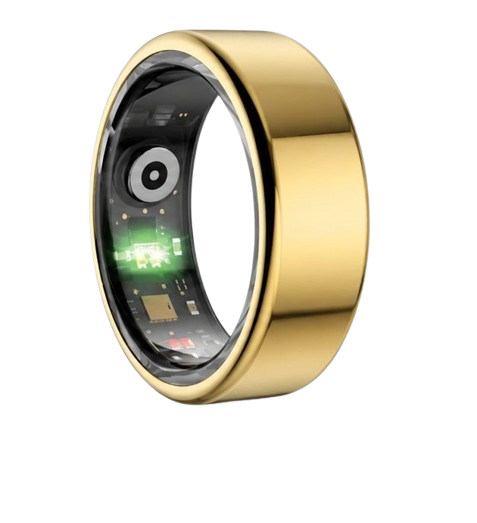
The Herz P1 Smart Ring tracks HRV, Sleep, Heart Rate & SpO2 around the clock. No subscriptions. No renewals. Ever.
In This Article
- How to Build a Morning Light Routine: A comprehensive, five-step guide to naturally timing your outdoor light exposure.
- The Biological Science of Morning Sunlight: How photon wavelengths interact with your retinal cells to trigger natural melatonin suppression.
- Preventing Mid-Day Energy Crashes: Strategies to clear sleepy adenosine and naturally optimize daily alertness patterns.
- Tracking Sleep and Recovery with Herz P1: Real-world protocols to measure structural HRV, SpO2, and resting heart rate improvements.
How to Maximize Your Morning Sunlight Routine: A Step-by-Step Guide

Establishing a consistent, science-backed lifestyle protocol is essential to unlocking the deep restorative powers of natural light.
Many busy office workers spend their early hours under artificial bulbs, which do not provide the correct lux intensity to wake up the brain.
By executing a deliberate habit, you can naturally reset your hormonal baseline and dramatically improve your overnight sleep architecture.
Prerequisites and What You Need
To begin this simple protocol, you do not need expensive specialized equipment or artificial light boxes.
You only need direct outdoor access, a clear sky, and a reliable way to monitor your physical recovery markers over time.
Ensure that you have at least ten to twenty minutes set aside every morning, immediately after waking up, to step outside.
-
Step 1: Step Outside Within Thirty Minutes of Waking
Do not check your smartphone or turn on indoor television screens immediately upon opening your eyes.
Instead, pull on a light jacket if necessary and walk directly outside into the fresh outdoor air.
The lux level of rising sunlight, even on an overcast morning, is exponentially stronger than any indoor office light.
This early timing is critical because it tells your brain that your awake cycle has officially begun.
-
Step 2: Remove Eyeglasses and Step Away from Windows
Do not look at the outdoor sky through a window or glass sliding door because glass filters out the essential blue light wavelengths.
Always step completely outside to allow unfiltered photons to strike your eyes naturally.
Never wear sunglasses during this dedicated morning window, as dark lenses actively block the beneficial ocular pathway.
If you wear normal corrective contact lenses or prescription glasses without UV filters, you may keep them on.
-
Step 3: Direct Your Gaze Toward the Eastern Horizon
Look toward the general direction of the sunrise without looking directly into the sun itself.
Staring straight at the sun can cause severe, permanent damage to your sensitive retinas.
Instead, simply look slightly to the side of the eastern horizon to absorb the ambient scattered light waves.
This wide-angle gaze naturally stimulates your entire retinal surface, maximizing the physical signal sent to your brain.
-
Step 4: Adjust Exposure Duration Based on Cloud Cover
On clear, bright sunny days, you only need five to ten minutes of direct light exposure to reset your brain.
On cloudy or overcast days, the lux levels are lower, requiring you to stay outside for fifteen to twenty minutes.
On very dark, rainy winter mornings, extend your outdoor exposure time to thirty full minutes for optimal results.
Consistency is much more important than duration, so aim to complete this routine every single day of the week.
-
Step 5: Move Gently to Enhance Circulation
Do not sit completely still while absorbing the early morning light waves.
Instead, pace gently around your yard, perform light stretching, or drink a glass of fresh water.
This gentle movement combines physical circulation with ocular light stimulation, magnifying your natural morning cortisol response.
This active habit helps clear away remaining sleep inertia, leaving you feeling sharp and ready for the workday.
To ensure this morning routine is producing real physiological benefits, you need a high-precision, non-intrusive tracking system.
The Herz P1 Smart Ring continuously tracks your overnight biometric data, showing you exactly how your morning sunlight habits translate to improved sleep stages.
By monitoring changes in your resting heart rate and deep sleep duration, you can see the direct impact of your natural light exposure on your recovery dashboard.

The Biological Science of Morning Sunlight and Your Core Body Temperature
The human brain relies on external sensory anchors to coordinate its complex daily biological processes.
When light waves enter the eye early in the morning, they strike specialized cells called intrinsically photosensitive retinal ganglion cells.
These cells contain a blue-light-sensitive pigment called melanopsin, which is highly responsive to the specific wavelengths of morning sunlight.
Once stimulated, these cells send a direct neural pathway signal to your suprachiasmatic nucleus, the master internal clock of the brain.
This master clock instantly halts the production of melatonin, the hormone responsible for making you feel sleepy.
Simultaneously, the suprachiasmatic nucleus triggers a healthy, natural spike in cortisol, known as the cortisol awakening response.
This natural hormone cascade serves as a daily biological timer, setting your body up to feel energized for the next fifteen hours.
According to the National Sleep Foundation, this early daylight trigger is the single most important factor for maintaining a healthy sleep wake cycle circadian rhythm.
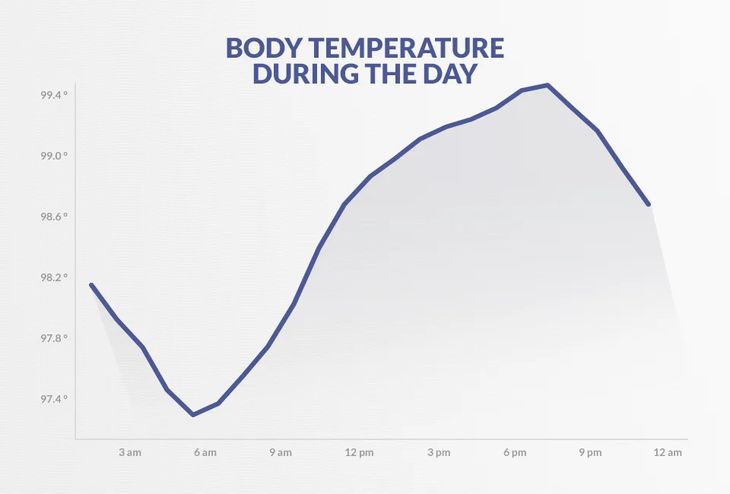
In addition to hormonal regulation, this light trigger helps raise your internal core body temperature.
Your internal temperature naturally bottoms out in the pre-dawn hours, making you feel cold and sluggish.
Absorbing natural light warm-starts your metabolism, causing your internal temperature to rise rapidly after waking.
By raising this physical benchmark early in the day, you establish a strong, distinct wakefulness phase.
At night, your body needs a drop in temperature to fall asleep, which is facilitated by this strong morning peak.
This natural rise and fall of temperature forms the foundation of deep, restorative slow-wave sleep stages.
Why Mid-Day Fatigue Happens and How Morning Light Viewing Prevents It
Many busy professionals ask themselves, why am i always tired in the afternoon, when staring at computer monitors.
This common slump is often caused by a buildup of a natural chemical called adenosine in your nervous system.
Adenosine acts as a cellular sleep pressure meter, accumulating every single hour that you remain awake.
If you stay in dimly lit indoor spaces, your brain does not clear this chemical efficiently, leaving you feeling foggy.
Using artificial blue light to keep you awake at night further disrupts this natural process, trapping you in a cycle of fatigue.
Getting early morning sunlight clears away lingering adenosine, leaving your brain clean and functional.
Furthermore, many people rely on drinking dark coffee immediately after waking to bypass this morning grogginess.
However, consuming caffeine too early blocks your adenosine receptors instead of clearing the sleep pressure naturally.
This caffeine blockage wears off in the afternoon, causing a dramatic, sudden energy crash.
Delaying your morning espresso until your natural caffeine window of ninety minutes post-waking helps prevent this crash.
Understanding how caffeine impacts sleep and recovery is essential for anyone seeking stable daily focus.
By combining delayed caffeine with early light viewing, you can eliminate afternoon fatigue entirely.
This double routine ensures that your natural alertness peaks at the correct, productive hours of the day.
Adapting Your Sun Exposure for Seasonal Shifts and Sleep Recovery
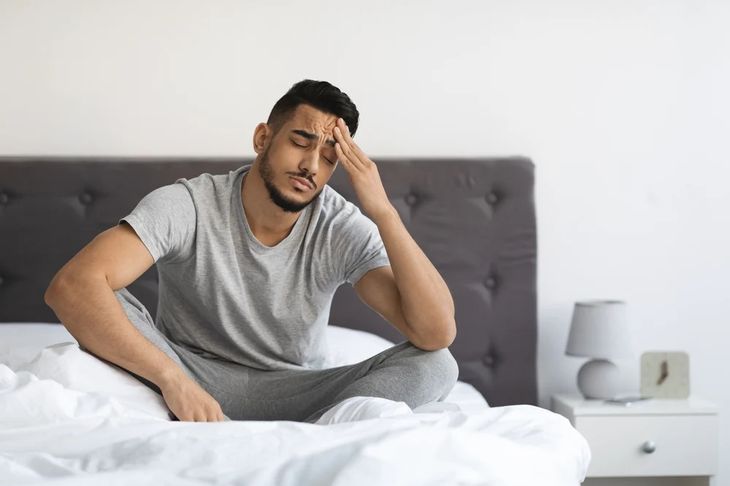
Maintaining a healthy sleep routine becomes much more challenging during the dark, cold winter months.
The late sunrise times and low solar angles make it difficult to get sufficient light exposure before starting work.
During these dark periods, many people suffer from seasonal sluggishness and poor overnight recovery scores.
Reading our specialized guide on sleeping winter can provide you with actionable strategies to combat this seasonal drop.
On dark winter mornings, you can use high-lux artificial morning lighting panels to mimic the natural sunrise.
However, as soon as the sun breaks through the horizon, you should still step outside for a short walk.
Even cold winter light contains a high concentration of beneficial blue-sky light waves.
Combining your seasonal light viewing with physical cold exposure can further boost your circulation.
A brisk three-minute walk in the chilly air stimulates your sympathetic nervous system, boosting adrenaline naturally.
This simple combination acts as a powerful, non-pharmacological morning wake-up system.
By adapting your morning habits to the changing seasons, you can maintain high energy levels all year round.
This seasonal resilience is exactly what separates high-performing individuals from those who struggle with dark mornings.
How to Read Your Recovery and Stress Metrics on the Herz P1 App
Consistent daily habits produce structural changes in your autonomic nervous system that must be tracked to be understood.
The Herz P1 Smart Ring features advanced multi-wavelength optical PPG sensors that read your blood flow patterns at the base of your finger.
This location provides a much stronger signal than wrist-based wearables, as the digital arteries are closer to the skin surface.
Every morning, you can open the free Herz P1 App to view your overnight Heart Rate Variability (HRV) and resting heart rate trends.
As your circadian alignment improves from morning light exposure, you will notice your overnight HRV scores trending upward.
A higher HRV indicates that your body is successfully shifting into a state of deep, restorative parasympathetic recovery.
Additionally, the app displays your precise Sleep Stage Analysis, highlighting the duration of your Deep and REM sleep cycles.
Because the Herz P1 is constructed from lightweight, military-grade steel, you can wear it comfortably 24/7 without noticing it on your hand.
Unlike heavy, bulky smartwatches that pinch the skin, this sleek ring feels completely natural during overnight sleep tracking.
The app translates this raw data into a simple daily Recovery Score, helping you plan your exercise intensity and daily work load.
Avoiding Smartwatch Discomfort and Hidden Subscription Fees
Many health-conscious individuals buy complex smartwatches only to find them uncomfortable for overnight wear.
The heavy chassis and bright, distracting screen of a smartwatch can actively disrupt your sleep quality.
Furthermore, many premium wearable brands require a high monthly subscription fee just to view your own health history.
This means you must pay an ongoing cost month after month, simply to access your heart rate and sleep graphs.
At Team Herz P1, we believe that your personal health data should belong to you completely, without any hidden paywalls.
The Herz P1 App is 100% free for lifetime, providing full access to all historical trends, sleep stages, and HRV metrics.
You pay once for the high-quality hardware and never have to worry about monthly renewals or recurring app charges.
Our military-grade steel ring is completely waterproof to an IP68 standard, protecting it from hand washing, showers, and heavy sweat.
This durable, subscription-free approach makes professional health tracking accessible and worry-free for everyone.
Frequently Asked Questions About Morning Light and Biometric Tracking
Is the Herz P1 Smart Ring waterproof enough for daily life?
Yes, the Herz P1 features a robust IP68 waterproof rating, making it completely resistant to water ingress up to fifty feet deep.
You can safely wear the ring while washing dishes, taking a hot shower, swimming laps, or relaxing in a dry sauna.
The seamless inner molded liner ensures that no moisture can reach the internal optical sensors or battery components.
How long does the ring battery last on a single charge?
The Herz P1 delivers a reliable six-day battery life, even with continuous HRV and sleep staging enabled 24/7.
When the battery runs low, you can place the ring on its magnetic charging cradle to reach a full charge in under one hour.
This rapid charging capability means you never have to miss an overnight sleep tracking cycle due to a dead battery.
Which finger is the best option to wear the smart ring on?
The index finger of your non-dominant hand is the preferred choice for the highest biometric measurement accuracy.
The index finger contains a high density of superficial capillaries, allowing the optical PPG sensors to read clean pulses.
If you prefer, you can also wear the ring on your middle or ring finger, as long as it fits snugly without rotating.
Does the Herz P1 store health data when away from my phone?
Yes, the ring features seven days of local offline memory to store your metrics when your phone is turned off.
The next time you open the app, the ring will automatically sync all stored sleep and heart rate data via Bluetooth.
This means you can sleep with your phone in another room without worrying about losing any overnight recovery insights.
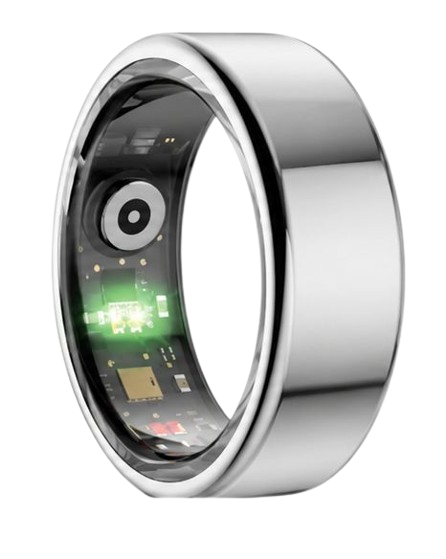
90-Day 100% Money-Back Guarantee
“The Herz Smart Ring helps me manage stress easily. It’s accurate, stylish, and lightweight—perfect for my busy life!”
— Jennifer P. | ✔ Verified Customer
- ✓ 6-Day Battery Life
- ✓ Detailed Sleep Analysis
- ✓ Fast 1-Hour Charging
- ✓ iOS & Android Ready
Questions? Call: 1-866-479-1629
Conclusion
Embracing morning light and tracking your biometrics will unlock lasting physical vitality.
The Herz P1 Smart Ring is your reliable health companion to measure this progress every day.
Ready to monitor your health every day? Explore the Herz P1 Smart Ring and see if it fits your lifestyle. Call: 1-866-479-1629 — our team can help you advise on the correct ring size and set personalized health goals.
Note: Individual results may vary depending on individual health conditions, age, and lifestyle habits. This article is intended for general health reference purposes only.
