

According to clinical sleep studies, exposure to artificial screen glare can suppress melatonin levels by up to 50 percent, making it clear why exposure to blue light to keep you awake at night disrupts your master biological clock. Team Herz P1 understands how evening screen habits compromise your deep recovery, which is why we engineered a military-grade tracking solution to help you identify these hidden environmental sleep disruptors and regain control over your restorative sleep architecture.
Built to Last. Save Up to 69% Today.
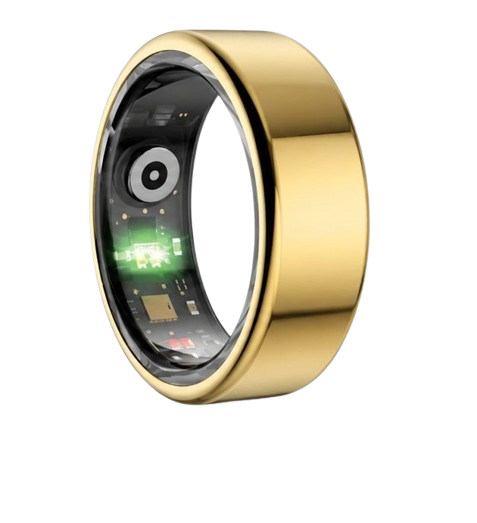
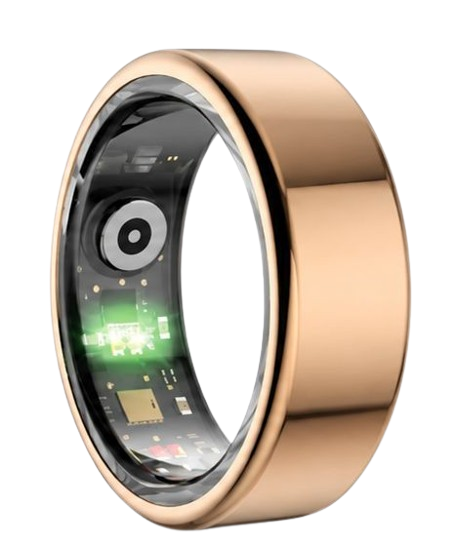
The Herz P1 Smart Ring tracks HRV, Sleep, Heart Rate & SpO2 around the clock. No subscriptions. No renewals. Ever.
In This Article
- How to Shield Your Sleep Space: A highly structured, step-by-step approach to purging blue wavelengths from your evening life.
- The Science of Melanopsin Activation: Why particular wavelengths between 460nm and 480nm command your brain to stay awake.
- Biometric Consequences: How evening light changes your heart rate variability (HRV) and lightens sleep architecture.
- Actionable Data Analysis: Using high-accuracy smart rings to observe real-time physiological improvements.
How to Eliminate Nighttime Blue Light: A Step-by-Step Recovery Protocol

Optimizing your light hygiene requires deliberate changes to your physical surroundings and evening electronics routine.
You will need a systematic approach to alter your exposure pattern before sleep.
Prepare by gathering simple tools like amber tape, warm light bulbs, or dedicated blue-blocking glasses.
-
Step 1: Conduct a High-Wavelength Home Audit
Walk through your home at night to locate bright indicator lights, LED displays, and cool-toned bulbs.
Identify any appliances emitting crisp cool light in your bedroom, bathroom, or kitchen hallways.
Cover annoying digital appliance screens with small sheets of dimming foil or dark amber tape.
Swap out standard high-kelvin white light bulbs in these areas for warm amber versions.
-
Step 2: Initiate a Digital Sunset Window
Decide on a firm digital cutoff time precisely ninety minutes before your planned sleep window.
Shut down primary work monitors, computer screens, and portable electronic hand-held devices entirely.
Shift necessary communication demands to simpler analog alternatives or hands-free voice calls.
Use this transition period to signal your brain that the active day is officially over.
-
Step 3: Deploy Software Filters on Critical Devices
Download specialized color-temperature adjustment software on devices you must use at night.
Configure these programs to shift screen displays toward deep red hues as sunset approaches.
Ensure that portable phones utilize internal night-shift modes locked on the warmest settings.
Keep device screens positioned below eye level to reduce photic exposure to your upper retinas.
-
Step 4: Wear Specialized Amber Eyewear
Acquire high-quality orange or amber glasses designed specifically to block high-frequency light spectra.
Put these protective lenses on the moment your targeted home digital sunset window begins.
Verify that your glasses block wavelengths up to 500 nanometers for optimal ocular protection.
Wear them consistently when navigating rooms lit by standard overhead household light fixtures.
-
Step 5: Transition to Warm Luminescence
Switch off harsh overhead lights and utilize low-placed lamps featuring specialized red-spectrum bulbs.
Keep lighting levels close to floor level to mimic the natural setting of the sun.
Allow your eyes to adjust naturally to lower levels of ambient light before heading to bed.
Maintain this gentle, dark-hued environment until you close your eyes to fall asleep.
Following this structured light elimination plan directly improves how your body initiates overnight metabolic repair.
To see the physiological results of your changes, track your recovery metrics using the Herz P1 Smart Ring.
The device monitors heart rate variability and deep sleep trends overnight, showing you exactly how removing artificial light helps your body recover.
90-Day 100% Money-Back Guarantee
“The Herz Smart Ring helps me manage stress easily. It’s accurate, stylish, and lightweight—perfect for my busy life!”
— Jennifer P. | ✔ Verified Customer
- ✓ 6-Day Battery Life
- ✓ Detailed Sleep Analysis
- ✓ Fast 1-Hour Charging
- ✓ iOS & Android Ready
Questions? Call: 1-866-479-1629
The Science of Sleep Disruption: Why Wavelengths Wake the Brain
Human eyes contain specialized light-sensitive nerve cells called intrinsically photosensitive Retinal Ganglion Cells.
These visual receptors contain a photopigment called melanopsin which is uniquely sensitive to high-energy visible light.
When blue spectrum rays between 460nm and 480nm strike your eyes, they instantly activate these pathways.
This neural signal travels directly to the suprachiasmatic nucleus, the master internal clock in your brain.
The brain interprets these specific wavelengths as bright daylight, even if it is midnight.
As a result, the pineal gland immediately halts its production of melatonin, the hormone responsible for sleepiness.
This pathway is highly sensitive to light, requiring only small amounts of screen exposure to disrupt your natural rhythm.
The National Sleep Foundation warns that even short exposures to smart screens before bed can delay sleep onset by up to an hour.
Combining evening light limits with early morning sunlight benefits helps anchor your circadian cycle and keeps it aligned.
Without structured circadian habits, your sleep quality declines, leaving you waking up feeling tired and unrested.
Ensuring you have darkness at night helps your pineal gland produce healthy amounts of melatonin.
Protecting this natural hormone synthesis helps your body smoothly transition into restorative slow-wave sleep cycles.
The Biometric Toll: How Evening Light Shifts Your Heart Rate Variability
Using screens at night does more than just keep you awake; it physically impacts your nervous system.
Exposure to high-energy light triggers a sympathetic nervous system response, releasing low levels of cortisol.
This cortisol spike artificially raises your resting heart rate and keeps your body in a mild alert state.
This state of alertness reduces heart rate variability, a key indicator of your body’s stress recovery.
A lower nightly HRV indicates that your body is struggling to rest and recover.
The American Heart Association highlights HRV as an important indicator of autonomic nervous system balance.
When you sleep in an environment with ambient blue light, your body struggles to stay in deep sleep stages.
Instead, your sleep architecture shifts toward lighter, easily disrupted stages, leading to nighttime wakefulness.
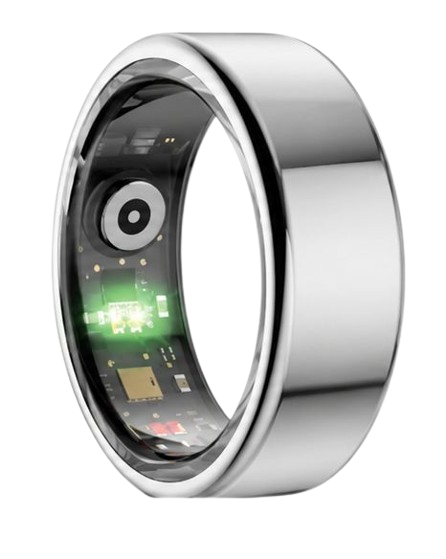
The Herz P1 Smart Ring tracks these subtle biological changes using multi-wavelength photoplethysmography sensors.
By measuring these shifts, the ring can show you exactly how light exposure changes your autonomic nervous system balance.
Just as understanding how caffeine impacts sleep helps you avoid late-day stimulants, managing your light exposure protects your sleep architecture.
Analyzing these trends over time helps you optimize your evening routine for better physical and mental recovery.
Reading Your Biometric Trends: Sleep Optimization with Herz P1

The Herz P1 companion app translates complex biological signals into clear, actionable nightly sleep scores.
By analyzing heart rate variability, resting heart rate, and movement, the ring maps out your overnight sleep stages.
Look at your deep sleep and REM sleep ratios to evaluate how your evening environment is affecting your rest.
If your deep sleep levels drop below fifteen percent, look for hidden light sources in your room.
Use the ring’s continuous SpO2 readings to confirm your breathing remains stable throughout the night.
If you see sudden spikes in your resting heart rate, try starting your digital sunset window earlier.
Tracking these patterns allows you to make precise adjustments to your bedroom environment.
With its lightweight, military-grade steel design, the ring remains comfortable to wear all night long.
Consistent tracking provides the accurate baseline data you need to make healthy lifestyle adjustments.
Over time, you will watch your sleep scores rise as you minimize blue light exposure in your bedroom.
Overcoming Obstacles: Smart Sizing, Comfort, and Hidden Costs
Many people abandon sleep tracking because traditional smartwatches are bulky and uncomfortable to wear in bed.
Large watch screens can also accidentally light up at night, disrupting your sleep and waking you up.
Additionally, many wearable brands charge expensive monthly subscription fees to access your health data.
This means you pay an ongoing cost to see the health metrics your device is already collecting.
The Herz P1 Smart Ring solves this problem by offering a lightweight, subscription-free alternative.
The sleek, screen-free ring sits comfortably on your finger, allowing you to sleep without distractions.
You receive full access to all your biometric trends without any ongoing monthly fees.
This makes it easy to monitor your long-term health trends without unexpected expenses.
Its durable, military-grade design is built to withstand both daily wear and intense workouts.
Choosing a screen-free, subscription-free tracking ring allows you to focus on your recovery without added stress.
Frequently Asked Questions
Is the Herz P1 Smart Ring waterproof enough for swimming?
Yes, the Herz P1 features a certified IP68 waterproof rating that allows for continuous underwater exposure.
It can safely withstand depths of up to 164 feet, making it perfect for pool workouts and daily showers.
You can wear the ring while swimming or washing dishes without worrying about damaging its advanced internal sensors.
How long does the ring’s battery last on a single charge?
The Herz P1 provides up to six days of continuous, reliable biometric tracking on a single charge.
Its high-efficiency battery charges from zero to one hundred percent in less than an hour.
This quick charging capability ensures you never have to miss a night of tracking your sleep data.
Which finger is best for wearing the tracking ring?
We recommend wearing the ring on your index, middle, or ring finger for the most accurate sensor readings.
The index finger of your non-dominant hand typically offers the strongest, most consistent pulse signal.
Ensure the ring fits snugly but comfortably, without rotating easily around your knuckle.
Can the ring store my health data when my phone is offline?
Yes, the Herz P1 features local storage that saves up to seven days of biometric data offline.
Your stored data will sync automatically with the companion app once your phone reconnects via Bluetooth.
This allows you to track your sleep trends without needing your phone next to your bed.
Conclusion
Eliminating evening blue light is a simple, highly effective way to improve your recovery and sleep architecture.
Ready to monitor your health every day?
Explore the Herz P1 Smart Ring and see if it fits your lifestyle.
Call: 1-866-479-1629 — our team can help you choose the right ring size and set personalized health goals.
