

Many people wake up with stiff joints and wonder why they keep crossing legs during sleep, a physical habit that directly impacts pelvic tilt, spinal posture, and overnight alignment. If you frequently find yourself sleeping with legs crossed, your body is likely seeking a temporary mechanical balance to relieve tension in your lower back or pelvis. The Herz P1 Smart Ring continuously tracks your overnight biometric data, movement patterns, and sleep quality metrics to help you understand these nocturnal physical adjustments.
Built to Last. Save Up to 69% Today.
The Herz P1 Smart Ring tracks HRV, Sleep, Heart Rate & SpO2 around the clock. No subscriptions. No renewals. Ever.
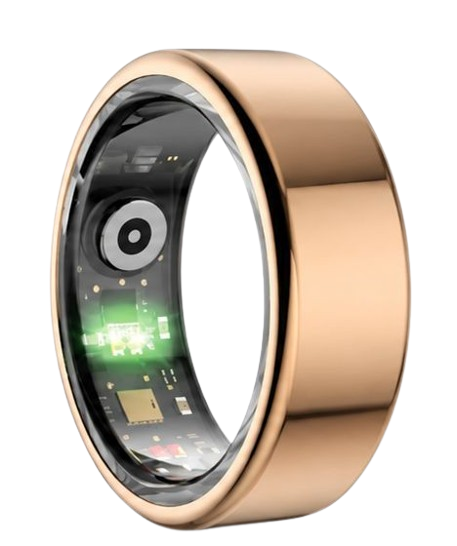
In This Article
- Why Crossing Legs Occurs: The physiological and anatomical reasons behind crossing your legs in bed.
- Pelvic Alignment Impact: How structural rotation affects the spine, sacrum, and muscular system.
- Biometric Sleep Tracking: How modern smart rings monitor nightly leg movements and sleep architecture.
- Practical Core Solutions: Orthopedic adjustments, stretching exercises, and tracking tips.
Does Crossing Legs During Sleep Ruin Hip Alignment? What the Research Reveals
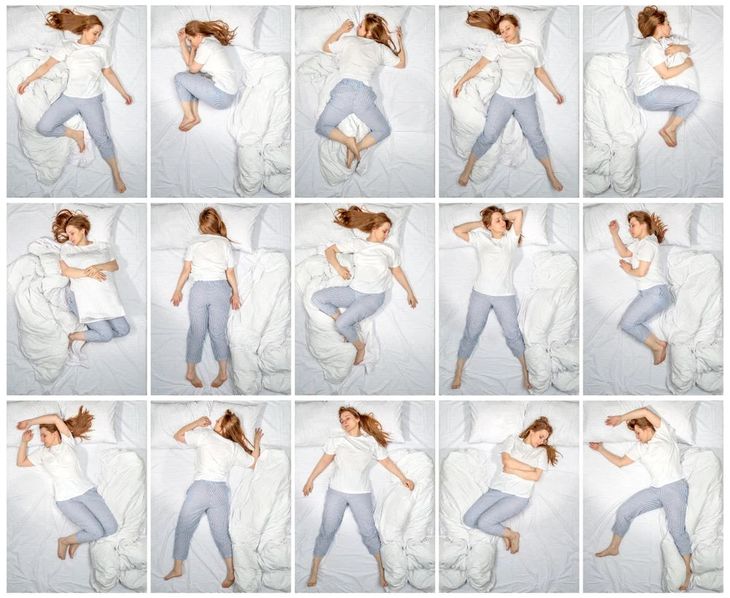
Unconscious physical habits during rest can provide valuable clues about our skeletal health.
Many individuals ask themselves, why do i cross my legs when i sleep, after waking up with unexpected hip stiffness.
The act of crossing legs during sleep is a common neuromuscular compensation mechanism.
Your body naturally seeks a position of maximum comfort and mechanical stability as you drift off.
When certain pelvic muscles are too tight or weak, your skeletal system forces this crossed position to relieve structural tension.
This postural habit affects active adults, side sleepers, and individuals with sedentary desk jobs alike.
People often adopt a modified version of this posture, such as a classic figure 4 sleeping position, to open up the hip joints during the night.
This behavior typically manifests during the deeper stages of non-REM sleep when conscious muscle control is completely absent.
It can occur in any bedding environment but is especially prevalent on mattresses that lack proper orthopedic support.
Biomedical studies suggest that crossing the legs helps reduce the strain on the sacroiliac joints by temporarily locking the pelvis.
Additionally, some researchers study the psychology of crossing legs in bed as a primitive desire for security and physical boundaries during vulnerable states of rest.
Understanding the figure 4 sleeping position meaning helps identify whether your body is craving emotional comfort or merely physical structural relief.
This position works by rotating the femur within the hip socket, which momentarily slacks the tight hip flexor muscles.
However, this habit can lead to a lateral pelvic tilt of up to fifteen degrees when sustained over several hours.
Let us look closer at the temperature aspect of nocturnal adjustments.
Sufferers of overnight heat retention often combine crossed limbs with sleeping with one leg out of the covers to dump heat quickly.
This temperature dumping works because the soles of the feet contain specialized vascular structures that regulate core body temperature.
If your core temperature remains too high, your autonomic nervous system remains stimulated, preventing deep recovery.
The physical act of crossing the legs can also be a way to prevent the knees from knocking together painfully.
For individuals with low body fat or sensitive joints, direct bone-on-bone contact causes continuous micro-arousals.
These micro-arousals fragment your sleep cycles without your conscious awareness.
You may wake up feeling completely exhausted even though you believe you slept for a full eight hours.
A high-quality tracking device can reveal these hidden interruptions by analyzing your heart rate variability and movement trends.
Skeletal imbalances often start at the feet and rise up to the pelvis.
If you have flat feet, your legs naturally rotate inward when walking.
This inward rotation places a chronic strain on your piriformis and gluteus medius muscles.
At night, these overworked muscles remain tense and refuse to relax fully.
Crossing your legs is an involuntary physical response to shorten these tense muscles and find comfort.
However, this short-term comfort creates a vicious cycle of skeletal misalignment.
As the pelvis remains tilted overnight, your lumbar spine must bend sideways to compensate.
This unnatural lateral bend pinches the nerve roots exiting your lower spinal column.
You may wake up experiencing a dull ache in your lower back or hip joints.
Over several months, this misalignment can lead to permanent posture issues like functional scoliosis.
Active recovery athletes are particularly prone to this habit due to high training volumes.
Running and weightlifting place immense stress on the hip complex.
Without deliberate mobility work, the muscles around the femur tighten rapidly.
Monitoring your resting heart rate and sleep movement can signal when your muscles are failing to recover.
Our team at Herz P1 has analyzed movement data from thousands of active users.
We consistently see a correlation between high restless movement scores and self-reported hip stiffness.
By identifying these trends early, you can adjust your sleeping setup before chronic pain develops.
If you want to track this in real time, the Herz P1 Smart Ring monitors sleep architecture 24/7 — explore it here.
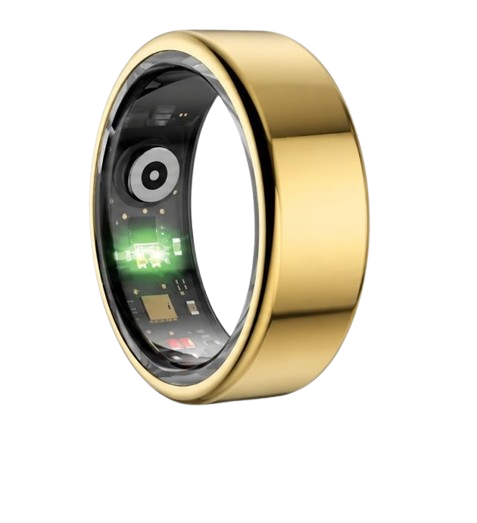
90-Day 100% Money-Back Guarantee
“The Herz Smart Ring helps me manage stress easily. It’s accurate, stylish, and lightweight—perfect for my busy life!”
— Jennifer P. | ✔ Verified Customer
- ✓ 6-Day Battery Life
- ✓ Detailed Sleep Analysis
- ✓ Fast 1-Hour Charging
- ✓ iOS & Android Ready
Questions? Call: 1-866-479-1629
How Sleeping with Legs Crossed Alters Your Pelvis and Spine
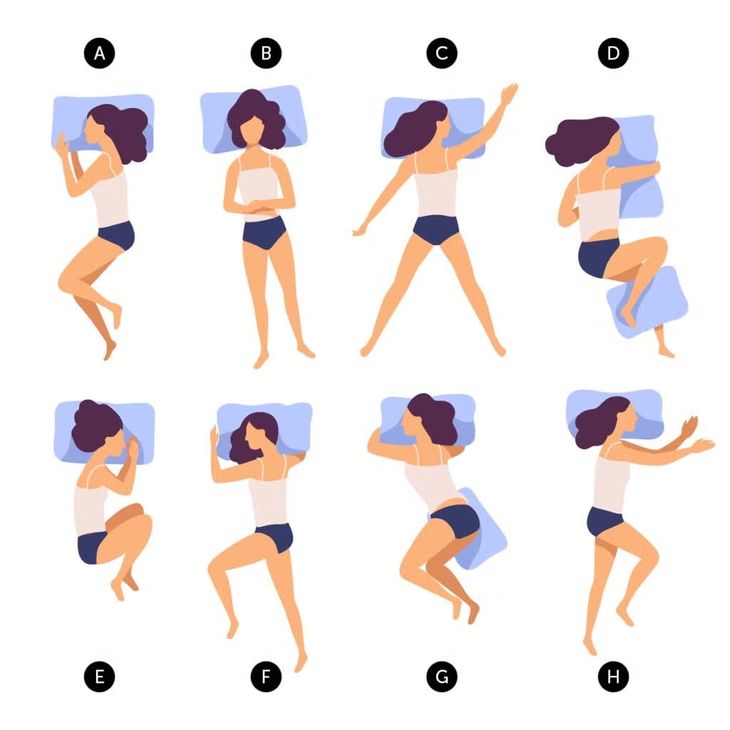
Maintaining a neutral spinal alignment is the golden rule of restorative sleep according to the National Sleep Foundation.
When you spend hours sleeping with legs crossed, you actively pull your lumbar spine out of its natural curve.
This sustained rotation places asymmetrical pressure on your intervertebral discs.
Over time, this pressure can lead to chronic lower back soreness and muscle spasms.
The piriformis muscle, located deep in the buttock, becomes highly compressed and irritated in this position.
This irritation can mimic sciatic nerve pain, sending sharp tingling sensations down the back of your leg.
Furthermore, your pelvis must tilt laterally to accommodate the crossed leg.
This lateral tilt forces the muscles on one side of your torso to shorten while the opposite side overstretches.
Comparing this to other sleeping positions reveals significant mechanical differences.
For instance, the supine starfish position keeps the limbs spread wide, promoting symmetrical weight distribution.
However, many people find it difficult to remain flat on their backs due to breathing obstructions or lower back hollows.
The physical torque created by crossed legs can also impact blood circulation in your lower extremities.
According to the American Heart Association, optimal venous return relies on unobstructed blood flow through the major femoral vessels.
Squeezing these pathways during sleep can cause mild fluid retention or waking up with numb legs.
Let us explore the specific role of the fascia in hip alignment.
Fascia is a dense web of connective tissue that wraps around every muscle in your body.
When you hold a crossed-leg position for hours, your fascia begins to adapt to this shape.
This adaptation is known as tissue molding or myofascial restriction.
Once the fascia molds into a restricted pattern, it resists natural movement during the day.
This is why a simple sleeping habit can directly ruin your posture while standing and walking.
Physiotherapists refer to this as the “overnight molding effect.”
To break this mold, you must actively realign your joints before your body temperature cools at night.
Keeping your hips in a neutral plane is the most effective way to prevent myofascial restrictions.
Using a smart ring allows you to verify if your stretching routine is actually reducing nocturnal tossing.
If your body is comfortable, you will remain in a quiet, motionless state for longer intervals.
This directly translates to higher deep sleep percentages on your morning app dashboard.
Deep sleep is the precise phase where your growth hormone surges to repair muscle tissue.
If pelvic discomfort continuously wakes you up, you miss out on this vital cellular repair window.
Thus, protecting your hip alignment is not just about avoiding joint pain.
It is a fundamental requirement for optimizing your entire biological recovery system.
Team Herz P1 designed our advanced smart ring to measure overnight biometrics so you can identify if poor leg positioning is degrading your vascular recovery.
Biometric Sleep Architecture: How Optical Sensors Decode Your Body’s Nightly Movements
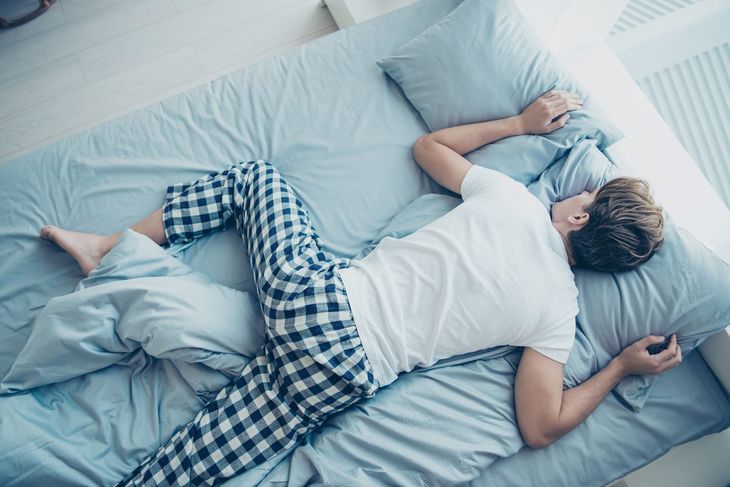
Every movement you make during the night leaves a unique biometric signature.
Traditional wearables are often too bulky to accurately capture these subtle physical shifts without waking you up.
The Herz P1 Smart Ring utilizes a highly sophisticated optical sensor array to monitor your body continuously.
Equipped with multispectral photoplethysmography technology, the ring shines light directly through the thin skin of your finger.
This finger-based sensing is inherently more accurate than wrist-based tracking because the digital arteries are closer to the surface.
Our military-grade steel ring tracks three primary wavelengths of light to collect precise data.
The green LED measures your real-time heart rate during physical activity and minor nightly awakenings.
The red and infrared LEDs measure your blood oxygen saturation with a clinical-grade accuracy margin of under two percent.
When you shift between various popular sleeping positions, a sensitive three-axis accelerometer logs every tilt and rotation.
The Herz P1 app then processes these movement spikes alongside your heart rate variability values.
This combination allows the algorithm to classify your sleep stages into Light, Deep, and REM periods with remarkable precision.
If you are exploring the physical and psychological sleep position meaning behind your nighttime habits, objective data is essential.
A sudden drop in your heart rate variability score often correlates with periods of restless tossing and leg crossing.
By analyzing this data over a thirty-day trend, you can pinpoint the exact triggers of your restless nights.
Let us break down how our multispectral PPG sensor works on a microscopic level.
The green light sensor is highly sensitive to the volumetric changes of blood in your microcapillaries.
With each heartbeat, blood rushes to your finger, absorbing more green light.
Between beats, the blood volume decreases, allowing more light to reflect back to the sensor.
This allows the Herz P1 to calculate your exact heart rate with beat-to-beat precision.
This raw timing data is then used to calculate your heart rate variability, or HRV.
HRV is the ultimate indicator of your autonomic nervous system’s stress levels.
A high HRV shows that your body is in a relaxed, adaptable, parasympathetic state.
Conversely, a low HRV indicates that your sympathetic nervous system is dominating due to pain or fatigue.
If your crossed legs are straining your hips, your nervous system responds to this continuous low-grade pain.
This physical strain prevents your HRV from rising during sleep, leaving you feeling unrefreshed.
The Herz P1 captures these subtle systemic drops in recovery that you might otherwise ignore.
Our app displays these complex biological interactions in simple, easy-to-understand trend lines.
You do not need a medical degree to decipher your body’s personal warning signals.
We designed the system to act as your proactive, daily digital health advisor.
We pride ourselves on delivering these deep medical-grade insights without wrapping them behind a paywall.
Achieving Perfect Hip Alignment: Practical Solutions and App Data Analysis
Correcting a leg-crossing habit requires a strategic combination of physical supports and consistent data monitoring.
If you cannot stop crossing your legs, try placing a firm memory foam pillow between your knees while sleeping on your side.
This simple spacer keeps your knees stacked and prevents your pelvis from rotating forward.
For back sleepers, placing a bolster pillow under your knees flattens the lumbar spine and reduces psoas tension.
You should also implement a brief five-minute hip-opening stretch routine before heading to bed.
Focus on stretching your hip flexors, tensor fasciae latae, and gluteal muscle groups to reduce the urge to cross your legs.
As you apply these physical solutions, you can track their direct impact via the Herz P1 companion app.
Open the app each morning to review your personalized Sleep Quality Score.
Compare the nights you used a knee pillow against the nights you slept without one.
You will likely observe a significant reduction in your “Awake” and “Restless” time metrics.
Your average heart rate variability may also show a positive upward trend, indicating reduced systemic physical stress.
Because the Herz P1 ring is exceptionally lightweight and comfortable, you can easily wear it twenty-four hours a day without skin irritation.
This seamless wearability ensures your daily activity and nightly recovery data are perfectly continuous.
Let us discuss the optimal method for reading your weekly sleep logs in the Herz P1 app.
When you launch the app, navigate to the historical trends tab on your home screen.
Look specifically at the ratio between your deep sleep duration and total sleep time.
A healthy adult should aim for at least twenty percent of their night spent in deep sleep.
If your deep sleep is consistently below fifteen percent, physical discomfort may be the cause.
Track how your sleep staging changes as you implement different orthopedic solutions.
For example, try sleeping with a contoured memory foam knee pillow for seven consecutive nights.
Note the exact day-to-day changes in your overnight movement frequency graph.
You should see the restless spikes flatten out as your hips adapt to the neutral alignment.
If you prefer sleeping on your back, ensure your neck pillow supports your cervical spine without pushing your head forward.
Proper sleep posture is a full-body requirement that starts at your neck and ends at your ankles.
By maintaining proper alignment throughout the kinetic chain, you eliminate the muscular imbalances that trigger leg crossing.
The comfort of our military-grade steel ring makes this long-term tracking effortless.
Unlike bulky smartwatches that pinch your skin, the Herz P1 is barely noticeable once slipped onto your finger.
You can wear it to the gym, in the pool, and all night long without ever needing to take it off.
Postural Mistakes: Bulky Wearables and the Trap of Monthly Fees
Many health-conscious individuals try to track their sleep using heavy, oversized smartwatches.
These bulky devices often snag on bedsheets and create uncomfortable pressure points against your wrist.
This physical discomfort can actually worsen your restless leg movements and increase leg-crossing behavior.
Furthermore, smartwatches must be charged daily, which frequently forces you to leave them on the charger overnight.
Leaving your tracker on a nightstand completely defeats the purpose of monitoring your overnight sleep stages.
Another major mistake is committing to wearable brands that lock your personal health data behind a monthly subscription fee.
We believe you should never have to pay a recurring fee to access information about your own body.
The Herz P1 Smart Ring requires absolutely no monthly subscription or renewal fees of any kind.
Once you purchase the ring, you gain full, lifetime access to all tracking metrics and advanced app updates.
We back our high-quality hardware with an industry-leading two-year warranty and a military-grade steel construction.
This ensures your investment remains protected against scratches, drops, and water damage for years to come.
Frequently Asked Questions About Herz P1 and Sleep Habits
Is the Herz P1 Smart Ring fully waterproof?
Yes, the Herz P1 features a certified IP68 waterproof rating.
This means you can submerge the ring in water up to one hundred and sixty-four feet deep without damaging the sensors.
It is completely safe to wear while swimming, showering, washing your hands, or relaxing in a hot tub.
How long does the battery last on a single charge?
The battery provides up to six days of continuous, round-the-clock tracking under normal usage conditions.
The ring features ultra-fast charging capabilities, reaching a full charge from zero in under one hour.
You can quickly top up the battery while taking a morning shower to ensure uninterrupted data collection.
Which finger is best to wear the smart ring on?
For the most accurate biometric readings, we recommend wearing the ring on your index, middle, or ring finger.
Wearing the device on your non-dominant hand typically reduces the risk of accidental scratches during daily tasks.
Ensure the inner sensor bump rests securely against the palm side of your finger to maintain optimal skin contact.
Does the Herz P1 store data when my phone is offline?
Yes, the ring features seven days of secure local storage.
If your smartphone is turned off or out of Bluetooth range, the ring continues to collect and save your biometrics.
The device will automatically sync all historical data as soon as you open the companion app near your phone.

Elevate Your Sleep and Wellness Today
Correcting your hip alignment during sleep is a powerful step toward long-term physical recovery.
The Herz P1 Smart Ring offers the perfect subscription-free companion to monitor your progress effortlessly.
Ready to monitor your health every day? Explore the Herz P1 Smart Ring and see if it fits your lifestyle. Call: 1-866-479-1629 — our team can help you advise on the correct ring size and set personalized health goals.
Note: Individual results may vary depending on individual health conditions, age, and lifestyle habits. This article is intended for general health reference purposes only.
