

Understanding what causes deep sleep is key to resolving chronic fatigue, especially since clinical data shows over 35% of adults fail to achieve the recommended 1.5 to 2 hours of restorative rest each night. At Team Herz P1, we believe in decoding your body’s signals with precision. The Herz P1 Smart Ring provides advanced overnight tracking to pinpoint exactly what impacts your sleep quality.
Built to Last. Save Up to 69% Today.
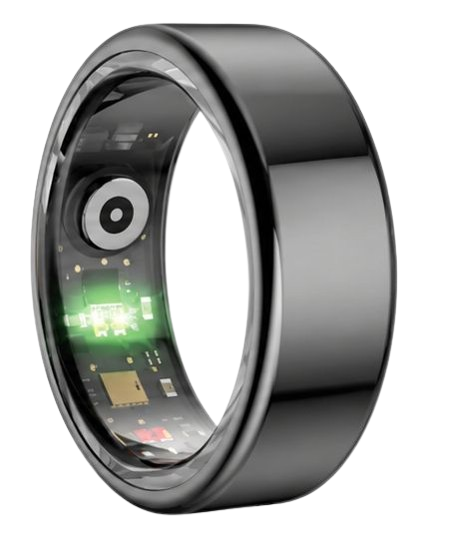
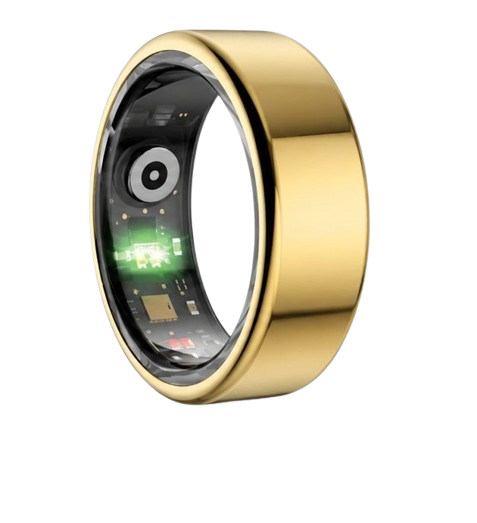
The Herz P1 Smart Ring tracks HRV, Sleep, Heart Rate & SpO2 around the clock. No subscriptions. No renewals. Ever.
In This Article
- The exact neurological and chemical mechanisms that initiate restorative rest.
- How slow-wave sleep physiology actively repairs tissues and consolidates cognitive networks.
- A direct structural breakdown comparing deep sleep, REM sleep, and core light sleep.
- Evidence-based lifestyle practices to dramatically scale your daily slow-wave sleep metrics.
- How to leverage subscription-free biometric wearable technology to audit your nightly recovery.
Does Your Brain Trigger Enough Rest? What Causes Deep Sleep Explained
To fully comprehend what causes deep sleep, we must first look at the neurological blueprint of human rest.
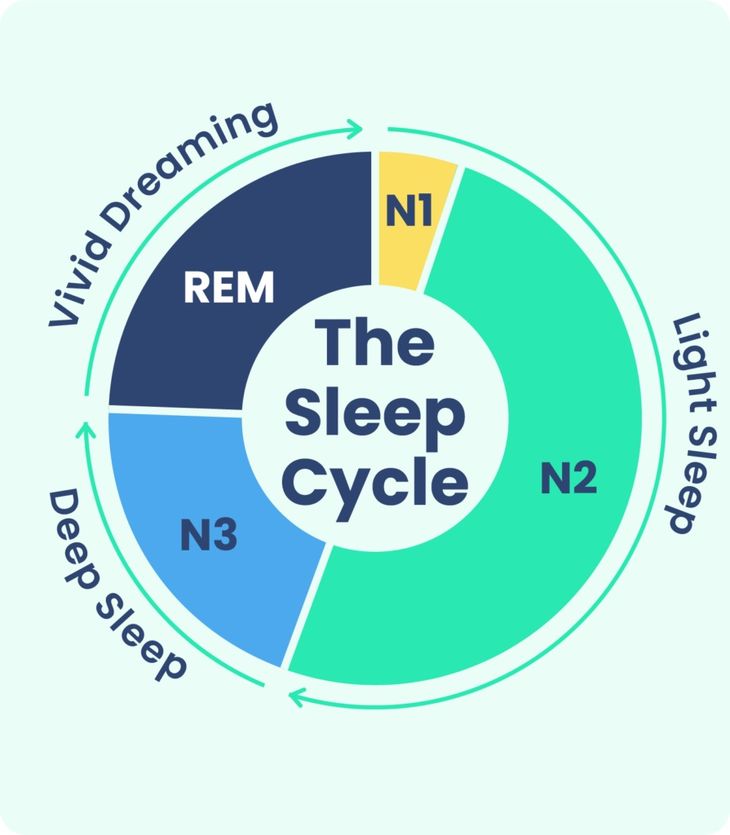
The academic deep sleep definition refers to Stage 3 non-rapid eye movement (NREM) sleep, also known as slow-wave sleep.
If you have ever wondered what is a deep sleep called in clinical research, sleep scientists refer to it as slow-wave sleep due to the highly synchronized delta waves produced by the brain.
This biological state does not occur by chance; instead, it is driven by two main internal forces: homeostatic sleep pressure and your circadian rhythm.
As you stay awake throughout the day, your brain naturally accumulates a cellular byproduct known as adenosine.
When adenosine binds to specific receptors in the basal forebrain, it inhibits wake-promoting neurons and creates a powerful drive to rest.
At the same time, the ventrolateral preoptic nucleus in the hypothalamus acts as a master switch, releasing inhibitory neurotransmitters like GABA and galanin to quiet the brain’s arousal centers.
Once these neural systems take over, your brain waves transition from rapid, disorganized patterns into highly coordinated, low-frequency oscillations ranging between 0.5 and 4 Hertz.
This physical transition is highly crucial for anyone seeking optimal daily recovery, especially busy professionals, athletes, and aging individuals.
During the early hours of the night, your body prioritizes this stage, ensuring that tissues are repaired and metabolic waste is actively cleared.
A healthy adult should ideally spend between fifteen and twenty-five percent of their total sleep duration in this deep phase.
For most individuals, this percentage translates to roughly sixty to one hundred and twenty minutes of restorative delta-wave sleep per night.
Unfortunately, millions of people suffer from low deep sleep due to environmental factors, chronic stress, or poor circadian alignment.
If you want to track this in real time, the Herz P1 Smart Ring monitors sleep stages 24/7 without demanding a monthly fee — explore it here.
90-Day 100% Money-Back Guarantee
“The Herz Smart Ring helps me manage stress easily. It’s accurate, stylish, and lightweight—perfect for my busy life!”
— Jennifer P. | ✔ Verified Customer
- ✓ 6-Day Battery Life
- ✓ Detailed Sleep Analysis
- ✓ Fast 1-Hour Charging
- ✓ iOS & Android Ready
Questions? Call: 1-866-479-1629
The Science of Slow Wave Sleep Physiology and Brain Recovery
To truly understand how the human body restores itself overnight, we must explore slow wave sleep physiology.
According to the National Sleep Foundation, this highly specialized stage is when your body releases the vast majority of its human growth hormone.
This biological chemical is absolutely essential for cellular repair, bone growth, and tissue synthesis.
Additionally, during this phase, your cardiovascular system experiences a significant decrease in workload.
Your blood pressure drops to its lowest daily levels, and your respiratory rate becomes exceptionally steady.
This prolonged period of cardiovascular rest allows the heart muscle to recover from the demands of daily activity.
At the neurological level, your brain activates the glymphatic system to perform a vital clearing process.
The space between your brain cells increases by sixty percent, allowing cerebrospinal fluid to wash away metabolic waste proteins.
This includes beta-amyloid plaques, which are closely linked to cognitive decline and neurological issues.
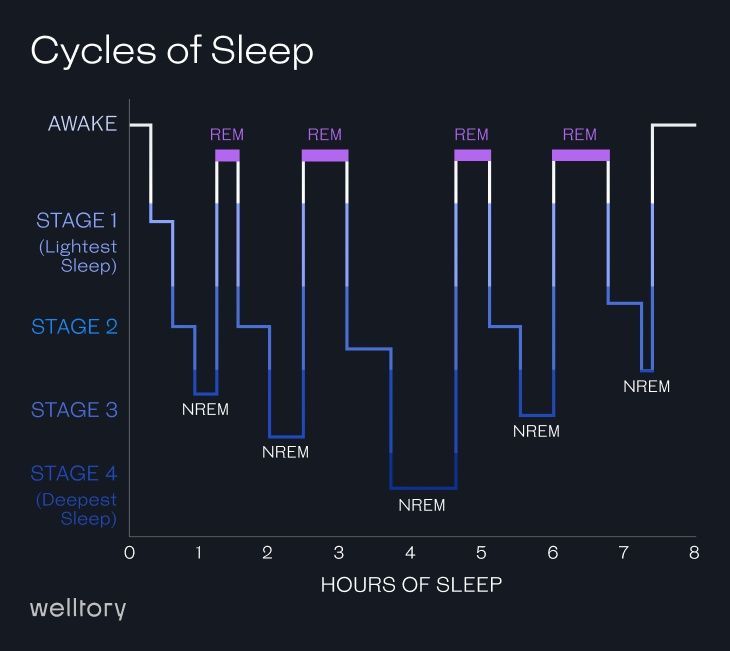
Understanding the distinct stages of sleep allows you to see how your body systematically alternates between mental processing and physical repair.
For individuals who consistently fail to achieve this deep state, the consequences can quickly manifest as muscle weakness, brain fog, and a weakened immune system.
Using a precise multi-wavelength PPG sensor, the Herz P1 Smart Ring monitors these deep physical cycles by tracking changes in your blood oxygen levels and heart rhythms.
Understanding Deep Sleep vs REM vs Core Sleep Architectures
To optimize your daily energy levels, you must learn to distinguish between the different types of rest your brain generates.
When analyzing deep sleep vs rem vs core sleep, we are looking at completely different physiological processes.
Core sleep, which is often called light sleep, serves as the baseline foundation of your sleep cycles.
During core sleep, your body easily arouses, and your heart rate begins its slow descent.
REM sleep, which stands for rapid eye movement, is the primary phase where complex dreaming and cognitive integration take place.
During REM, your brain waves accelerate to near-waking levels, while your voluntary muscles remain temporarily paralyzed to prevent you from acting out dreams.
In contrast, deep sleep is the stage where brain activity almost completely quietens, dedicating all energy to physical rebuilding.
Some users ask, can you get too much deep sleep during an exceptionally long night of rest?
Generally, getting extra slow-wave sleep is simply a sign that your body is recovering from extreme physical exertion or sleep deprivation.
However, an unusually prolonged deep phase can sometimes indicate sleep apnea or other underlying respiratory issues.
By using the Herz P1 Smart Ring, you can view your personal sleep architecture mapped out in clean, easy-to-read daily charts.
Analyzing Your Heart Rate and Biometrics During Restorative Cycles
Your cardiovascular metrics provide a direct, unfiltered window into the quality of your nightly recovery.
Your overnight deep sleep heart rate typically reaches its absolute lowest point of the entire twenty-four-hour cycle.
This biological phenomenon, known as cardiac autonomic regulation, is highly critical for maintaining healthy arterial walls.
The American Heart Association emphasizes that this overnight drop in blood pressure and heart rate reduces the risk of long-term cardiac stress.
While your heart rate drops, your heart rate variability, or HRV, typically climbs to its highest levels of the night.
A high HRV during slow-wave sleep indicates that your parasympathetic nervous system is actively running the recovery process.
If your heart rate remains elevated or your HRV remains low while resting, it suggests that your body is struggling to manage daily stress or inflammation.
Common culprits behind poor overnight cardiac metrics include late-night alcohol consumption, heavy meals, and blue light exposure.
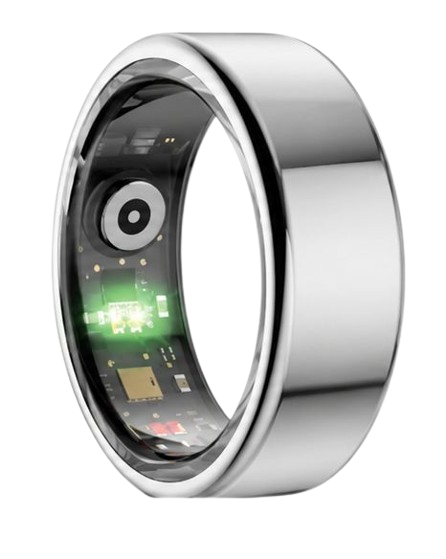
The Herz P1 Smart Ring continuously monitors these cardiac signals throughout the night, using advanced optical sensors that rest gently against your finger.
This allows you to see exactly how your evening habits influence your heart’s ability to rest and recover.
How to Improve Your Slow-Wave Sleep Stages Naturally
Implementing targeted lifestyle adjustments is the most reliable way to increase your nightly delta-wave duration.
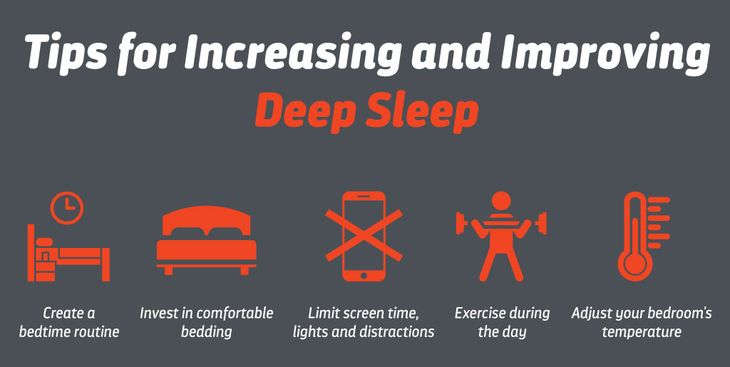
To learn how to get into deep sleep quickly, you must establish a highly consistent sleeping schedule.
Going to bed and waking up at the exact same time every day stabilizes your body’s internal master clock.
This circadian consistency ensures that your brain naturally releases melatonin as your bedtime approaches.
If you want to discover how to get more deep sleep, you should also focus on optimizing your sleeping environment.
Keep your bedroom quiet, dark, and cool, ideally between sixty and sixty-seven degrees Fahrenheit.
A cool room matches your body’s natural tendency to drop its temperature during restorative cycles.
Understanding how to have a deep sleep also requires you to limit stimulating activities before bed.
Avoid drinking caffeinated beverages after midday, as caffeine can block adenosine receptors for several hours.
Additionally, try to avoid high-intensity workouts during the late evening, as this elevates your core body temperature and cortisol levels.
Instead, choose relaxing activities like reading, light stretching, or listening to calming sounds.
By wearing the Herz P1 Smart Ring, you can observe how these subtle shifts in your evening routine systematically improve your sleep score.
Because the ring is designed from ultra-lightweight materials, it remains exceptionally comfortable to wear through the night.
The Hidden Downsides of Bulky Smartwatches and Subscription Wearables
Many consumers purchase heavy, oversized smartwatches with the goal of tracking their health and sleep metrics.
However, wearing a large, metallic wrist tracker to bed often causes physical discomfort and sleep disruption.
These bulky devices can catch on bedsheets or press uncomfortably against your skin when you turn over.
This sensory irritation can trigger brief, unnoticed awakenings that reduce your overall slow-wave sleep time.
Furthermore, many major wearable brands charge ongoing monthly fees just to unlock your detailed sleep stage analytics.
These hidden subscription costs mean you are forced to pay repeatedly to view the data your own body generated.
At Team Herz P1, we believe that access to your personal health trends should never be hidden behind a subscription paywall.
The Herz P1 Smart Ring App is completely free for lifetime use, providing full access to all sleep, heart rate, and oxygen metrics.
Crafted from military-grade steel and protected by an IP68 waterproof rating, the Herz P1 is built to withstand both rigorous training and deep rest.
This premium tracking ring offers a comfortable, reliable, and highly cost-effective solution for long-term health monitoring.
Comparing Premium Smart Rings on the Market
Choosing the correct health tracker requires a careful analysis of hardware quality, data accuracy, and total cost of ownership.
Below is a factual comparison of how the Herz P1 Smart Ring stands against other leading smart rings on the market.
| Feature & Specification | Herz P1 Smart Ring | Competitor A | Competitor B |
|---|---|---|---|
| Monthly Subscription Fee | None — Free App Forever | $5.99 per month | None |
| Chassis Material | Military-Grade Steel | Titanium | Titanium |
| Waterproof Rating | IP68 (Up to 164 feet) | IP68 | IP68 |
| Battery Life | 6 Days (Charges in < 1 hour) | 4 to 5 Days | 5 to 6 Days |
| Warranty Period | 2-Year Full Warranty | 1-Year Limited | 1-Year Limited |
| Money-Back Guarantee | 90-Day Money-Back | 30-Day Guarantee | 30-Day Guarantee |
This breakdown highlights why thousands of health-conscious individuals choose the Herz P1 as their primary biometric companion.
Our commitment to high hardware standards and transparent data ownership ensures you receive a premium experience without ongoing fees.
Frequently Asked Questions About Deep Sleep and Biometric Smart Rings
Is the Herz P1 Smart Ring safe to wear while swimming or showering?
Yes, the Herz P1 is fully IP68 waterproof and certified for depths up to one hundred and sixty-four feet.
You can wear it with complete confidence while swimming laps, taking a shower, or relaxing in a hot tub.
How often do I need to charge my Herz P1 Smart Ring?
The high-capacity battery delivers up to six days of continuous health and sleep monitoring on a single charge.
When the battery runs low, the ring charges fully from zero to one hundred percent in under one hour.
Which finger should I wear the smart ring on for the best accuracy?
We recommend wearing the ring on your index finger for the most precise optical sensor readings.
However, wearing it on your middle or ring finger also yields highly accurate biometric and sleep stage data.
Does the smart ring require an active Bluetooth connection to record sleep data?
No, the Herz P1 features built-in offline storage that securely records up to seven days of biometric data.
All recorded health metrics will automatically sync to your phone the next time you open the companion app.
Does the app work with both iOS and Android platforms?
Yes, the free companion app is fully compatible with both iOS and Android smartphones.
It syncs effortlessly to display your sleep scores, heart rate variability, and blood oxygen trends.
Conclusion: Empower Your Sleep Journey with Herz P1
Achieving restorative sleep is essential for optimal health.
The Herz P1 Smart Ring is your ultimate subscription-free companion to master your sleep stages effortlessly.
Ready to monitor your health every day? Explore the Herz P1 Smart Ring.
Call: 1-866-479-1629 — our team can advise on the correct size and set personalized wellness goals.
Note: Individual results may vary depending on individual health conditions, age, and lifestyle habits. This article is intended for general health reference purposes only.
