

If you find yourself waking up hot, sweaty, and restless after an evening glass of wine, you are experiencing the direct physiological consequences of how alcohol body temperature sleep disruptions ruin your recovery. Our team at Herz P1 designed this comprehensive guide to explain why alcohol raises body temperature and how tracking these metrics helps optimize your wellness.
Built to Last. Save Up to 69% Today.
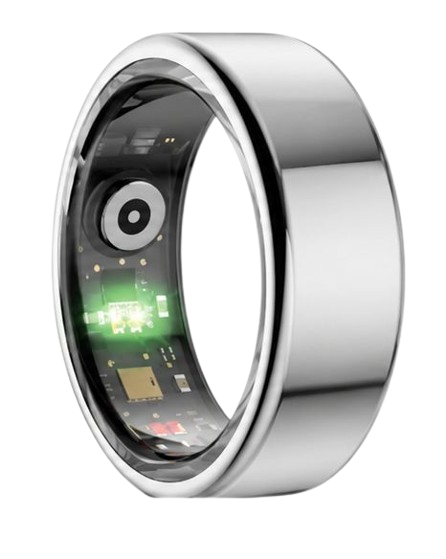
The Herz P1 Smart Ring tracks HRV, Sleep, Heart Rate & SpO2 around the clock. No subscriptions. No renewals. Ever.
In This Article
- The exact science behind how alcohol disrupts overnight core temperature regulation.
- How vasodilation triggers night sweats and elevates your heart rate.
- Ways to read and analyze your biometric sleep data using smart rings.
- Actionable lifestyle adjustments to protect your sleep quality after drinking.
Why Does Alcohol Affect Body Temperature During Sleep? The Physiological Breakdown
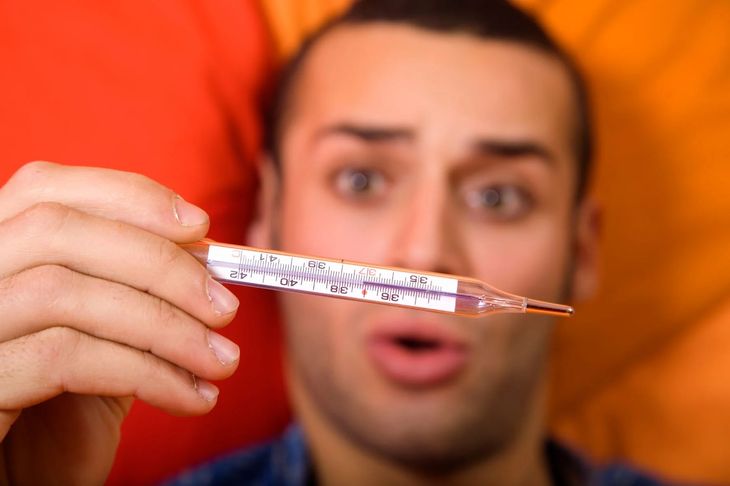
Consuming alcohol before bed initiates a complex chain reaction inside your cardiovascular and endocrine systems.
The physical sensation of sleeping hot is a direct result of these chemical shifts.
Your liver is responsible for processing about ninety percent of the alcohol you consume.
As it works, the liver releases heat, contributing to an elevated metabolic rate during your sleep.
This active digestion keeps your body in an active state when it should be resting.
This state of high alert prevents the parasympathetic nervous system from taking over.
Without parasympathetic dominance, you cannot enter the deep, healing sleep your body requires.
What is Alcohol-Induced Thermoregulatory Disruption?
It is the biochemical impairment of your brain’s thermal control center caused by ethanol consumption.
Under healthy conditions, your body carefully controls your temperature to keep you safe and comfortable.
Alcohol acts as a physical toxin that temporarily disrupts this internal safety system.
Who is Affected by These Temperature Spikes?
This thermal instability affects any adult who consumes alcohol close to their sleeping hours.
However, individuals with higher metabolic sensitivity or pre-existing sleep conditions often suffer more severe symptoms.
Busy professionals under daily stress also experience amplified overnight thermal fluctuations.
When Does Thermoregulatory Disruption Happen?
The physiological disruption begins as soon as the liver begins processing the ethanol in your bloodstream.
It reaches its peak during the first half of your sleep cycle, typically within two to four hours of nodding off.
This metabolic activity continues until all alcohol is cleared from your system.
Where Inside the Body Does This Disruption Occur?
The primary site of control disruption is the hypothalamus, which acts as your body’s master thermostat.
The physical symptoms of this disruption manifest in the blood vessels, skin surface, and sweat glands throughout your limbs.
This total-body reaction explains why you feel hot from your head to your toes.
Why Does Alcohol Force Your Body Temperature to Fluctuate?
Alcohol is a natural vasodilator, meaning it causes your blood vessels to relax and expand.
This dilation forces warm blood to rush away from your core and toward the surface of your skin.
This surface warmth tricks your brain into thinking your entire body is dangerously overheating.
How Does This Sweating and Cooling Process Work?
Because your brain thinks you are overheating, it triggers rapid emergency cooling mechanisms.
Your sweat glands begin working in overdrive to cool the skin down through evaporation.
As a result, your core temperature drops too low, causing you to wake up shivering and cold.
This constant, exhausting cycle of sweating and shivering ruins your ability to stay asleep.
How Much Does Alcohol Damage Your Sleep Quality?
Studies by the National Sleep Foundation show that even a single drink can decrease overall sleep quality by nearly ten percent.
Moderate drinking cuts your restorative sleep by twenty-four percent, while heavy drinking slashes it by over thirty-nine percent.
Furthermore, your skin temperature can spike by up to 1.5 degrees Fahrenheit above your normal baseline.
If you want to track these thermal changes in real time, the Herz P1 Smart Ring monitors your biometrics 24/7 — explore it here.

90-Day 100% Money-Back Guarantee
“The Herz Smart Ring helps me manage stress easily. It’s accurate, stylish, and lightweight—perfect for my busy life!”
— Jennifer P. | ✔ Verified Customer
- ✓ 6-Day Battery Life
- ✓ Detailed Sleep Analysis
- ✓ Fast 1-Hour Charging
- ✓ iOS & Android Ready
Questions? Call: 1-866-479-1629
Alcohol Raises Body Temperature at Night: Vasodilation and Thermoregulation
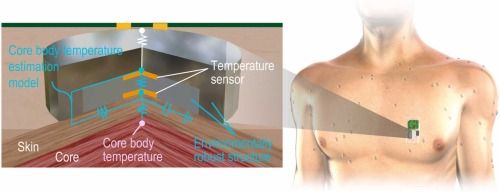
To understand why your skin feels so hot after drinking, you must examine the science of circulation.
Alcohol acts as a chemical vasodilator, relaxing the smooth muscles inside your blood vessels.
This widening allows a greater volume of warm blood to flow close to your skin surface.
This process is what creates the famous flushed face and warm skin sensations associated with drinking.
However, this surface warmth is highly deceptive and dangerous to sleep quality.
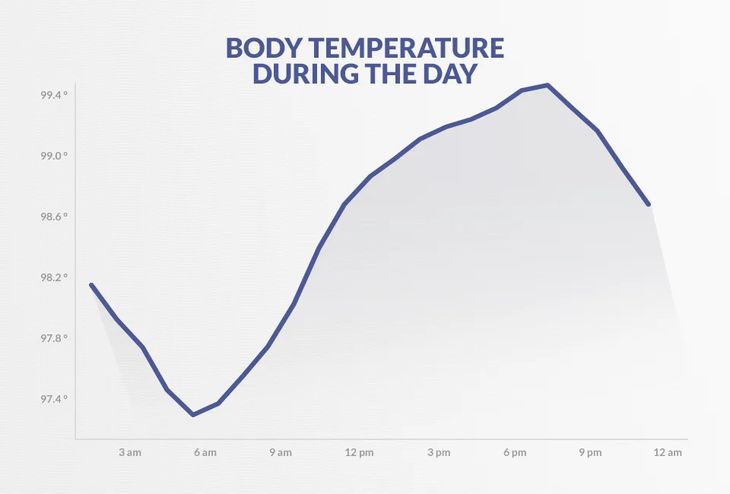
Under normal, healthy conditions, your internal core body temperature must decrease to prepare for deep sleep.
Scientists agree that a natural body temperature drops at night is required to signal the brain to release melatonin.
Melatonin is the primary hormone responsible for regulating your sleep-wake cycles.
When alcohol artificially raises your surface temperature, this natural cooling signal is completely blocked.
Your brain becomes deeply confused by the mismatch between your warm skin and your internal core.
This thermal mismatch is what triggers sudden hot and cold body temperature swings throughout the night.
You will likely find yourself kicking off the blankets one minute and pulling them back up the next.
This physical restlessness keeps your body in a state of light, unrefreshing sleep.
Your cardiovascular system is also forced to work much harder to pump blood to dilated vessels.
This extra work prevents your heart rate from dropping to its natural, restorative resting state.
Our research at Team Herz P1 shows that even minor temperature fluctuations can cut deep sleep in half.
By monitoring these trends, you can make informed decisions about your evening habits.
The Herz P1 Smart Ring is designed specifically to detect these precise micro-changes in your skin temperature.
This continuous thermoregulatory struggle is why many people wake up feeling exhausted.
When your blood vessels are constantly dilating and contracting, your body expends massive amounts of energy.
This energy expenditure mimics the physical exertion of a light workout while you are asleep.
Consequently, you wake up with a feeling of muscle fatigue and physical depletion.
Clinical studies have shown that temperature elevations during sleep correlate with elevated cortisol levels.
Cortisol is your primary stress hormone, and its presence ruins overnight tissue repair.
The Herz P1 Smart Ring tracks these subtle temperature shifts to help you plan your recovery days.
By viewing your history, you can see exactly how many hours it takes your body to return to baseline.
Night Sweats After Drinking Alcohol: The Autonomic and Endocrine Response
Waking up in a cold sweat is one of the most common complaints of evening alcohol consumption.
These uncomfortable night sweats after drinking alcohol are not just a simple reaction to physical warmth.
They are the physical result of an intense endocrine and nervous system struggle inside your body.
As your liver metabolizes the alcohol, it breaks it down into a highly toxic compound called acetaldehyde.
This toxic byproduct triggers a massive release of stress hormones, including adrenaline and cortisol.
This hormonal surge stimulates your sympathetic nervous system, putting you in a state of physical alarm.
You may wonder, does alcohol increase heart rate while sleeping as part of this response?
Yes, the rush of adrenaline causes your heart to beat rapidly, often reaching daytime active levels while you rest.
Your body is essentially running a chemical marathon while you are trying to sleep.
This elevated state of alert completely disrupts your normal sleep architecture.
The chemical presence of alcohol severely suppresses your critical alcohol sleep rem cycles.
REM sleep is vital for cognitive repair, memory storage, and emotional processing.
Without enough REM sleep, you will wake up feeling mentally exhausted and emotionally drained the next morning.
The complex relationship between sleep and metabolism is also severely compromised by this toxic overload.
Your liver is forced to prioritize clearing the alcohol over its normal metabolic functions.
This metabolic shift prevents your body from performing essential cellular repair and fat-burning processes.
You are sacrificing critical sleep quality vs quantity when you consume alcohol close to bedtime.
Even if you stay in bed for eight hours, the physical restoration you receive is extremely low.
Analyzing your overnight rem sleep and heart rate trends reveals the true extent of this strain.
A healthy heart rate should dip by at least ten percent during a normal night of sleep.
Alcohol blocks this dipping process, forcing your cardiovascular system to remain in an active state.
The Herz P1 Smart Ring tracks these critical autonomic metrics continuously throughout the night.
It allows you to see the exact relationship between your evening drinks and your overnight stress levels.
Acetaldehyde also directly interferes with the brain’s internal communication pathways.
This toxic byproduct disrupts the delicate balance of neurotransmitters like GABA and glutamate.
Initially, alcohol acts as a sedative by mimicking GABA, which makes you feel drowsy.
However, as the alcohol wears off, a rebound effect occurs in your nervous system.
This rebound causes a dramatic spike in brain activity, leading to light, easily disrupted sleep.
During this hyperactive state, your heart rate remains elevated and your temperature spikes.
This is why the second half of your night is often filled with vivid dreams and frequent awakenings.
By tracking your heart rate variability (HRV), you can see the direct evidence of this nervous system strain.
A low HRV score in the morning indicates that your autonomic nervous system is off-balance.
The military-grade Herz P1 helps you identify these patterns without any ongoing subscription costs.
How to Track and Optimize Your Recovery Using Herz P1 Smart Ring Data
The key to improving your sleep is having access to clear, accurate biometric data.
The Herz P1 companion app translates your overnight data into a simple daily Recovery Score.
When you wake up, open the app to view your heart rate variability and temperature trends.
Look for a steady downward trend in your resting heart rate during the night.
If your heart rate remained high and your temperature spiked, your body did not recover fully.
You can use this data to make smart changes to your evening habits and drinking schedule.
Our team at Team Herz P1 recommends a few practical tips to help you protect your sleep quality.
Try to finish your last alcoholic drink at least four hours before you go to bed.
This buffer window gives your liver enough time to process the ethanol before you sleep.
Always drink a full glass of water for every alcoholic beverage to prevent severe dehydration.
Dehydration thickens your blood, forcing your heart to beat even faster to circulate oxygen.
Keep your bedroom temperature cool, ideally between sixty and sixty-seven degrees Fahrenheit.
A cool room helps your skin release excess heat and prevents intense night sweats.
Finally, wear your Herz P1 Smart Ring consistently on your index finger for the best sensor contact.
Its lightweight, seamless design ensures you can sleep comfortably without any distractions.
To get the most out of your smart ring, check your dashboard at the same time every morning.
Consistency is key when looking for subtle biometric trends in your recovery.
You can also use the app’s tagging feature to note when you had a drink close to bedtime.
This allows the AI-powered companion app to correlate your lifestyle choices with your sleep score.
You will receive personalized recommendations based on your unique physiological responses.
For example, the app may suggest adjusting your dinner time or increasing your hydration.
This data-informed approach takes the guesswork out of improving your nightly recovery.
Common Pitfalls in Sleep Tracking: Comfort and Cost Realities
Many people try to track their sleep using a bulky, heavy smartwatch.
However, wearing a large watch to bed can actually disrupt your sleep and cause skin irritation.
Smartwatches can also shift out of position, leading to incomplete or highly inaccurate data.
Furthermore, the bright screen can accidentally turn on, waking you up in the middle of the night.
A smart ring offers a far more comfortable and accurate alternative for overnight tracking.
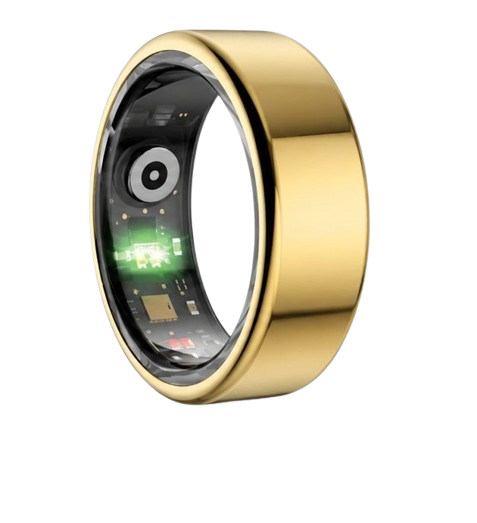
The Herz P1 Smart Ring is crafted from military-grade steel and weighs a mere 3.5 grams.
It sits securely at the base of your finger, which has a higher density of blood vessels than your wrist.
This positioning allows our advanced sensors to capture much cleaner and more reliable biometric data.
Another major risk in the wearable market is the hidden cost of monthly app subscriptions.
Many popular health tracking brands charge you an ongoing monthly fee to access your own data.
We believe that once you buy a device, your health data should be completely free to view.
The Herz P1 App requires absolutely no monthly subscription fees or hidden renewals.
You get full access to all your biometric trends, sleep stages, and recovery scores forever.
We also back our smart ring with a 2-year warranty and a 90-day money-back guarantee.
This commitment allows you to experience the benefits of premium tracking with zero financial risk.
Many smartwatches also feature fragile glass screens that are easily scratched or cracked.
If you scrape your watch against a nightstand, you risk ruining an expensive piece of technology.
The Herz P1 Smart Ring is built from military-grade steel designed to withstand daily wear and tear.
Its durable construction ensures it remains functional through workouts, chores, and sleep.
You also do not have to worry about charging it every single night.
The long-lasting battery means you can gather continuous, uninterrupted data for nearly a week.
This continuous stream of data provides a much more accurate picture of your overall health.
Frequently Asked Questions About Herz P1 and Thermoregulation
Is the Herz P1 Smart Ring waterproof?
Yes, the Herz P1 is fully certified with an IP68 waterproof rating.
You can wear it safely up to 164 feet deep in water.
This means you can track your metrics while swimming, showering, or washing your hands.
How long does the battery last on a single charge?
The Herz P1 Smart Ring features an advanced battery that lasts up to 6 days.
It takes less than 1 hour to charge the battery fully using the included charger.
This long battery life eliminates the stress of daily charging required by most smartwatches.
Which finger is the best to wear the smart ring on?
We recommend wearing the smart ring on your index finger of either hand.
The middle finger and ring finger are also excellent alternatives for accurate readings.
Choose the finger that offers a secure yet comfortable fit without rotating too easily.
Does the Herz P1 Smart Ring store my data offline?
Yes, the ring has secure offline memory that stores up to 7 days of biometric data.
It will automatically sync your data to the app the next time your Bluetooth connects.
You do not have to worry about keeping your phone near your bed while you sleep.
Optimizing Your Rest for a Healthier Lifestyle
Understanding how alcohol affects your temperature is key to reclaiming your rest.
The subscription-free Herz P1 Smart Ring monitors these crucial signals comfortably.
Ready to monitor your health every day?
Explore the Herz P1 Smart Ring and see if it fits your lifestyle.
Call: 1-866-479-1629 — our team can help advise on sizing and personalized goals.
Note: Individual results may vary depending on individual health conditions, age, and lifestyle habits. This article is intended for general health reference purposes only.
