

Built to Last. Save Up to 69% Today.
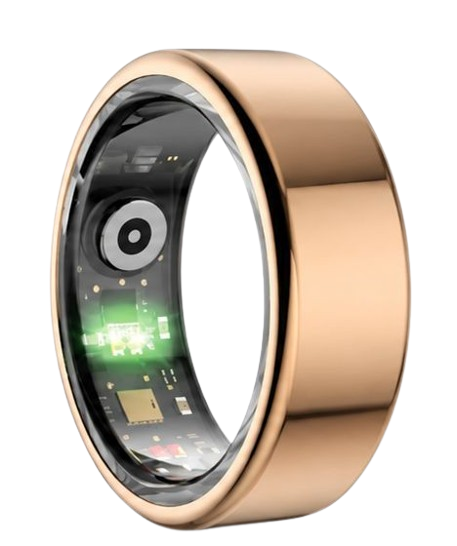
The Herz P1 Smart Ring tracks HRV, Sleep, Heart Rate & SpO2 around the clock. No subscriptions. No renewals. Ever.

In This Article
- Clinical Sleep Ranges: Learn exactly what constitutes a healthy nocturnal heart rate for healthy adults.
- Autonomic Mechanics: Discover how your sympathetic and parasympathetic nervous systems dictate sleep vitals.
- Sleep Architecture: Find out how different sleep stages cause heart rate fluctuations.
- Practical Optimization: Master actionable steps to lower elevated sleep heart rate values naturally.
What Is a Normal Sleep BPM for Healthy Adults? The 5W2H Biometric Blueprint
To understand your cardiovascular health, you must evaluate what happens to your cardiac activity while you sleep.
The term normal sleep bpm refers to the number of times your heart beats per minute while your body is in an unconscious, resting state.
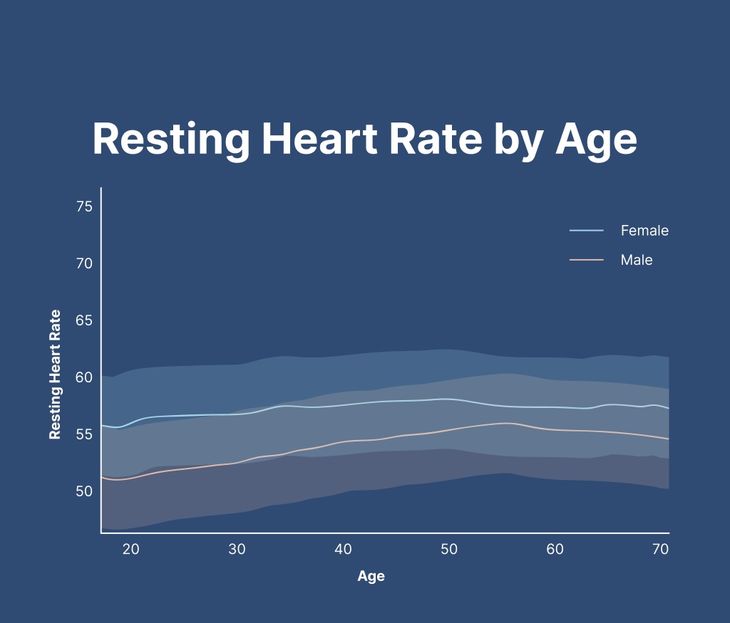
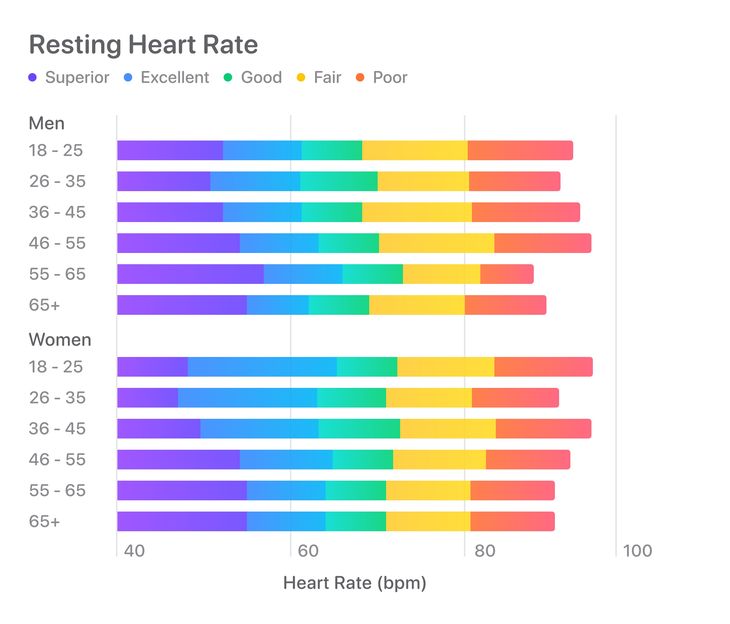
According to the American Heart Association, a typical resting heart rate when sleeping for healthy adults generally falls between 40 and 60 beats per minute.
This range is lower than your typical daytime active heart rate because your physiological systems slow down to facilitate cell repair.
This biological phenomenon affects every adult, although highly trained athletes often exhibit sleep heart rates below 40 beats per minute due to increased stroke volume.
This drop in heart rate occurs primarily at night when your circadian rhythm prompts a natural shift in hormone production.
During these dark hours, your brain reduces cortisol secretion and shifts cardiac workloads to a minimal energy state.
This process takes place inside your sinoatrial node, which is the heart’s natural pacemaker that receives signals from your brain stem.
Understanding your sleeping heart rate vs resting heart rate is critical because large gaps or minimal changes can signal underlying physiological distress.
Your body achieves this heart rate reduction by activating your vagus nerve, which releases acetylcholine to slow your cardiac pacing.
The average reduction should be a dip of approximately 10% to 20% compared to your daytime resting baseline measurements.
If you fail to achieve this nocturnal dip, you may face elevated risks of chronic fatigue or metabolic issues over time.
Maintaining a healthy average sleeping heart rate ensures that your coronary arteries receive adequate perfusion during the prolonged diastolic phases of sleep.
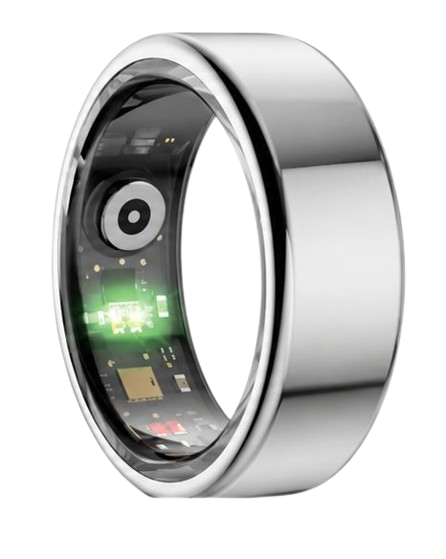
If you want to track this in real time, the Herz P1 Smart Ring monitors your cardiovascular trends 24/7 — explore it here.
90-Day 100% Money-Back Guarantee
“The Herz Smart Ring helps me manage stress easily. It’s accurate, stylish, and lightweight—perfect for my busy life!”
— Jennifer P. | ✔ Verified Customer
- ✓ 6-Day Battery Life
- ✓ Detailed Sleep Analysis
- ✓ Fast 1-Hour Charging
- ✓ iOS & Android Ready
Questions? Call: 1-866-479-1629
The Autonomic Engine: Understanding Your Heart Rate Dynamics at Night
The control of your cardiovascular system during sleep depends on the delicate balance of your autonomic nervous system.
This system consists of two primary divisions: the sympathetic nervous system and the parasympathetic nervous system.
When you are awake, the sympathetic nervous system remains active to help you respond to daily environmental stressors.
As you transition into unconsciousness, this active system should retreat, allowing the parasympathetic branch to take control.
This shift is vital for stabilizing your resting heart rate sleeping and initiating deep cellular restoration.
Clinical data shows that a healthy parasympathetic system acts as a natural brake on your heart.
This neural braking mechanism decreases systemic blood pressure and slows down your overall metabolic rate.
If you experience constant work stress, your body may fail to activate this parasympathetic brake properly.
This failure keeps your sympathetic system active, resulting in a higher, flatlining sleeping bpm curve throughout the night.
This state of high physiological arousal prevents your heart from taking a much-needed break, which can leave you feeling drained the next day.
Over time, a lack of overnight dipping can strain your blood vessels and increase your risk of developing hypertension.
Your heart needs these low-stress night hours to rebuild cardiac muscle tissues and clear metabolic waste from your bloodstream.
By monitoring these subtle autonomic shifts, you can gain deep insights into your physical readiness for the day ahead.
The Herz P1 Smart Ring maps these overnight changes with high precision, giving you a clear view of your physical state without requiring a bulky wrist device.
Decoding Sleep Stage Architecture and Nocturnal Cardiovascular Fluctuations
Your overnight cardiac pacing is not a flat line, but rather a dynamic curve that mirrors your changing sleep stages.
A typical night of sleep consists of several repeating cycles of light sleep, deep sleep, and rapid eye movement (REM) sleep.
During light sleep, which serves as the transition phase, your heart rate begins a steady downward trend.
As your body enters deep sleep, your cardiovascular system reaches its most stable and relaxed state of the night.
In this slow-wave sleep phase, your resting heart rate asleep drops to its lowest values, and your breathing becomes slow and regular.
This stable deep sleep phase is essential for physical recovery, tissue repair, and human growth hormone release.
The landscape changes dramatically when your brain transitions into REM sleep, which is the stage where most dreaming occurs.
During REM sleep, your brain activity increases to levels similar to when you are awake, and your autonomic system can fluctuate rapidly.
This mental activity can cause sudden spikes in your heart rate and breathing, which is a normal response to vivid dreams.
These sudden changes are a healthy sign of a responsive autonomic nervous system, provided your heart rate returns to a low baseline afterward.
Advanced wearables track these fluctuations using photoplethysmography (PPG) sensors that send light waves through your skin.
These sensors measure the tiny volume changes in your local blood vessels with every heartbeat.
Because the blood vessels in your fingers are very close to the surface, a smart ring can capture these changes more clearly than a wrist-based tracker.
The Herz P1 Smart Ring uses these clear signals to map your sleep stages and heart rate patterns with high accuracy.
Actionable Protocols: How to Optimize Your Nocturnal Biometrics
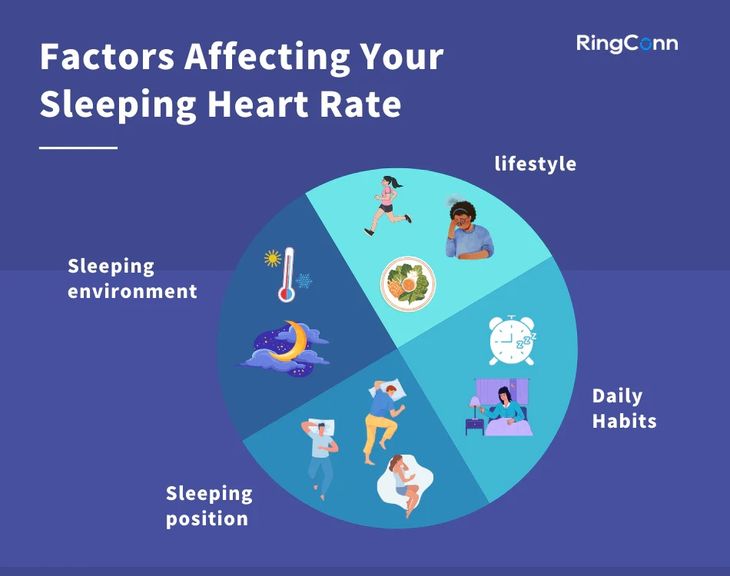
If your overnight heart rate measurements are higher than normal, you can use several simple lifestyle adjustments to help lower them.
Your body responds quickly to changes in your environment, diet, and evening habits.
First, pay close attention to the timing of your last meal of the day.
Eating a heavy meal within three hours of bedtime forces your digestive system to work hard while you sleep.
This digestive activity redirects blood flow to your stomach, which keeps your resting heart rate at night elevated for hours.
Try to finish eating at least three hours before you go to bed to give your digestion time to slow down.
Second, limit your alcohol consumption in the evening.
While alcohol can make you feel sleepy at first, it acts as a stimulant as your liver processes it overnight.
This process disrupts your natural sleep cycles, reduces your deep sleep, and can keep your heart rate elevated by several beats per minute.
Third, keep your bedroom cool, dark, and quiet.
A warm bedroom forces your body to work harder to release heat, which raises your sleeping heart rate.
Keeping your bedroom temperature around 65 to 68 degrees Fahrenheit helps your body cool down and settle into deep sleep.
Fourth, take a few minutes to unwind and manage your stress before bed.
Practicing deep breathing, reading a book, or meditating can help calm your sympathetic nervous system.
You can track the positive effects of these small evening adjustments using your smart ring’s daily health dashboard.
The lightweight, comfortable design of the Herz P1 makes it easy to wear all night, helping you build healthy habits and improve your sleep quality over time.
The Hidden Cost of Health Tracking: Bulky Watches and Subscription Fatigue
Many people who want to monitor their sleep health start by wearing large, bulky smartwatches to bed.
However, these heavy devices can be uncomfortable to wear while sleeping and can disrupt your natural sleep movements.
If a watch shifts on your wrist during the night, its optical sensors can lose contact with your skin, leading to inaccurate or missing data.
Additionally, many popular smartwatches require daily charging, which means you often have to plug them in overnight and miss out on tracking your sleep.
Beyond comfort and battery life, many wearable brands charge ongoing monthly subscription fees to access your health data.
These fees can add up quickly, turning a one-time purchase into a continuous monthly expense.
Team Herz P1 believes that you should always have free, unlimited access to your own biometric data.
The Herz P1 Smart Ring requires no monthly subscription fees, giving you full access to all your health metrics and updates for life.
Made from military-grade stainless steel, this durable ring is designed to withstand daily wear and tear while remaining incredibly lightweight.
Its slim profile fits comfortably on your finger, allowing you to sleep naturally while it collects accurate, uninterrupted health data.
With a battery life that lasts up to 6 days on a single charge, you can track your sleep and activity levels throughout the week without constant interruptions.
Frequently Asked Questions About Sleep Heart Rates and Smart Rings
Is the Herz P1 Smart Ring waterproof enough for daily wear?
Yes, the Herz P1 is fully IP68 waterproof and can withstand submersion in water up to 164 feet deep.
This durable construction means you can safely wear the ring while washing your hands, showering, swimming, or working out.
How long does the battery last, and how quickly does it charge?
The Herz P1 battery lasts up to 6 days on a single charge, allowing you to track your sleep and activity without daily charging interruptions.
When the battery is low, you can charge it back to 100% in under an hour using the included magnetic charger.
Which finger is the best option for wearing a smart ring?
For the most accurate biometric readings, we recommend wearing the smart ring on your index, middle, or ring finger.
These fingers have a dense network of blood vessels close to the skin, which helps the optical sensors capture clear, reliable data.
Can the smart ring store my health data when it is offline?
Yes, the Herz P1 has built-in local storage that can securely save up to 7 days of health data offline.
The ring will automatically sync and update your data the next time it connects to your smartphone via Bluetooth.
Conclusion
Monitoring your normal sleep bpm is a powerful way to understand your cardiovascular recovery and daily health trends.
The Herz P1 Smart Ring makes it easy to track these vital metrics with a comfortable, subscription-free design built to last.
Ready to monitor your health every day? Explore the Herz P1 Smart Ring and see if it fits your lifestyle. Call: 1-866-479-1629 — our team can help you advise on the correct ring size and set personalized health goals.
