

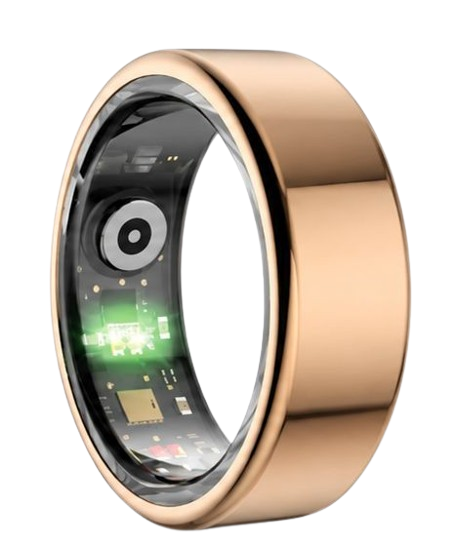
Discovering the link between estrogen and vivid dreams is the first step toward reclaiming peaceful, restorative nights. Many women experience intense, lifelike dreams triggered by fluctuating hormone levels that directly alter REM sleep architecture. The subscription-free Herz P1 Smart Ring continuously monitors these biometric shifts to help you master your nightly recovery.
Built to Last. Save Up to 69% Today.
The Herz P1 Smart Ring tracks HRV, Sleep, Heart Rate & SpO2 around the clock. No subscriptions. No renewals. Ever.
In This Article
- Learn how to track and manage estrogen-induced sleep disruptions using a step-by-step biometric monitoring framework.
- Explore the neurochemical connection between estrogen shifts and the activation of vivid, highly emotional dream states.
- Understand the direct biological links between premenstrual hormone drops, PMS, and PMDD-related sleep disturbances.
- Discover how to leverage smart ring technology to monitor skin temperature, REM cycles, and heart rate variability without monthly fees.
How to Track and Manage Estrogen-Induced Sleep Disruptions: A Step-by-Step Guide
Before you begin managing hormonal sleep changes, you must establish a systematic way to collect daily biological data.
Hormones alter our physiology in quiet ways that are often difficult to notice without precise tracking tools.
By following a structured, metrics-driven approach, you can anticipate cycle-related sleep changes and protect your nightly rest.
Step 1: Map Your Baseline Menstrual Cycle Stages
To understand your sleep patterns, you must first pinpoint exactly where you are in your monthly cycle.
Hormone levels shift dramatically between the follicular, ovulatory, and luteal phases of your cycle.
Many women report experiencing vivid dreams before period onset during the late luteal phase when hormones plummet.
This phase is characterized by a steep decline in both estrogen and progesterone, which directly impacts brain activity.
By documenting the start and end of each phase, you can predict when these vivid dream states are most likely to occur.
A paper-based calendar or a basic digital tracking application can help you record your cycle dates.
However, automatic physiological tracking provides much more accurate phase predictions by reading direct bodily signals.
Recognizing these cyclical patterns empowers you to anticipate restless nights rather than being surprised by them.
We recommend tracking your cycle over at least three consecutive months to establish a highly accurate baseline.
Step 2: Monitor Overnight Skin Temperature Fluctuations
Your core body temperature changes predictably in response to circulating estrogen and progesterone.
Progesterone warms your body after ovulation, while estrogen has a cooling effect during the follicular phase.
Tracking your temperature curve helps identify the transition into the vivid dreams luteal phase.
An elevated resting temperature followed by a sudden drop often signals impending menstruation and disrupted REM sleep.
This sharp thermal shift directly influences your brainstem’s sleep-regulation centers, causing lighter sleep and intense dreams.
To track this accurately, you need a sensitive sensor that measures skin temperature continuously throughout the night.
A single morning thermometer reading is often too prone to environmental errors and physical movement.
Analyzing continuous temperature trends removes the guesswork from tracking hormonal shifts and pre-period restless nights.
When you notice your temperature trending upward, you can proactively adjust your sleeping environment to stay cool.
Step 3: Analyze Your REM Sleep Architecture Shifts
Vivid dreams occur almost exclusively during the Rapid Eye Movement (REM) stage of your nightly sleep.
Hormonal fluctuations actively modulate the length, density, and frequency of your REM cycles.
To dissect this relationship, you must examine how hormones and vivid dreams interact in your sleep reports.
Look for patterns where your REM sleep percentage spikes unusually high during specific nights of your cycle.
A normal sleep cycle contains roughly twenty to twenty-five percent REM sleep for healthy adults.
When estrogen drops rapidly, REM sleep can become fragmented or highly concentrated, leading to intense dreaming.
Monitoring this specific metric allows you to verify if your crazy dreams correspond to physiological changes.
Advanced smart rings excel at categorizing these exact sleep stages while you rest comfortably.
By reviewing these trends, you can understand whether a restless night was caused by hormone shifts or external stress.
Step 4: Correlate Your Heart Rate Variability (HRV) with Stress Levels
Your autonomic nervous system is highly sensitive to the balance of estrogen and progesterone.
Heart rate variability, or HRV, serves as a direct window into your nervous system’s stress and recovery balance.
A high HRV indicates a relaxed, resilient state, while a low HRV signals physical or mental exhaustion.
During the premenstrual phase, low estrogen levels frequently suppress your baseline HRV, putting your body on high alert.
This physiological stress makes you more susceptible to nightmares, anxiety, and midnight awakenings.
By correlating your daily HRV scores with dream intensity, you can assess how stress compounds hormonal fluctuations.
Sensing these physiological shifts early allows you to take proactive steps to calm your nervous system before bedtime.
Keeping an eye on your overnight HRV trend is a powerful way to gauge your body’s readiness for deep rest.
Step 5: Implement a Targeted Evening Relaxation Protocol
Once you identify your vulnerable cycle days, you must adjust your bedtime habits to protect your sleep.
Keep your bedroom temperature cool, ideally between sixty-five and sixty-eight degrees Fahrenheit.
This cooling environment counteracts the hormonal temperature elevation that triggers nightmares and night sweats.
Avoid eating heavy meals or consuming alcohol in the three hours leading up to your bedtime.
Alcohol significantly disrupts REM sleep, leading to rebound periods of highly intense and fragmented dreams.
Incorporate calming practices like deep breathing, gentle stretching, or warm baths to stabilize your heart rate.
These simple adjustments create a physical buffer against hormone-induced brain excitation.
Protecting your evening wind-down time ensures your brain transitions smoothly into deep, quiet sleep stages.
The Herz P1 Smart Ring is the ultimate companion for executing this tracking strategy.
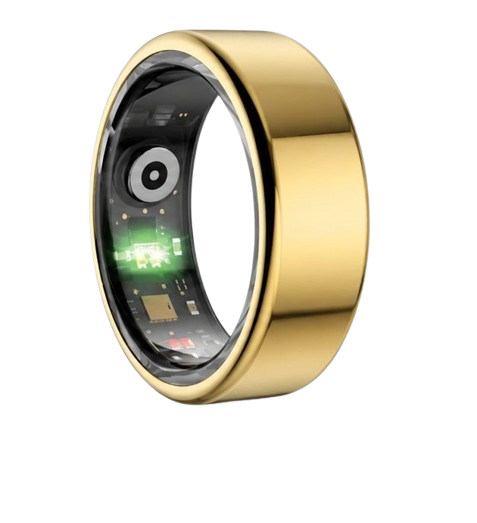
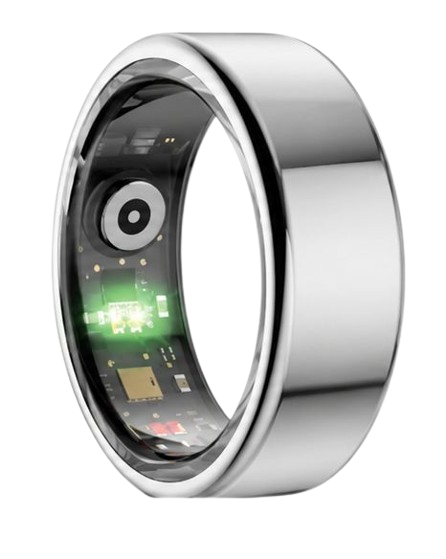
Our sleek ring features military-grade steel and a highly accurate multispectral PPG sensor array.
It monitors your skin temperature, sleep stages, and HRV continuously throughout the night with zero monthly subscription fees.
90-Day 100% Money-Back Guarantee
“The Herz Smart Ring helps me manage stress easily. It’s accurate, stylish, and lightweight—perfect for my busy life!”
— Jennifer P. | ✔ Verified Customer
- ✓ 6-Day Battery Life
- ✓ Detailed Sleep Analysis
- ✓ Fast 1-Hour Charging
- ✓ iOS & Android Ready
Questions? Call: 1-866-479-1629
The Science of Estrogen Sleep Cycles: Why Hormones Trigger Crazy Dreams

Sleep science reveals that sex hormones act as powerful neuromodulators within the human brain.
According to research cited by the National Sleep Foundation, estrogen promotes active REM sleep while stabilizing mood.
Progesterone, on the other hand, stimulates GABA receptors in the brain to induce a deep, calming sedative effect.
When these hormones are in balance, sleep remains smooth, structured, and highly restorative.
However, when estrogen drops rapidly, it triggers hyper-arousal states that lead to nightmares during period transitions.
This sudden drop alters the normal cycling between deep sleep and REM sleep throughout the night.
As a result, your brain experiences extended, highly intense REM epochs right before waking.
These prolonged REM periods make your dreams feel incredibly lifelike, emotional, and sometimes terrifying.
Furthermore, fluctuating hormones disrupt your brain’s temperature-regulating center, the hypothalamus.
Micro-arousals from night sweats or mild thermal discomfort cause you to wake up mid-dream.
Waking up directly from a REM cycle is the primary reason these dreams are remembered with vivid detail.
Without these sudden awakenings, most dream sequences would simply fade unnoticed into your subconscious mind.
Understanding this neurochemical process changes how you view your active sleep state.
It proves that your strange dreams are not a sign of mental distress, but a natural reflection of biochemical changes.
Tracking these trends over time helps demystify your sleep architecture and eases nighttime anxiety.
Estrogen Fluctuations and Premenstrual Sleep Disruptions
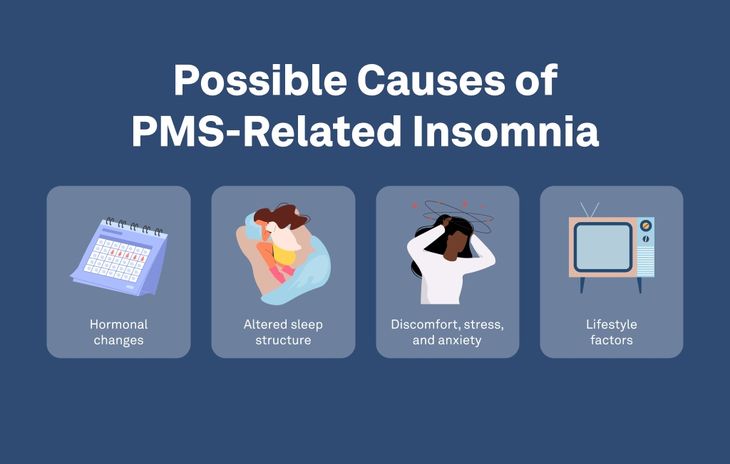
Hormonal sleep disruptions often manifest as distinct clinical patterns during the premenstrual phase.
For millions of women, this time of the month is synonymous with severe pms insomnia.
The rapid decline in progesterone diminishes the brain’s natural calming pathways, making sleep initiation difficult.
At the same time, plummeting estrogen reduces serotonin and melatonin production in the pineal gland.
This biochemical combination results in a severe, frustrating pmdd insomnia for those with premenstrual dysphoric disorder.
In these cases, sleep becomes extremely light, fragmented, and unrefreshing.
This leads to an increased difficulty sleeping before period onset that leaves many feeling chronically exhausted.
To combat this, having a detailed sleep-tracking system is incredibly valuable.
By monitoring your sleep metrics daily, you can differentiate standard fatigue from hormonal insomnia.
Using our comprehensive premenstrual insomnia tracking methods helps pinpoint exactly when your sleep cycle begins to degrade.
With this historical data, you can consult with your wellness advisor to optimize your premenstrual recovery routines.
Continuous tracking also provides peace of mind by showing that your sleep will recover once your cycle resets.
Having a clear, objective view of your body’s monthly rhythms removes the anxiety of unexplained sleeplessness.
Maximizing Sleep Recovery Using Herz P1 Biometric Insights
The Herz P1 Smart Ring makes translating raw biological data into real lifestyle changes easy.
Every morning, our companion app provides a comprehensive Sleep Score ranging from zero to one hundred.
This score is calculated based on sleep duration, deep sleep percentage, REM sleep stages, and nightly heart rate.
If you wake up from a night of crazy dreams and see a high REM sleep percentage, your brain has processed significant emotional data.
However, if your deep sleep score is low, your physical recovery may be incomplete.
You can use these direct insights to adjust your daily exercise intensity.
For example, on low deep sleep days, swap high-intensity workouts for restorative yoga or light walking.
Additionally, the lightweight design of the Herz P1 ensures you can wear it twenty-four hours a day without any discomfort.
Unlike bulky smartwatches that pinch your wrist, our ring rests naturally at the base of your finger.
This comfortable form factor ensures highly accurate, uninterrupted biometric reading throughout the entire night.
Mistakes to Avoid When Managing Hormonal Sleep Issues
A very common mistake is wearing heavy, distracting wrist-worn smartwatches to bed.
These large devices often cause micro-arousals when they catch on bedsheets or illuminate unexpectedly.
These brief awakenings interrupt critical REM cycles, heightening dream intensity and recall.
Another trap is signing up for trackers that lock your own personal health metrics behind high monthly subscription paywalls.
Paying a recurring fee just to view your sleep cycles or temperature variations can be incredibly frustrating.
We designed the Herz P1 Smart Ring to solve these precise usability and financial concerns.
Our companion app is completely free for life, ensuring you always have full access to your raw health data.
Constructed from premium military-grade steel, the ring is incredibly durable yet remains highly lightweight.
We stand behind this exceptional design with an industry-leading two-year warranty and a ninety-day money-back guarantee.
Frequently Asked Questions About Hormonal Sleep and Smart Rings
Yes, the Herz P1 features an advanced IP68 waterproof rating.
This certifies that the ring is fully protected against dust and continuous submersion in water.
It is completely safe to wear while swimming, washing hands, showering, or relaxing in a hot tub.
You never have to worry about removing the ring during your daily water-based activities.
Our smart ring is engineered to run for up to six days on a single charge.
It charges incredibly fast, going from zero to one hundred percent battery in under one hour.
This long-lasting performance eliminates the charging anxiety commonly associated with daily smartwatches.
You can track your sleep and daily activity cycles continuously without constant interruption.
The index, middle, or ring finger of your non-dominant hand offers the best reading accuracy.
These fingers generally have the most consistent blood flow and skin contact for our optical PPG sensors.
However, you can comfortably wear the ring on any finger that provides a secure, snug fit.
Just ensure the ring is not too loose, as rotation can occasionally disrupt continuous data collection.
Yes, the ring includes secure built-in local storage that saves up to seven days of biometric data.
This allows you to sleep or exercise without having your smartphone nearby or connected to Bluetooth.
The next time you open the companion app, your stored data will sync automatically in seconds.
This ensures your sleep trends and heart rate history remain completely seamless and accurate.
Reclaim Your Nights and Decode Your Body Signals
Monitoring your sleep architecture and hormone cycles is the ultimate path to complete physiological self-awareness.
The Herz P1 Smart Ring makes tracking this critical data completely effortless, subscription-free, and comfortable.
Ready to monitor your health every day? Explore the Herz P1 Smart Ring and see if it fits your lifestyle. Call: 1-866-479-1629 — our team can help you advise on the correct ring size and set personalized health goals.
