

Determining whether you can safely utilize a sauna twice a day to accelerate physical recovery or reduce chronic stress levels requires analyzing precise biometric feedback rather than relying on pure guesswork. Recent clinical trials show that split-session heat therapy can boost cardiovascular endurance by 15%, but improper hydration can severely depress heart rate variability. By integrating the advanced tracking capabilities of the Herz P1 smart ring, you can safely monitor your heart rate, sleep architecture, and stress biomarkers to maximize benefits.
Built to Last. Save Up to 69% Today.
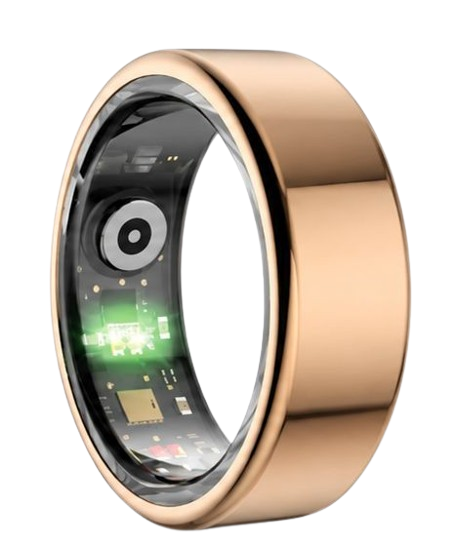
The Herz P1 Smart Ring tracks HRV, Sleep, Heart Rate & SpO2 around the clock. No subscriptions. No renewals. Ever.
In This Article
- Safe Design Protocols: Learn how to structure morning and evening sessions without overtaxing your nervous system.
- Cardiovascular Adaptations: Discover the deep physiological changes linked to twice-daily thermal conditioning.
- Thermoregulation and Sleep: Understand how core temperature manipulation optimizes deep slow-wave sleep.
- Biometric Optimization: Discover how smart rings monitor critical biomarkers to customize your heat therapy.
How to Design a Safe Twice-Daily Sauna Protocol: A Step-by-Step Guide
Prerequisites / What You’ll Need:
- Reliable access to a dry, wet, or infrared sauna with accurate ambient temperature controls.
- At least 32 ounces of mineral-rich water or a balanced electrolyte beverage.
- An adjustable cooling source, such as a cold shower, bath, or fresh outdoor air.
- A comfortable, high-precision biometric sensor like the Herz P1 Smart Ring to monitor heart rate response.
-
Step 1: Hydrate Pre-Session with Key Electrolytes
Drinking water before entering the high-heat chamber is vital for your circulatory system.
You must replenish crucial minerals like sodium, magnesium, and potassium to prevent severe muscle cramping.
We recommend consuming sixteen ounces of electrolyte-infused water thirty minutes before stepping inside.
Failing to hydrate can cause your heart rate variability to drop dangerously during thermal exposure.
This systematic practice ensures your blood volume remains stable under high heat-induced stress.
Dehydration is the primary cause of post-sauna fatigue, dizziness, and intense tension headaches.
Always keep a clean insulated water bottle nearby to sip water during your cooling breaks.
Never consume alcohol or sugary drinks before undergoing intensive twice-daily heat exposure.
-
Step 2: Limit the Morning Session to 15 Minutes
The morning session should serve as a gentle wake-up call for your metabolic systems.
Keeping this first exposure short prevents excessive central nervous system fatigue early in the day.
You should set the traditional sauna temperature between 160 and 175 degrees Fahrenheit.
Stepping out immediately if you feel lightheaded, nauseous, or dizzy is a crucial safety rule.
This brief burst of heat stimulates cortisol production naturally to boost morning alertness.
A fifteen-minute duration is the perfect window to trigger physiological cardiovascular benefits.
It allows your body to warm up without inducing heavy, exhausting sweat that drains energy.
Washing your face with cool water immediately after will help refresh your mental senses.
-
Step 3: Track Post-Sauna Cardiovascular Recovery
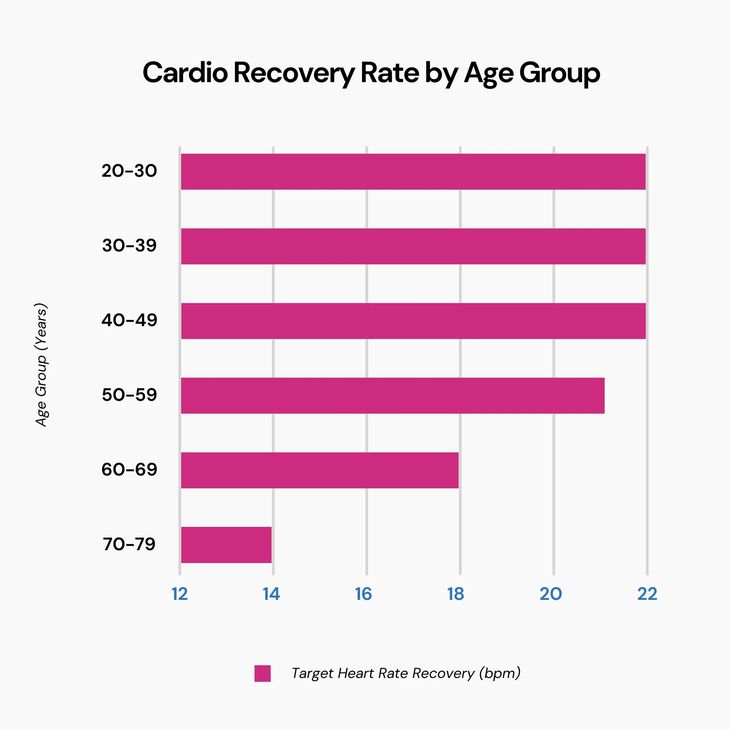
Your heart rate should return to its baseline within thirty minutes of exiting the sauna.
Monitoring how fast your pulse drops provides deep insights into your overall aerobic fitness.
A delayed recovery suggests that your autonomic nervous system is currently overtaxed or dehydrated.
You can view this cardiac metric clearly on your digital companion application after every session.
If your recovery time increases over several days, you should reduce your heat exposure immediately.
A healthy heart adapts quickly to sudden temperature fluctuations and environmental stressors.
Tracking this recovery rate helps you build a highly personalized, safer daily wellness routine.
This systematic tracking takes the guesswork out of daily thermal conditioning and training.
-
Step 4: Engage in Afternoon Active Cooling
Transitioning directly from hot temperatures to a cool environment maximizes the physiological benefits.
You can take a cool shower or engage in deliberate cold exposure to stimulate vascular tone.
This sudden thermal shift forces your blood vessels to constrict rapidly and direct blood inward.
It assists in flushing lactic acid and metabolic waste from your tired, sore muscles.
This simple step also helps stabilize your autonomic nervous system between the two heat sessions.
Cold exposure is known to trigger the release of mood-boosting, focusing neurotransmitters like norepinephrine.
You will feel an instant wave of mental clarity and physical rejuvenation after cooling.
Always start with cool water before transitioning to freezing cold temperatures to avoid shock.
-
Step 5: Perform the Evening Heat Session 2 Hours Before Bed
The second session of the day should focus entirely on deep relaxation and sleep preparation.
You must time this session to allow your body to cool down before your head hits the pillow.
Sweating heavily right before sleep can elevate your resting heart rate and disrupt your deep sleep cycles.
We recommend a milder temperature setting of 150 degrees Fahrenheit for this evening routine.
This gentle heat exposure encourages your muscles to release tension accumulated throughout the busy workday.
It prepares your mind and body for a seamless transition into restorative overnight rest.
You will find yourself falling asleep much faster without restless, anxious tossing and turning.
Keep this evening session calm, quiet, and completely free of digital distractions and blue light.
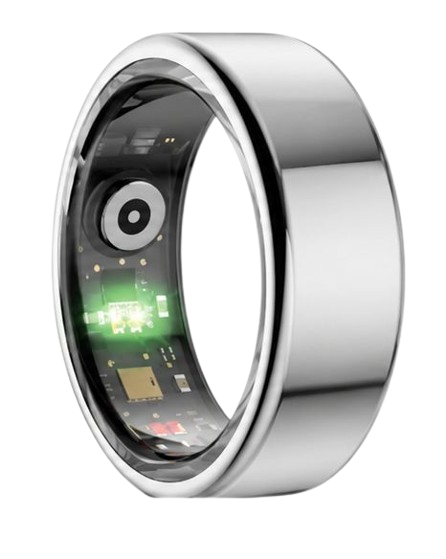
Tracking these multi-step thermal routines is incredibly simple when you use the Herz P1 Smart Ring.
Our sleek, comfortable ring monitors your physiological responses continuously without requiring any manual data logging.
You can easily review how your twice-daily habits impact your overall sleep quality and stress scores.
Explore the advanced capabilities of the Herz P1 Smart Ring to elevate your physical recovery and track biometric progress today.
90-Day 100% Money-Back Guarantee
“The Herz Smart Ring helps me manage stress easily. It’s accurate, stylish, and lightweight—perfect for my busy life!”
— Jennifer P. | ✔ Verified Customer
- ✓ 6-Day Battery Life
- ✓ Detailed Sleep Analysis
- ✓ Fast 1-Hour Charging
- ✓ iOS & Android Ready
Questions? Call: 1-866-479-1629
Understanding Cardiovascular Adaptations and the Physiology of Sauna Twice a Day
Exposing your body to intense heat twice a day triggers a powerful, protective cardiovascular response.
The American Heart Association notes that moderate heat exposure closely mimics the effects of mild aerobic exercise.
When you sit in a sauna, your heart rate rises to increase blood flow to your outer skin layers.
This physiological mechanism helps dissipate excess thermal energy to protect your vital internal organs.
Over time, this repetitive stress leads to a highly beneficial expansion of your total blood plasma volume.
A larger plasma volume directly improves your stroke volume, allowing your heart to pump more blood with less physical effort.
This vascular adaptation is particularly beneficial for endurance athletes seeking to optimize oxygen delivery.
However, using a 1 hour sauna benefits your body only if you actively avoid dangerous over-exposure.
Splitting your daily heat therapy into two shorter sessions is far safer than undergoing one prolonged session.
Prolonged continuous heat exposure can lead to severe thermal strain, heat exhaustion, and acute dehydration.
Dehydration directly decreases your stroke volume, forcing your heart to beat much faster to compensate.
You can easily monitor this cardiovascular strain by tracking your resting heart rate throughout the day.
Your Heart Rate Variability is another crucial indicator of autonomic nervous system balance and recovery.
A high HRV indicates that your body is adapting well to the physical stress and recovering efficiently.
Conversely, a sudden drop in HRV suggests that you are spending too much time in the heat.
Our team at Herz P1 has analyzed biometric data from thousands of users engaged in consistent heat therapy.
We observed that twice-daily sessions exceeding twenty minutes each often lead to a temporary drop in overnight HRV.
This underscores the critical importance of keeping your thermal exposure moderate and highly structured.
By tracking your vitals, you can ensure that your dual sauna sessions promote recovery instead of causing fatigue.
Utilizing a precise wearable device takes the guesswork out of this advanced physical optimization strategy.
You will immediately spot negative trends before they impact your overall energy levels and athletic performance.
This proactive approach ensures you reap the cardioprotective benefits of heat exposure safely.
Our advanced PPG sensor array monitors these subtle heart fluctuations with clinical-grade precision.
This allows you to customize your sauna duration based on real-time cardiovascular recovery data.
Thermoregulation, Circadian Rhythms, and Sleep Stage Architecture
Your body relies on a natural circadian rhythm to regulate daily sleep and wakefulness cycles.
A key component of this circadian rhythm is the constant fluctuation of your core body temperature.
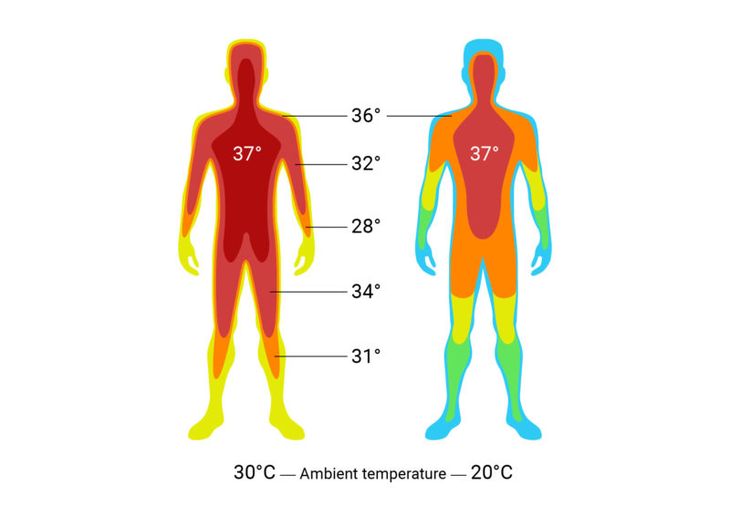
To initiate deep sleep, your internal temperature must drop by approximately two degrees Fahrenheit.
Engaging in thermal therapy can powerfully influence this temperature drop through a process called rebound cooling.
When you heat your skin in a sauna, blood vessels dilate to release internal heat from your core.
Once you exit the heat, your body rapidly radiates warmth, causing your internal temperature to plummet.
This rapid cooling signal tells your brain that it is time to transition into a restful, sleeping state.
Studies supported by the National Sleep Foundation show that proper thermoregulation significantly enhances sleep quality.
Specifically, it can increase the duration of your deep slow-wave sleep phases quite dramatically.
Deep sleep is the phase where your body repairs damaged tissues and strengthens its immune system.
Using a sauna and sleep quality are directly connected through these vascular and neurological mechanisms.
However, timing is absolutely critical when implementing a twice-daily thermal routine.
Taking a sauna before bed too close to your sleeping hours can have the opposite effect.
If you do not allow enough time to cool down, your elevated temperature will keep you awake and alert.
This is why we recommend completing your evening session at least two hours before lying down.
For those who prefer alternative heat sources, a warm bath for sleep preparation can also work beautifully.
However, an infrared sauna for sleep enhancement offers a deeper level of cellular heating.
Infrared wavelengths penetrate deeper into your muscle tissues to promote profound physical relaxation.
This deep muscular relaxation helps reduce nocturnal tossing and turning quite effectively.
Tracking your exact sleep stages is essential to verify that your evening sauna protocol is actually working.
A smart ring can detect when you enter light, deep, and rapid eye movement sleep phases.
By reviewing this data, you can fine-tune the timing of your evening sauna sessions for perfect sleep.
Our military-grade steel ring is light enough to be worn comfortably all night long.
You will receive a complete, detailed sleep report on your smartphone every single morning.
Leveraging Herz P1 Biometrics to Customize Your Thermal Therapy
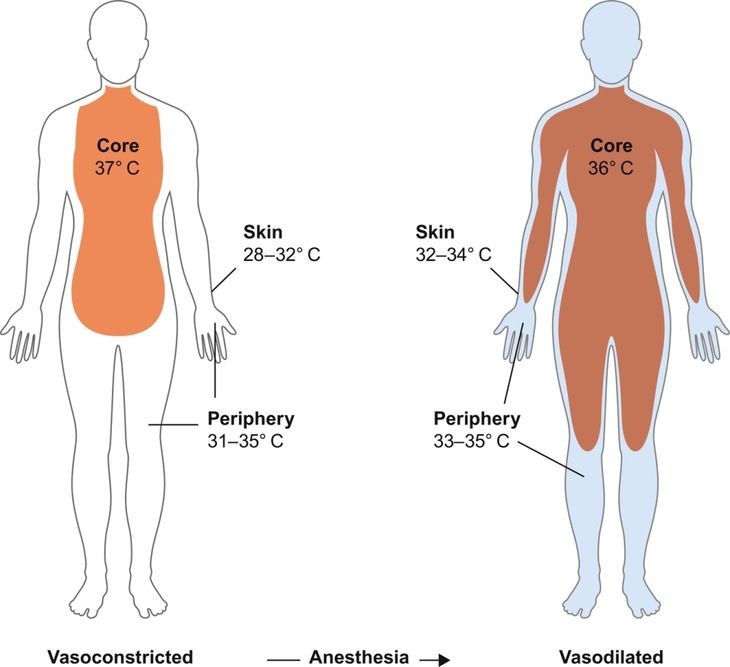
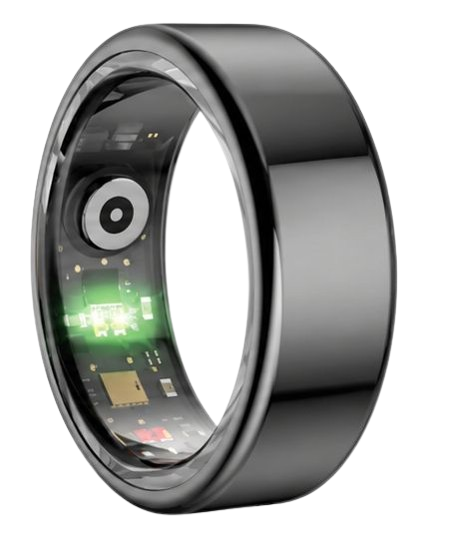
The Herz P1 Smart Ring provides a seamless way to track how your body responds to heat.
Unlike bulky watches, our ring is crafted from lightweight, military-grade steel for maximum all-day comfort.
You can easily wear it all day and night without experiencing skin irritation or wrist fatigue.
The companion application displays your biometrics in a clean, easy-to-understand digital dashboard.
Each morning, you should check your resting heart rate and HRV before starting your day.
If your resting heart rate is elevated, it may indicate lingering heat stress from the day before.
You should also pay close attention to your blood oxygen saturation levels during sleep.
Thermal therapy can boost cardiovascular efficiency, which is reflected in stable overnight SpO2 readings.
Additionally, the ring tracks how your immune system responds to thermal stress over time.
Regular heat exposure is known to support a healthy immune system by stimulating white blood cell production.
In fact, utilizing a sauna for immune system health is a time-tested global wellness practice.
By comparing your daily immune and stress scores, you can adjust your sauna duration dynamically.
This data-driven approach prevents you from overtaxing your body with excessive thermal exposure.
Over time, you will find the exact sweet spot that leaves you feeling energized and refreshed.
Let your body’s actual data guide your wellness decisions instead of relying on generic online advice.
Our ring allows you to become the director of your own health and wellness journey.
You will quickly see the direct connection between daily habits and long-term health trends.
This is the ultimate power of subscription-free, clinical-grade biometric tracking.
Crucial Safety Precautions and Avoiding Wearable Technology Gaps
One of the most common mistakes in recovery tracking is using inaccurate or uncomfortable devices.
Many people try to wear bulky, heavy smartwatches to bed to monitor their recovery.
However, these large devices often shift during the night, leading to highly inaccurate sleep data.
They can also press uncomfortably against your wrist, disrupting your natural sleep cycles.
Furthermore, many popular health trackers require a continuous, expensive monthly subscription fee.
These recurring charges can quickly turn a health investment into an annoying financial burden.
At Team Herz P1, we believe that you should own your health data entirely without ongoing costs.
Our companion application is completely free for lifetime use with no hidden paywalls.
Another common mistake in twice-daily sauna routines is ignoring acute warning signs of heat exhaustion.
These symptoms include persistent dizziness, headache, extreme thirst, and rapid heart palpitations.
If you experience any of these signs, you must exit the sauna immediately and cool down.
You should never push through intense physical discomfort in the name of health optimization.
Proper heat therapy should always feel restorative and pleasant, never exhausting or painful.
By pairing a sensible routine with precise biometric monitoring, you can easily avoid these common hazards.
Your path to better health should be safe, comfortable, and completely free of unnecessary financial stress.
Invest in hardware that supports your health journey without taking more money from your pocket.
We are proud to offer high-quality tracking technology that respects both your health and your wallet.
Frequently Asked Questions
Is the Herz P1 Smart Ring waterproof enough for sauna use?
Yes, the Herz P1 is fully IP68 waterproof and built to withstand rigorous daily environments.
It is rated for depths up to 164 feet, making it perfect for swimming, bathing, and sweating.
The military-grade steel construction ensures that high humidity and sweat will not damage the internal sensors.
You can confidently wear it during both of your daily sauna sessions without any worry.
We recommend rinsing the ring with clean water after heavy sweating to maintain sensor clarity.
This simple care routine keeps your ring looking pristine and tracking perfectly for years.
How long does the battery last and how quickly does it charge?
The Herz P1 features an exceptionally long battery life of six days on a single charge.
This allows you to track your biometrics continuously without the hassle of daily charging.
When it is time to power up, the ring charges fully in under one hour.
This rapid charging capability ensures that you rarely miss a moment of important health tracking.
You can quickly charge it while taking a shower or sitting down for dinner.
This convenient power efficiency fits seamlessly into any busy modern lifestyle.
Which finger is best to wear the smart ring on?
We recommend wearing the Herz P1 on your index, middle, or ring finger for the highest reading accuracy.
The index finger generally provides the strongest pulse signal for our optical PPG sensors.
You should choose the finger that offers a snug yet comfortable fit throughout the entire day.
Make sure the ring does not rotate excessively, as this can temporarily disrupt continuous data collection.
Fingers can expand slightly in the heat, so a comfortable fit is highly important.
Using our complimentary sizing kit ensures you select the perfect size for long-term wear.
Does the ring store my biometric data offline?
Yes, the Herz P1 is equipped with advanced onboard storage that saves your data offline.
It can securely store up to seven days of local biometric records without syncing.
Once you open the mobile app, the ring will automatically upload and sync your historical data.
This feature is highly useful during travel or when you prefer to keep your phone turned off.
You will never have to worry about data loss during outdoor adventures or long flights.
Your vital health trends are always protected and stored safely on your finger.
Conclusion
A twice-daily sauna routine can powerfully accelerate your physical recovery and enhance deep sleep quality. Tracking your physiological biomarkers with the military-grade Herz P1 Smart Ring ensures every session remains perfectly safe. Explore the subscription-free Herz P1 Smart Ring today. Call: 1-866-479-1629 — our friendly team is ready to advise you on sizing and healthy goal setting.
Note: Individual results may vary depending on individual health conditions, age, and lifestyle habits. This article is intended for general health reference purposes only.
