

Discovering the figure 4 sleeping position meaning can unlock the secrets to your nightly physical recovery and spinal health. If you often wake up feeling stiff or restless, your sleeping posture is likely communicating a deeper physiological need. At Team Herz P1, we help you decode these critical body signals. By combining postural awareness with the subscription-free tracking of the Herz P1 Smart Ring, you can optimize your sleep architecture effortlessly.
Built to Last. Save Up to 69% Today.
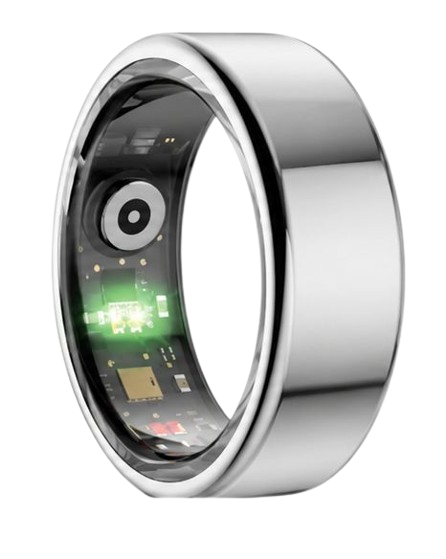
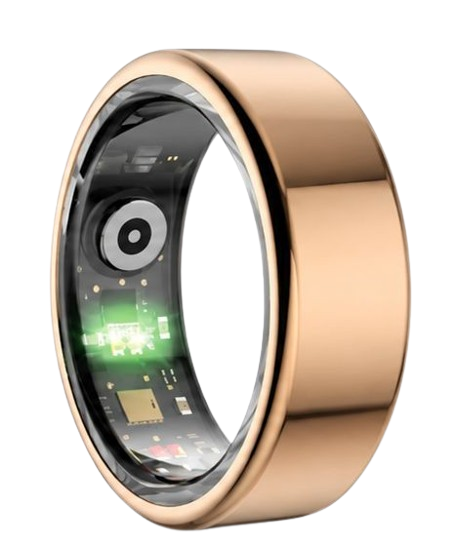
The Herz P1 Smart Ring tracks HRV, Sleep, Heart Rate & SpO2 around the clock. No subscriptions. No renewals. Ever.
In This Article
- How to Achieve Perfect Alignment: A step-by-step orthopedic guide to adjusting the figure four sleeping position.
- The Biomechanics of Side Leg Bending: How elevating one knee decompress your lower spine and relaxes your hips.
- The Subconscious Psychology: What your favorite sleep posture communicates about your emotional landscape.
- Real-Time Metric Analysis: How to monitor HRV, sleep stages, and oxygen levels using smart technology.
How to Achieve Flawless Spine Alignment in the Figure 4 Sleeping Position
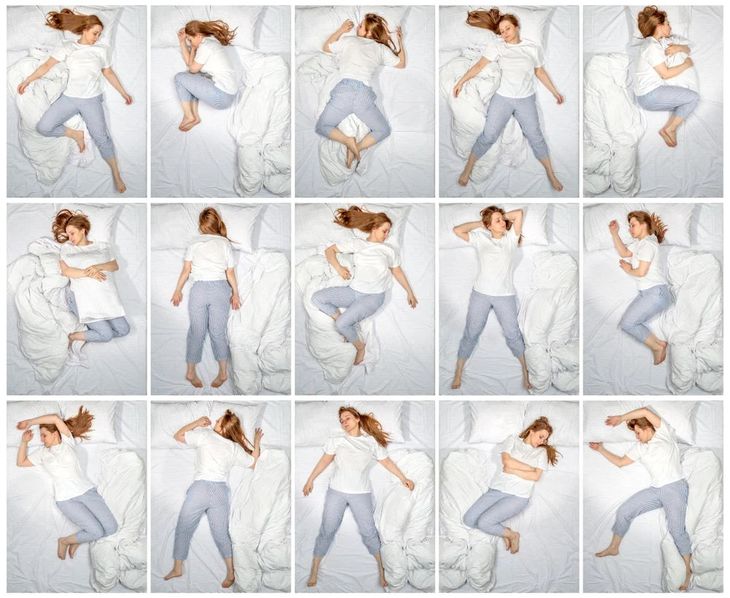
Modifying your night postures requires a systematic approach to prevent muscle strain and optimize musculoskeletal recovery.
Before you begin, ensure you have a supportive sleeping environment and the right mechanical tools to support your joints.
-
Step 1: Choose the Correct Mattress Firmness
Your mattress must offer a medium-firm level of support to keep your hips from sinking too deeply into the surface.
If your sleeping surface is overly soft, your pelvis will sag, creating an unhealthy lateral twist in your lumbar spine.
Place a supportive flat sheet or thin protector over your mattress to allow easy physical transitions during the night.
-
Step 2: Establish Your Base Leg Foundation
Lie flat on your preferred side and extend your bottom leg completely straight toward the foot of your bed.
Keep your ankle, knee, hip, and shoulder aligned in a single straight line to build a balanced structural base.
Flex your lower ankle slightly to stabilize your lower leg and prevent your body from rolling onto your stomach.
-
Step 3: Position and Angle Your Upper Leg
Slowly slide your top knee upward toward your chest until it reaches roughly a ninety-degree angle.
This movement creates the signature “4” shape that defines this highly comforting sleep posture.
Avoid pulling your knee too high toward your chest, as extreme angles can pinch your hip flexor muscles.
-
Step 4: Introduce a Supportive Knee Pillow
Place a contoured memory foam knee pillow directly under your bent knee and your lower leg.
This orthopedic cushion elevates your knee so that it remains level with your hip socket throughout the night.
Without this support, your top knee will pull downward, dragging your pelvis forward and twisting your lower back.
-
Step 5: Align Your Cervical Spine and Head
Select a head pillow that matches the exact width of your shoulder to fill the gap between your neck and mattress.
Your head should remain parallel to the bed surface, preventing any unnatural bending in your neck.
Avoid double-stacking pillows, which can push your head forward and restrict your airway during deep sleep stages.
-
Step 6: Track Your Body’s Nightly Adaptations
Use a highly precise biometric tool to monitor how this structural shift affects your nightly restoration patterns.
Wear the lightweight, subscription-free Herz P1 Smart Ring to log your heart rate variability and deep recovery trends.
Reviewing your personalized mobile dashboard will confirm whether this posture successfully lowers your physical stress levels.
90-Day 100% Money-Back Guarantee
“The Herz Smart Ring helps me manage stress easily. It’s accurate, stylish, and lightweight—perfect for my busy life!”
— Jennifer P. | ✔ Verified Customer
- ✓ 6-Day Battery Life
- ✓ Detailed Sleep Analysis
- ✓ Fast 1-Hour Charging
- ✓ iOS & Android Ready
Questions? Call: 1-866-479-1629
Anatomical Science: How Side Leg Bending Decompresses the Lumbar Spine
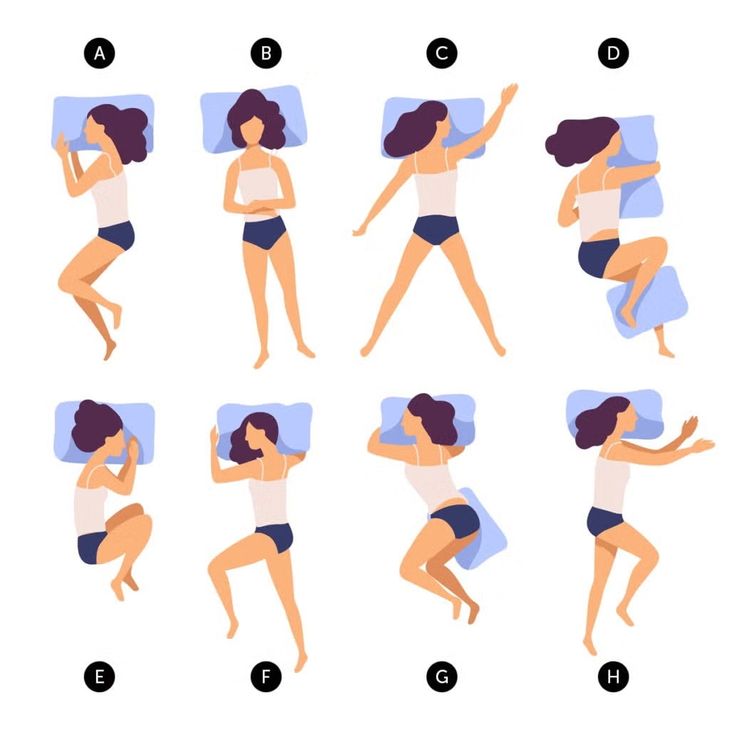
Adopting a lateral posture with one knee elevated helps decompress compressed lumbar vertebrae.
Many individuals unconsciously choose the figure 4 sleeping position to ease lower back tension.
Physiologically, bending one leg up acts as a release valve for the hip flexor muscles and the sacroiliac joint.
When you sleep on your side with both legs straight, your tight hip muscles can pull your pelvis forward.
This forward pull triggers pelvic rotation and places significant tension on your delicate lumbar discs.
By bringing one knee upward, you relax the psoas muscle on that side, neutralizing spinal curvature.
This simple pelvic realignment alleviates pressure on the sciatic nerve pathway, reducing morning leg discomfort.
Additionally, you may find comfort in sleeping with one leg out of the covers while in this position.
This behavior is a highly effective way to manage your body’s temperature levels throughout the night.
According to the National Sleep Foundation, dropping your core body temperature is a necessary trigger for deep sleep.
Exposing your lower leg and foot allows heat to escape through specialized blood vessel networks in your extremities.
This cooling effect signals your brain to release melatonin, promoting deeper and more restful sleep stages.
However, you should avoid sleeping with legs crossed tightly in this posture.
Crossing your ankles tightly can restrict local blood flow and compress delicate peripheral nerves.
This restriction often causes numbness, waking you up and disrupting your critical sleep cycles.
To avoid this, keep your elevated leg fully supported by an orthopedic cushion rather than locking it over your other foot.
Maintaining clear, unrestricted circulation ensures your body can focus entirely on cellular repair and muscle tissue recovery.
Psychological Insights: The Emotional Meanings of the Figure Four Sleep Pose

Your preferred sleeping posture is a fascinating window into your subconscious mind and daily emotional state.
Analyzing the deeper sleeping positions meaning reveals a direct link between physical comfort and psychological security.
Sleep behaviorists categorize the names of sleeping positions to map specific personality traits to physical sleep styles.
The figure four posture is widely recognized as a highly defensive, comfort-seeking sleep pose.
By drawing one knee up toward your abdomen, you create an instinctual physical shield over your vital organs.
This posture suggests that you possess a protective, highly sensitive nature beneath a calm exterior.
If you want to know what does your sleeping position say about you, look at your current life stressors.
People often switch to this protective posture during challenging times at work or during major life changes.
Bending your leg acts as a physical response to mental exhaustion, helping your brain feel safe and secure.
Evaluating what your sleeping style says about your personality shows a balance between emotional sensitivity and independence.
Those who favor this posture are often highly reliable, protective of their loved ones, and deeply empathetic.
You may present a strong, independent front to the world, while holding a warm, caring interior.
Comparing this posture to other popular sleeping positions highlights its unique blend of security and freedom.
It provides more space and movement than the rigid fetal position, while offering far more security than sleeping flat on your back.
Recognizing these subconscious postural cues can help you understand and manage your daily mental and emotional health.
Biometric Optimization: Monitoring Your Postural Recovery with the Herz P1
Adapting to a new sleep position requires objective, accurate tracking to confirm its physiological benefits.
You cannot rely on subjective morning feelings alone to evaluate whether a posture is improving your recovery.
By tracking key cardiovascular and nervous system markers, you can see how your body responds to the figure four pose.
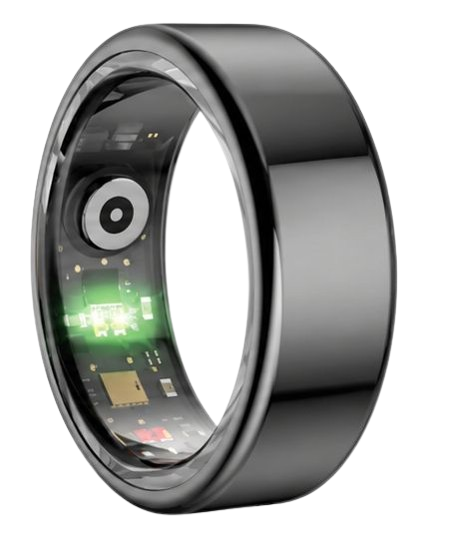
The Herz P1 Smart Ring makes this tracking process completely seamless, comfortable, and unobtrusive.
Our sleek ring features advanced multi-wavelength optical sensors to monitor your body signals around the clock.
Every five minutes, the device records your Heart Rate Variability (HRV) and Blood Oxygen Saturation (SpO2) levels.
A higher nightly HRV score indicates that your nervous system is relaxed and recovering effectively from daily stress.
If your sleep posture is placing stress on your lower back, your body will trigger a low-level physical stress response.
This stress will show up as a noticeable drop in your nightly HRV trends on your free Herz P1 mobile app.
Similarly, monitoring your SpO2 levels helps confirm that your breathing remains smooth and unobstructed.
The side-lying figure four posture helps keep your throat muscles forward, preventing airway blockages.
Checking your oxygen trend data on our free app can confirm that your system receives plenty of oxygen all night.
Unlike bulky smartwatches that irritate your skin and require daily charging, our ring is designed for continuous wear.
Crafted from military-grade steel, it is incredibly lightweight and operates for six days on a single charge.
This long-lasting battery life ensures you capture every minute of your sleep cycles without interruption.
Postural Correctives: Avoiding the Pitfalls of Unsupported Leg Elevation
While the figure four posture offers excellent comfort, improper execution can lead to joint issues over time.
The most common mistake is letting your bent knee rest directly on your mattress without any cushion support.
This unsupported position forces your pelvis to rotate forward, putting an unhealthy twist on your lower spine.
Always place a supportive knee pillow under your elevated leg to keep your hips parallel and prevent spinal twisting.
Another major mistake is tracking your sleep quality with heavy, uncomfortable wearable devices.
Bulky smartwatches can disrupt your natural hand movements and cause skin irritation during the night.
These heavy trackers often produce inaccurate readings because they shift around on your wrist as you move.
Additionally, several popular wearable brands lock your personal health data behind expensive monthly subscription walls.
At Team Herz P1, we believe your personal health information should belong to you completely without ongoing costs.
Our companion application is entirely free for life, ensuring you never face hidden fees to access your data.
Choosing a subscription-free smart ring helps you track your recovery trends clearly, comfortably, and affordably.
Frequently Asked Questions About the Herz P1 Smart Ring
Here are clear answers to the most common questions about how the Herz P1 tracks your sleep and daily health.
-
Is the Herz P1 Smart Ring waterproof?
Yes, our ring features a certified military-grade IP68 waterproof rating.
It is fully waterproof up to 164 feet, meaning you can wear it while swimming, showering, or washing your hands.
You never have to remove it during your daily routines, ensuring you never miss critical tracking data.
-
How long does the battery last on a single charge?
The Herz P1 battery provides up to 6 full days of continuous tracking on a single charge.
It charges incredibly fast, reaching a complete charge from empty in under 1 hour.
This reliable battery life eliminates the frustration of daily charging that smartwatch users experience.
-
Which finger is the best option to wear the smart ring?
For the most accurate biometric readings, we recommend wearing the ring on your index, middle, or ring finger.
These digits have a rich network of blood vessels that allow our optical sensors to read your pulse clearly.
Choose a size that fits snugly over your knuckle but does not feel uncomfortably tight during warmer hours.
-
Does the Herz P1 store my health data offline?
Yes, the ring features secure local storage that saves up to 7 days of your biometric data offline.
You do not need to keep your smartphone next to your bed to record your nightly sleep stages.
The ring will automatically sync all of your recorded data to the mobile app once your Bluetooth reconnects.
Conclusion: Your Subscription-Free Wellness Journey Starts Here
Optimizing your sleep alignment with the figure 4 posture can dramatically improve your daily recovery. Let the Herz P1 Smart Ring monitor your biometric trends with zero subscription fees. Ready to transform your sleep health? Explore the Herz P1 Smart Ring today. Call: 1-866-479-1629 — our team will help you choose your perfect size.
Note: Individual results may vary depending on individual health conditions, age, and lifestyle habits. This article is intended for general health reference purposes only.
