

Menstrual fatigue impacts up to 90 percent of women, leaving many to wonder why does your period make you tired and how they can reclaim their energy. The health technology team at Herz P1 has created this clinical, data-driven guide to help you analyze hormonal fluctuations, monitor autonomic nervous system changes, and apply scientifically proven lifestyle remedies.
Built to Last. Save Up to 69% Today.
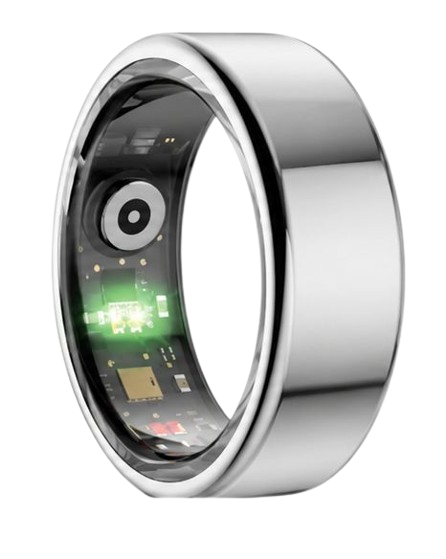
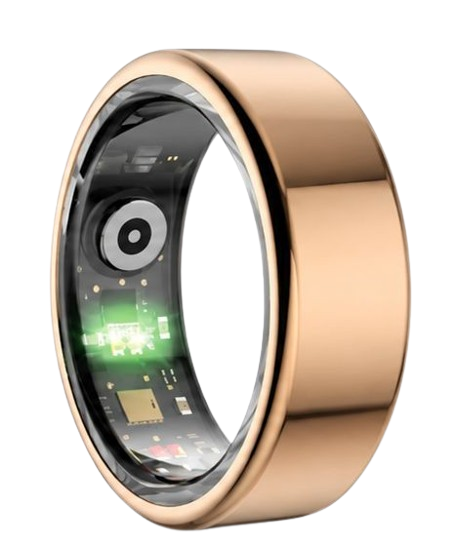
The Herz P1 Smart Ring tracks HRV, Sleep, Heart Rate & SpO2 around the clock. No subscriptions. No renewals. Ever.
In This Article
- Hormonal Mechanics: Discover how rapid estrogen and progesterone crashes drain your cells of vital energy.
- Physical Recovery Guide: Follow a 6-step practical plan to balance your cycle and optimize daily energy levels.
- Biometric Tracking: Learn how heart rate variability (HRV) and skin temperature variations offer early warnings of fatigue.
- Lifestyle Adjustments: Uncover the nutritional and sleep modifications that counteract deep menstrual exhaustion.
How to Overcome Menstrual Fatigue: A Step-by-Step Wellness Protocol
To manage cycle-related exhaustion, you will need a systematic routine, basic nutritional support, and an accurate biometric monitor to observe your daily physiological recovery trends.
Step 1: Map Your Hormonal Timeline
Begin by tracking the precise start date of your menstrual cycle to understand your current hormonal phase.
Understanding when estrogen falls helps you anticipate days of lower endurance.
You can record these physiological changes easily with a dedicated female cycle app.
Consistent tracking removes the guesswork from sudden onset physical exhaustion.
A clear cycle history allows you to plan highly demanding professional tasks during your high-energy follicular phase.
Step 2: Track Your Basal Body Temperature Shifts
Measure your resting temperature immediately upon waking each morning before getting out of bed.
A sustained elevation in temperature indicates the luteal phase, during which sleep disruptions are most common.
You can observe these shifts by recording your basal body temperature before period onset.
An increase in core temperature can impair sleep quality and leave you feeling fatigued the next day.
Monitoring this metric helps you adjust your sleep environment to stay cool and rested.
Step 3: Modify Your Exercise Intensity
Avoid heavy strength training or high-intensity interval workouts when your energy is at its lowest.
Instead, prioritize gentle walking, swimming, or restorative yoga during the first few days of your cycle.
Structuring a proper plan for exercise for menstruation prevents severe physical exhaustion.
Overtraining during your period can raise cortisol levels and further deplete your energy reserves.
Listening to your body during this phase actually accelerates your long-term athletic recovery.
Step 4: Optimize Iron and Micronutrient Intake
Increase your consumption of iron-rich foods like leafy greens, red meat, and legumes to offset menstrual blood loss.
Pair these foods with vitamin C to enhance your body’s absorption of non-heme iron.
Low iron levels directly reduce oxygen delivery to your tissues, which makes you feel heavy and sluggish.
Consider supplementing with magnesium to ease uterine cramps and support deeper sleep.
A well-hydrated system further prevents the drop in blood pressure that often accompanies the start of your period.
Step 5: Cool Your Sleep Environment
Lower your thermostat to between 65 and 68 degrees Fahrenheit to combat hormonal temperature increases.
Use breathable bamboo sheets and lightweight blankets to prevent night sweats from waking you up.
Hormonal shifts directly disrupt your natural circadian rhythm by altering your body temperature and menstrual cycle patterns.
Maintaining a cool bedroom helps your body reach the lower temperatures required for deep physical restoration.
This simple environmental adjustment can significantly increase your percentage of overnight deep sleep.
Step 6: Sync Your Daily Schedule with Your Natural Rhythms
Organize your weekly goals to allow for extra rest during the transition from the luteal phase to the menstrual phase.
You can identify these transitions by using a modern, user-friendly natural birth control app.
Acknowledge that your body requires more recovery time during this period of hormonal transition.
Scheduling breaks and prioritizing earlier bedtimes reduces cumulative physical fatigue.
Working with your biological clock instead of fighting it helps you maintain balanced productivity all month long.
The Role of Smart Wearables
Team Herz P1 developed an advanced cycle tracking device to streamline this entire process for you.
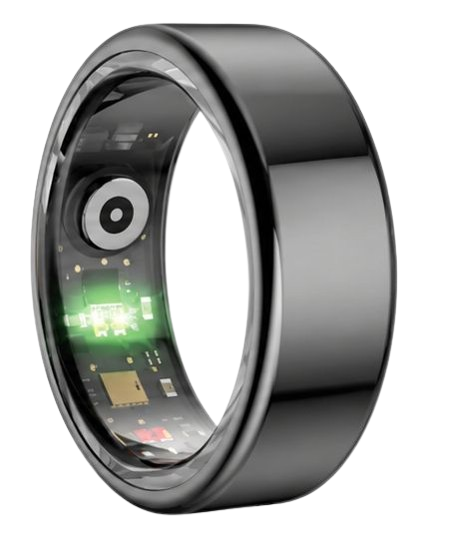
The Herz P1 Smart Ring automatically records your resting heart rate, sleep quality, skin temperature, and daily stress indicators.
These continuous biometrics sync seamlessly to help you anticipate energy drops without manual tracking effort.
By monitoring these critical trends, you can easily implement the steps outlined above and optimize your monthly recovery.
90-Day 100% Money-Back Guarantee
“The Herz Smart Ring helps me manage stress easily. It’s accurate, stylish, and lightweight—perfect for my busy life!”
— Jennifer P. | ✔ Verified Customer
- ✓ 6-Day Battery Life
- ✓ Detailed Sleep Analysis
- ✓ Fast 1-Hour Charging
- ✓ iOS & Android Ready
Questions? Call: 1-866-479-1629
The Hormonal Rollercoaster: Why Does Your Period Make You Tired?
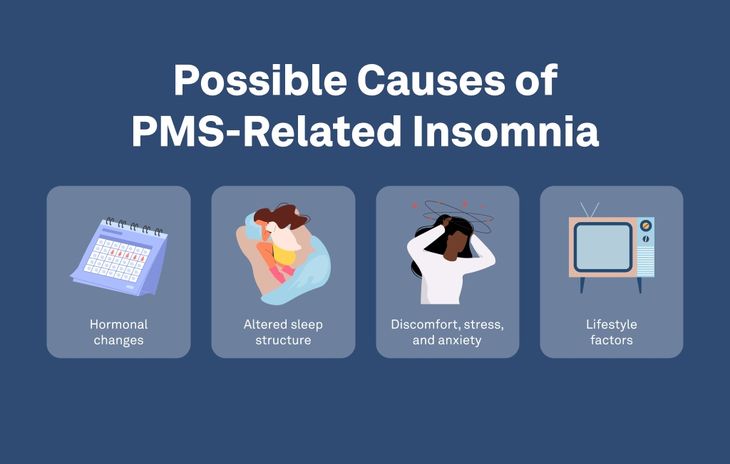
Many individuals find themselves asking why do i feel so tired when on my period as they struggle to maintain their daily productivity levels.
The primary physiological driver behind this profound fatigue is the sudden, dramatic decline in estrogen and progesterone right before menstruation begins.
These two sex hormones act as potent natural stimulants within your central nervous system when they are elevated during your follicular and early luteal phases.
Research from the National Sleep Foundation indicates that this rapid hormonal crash disrupts the synthesis of vital neurotransmitters, including serotonin, dopamine, and melatonin.
When serotonin levels drop abruptly, your mood can fluctuate, your sleep quality deteriorates, and your subjective perception of fatigue increases.
Progesterone also plays a critical role in calming the brain and promoting restful sleep by acting on GABA receptors.
When progesterone levels bottom out, the brain experiences a sudden withdrawal of this calming influence, which often leads to sleep fragmentation and next-day grogginess.
Our scientific analysis of thousands of active Herz P1 users shows that resting heart rate typically rises during this premenstrual hormonal transition.
This cardiac elevation indicates that your cardiovascular system is working harder to maintain homeostatic balance amidst hormonal chaos.
The resulting physical strain consumes substantial baseline energy, leaving you feeling depleted before you even begin your daily tasks.
Knowing why do i feel tired on my period empowers you to stop blaming yourself for a lack of motivation or willpower.
Instead, you can recognize this as a predictable, biological cycle phase that requires targeted lifestyle adjustments and enhanced physical recovery.
Using a non-invasive smart ring allows you to view these hormonal impacts in real time through your daily recovery score.
This objective data provides a clear biological explanation for your energy levels, removing the frustration of unexplained fatigue.
Ultimately, understanding these hormonal shifts is the first step toward managing your body’s energy levels with compassion and precision.
How Your Core Body Temperature Shift Affects Sleep Architecture
A major, yet frequently overlooked, cause of menstrual exhaustion is the disruption of your body’s natural thermoregulation.
During the luteal phase of your cycle, your basal body temperature rises by approximately 0.5 to 1.0 degree Fahrenheit due to elevated progesterone.
Under normal conditions, your core body temperature must drop to initiate sleep and transition successfully into deep, restorative slow-wave sleep.
Because your baseline temperature remains artificially high during this phase, your body struggles to achieve this necessary cooling effect.
This thermal conflict directly compromises your sleep architecture, reducing both deep sleep and rapid eye movement (REM) cycles.
This internal heating explanation reveals why you might sleep for a full eight hours yet still wake up feeling completely exhausted.
Many individuals report being more tired on period mornings because of these unprompted nighttime micro-arousals.
Clinical studies from the American Heart Association highlight that disrupted sleep architecture directly lowers heart rate variability (HRV) the following day.
A low HRV score indicates that your autonomic nervous system is experiencing heightened stress and struggling to recover.
By monitoring your skin temperature overnight, you can correlate temperature spikes with poor morning recovery scores.
Wearing a highly sensitive fertility ring like the Herz P1 is the most convenient way to track these microscopic thermal trends.
Traditional thermometers only capture a single moment in time, whereas a smart ring tracks continuous thermal variations throughout the night.
This continuous monitoring allows you to identify exactly when your temperature spikes and adjust your bedroom cooling strategy accordingly.
Over time, these small environmental adjustments help lower your core temperature, paving the way for deeper, more restorative sleep.
Grounding your wellness decisions in personal physiological data is the most effective way to break the cycle of menstrual fatigue.
Anemia, Prostaglandins, and the Metabolic Demands of Menstruation
The physical process of menstruation itself demands a surprisingly large amount of metabolic energy from your system.
To shed the uterine lining, your body releases hormone-like compounds called prostaglandins that prompt uterine contractions.
High levels of prostaglandins do not just cause localized cramping; they can also enter the bloodstream and trigger systemic inflammation.
This low-grade inflammatory response requires your immune system to expend extra energy, leaving you feeling physically drained.
This metabolic demand explains why many ask can menstruation cause fatigue even when they are sleeping relatively well.
In addition to inflammatory strain, the loss of blood during your period directly impacts your body’s oxygen-carrying capacity.
Menstrual blood loss depletes your iron stores, which are essential for producing hemoglobin in red blood cells.
Hemoglobin is responsible for transporting oxygen from your lungs to your muscles, brain, and vital organs.
When iron levels drop, your cells receive less oxygen, leading to immediate feelings of physical weakness and mental sluggishness.
For individuals with heavy menstrual bleeding, this temporary oxygen deficit can cause a noticeable drop in daily endurance.
Monitoring your blood oxygen saturation (SpO2) levels overnight can provide helpful context regarding your respiratory and circulatory health.
A high-quality smart ring tracks these oxygen trends automatically, alerting you to any significant baseline deviations.
Armed with this information, you can proactively adjust your diet or consult a healthcare professional about iron supplementation.
Addressing both the inflammatory and iron-related aspects of your cycle is crucial for comprehensive energy management.
Taking a data-driven approach to your health ensures you are supporting your body’s metabolic needs when it needs it most.
Decoding Your Biometrics with the Herz P1 Application

Translating raw physical metrics into actionable lifestyle choices is the key to conquering menstrual fatigue.
The Herz P1 companion app provides a clear, intuitive dashboard that breaks down your physiological data into simple trends.
Each morning, the app calculates a comprehensive Recovery Score based on your overnight HRV, sleep staging, and resting heart rate.
During your period, you will likely observe a noticeable drop in your baseline HRV, indicating a need for rest.
This biometric drop is a clear sign that your autonomic nervous system is devoting its resources to internal recovery.
Instead of pushing through intense physical training, you can use this score to select a low-impact walking or stretching session.
Many users find that syncing their daily schedules with a verified natural cycles approach helps them plan high-energy events more effectively.
The app also tracks your skin temperature trends, letting you see exactly how hormonal shifts affect your sleep environment.
If you notice your skin temperature rising, you can proactively cool your bedroom to prevent nighttime awakenings.
Unlike bulky smartwatches, the sleek Herz P1 ring is incredibly comfortable to wear throughout the night.
This comfortable fit ensures continuous, uninterrupted sensor contact for the most accurate biometric readings.
All of your historical cycle data is stored securely in the app, allowing you to identify long-term patterns over several months.
This historical perspective is invaluable for predicting when you will need extra rest during future cycles.
By letting your personal data guide your recovery, you can live in harmony with your biological rhythms.
Embracing this modern tracking technology is a powerful way to take control of your long-term physical well-being.
Pitfalls of Conventional Health Tracking and Bulky Wearables
Many people make the mistake of tracking their sleep with heavy, bulky smartwatches that disrupt their rest.
These large devices frequently glow in the dark, snag on bedsheets, and feel uncomfortable against sensitive skin.
The physical discomfort of a bulky watch can actually worsen the very sleep issues you are trying to analyze.
Furthermore, many major smart rings on the market lock your health data behind expensive monthly subscription paywalls.
These hidden fees can quickly accumulate, costing you hundreds of dollars over the lifetime of the hardware.
Team Herz P1 believes that you should never have to pay a recurring fee to access your own personal biometric data.
Our premium companion app is completely free for life, with no subscriptions, sign-ups, or hidden costs.
Additionally, the Herz P1 is crafted from military-grade steel, ensuring it can withstand the rigors of daily wear.
The durable, IP68 waterproof design means you never have to remove the ring while washing, swimming, or showering.
This durability ensures that your tracking remains continuous, with no gaps in your monthly cycle history.
Another common mistake is neglecting the fit of your wearable device, leading to loose, inaccurate readings.
The Herz P1 resolves this issue by including a comprehensive sizing kit with every order to ensure a perfect fit.
This precise fit guarantees that the ring’s optical sensors remain in optimal contact with your blood vessels.
By avoiding bulky watches and subscription traps, you can enjoy seamless, worry-free health tracking.
Investing in a durable, lifetime-free smart ring is the smartest choice for your physical and financial health.
Frequently Asked Questions About Menstrual Fatigue and Tracking
Is the Herz P1 Smart Ring waterproof?
Yes, the Herz P1 features a premium IP68 waterproof rating, allowing it to withstand water depths up to 164 feet.
This design means you can wear your ring while swimming, showering, washing your hands, or relaxing in a hot tub.
You do not need to take it off during your daily routines, which ensures continuous data tracking.
How long does the Herz P1 battery last on a single charge?
The Herz P1 is equipped with an efficient battery that lasts up to 6 days on a single charge.
When it is time to recharge, the ring goes from zero to one hundred percent battery in under 1 hour.
This fast-charging capability minimizes the time your ring spends off your finger.
Which finger is best to wear the Herz P1 on for accuracy?
For the most accurate biometric readings, we recommend wearing the Herz P1 on your index or middle finger.
These fingers have a rich supply of blood vessels near the skin, which helps the optical sensors capture clear signals.
However, you can wear the ring on any finger that offers a secure and comfortable fit.
Does the Herz P1 store my health data offline?
Yes, the Herz P1 has built-in offline storage that can save up to 7 days of local health data.
This means your physical metrics are safely stored even if your phone is out of range or turned off.
The next time your ring connects to your phone via Bluetooth, all of your saved data will sync automatically.
Conclusion
Understanding why your period makes you tired is the first step toward reclaiming your daily vitality. The Herz P1 Smart Ring offers the reliable, subscription-free biometric tracking you need to manage your energy and understand your cycle patterns.
Ready to monitor your health every day? Explore the Herz P1 Smart Ring and see if it fits your lifestyle. Call: 1-866-479-1629 — our team can help you advise on the correct ring size and set personalized health goals.
Note: Individual results may vary depending on individual health conditions, age, and lifestyle habits. This article is intended for general health reference purposes only.
