

Do you struggle to fall asleep or wake up feeling constantly exhausted? Modern science reveals that your sleep difficulties may stem from a disruption in your vampire hormone, also known as melatonin. At Team Herz P1, we understand that tracking this delicate hormonal cycle is key to vitality. Clinical studies show that over sixty percent of adults suffer from circadian misalignment. The Herz P1 Smart Ring helps you decode these critical body signals.
Built to Last. Save Up to 69% Today.
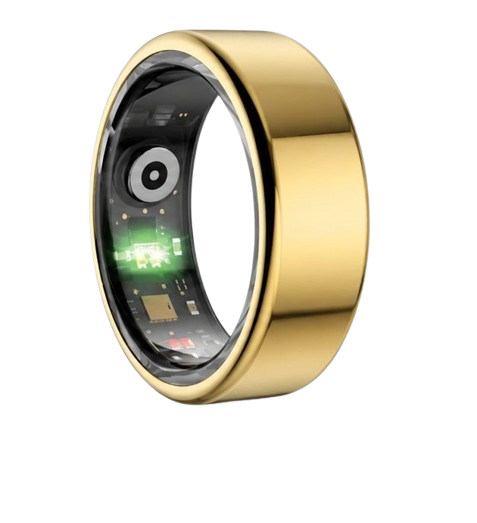
The Herz P1 Smart Ring tracks HRV, Sleep, Heart Rate & SpO2 around the clock. No subscriptions. No renewals. Ever.
In This Article
- The Scientific Connection: Why melatonin is called the vampire hormone.
- Hormonal Mechanics: How light directly suppresses your master sleep signals.
- Practical Tracking: Monitoring your biometrics using smart rings.
- Recovery Science: How to optimize sleep stages and HRV naturally.
Why Is Melatonin Known as the Vampire Hormone? Here Is What Science Says

Melatonin is a vital hormone produced naturally by your body to prepare your systems for sleep.
Scientists and clinicians often refer to it as the vampire hormone because its secretion occurs almost exclusively in absolute darkness.
Under normal healthy biological conditions, your body does not release this compound during the daylight hours.
This strict nocturnal pattern is highly sensitive to the presence of external light cues.
The pineal gland inside your brain acts as the primary manufacturing hub for this master biological coordinator.
Anyone who works under harsh artificial fluorescent lights or stares at modern screens late at night is directly affected by delayed production.
The timing of this evening release dictates your biological sleep wake cycle circadian rhythm.
When the sun sets, your retinas detect the drop in environmental light wavelengths.
This optic information sends a direct neural signal to your master internal clock.
This process activates the suprachiasmatic nucleus, which prompts the pineal gland to synthesize melatonin.
Production typically begins to rise steadily between 9:00 PM and 10:00 PM for most healthy adults.
Melatonin levels usually reach their physiological peak in the middle of the night, specifically between 2:00 AM and 4:00 AM.
Healthy levels of melatonin in the bloodstream range from ten to over sixty picograms per milliliter during these peak hours.
If you expose your eyes to bright artificial lights during these hours, your melatonin levels can drop by up to eighty percent within minutes.
This sudden drop disrupts your sleep architecture and prevents your body from entering deep restorative sleep.
Your body relies heavily on these deep sleep phases to repair muscle tissue, balance hormones, and consolidate daily memories.
This natural cycle is known scientifically as endogenous circadian rhythmicity.
Our ancestors slept in harmony with these natural celestial phases for thousands of years without interruption.
Industrialization introduced artificial lighting that rapidly decoupled our bodies from these natural rhythms.
Today, our eyes are constantly bombarded by blue-wavelength artificial illumination long after sunset.
This creates a constant state of physiological confusion within our endocrine and nervous systems.
The National Sleep Foundation warns that even low levels of indoor light can delay your sleep cycle significantly.
By measuring these recovery patterns, you can begin to make data-backed adjustments to your sleep environment.
If you want to track this in real time, the Herz P1 Smart Ring monitors these physiological sleep trends 24/7 — explore it here.

90-Day 100% Money-Back Guarantee
“The Herz Smart Ring helps me manage stress easily. It’s accurate, stylish, and lightweight—perfect for my busy life!”
— Jennifer P. | ✔ Verified Customer
- ✓ 6-Day Battery Life
- ✓ Detailed Sleep Analysis
- ✓ Fast 1-Hour Charging
- ✓ iOS & Android Ready
Questions? Call: 1-866-479-1629
How Your Circadian Rhythm and the Vampire Hormone Regulate Sleep

Your biological clock operates like a highly calibrated internal master orchestra.
This timing mechanism synchronizes metabolic, hormonal, and psychological functions over a twenty-four-hour cycle.
Your unique genetic makeup determines your specific daily sleep chronotype.
Some individuals are early-rising birds, while others are night owls who feel most alert later in the evening.
This genetic variation directly impacts when your pineal gland begins secreting the vampire hormone melatonin.
Understanding your personal body clock and chronotype is critical for sustainable daily productivity.
If you force yourself to rest against your biological preferences, you create internal circadian conflict.
This persistent misalignment is a primary driver of daytime brain fog and cumulative cardiovascular strain.
The National Sleep Foundation states that consistent sleep-wake timing is essential for deep cellular recovery.
Another crucial biomarker intimately linked to this hormonal cycle is your core body temperature.
Your circadian rhythm body temperature naturally drops as your evening melatonin levels begin to rise.
This temperature reduction facilitates rapid sleep onset by cooling your vital internal organs.
A smart tracker like the Herz P1 monitors these micro-changes in skin temperature to identify your ideal recovery windows.
By observing these natural thermal trends, you can align your daily routine with your underlying genetics.
Team Herz P1 engineered our biometric ring sensors to detect these subtle thermal shifts while you rest.
This technology allows you to see exactly when your body transitions into true biological recovery.
Your body clock is controlled by a tiny cluster of twenty thousand nerve cells in your brain.
This structure acts as the master coordinator for all peripheral cellular clocks in your vital organs.
When your master clock is out of sync, your digestion, immunity, and mental focus suffer immediately.
This is why night shift workers often face elevated risks for long-term physiological stress.
Tracking your sleep consistency is the first step to reversing these negative environmental trends.
Understanding Your Personal Chronotype and Sleep Signals
Many individuals struggle to fall asleep because they attempt to rest at the wrong biological time.
You might ask yourself, what is my ideal bedtime based on my individual recovery metrics?
The answer lies in tracking your autonomic nervous system signals during the late evening hours.
Your resting heart rate should begin to decrease steadily as your body prepares for horizontal rest.
At the same time, your heart rate variability typically increases as parasympathetic system dominance takes over.
These combined indicators show that your nervous system is successfully transitioning into a state of rest.
If your heart rate remains elevated late into the evening, your melatonin release may be severely delayed.
This delays prevents your brain from entering the deeper stages of non-REM sleep cycles.
Deep sleep is the primary phase where structural cellular healing and immune strengthening take place.
The Herz P1 Smart Ring captures these autonomic shifts every five minutes with incredible consistency.
This high-frequency tracking allows you to pinpoint your exact biological readiness window tonight.
The Invisible Threat: How Artificial Light Suppresses Your Master Sleep Hormone

Modern homes and offices are filled with artificial illumination that directly interferes with your hormonal health.
Shorter wavelengths of light are particularly destructive to your nocturnal endocrine function.
Studies prove that exposure to blue light to keep you awake suppresses melatonin production more than other spectrums.
This specific light wavelength is emitted by smartphones, flat-screen televisions, and energy-efficient LED bulbs.
When this bright blue light hits your retina, your brain assumes it is still the middle of the afternoon.
As a direct result, your pineal gland completely halts the release of the vampire hormone.
Even a brief glance at your phone screen in bed can delay your sleep onset by over an hour.
This delay shifts your entire sleep schedule forward and reduces your total restorative sleeping time.
When your weekday sleep habits differ drastically from your weekend routine, you experience social jetlag.
This chronic biological mismatch feels like permanent jetlag and places immense stress on your heart.
The American Heart Association has linked persistent sleep disruption to elevated resting heart rates.
To combat this, health advocates recommend dimming your household lights at least two hours before bed.
Swapping your bright screens for a book can dramatically boost your natural melatonin synthesis.
Wearing a sleek smart ring can help you measure the biological impact of these evening environmental adjustments.
The Herz P1 Smart Ring provides clear historical charts so you can see your sleep scores improve.
Even a small desk lamp or an adjacent streetlights in your bedroom can impair melatonin secretion.
Our eyes contain specialized photoreceptor cells that are incredibly sensitive to blue light wavelengths.
These cells communicate directly with your biological clock to suppress hormonal releases instantly.
Eliminating these hidden light sources is essential for restoring your natural recovery phases.
The American Heart Association highlights restorative sleep as a vital pillar of cardiovascular fitness.
How Smart Rings Track the Quality of Your Rest Cycles
Achieving optimal overnight recovery requires more than just lying in bed for eight hours.
The actual structure and nightly sleep frequency of your sleep stages determine your true morning rejuvenation.
A complete night of sleep consists of multiple cycles transitioning between light, deep, and REM phases.
Each phase plays a highly distinct and necessary role in keeping your brain healthy.
For instance, REM sleep is the critical window where emotional processing and memory consolidation occur.
Deep sleep is when physical restoration, growth hormone release, and tissue repair happen.
If your melatonin release is delayed, your brain cannot spend sufficient time in these crucial deep-sleep stages.
Traditional wearable wrist bands often struggle to differentiate between these subtle sleep stages accurately.
The Herz P1 Smart Ring utilizes advanced multi-wavelength optical sensors to monitor your arterial activity.
By reading your blood oxygen saturation and pulse transit time, the ring maps your sleep architecture.
This provides a clear window into your sleep quality without the bulk of a typical smartwatch.
A Step-by-Step Guide to Optimizing Sleep and Hormone Levels Naturally
Restoring your natural circadian rhythm requires consistent, intentional daily habits and lifestyle modifications.
You can use the rich data from your Herz P1 App to guide these healthy changes step-by-step.
First, try to get at least fifteen minutes of direct sunlight exposure early in the morning.
This bright morning light resets your master biological clock and halts daytime melatonin release immediately.
Second, set a strict screen curfew sixty minutes before your target bedtime each evening.
This simple habit allows your natural vampire hormone levels to rise naturally without suppression.
Third, use the temperature tracking feature on the Herz P1 to monitor your body temperature shifts.
A cooler room temperature of around sixty-eight degrees Fahrenheit supports the natural cooling of your body.
Fourth, avoid consuming heavy meals or alcohol within three hours of going to sleep.
Alcohol severely fragments your sleep cycles and prevents your heart rate from dropping overnight.
The Herz P1 App makes it easy to see how these environmental adjustments directly elevate your recovery scores.
Because the ring is lightweight and incredibly comfortable, you can wear it continuously without any skin irritation.
Our users frequently report that they forget they are even wearing a tracker during their sleep.
This seamless integration is vital for collecting accurate, long-term health trends.
The Pitfalls of Traditional Wearables and the Subscription Trap
Many people purchase bulky smartwatches to track their sleep only to stop wearing them after a few weeks.
These oversized wrist devices are often highly uncomfortable to wear while sleeping in various positions.
They can easily snag on bedsheets and disrupt your natural sleeping postures throughout the night.
Furthermore, many smartwatches require daily charging, which means you must plug them in overnight.
This charging schedule completely defeats the purpose of monitoring your overnight hormonal recovery patterns.
Another significant issue in the modern wearable market is the rise of expensive monthly subscriptions.
Several premium brand rings lock your own biological data behind an active digital paywall.
This means you must pay an ongoing fee of six to ten dollars every month just to view your sleep stages.
Team Herz P1 believes that you should always own your personal health data outright.
The Herz P1 Smart Ring features a lifetime free companion app with absolutely zero subscription fees.
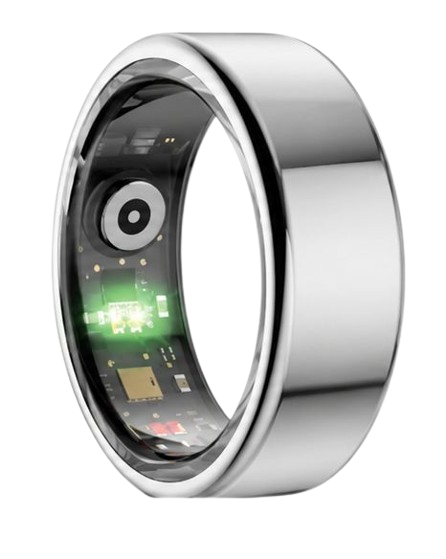
Our ring is manufactured from military-grade steel to survive the most demanding physical activities.
With a robust six-day battery life, you only need to charge it once a week for less than one hour.
This makes it a reliable, stress-free tool for managing your long-term health and wellness journey.
Common Questions About the Herz P1 Smart Ring and Sleep Tracking
Is the Herz P1 Smart Ring completely waterproof?
Yes, the Herz P1 is fully certified with an IP68 waterproof rating.
This means the ring can be safely submerged in water up to fifty meters deep.
You can wear it while swimming, showering, washing your hands, or relaxing in a hot sauna.
The military-grade steel outer shell protects the delicate internal sensors from moisture damage.
How long does the battery last on a single charge?
The Herz P1 features an advanced energy-efficient chipset that lasts up to six full days.
You can charge the ring from zero to one hundred percent in under one hour.
This rapid charging cycle ensures you rarely miss a single night of biometric sleep tracking.
Which finger is the best option for wearing the smart ring?
We recommend wearing the Herz P1 on your index, middle, or ring finger for maximum sensor accuracy.
The index finger generally provides the strongest pulse signal for our multi-wavelength optical sensors.
Make sure the ring fits snugly but comfortably without spinning too easily on the chosen finger.
Does the Herz P1 store my health data offline when my phone is away?
Yes, the ring has secure onboard local storage that keeps your biometric data safe for up to seven days.
The ring will automatically sync all recorded sleep and heart rate data when you open the app.
You do not need to keep your smartphone near your bed while you sleep to collect your insights.
Conclusion: Your Subscription-Free Wellness Journey Starts Here
Understanding your circadian rhythms is the key to lasting wellness.
The Herz P1 Smart Ring delivers the precise, subscription-free tracking you need to master your sleep.
Ready to monitor your health every day? Explore the Herz P1 Smart Ring and see if it fits your lifestyle. Call: **1-866-479-1629** — we can advise on sizes and goals.
Note: Individual results may vary depending on individual health conditions, age, and lifestyle habits. This article is intended for general health reference purposes only.
