

Learning how to use a predictive symptom radar is the ultimate way to monitor for symptoms of oncoming illness before you feel physically run down. Our team at Herz P1 designed a subscription-free smart ring to track biometric trends and catch physiological changes early. If you are tired of waking up exhausted or being blindsided by seasonal bugs, this comprehensive guide will show you how to decode your body’s subtle warnings.
Built to Last. Save Up to 69% Today.
The Herz P1 Smart Ring tracks HRV, Sleep, Heart Rate & SpO2 around the clock. No subscriptions. No renewals. Ever.
In This Article
- How to Spot Early Illness Trends: A Step-by-Step Guide
- The Science of Early Detection: How Biometrics Predict Sickness
- Deconstructing the HRV Stress Index and SpO2 Relationship
- Practical Application Guide: Navigating the App Interface
- Overcoming Wearable Risks and Smartwatch Pain Points
How to Spot Early Illness Trends: A Step-by-Step Guide
Before you can use your smart ring to monitor for symptoms of illness, you must establish an accurate baseline of your health metrics.
You will need to wear your smart ring consistently for at least seven consecutive nights.
This consistency allows the internal software to map your unique physiological patterns.
Ensure your ring fits snugly but comfortably on your chosen finger to prevent data gaps.
Step 1: Establish Your Biometric Baselines
First, you must wear your ring 24/7 for a week to build your personal physiological baseline.
Your baseline represents your normal state of health and physical recovery.
The ring measures your resting heart rate and skin temperature during this calibration period.
It also records your typical heart rate variability to assess your autonomic nervous system.
Without this baseline, the application cannot recognize when your metrics deviate from normal.
Make sure to keep your ring clean and charged during this critical setup phase.
Avoid looking at the data too closely in the first three days as the algorithm learns your habits.
Let the ring collect consistent data while you go about your normal daily activities.
This ensures that your subsequent daily readiness calculations are highly personalized and reliable.
The software will use this historical data to detect any minor changes in your physiology.
Step 2: Monitor for Subtle Skin Temperature Fluctuations
Next, you should inspect your nightly skin temperature variations on your mobile dashboard.
The smart ring tracks your peripheral skin temperature every few minutes while you sleep.
A normal healthy body temperature fluctuates slightly but stays within a narrow band.
An elevation of more than 0.5 degrees Celsius above your baseline can indicate an active immune response.
This temperature shift often occurs hours before you experience any physical symptoms like chills.
Checking this metric daily allows you to see if your body is fighting off an infection.
If you notice a sustained elevation, it is wise to adjust your schedule and rest.
Do not ignore these small temperature changes even if you feel perfectly healthy.
Your peripheral blood vessels constrict or dilate to regulate internal heat during an immune challenge.
These circulatory adjustments are captured with extreme precision by the multispectral optical sensors.
Step 3: Analyze Shifts in Resting Heart Rate
Additionally, you must track your resting heart rate during your deepest sleep cycles.
An elevated resting heart rate is a primary indicator of systemic physiological stress.
If your sleeping heart rate rises by five to ten beats per minute, your body is working harder.
This extra effort is often required to battle early pathogens or environmental stressors.
The smart ring maps this data continuously to provide a clear view of cardiovascular trends.
You can view these daily shifts directly inside your personalized dashboard.
A sudden spike in resting heart rate is a classic early warning signal of a cold.
Combine this insight with your temperature trends to get a complete picture of your health.
When both metrics rise simultaneously, your body is likely diverting energy to your immune system.
Monitoring these cardiovascular shifts ensures you do not overextend yourself during critical incubation phases.
Step 4: Assess Your Heart Rate Variability and Stress Trends
Furthermore, you need to check your heart rate variability trends every morning.
Heart rate variability measures the time variation between consecutive heartbeats in milliseconds.
A high variability score generally indicates a healthy, relaxed, and resilient autonomic nervous system.
Conversely, a sudden drop in variability suggests that your body is under significant stress.
This physiological strain often precedes visible symptoms of exhaustion or infection by several days.
Use the digital resilience graph to visualize your nervous system balance.
If your daily resilience score drops significantly, your body may be fighting an internal battle.
This drop indicates that your sympathetic nervous system is dominating to handle an active threat.
Recognizing this trend early helps you make proactive lifestyle choices to support recovery.
Taking a rest day when your HRV drops can prevent a mild stressor from turning into a severe physical setback.
Step 5: Review Your Integrated Daily Wellness Score
Finally, you should evaluate your daily readiness and physical recovery scores.
The companion application combines your biometrics into an intuitive single score.
This consolidated score helps you understand your overall capacity for physical and mental effort.
A low readiness score is a clear sign to reduce your exercise intensity and rest.
You can track these daily metrics through the biomarker panel logs inside the app.
These logs compile your long-term health trends to show how your body adapts over time.
If your overall score remains low for consecutive days, prioritize early bedtime routines.
Listen to the data and avoid pushing through intense workouts when your metrics are down.
By adjusting your habits based on these daily scores, you actively protect your physical health.
This structured approach is the key to mastering your personal symptom radar tracking.
The premium hardware of the Herz P1 Smart Ring makes this step-by-step health tracking process effortless.
With its medical-grade accuracy and continuous sensor polling, you receive precise data without any active effort.
The ring fits comfortably on your finger, allowing you to collect seamless overnight metrics without the bulk of a smartwatch.
By choosing our premium, subscription-free device, you gain lifetime access to all tracking algorithms and advanced dashboards.
Explore the Herz P1 Smart Ring today to start monitoring your daily health trends with absolute confidence and style.
The Science of Early Detection: How Biometrics Predict Sickness
Decoupling Resting Heart Rate from Normal Baseline Variations
To master early illness tracking, you must understand how resting heart rate responds to infection.
Our body is a complex biological system that constantly strives to maintain internal balance.
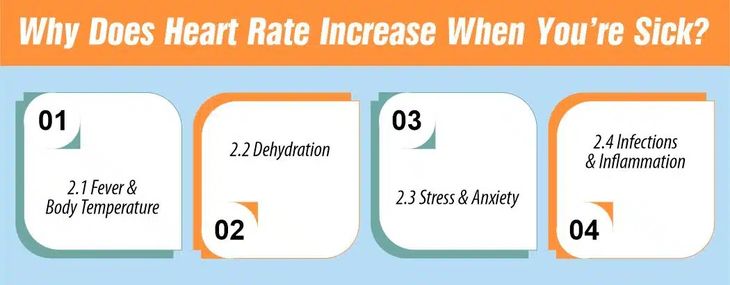
When a pathogen enters your system, your immune system initiates an inflammatory defense mechanism.
This defense mechanism requires increased blood flow to transport white blood cells quickly.
As a result, your heart must pump faster, elevating your resting heart rate during deep sleep.
Clinical research supported by the American Heart Association confirms that resting heart rate increases linearly with systemic physiological stress.
A minor elevation of three beats per minute might seem insignificant at first glance.
However, when analyzed over a multi-day window, this upward trend is a highly reliable marker of immune activation.
By monitoring these shifts, you can identify the exact moment your body begins fighting a cold.
The advanced PPG sensor array in the Herz P1 tracks these trends with an incredibly low margin of error.
This precise tracking ensures that you receive clean, actionable data to make informed health choices.
Tracking Subtle Changes in Skin Temperature
Another critical metric for your digital symptom radar is nighttime skin temperature.
Your body core temperature is tightly regulated by the hypothalamus in the brain.
When your immune system detects an invader, it releases biochemical signaling molecules called pyrogens.
These pyrogens instruct your brain to raise your body’s thermal setpoint to create a hostile environment for viruses.
Before you develop a noticeable fever, your peripheral blood circulation patterns adjust to conserve heat.
These subtle circulatory shifts cause your skin temperature to rise above its normal baseline.
Wearing a smart ring allows you to capture these micro-fluctuations because the finger skin contains dense blood vessel networks.
The National Sleep Foundation emphasizes that tracking sleep-associated temperature changes provides crucial insights into circadian health.
Our team has noticed that users who track these temperature trends can spot immune stress up to 48 hours early.
By analyzing these patterns on your health panel, you can prioritize recovery before symptoms escalate.
This proactive approach saves you from unexpected downtime and supports long-term immune resilience.
Deconstructing the HRV Stress Index and SpO2 Relationship
Understanding HRV Suppression During the Incubation Phase
Heart rate variability is perhaps the most sensitive biometric marker for tracking systemic stress and early illness.
Your autonomic nervous system is divided into the sympathetic branch and the parasympathetic branch.
The sympathetic branch controls your fight-or-flight response, while the parasympathetic branch manages rest and digestion.
When you are healthy and rested, both branches actively compete, resulting in high heart rate variability.
However, during the incubation phase of a viral infection, your sympathetic nervous system takes absolute control.
This shift suppresses your heart rate variability, causing your daily score to drop significantly below normal levels.
Using the Herz P1 stress rhythm score, you can easily visualize these subtle autonomic nervous system dynamics.
A low score indicates that your physical reserves are being directed toward defense rather than active performance.
This suppression is one of the earliest signs that your body is dealing with a hidden stressor.
Recognizing this change allows you to lower your workload and avoid physical exhaustion.
By respecting your autonomic limits, you give your immune system the energy it needs to function.
Monitoring Nighttime Blood Oxygen Levels
In addition to heart rate metrics, tracking blood oxygen saturation is vital for early wellness detection.
Your blood oxygen levels, or SpO2, reflect how efficiently your lungs and circulatory system distribute oxygen.
During a respiratory infection, your lung tissue can experience mild, localized inflammation before you notice breathing difficulties.
This inflammation slightly reduces the efficiency of gas exchange, leading to minor drops in your nighttime SpO2 levels.
A normal nighttime oxygen saturation level should consistently stay between 95% and 100%.
If your levels regularly drop below 92%, your body may be experiencing elevated respiratory strain.
The Herz P1 uses red and infrared optical sensors to track these oxygen trends while you sleep.
This non-invasive tracking provides clear visibility into your respiratory health during your most vulnerable hours.
Consistently monitoring these trends helps you identify patterns of respiratory stress early.
By combining SpO2 data with heart rate trends, you build a powerful shield against unexpected physical setbacks.
Practical Application Guide: Navigating the App Interface
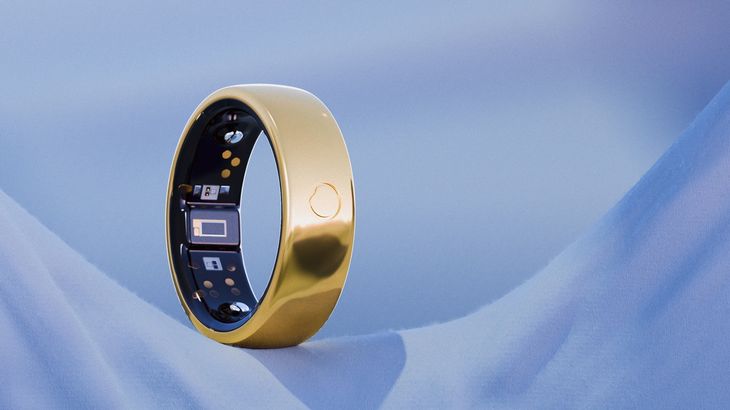
Daily Diagnostics and Trend Analysis
Understanding how to navigate your health application is essential for maximizing your smart ring’s capabilities.
When you open the companion application, you are greeted by a comprehensive biological dashboard.
The dashboard displays your activity score alongside your vital cardiovascular metrics.
This score helps you balance physical output with necessary physiological recovery.
To use the symptom radar feature, look for the trend analysis tab in your menu.
This tab displays your weekly and monthly biometric averages as smooth, easy-to-read lines.
Look for points where your resting heart rate and skin temperature lines begin to diverge.
A diverging trend where heart rate rises and temperature increases is a classic early warning.
The application highlights these critical divergence zones using intuitive visual indicators.
By spending just two minutes reviewing these trends each morning, you can anticipate physical fatigue.
This simple habit transforms complex raw biometric data into clear, actionable lifestyle decisions.
Optimizing Sleep and Recovery Cycles
To further support your immune system, you must optimize your sleep architecture based on biometric data.
Your body performs vital cellular repair and immune modulation during deep and REM sleep stages.
If your overnight metrics indicate elevated physiological stress, focus on improving your sleep environment.
The application provides a detailed daily sleep score to evaluate your sleep quality.
This score reflects your sleep duration, sleep efficiency, and the balance of sleep stages.
If your score is low, try avoiding heavy meals and blue light exposure before bedtime.
Additionally, keep your bedroom cool and dark to assist your body’s natural temperature regulation.
The ring will track how these lifestyle adjustments improve your overall recovery metrics.
Over time, you will see a positive shift in your physical readiness score as your habits improve.
This feedback loop ensures that you are actively building a more resilient, healthy physical foundation.
Overcoming Wearable Risks and Smartwatch Pain Points
The Hidden Costs of Wearable Subscriptions
Many modern smart rings and wearable devices come with a significant hidden drawback: monthly subscriptions.
These recurring fees lock your personal health data behind a paywall, forcing you to pay to view your own biometrics.
Over a few years, these subscriptions can easily double the total cost of your wearable device.
Our team believes that you should own your health data completely without any ongoing financial burden.
The Herz P1 Smart Ring offers a refreshingly transparent, subscription-free model for all users.
You gain full, lifetime access to all advanced biometric tracking metrics and app updates for a single price.
This approach ensures that tracking your health remains an investment in your well-being, not a recurring bill.
By eliminating these predatory fees, we make premium health tracking accessible and stress-free.
You can monitor your long-term health trends with complete peace of mind, knowing your data is yours forever.
Comfort, Fit, and Structural Integrity
Another major challenge with traditional wearable devices is the discomfort of wearing bulky smartwatches to bed.
Large screens and heavy wristbands can disrupt your sleep and produce highly inaccurate nighttime data.
Furthermore, watches can easily slip or lose contact with your skin during movement.
This loss of contact creates frustrating data gaps during critical sleep stages.
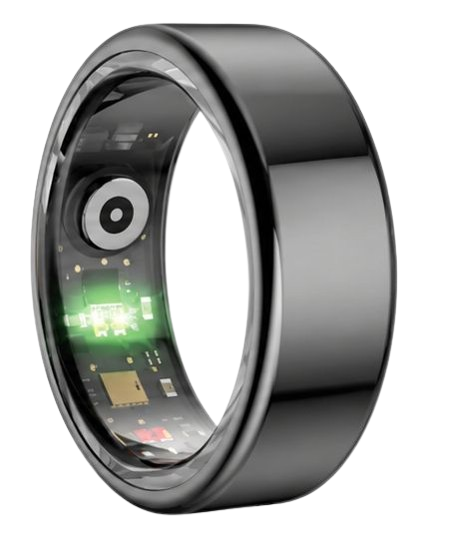
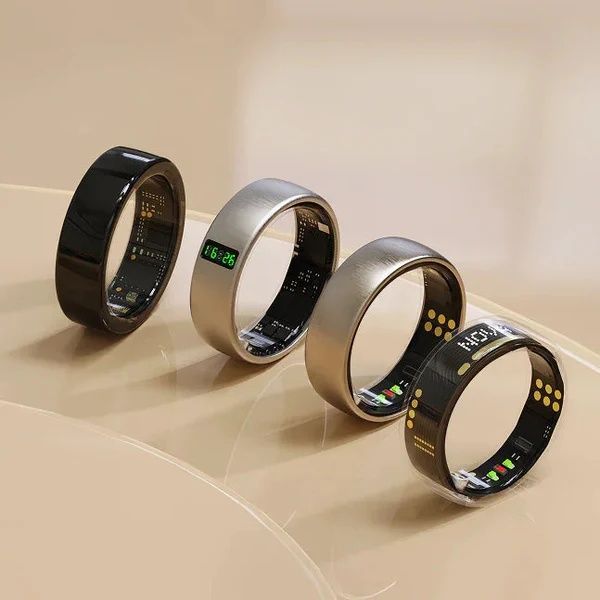
The Herz P1 solves these usability issues with its lightweight, ring-based form factor.
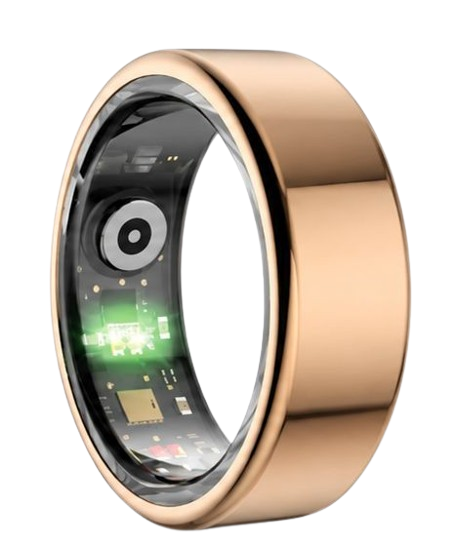
Crafted from military-grade steel, it is incredibly durable yet weighs only a few grams on your finger.
Its smooth inner lining ensures maximum comfort and seamless skin contact throughout the night.
Additionally, our IP68 waterproof rating ensures that you can wear the ring in the shower or pool without worry.
This continuous, comfortable wear guarantees that your sleep and activity tracking remain flawless and uninterrupted.
You can live your life naturally without worrying about scratches, water damage, or bulky wrist straps.
This design focus ensures that you receive highly reliable data while enjoying an incredibly premium wearing experience.
Frequently Asked Questions About Symptom Radar Tracking
Is the Herz P1 waterproof?
Yes, the Herz P1 is fully IP68 waterproof and certified for depths up to 164 feet (50 meters).
This means you can wear it while swimming, showering, washing your hands, or enjoying a sauna.
The military-grade steel outer shell protects the delicate internal sensors from moisture and high-pressure water.
You never have to remove your ring during daily water activities, ensuring continuous, unbroken biometric tracking.
This robust waterproof design makes it a perfect companion for active, worry-free lifestyles.
How long does the battery last?
The ring features an ultra-efficient battery that lasts up to six full days on a single charge.
It charges incredibly fast, reaching a complete charge from empty in under one hour.
This long battery life eliminates the daily charging anxiety associated with traditional smartwatches.
You can travel for a long weekend without needing to bring your charging dock along.
Our team has optimized the firmware to ensure minimal energy consumption during continuous sensor polling.
Which finger is best to wear it on?
For the most accurate biometric readings, we recommend wearing the ring on your index finger.
The middle and ring fingers are also excellent alternatives if you prefer a different fit.
The blood vessels in these fingers are close to the surface, providing optimal conditions for optical sensors.
Ensure the sensor bumps on the inside of the ring are positioned against the palm side of your finger.
This correct alignment ensures consistent skin contact and high-quality data collection.
Does it store data offline?
Yes, the Herz P1 has built-in local memory that stores up to seven days of biometric data offline.
If your smartphone Bluetooth is turned off, the ring continues to track your vitals seamlessly.
The next time you open the companion application, your offline data syncs automatically to your dashboard.
This feature ensures you never lose valuable health insights during travel or digital detoxes.
Your continuous data stream remains intact and secure, preserving your historical health trends.
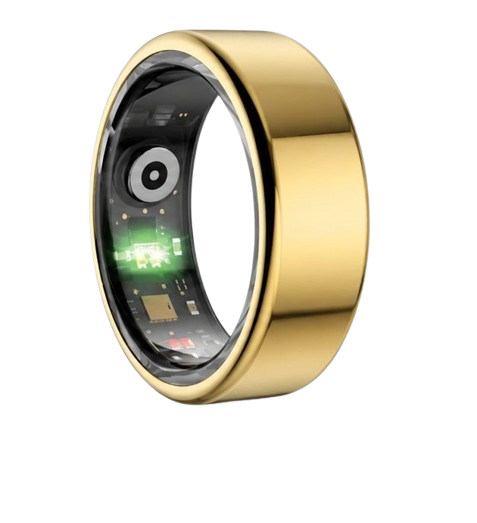
90-Day 100% Money-Back Guarantee
“The Herz Smart Ring helps me manage stress easily. It’s accurate, stylish, and lightweight—perfect for my busy life!”
— Jennifer P. | ✔ Verified Customer
- ✓ 6-Day Battery Life
- ✓ Detailed Sleep Analysis
- ✓ Fast 1-Hour Charging
- ✓ iOS & Android Ready
Questions? Call: 1-866-479-1629
Conclusion
Using a digital symptom radar is a proven, proactive way to protect your long-term health and vitality.
The Herz P1 Smart Ring delivers clinical-grade biometric tracking with zero hidden fees.
Ready to monitor your health every day?
Explore the Herz P1 Smart Ring and see if it fits your lifestyle.
Call: 1-866-479-1629 — our team can help you advise on the correct ring size and set personalized health goals.
Note: Individual results may vary depending on individual health conditions, age, and lifestyle habits. This article is intended for general health reference purposes only.
