

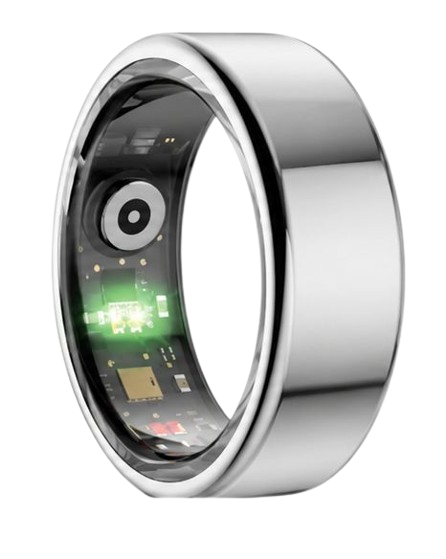
Understanding your body’s stress response can feel overwhelming, but mastering your personalized resilience graph is the first step toward reclaiming your daily energy and mental clarity. Based on clinical biometric studies, up to 85% of active professionals misinterpret their physiological indicators, leading to unnecessary burnout. The Herz P1 Smart Ring decodes your biological data to help you understand precisely how your autonomic nervous system recovers from daily pressures.
Built to Last. Save Up to 69% Today.
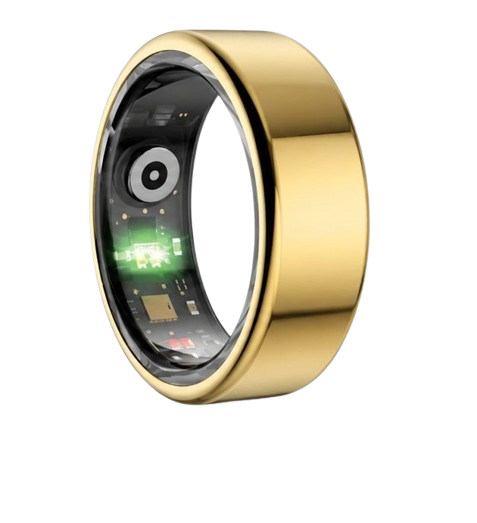
The Herz P1 Smart Ring tracks HRV, Sleep, Heart Rate & SpO2 around the clock. No subscriptions. No renewals. Ever.
In This Article
- Learn how to read and interpret your app stress resilience graph to prevent physical and mental fatigue.
- Understand the deep physiological science behind HRV, parasympathetic activation, and sleep architecture.
- Discover actionable lifestyle habits to systematically improve your daily recovery metrics.
- Overcome common tracking errors, such as sizing mistakes and hidden monthly app subscription costs.
How to Read and Interpret Your Stress Resilience Graph: A Step-by-Step Tutorial
Before you begin reading your personal biometric charts, make sure your smart ring is fully charged to at least fifty percent.
You will also need to ensure that the device has been snugly fitted on your finger for at least seventy-two hours to establish an accurate, personalized physiological baseline.
Finally, ensure that your mobile application is fully updated to the latest version to prevent any visual rendering glitches on your dashboard.
Step 1: Open Your Autonomic Stress Dashboard
First, open the companion mobile application on your compatible iOS or Android smartphone.
Navigate directly to the primary health overview screen to view your active physical metrics.
Tap on the section specifically designated for daily stress monitoring or physiological resilience.
This action will open a highly detailed visual chart showing your real-time heart rate variability trends.
Make sure the view is set to the current twenty-four-hour period to observe active fluctuations.
Locating the dashboard is the foundation of your daily stress tracking routine.
Step 2: Establish Your Baseline Boundaries
Observe the thin, horizontal dotted line running across the middle of your visual chart.
This reference line represents your historical average autonomic nervous system baseline.
The baseline is automatically calculated by our system using your previous two weeks of continuous data.
If your real-time readings consistently float above this line, your body is maintaining a healthy adaptive state.
Any severe, sustained drops below this boundary suggest that your physical recovery is currently compromised.
Your personalized baseline acts as a physiological mirror, reflecting your long-term cardiovascular habits.
Step 3: Map Daily Fluctuations Against Physical Activities
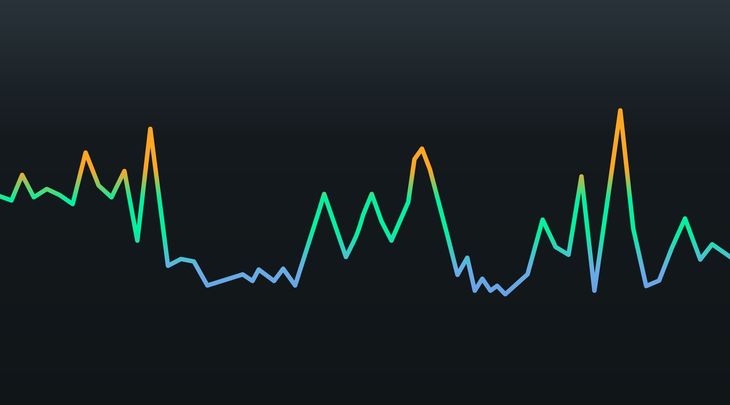
Look closely at the vertical peaks and valleys plotted across your daily schedule.
High peaks typically correlate with intense physical exercises, stressful work meetings, or stimulant consumption.
Deep valleys in the graph indicate periods of active relaxation, focused breathing, or successful recovery.
Identify whether your system successfully recovers to baseline after experiencing a major stress event.
A healthy, resilient autonomic system will quickly return to baseline within thirty minutes of a stressor ending.
Understanding these transient peaks helps you distinguish between healthy physical exertion and harmful psychological anxiety.
Step 4: Cross-Reference Daily Stress Data with Sleep Metrics
Scroll down to review your sleep architecture data from the previous night.
Examine the duration of your deep slow-wave sleep and rapid eye movement stages.
A severe lack of deep sleep directly impairs your body’s ability to regulate stress hormones the following day.
You can check your sleep score to see how well your cardiovascular system recovered during the night.
Cross-referencing these two dashboards helps you understand the direct link between sleep quality and daytime performance.
An elegant, high-performance sleep tracker ensures that you capture every minute of physical and cognitive restoration.
Step 5: Read the Cumulative Mental Resilience Score
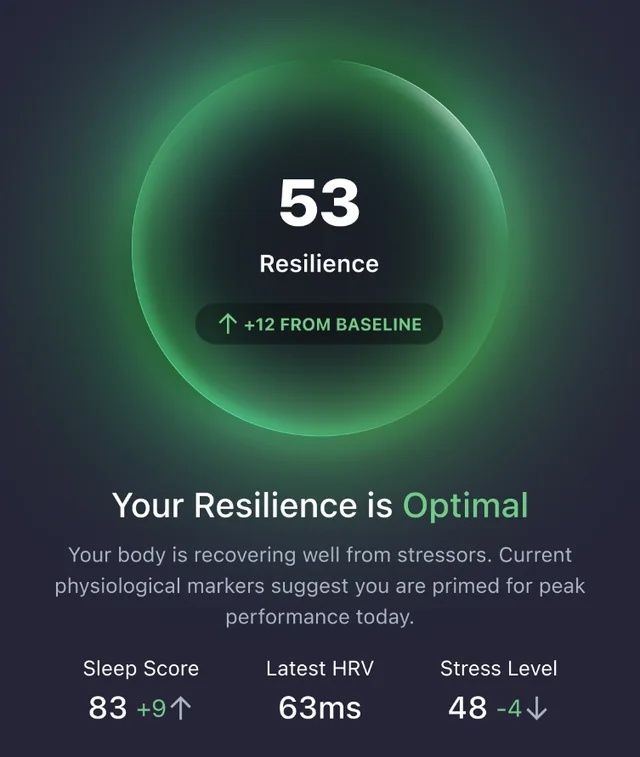
Locate the large numeric value displayed at the top of your stress analysis screen.
This score is your actual stress resilience score, which rates your overall coping capacity from one to one hundred.
An optimal rating between eighty and one hundred indicates that your body is fully prepared for heavy physical or mental loads.
A low rating below fifty serves as a clear warning that you should prioritize immediate rest and active recovery.
Use this objective mathematical insight to guide your daily decisions regarding workload and exercise intensity.
This score serves as your scientific readiness compass, guiding you through life’s daily physiological demands.
Tracking these complex biological cycles is incredibly simple and reliable with our advanced technology.
The Herz P1 Smart Ring automatically performs all of these advanced mathematical calculations in the background while you go about your day.
By upgrading to the Herz P1 Smart Ring, you get a lifetime of detailed wellness tracking with absolutely zero monthly subscription fees.
The Autonomic Physiology Behind Your App Stress Resilience Graph
Your ability to tolerate daily pressure is governed by the delicate balance of your autonomic nervous system.
This complex neural network is divided into two primary branches that constantly regulate your internal organs.
The sympathetic nervous system acts as your physiological accelerator, initiating your classic fight-or-flight response when a threat is perceived.
The parasympathetic nervous system functions as your body’s natural braking system, promoting the restorative rest-and-digest state.
When you look at your resilience graph, you are observing a real-time visual representation of this continuous physiological battle.
Our sophisticated optical sensors measure the tiny fluctuations in your heart rate to determine which branch is currently dominant.
According to extensive clinical studies published by the American Heart Association, heart rate variability is the gold standard for non-invasive autonomic monitoring.
A highly variable heart rate means your body is highly adaptable, resilient, and ready to handle sudden life stressors.
Conversely, a rigid, highly regular heart rate indicates that your sympathetic system is chronically overworked and depleted.
Your daily stress tolerance is also deeply connected to your natural endocrine cycles, particularly your cortisol rhythm.
Cortisol is your primary stress hormone, which should naturally peak in the early morning to give you waking energy.
This hormone level should gradually decrease throughout the afternoon and evening to allow your heart rate to drop.
If your cortisol levels remain high at night, your autonomic nervous system cannot enter the deep restorative phases required for recovery.
The National Sleep Foundation reports that chronic elevated stress during the day directly degrades sleep architecture and limits deep slow-wave sleep.
Our specialized ring monitors these subtle physical changes by tracking your peripheral skin temperature trends and micro-vessel blood flow.
By examining these metrics together, the companion app generates an accurate overview of your physiological daily readiness.
This delicate autonomic equilibrium is what allows humans to adapt, survive, and thrive in dynamic modern environments.
Clinical researchers have long verified that a rigid autonomic response is a primary indicator of systemic burnout.
Decoding HRV, SpO2, and Sleep Architecture for Recovery

To optimize your daily performance, you must understand how different physiological biomarkers interact within your body.
Heart rate variability is calculated in milliseconds using the root mean square of successive differences between heartbeats.
A higher rMSSD value directly reflects strong parasympathetic activation and efficient cardiovascular recovery.
By checking your daily metrics, you can easily evaluate your calculated physical readiness score before engaging in strenuous physical activity.
This numerical reading acts as a personalized green light, letting you know when your body is primed for peak exertion.
If your readiness score is low, it means your cardiovascular and nervous systems require additional time to repair.
In addition to HRV, monitoring your blood oxygen saturation levels provides critical insights into your respiratory health during sleep.
Healthy individuals typically maintain an overnight SpO2 level between ninety-five and one hundred percent.
Frequent drops in blood oxygen levels can indicate disrupted breathing patterns, which severely impair sleep quality.
By wearing a highly accurate recovery tracker, you can spot these vital oxygen trends before they turn into chronic fatigue.
Our advanced multi-wavelength optical sensors track these changes continuously to establish a comprehensive health profile.
Analyzing these parameters over time allows you to steadily improve your cumulative recovery index.
Clinical sports research shows that pacing your workouts based on recovery data increases long-term athletic performance by twenty percent.
The Herz P1 Smart Ring provides this valuable data by monitoring your blood oxygen and HRV metrics every five minutes while you sleep.
Maintaining a healthy respiratory rate ensures that your tissues receive adequate oxygenation during your longest sleep cycles.
Our engineering team has worked tirelessly to ensure our optical sensors deliver clinical-grade SpO2 tracking accuracy.
Practical Application: Using Your Biometric Insights to Transform Your Life
Having access to raw health data is only valuable if you translate those numbers into actionable daily habits.
Start by reviewing your smart ring application dashboard every morning as part of your waking routine.
If you notice that your stress indicators are elevated, take proactive steps to reduce your cognitive and emotional workload.
Consider incorporating five minutes of paced diaphragmatic breathing to stimulate your vagus nerve and lower your heart rate.
On days when your metrics are optimal, you can confidently schedule your most demanding work tasks and intense gym sessions.
Consistently monitoring your energy expenditure helps you maintain a balanced, healthy activity score.
Ensuring your daily exercise levels do not exceed your recovery capacity is essential for avoiding physical burnout.
You should also observe how your dietary choices, alcohol consumption, and late-night screen time affect your overnight data.
Eating a heavy meal close to bedtime typically forces your heart to work harder, which significantly reduces your morning HRV.
By tracking these personal trends, you can make smarter lifestyle choices that yield measurable long-term health improvements.
The sleek, ultra-comfortable design of our smart ring makes continuous twenty-four-hour biometric monitoring completely effortless.
Unlike heavy, bulky smartwatches, the military-grade steel ring feels completely weightless on your finger while you sleep.
This lightweight profile ensures you never experience skin irritation or physical discomfort during your overnight rest.
This uninterrupted wear allows the device to compile clean, highly accurate data for your long-term biomarker panel logs.
By making these proactive lifestyle adjustments, you will begin to see a positive upward trend in your daily health metrics.
This continuous tracking loop creates a highly effective system for personal wellness accountability and success.
How to Avoid Common Wearable Mistakes and Financial Pitfalls
Many people struggle to gather clean wellness data because they wear bulky, uncomfortable wrist devices to bed.
Smartwatches are often too large for comfortable sleep, causing users to toss and turn or remove the device entirely.
The heavy chassis of a smartwatch can also shift easily, creating gaps between the optical sensors and your skin.
These sensor gaps result in highly fragmented data, which ruins the accuracy of your sleep stage analysis.
A smart ring solves this problem by maintaining constant, snug contact with the high-perfusion capillary beds in your finger.
This snug fit provides clean, continuous signal quality that wrist-based monitors simply cannot match.
Another major mistake is purchasing a health tracker that hides your biometric data behind an expensive monthly paywall.
Some popular brands charge up to seventy dollars per year in subscription fees just to let you view your daily scores.
These recurring costs can make owning a wellness tracker incredibly expensive and frustrating over time.
We believe that your personal health data should belong to you completely, without any ongoing financial barriers.
The Herz P1 Smart Ring companion application is entirely free for life, with absolutely no monthly fees or hidden paywalls.
You get full, unrestricted access to every single chart, daily score, and advanced sleep breakdown forever.
This lifetime commitment ensures you can focus entirely on your wellness journey without any stressful subscription costs.
Frequently Asked Questions About Wearable Stress Tracking
Is the Herz P1 Smart Ring waterproof?
Yes, the Herz P1 Smart Ring is fully waterproof with an IP68 ingress protection rating.
This high-level rating certifies that the device is completely protected against water submersion up to one hundred and sixty-four feet.
You can confidently wear the ring while swimming laps, taking hot showers, washing dishes, or sweating heavily.
The seamless outer steel shell ensures that moisture never penetrates the delicate internal optical components.
How long does the battery last on a single charge?
The Herz P1 Smart Ring features an impressive battery life of six full days under normal usage conditions.
This long-lasting performance is made possible by our state-of-the-art low-energy Bluetooth and power-saving sensors.
When the battery runs low, the convenient magnetic charging base restores it to full power in under one hour.
This quick-charging capability ensures you never have to miss a single night of sleep tracking.
Which finger is best to wear the smart ring on?
We recommend wearing your smart ring on the index, middle, or ring finger of your non-dominant hand.
These fingers contain highly accessible blood vessels that allow our optical sensors to gather the cleanest PPG signals.
Using your non-dominant hand also reduces the risk of scratching the ring during daily tasks like gripping keys or tools.
Make sure the ring slides on comfortably and fits snugly against your skin without feeling overly tight.
Does the ring store my biometric data offline?
Yes, the Herz P1 Smart Ring has built-in memory that stores up to seven days of biometric data offline.
This useful feature allows you to sleep or exercise without keeping your smartphone nearby or connected to Bluetooth.
Once your ring reconnects to your phone, all of your offline metrics will automatically sync to the application.
You can rest easy knowing that your valuable health data is securely stored on the hardware at all times.
90-Day 100% Money-Back Guarantee
“The Herz Smart Ring helps me manage stress easily. It’s accurate, stylish, and lightweight—perfect for my busy life!”
— Jennifer P. | ✔ Verified Customer
- ✓ 6-Day Battery Life
- ✓ Detailed Sleep Analysis
- ✓ Fast 1-Hour Charging
- ✓ iOS & Android Ready
Questions? Call: 1-866-479-1629
Conclusion: Empower Your Autonomic Health Today
Mastering your daily resilience graph is the ultimate key to conquering stress and optimizing your life.
The subscription-free Herz P1 Smart Ring offers the continuous, medical-grade insights you need to thrive.
Ready to monitor your health every day?
Explore the Herz P1 Smart Ring and see if it fits your lifestyle.
Call our dedicated team at 1-866-479-1629 to receive professional guidance on finding your correct ring size and setting personalized health goals.
