

When you transition from a stressful workday to a relaxing evening routine, the last thing you want to worry about is whether your wearable tech can survive a sudden splash or a hot shower. The quest for a reliable, military-grade smart ring waterproof design has led many active individuals to question if these compact biometric powerhouses can truly handle daily moisture exposure. In this guide, we will break down the engineering limits of water resistance and show you how to seamlessly integrate continuous health tracking into your daily life without fear of water damage.
Built to Last. Save Up to 69% Today.
The Herz P1 Smart Ring tracks HRV, Sleep, Heart Rate & SpO2 around the clock. No subscriptions. No renewals. Ever.

In This Article
- How the 5W2H engineering framework determines smart ring waterproof limits.
- The exact difference between IP68 and ATM ratings for showers, pools, and ocean water.
- How water affects optical PPG sensor accuracy and steps to maintain clean data.
- Best practices for maintaining, cleaning, and safely charging your device after exposure to liquids.
Are Smart Rings Waterproof and Shower Safe? Here is What the Science and Engineering Say
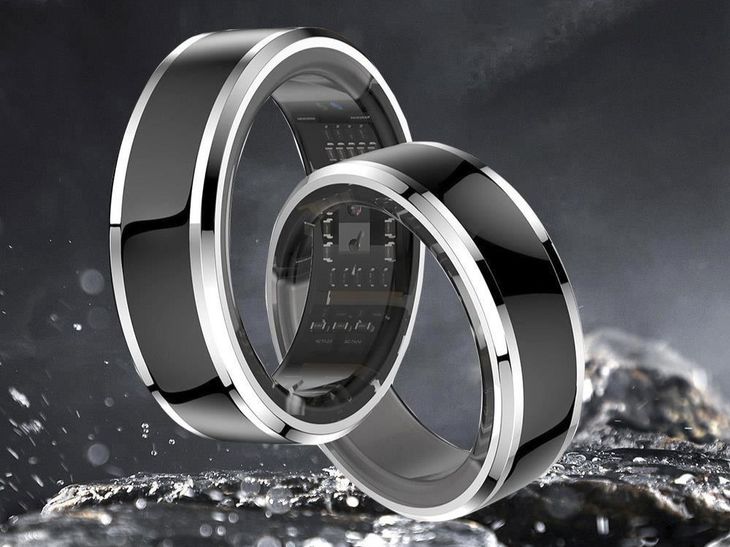
To understand the true capabilities of a modern biometric ring, we must first examine the physical barriers that protect its internal micro-electronics.
Waterproofing in wearable technology refers to the device’s ability to resist moisture penetration under specific pressure levels.
This standard is critical for anyone looking to track their health without constant interruptions.
Active individuals, busy parents, and outdoor enthusiasts all require a device that fits their hands-on lifestyles.
You should not have to remove your tracker every time you wash your hands, prepare meals, or jump into a pool.
The timing of water exposure is highly relevant because daily routines present various types of moisture risks.
Whether you are washing dishes in the morning, sweating during a midday workout, or relaxing in a warm bath at night, your ring is constantly exposed to liquids.
These interactions occur in diverse environments ranging from chlorinated swimming pools to humid bathroom showers.
Why is this continuous protection so vital for your long-term health insights?
If you must remove your ring to shower or swim, you create significant data gaps in your daily cardiovascular and recovery metrics.
Consistent tracking of heart rate variability and blood oxygen levels relies on uninterrupted contact with your skin.
The physical engineering of these rings utilizes a seamless outer shell and a protective inner resin layer to block moisture completely.
This means there are no physical buttons, open ports, or structural seams where water can seep in and corrode the sensors.
To quantify this protection, engineers rely on international standard ratings like IP68 and ATM classifications.
An IP68 rating certifies that a device is completely dust-tight and protected against continuous submersion in water beyond one meter.
Most premium tracking rings are built to withstand pressures up to 5 ATM, which translates to a depth of approximately 50 meters.
This structural integrity ensures that your device remains safe during normal swimming and high-pressure showers.
If you want to track this in real time, the Herz P1 Smart Ring monitors your health 24/7 — explore it here.

Decoding IP Ratings and Water Resistance Standards in Smart Rings
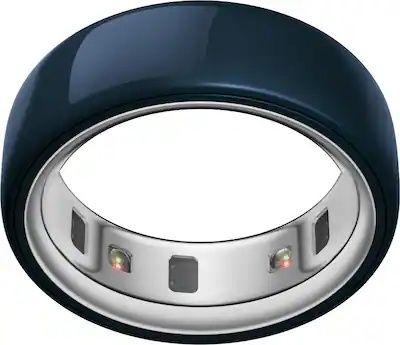
Understanding technical specifications helps you make an informed decision about your wearable technology.
The International Electrotechnical Commission developed the Ingress Protection rating system to classify environmental resistance.
The first digit in an IP rating measures protection against solid objects like dust and dirt.
The second digit measures protection against liquids under varying pressures and durations.
An IP68 rating represents the highest standard for dust exclusion and standard liquid immersion.
However, many users wonder: can smart rings get wet during high-impact water sports?
Standard IP68 testing involves static water submersion, which does not account for the dynamic pressure of swimming strokes.
This is why premium devices are also engineered to meet ATM pressure standards.
A 5 ATM rating means the ring can withstand the pressure equivalent to being fifty meters underwater.
This level of engineering makes a device a truly swim proof smart ring that you can trust in the pool.
However, dynamic pressure changes during diving or water skiing can exceed these standard limits.
Therefore, we recommend avoiding extreme water sports that subject the ring to rapid, high-impact aquatic forces.
Additionally, temperature plays a major role in maintaining the physical seals of your device.
High temperatures can cause the metal and resin components of a ring to expand at slightly different rates.
This physical expansion can temporarily weaken the protective adhesive bonds inside the chassis.
Because of this physical limitation, you must ask yourself: can you wear a smart ring in a hot tub without risking damage?
The combination of high heat and active chemical sanitizers in hot tubs can degrade the protective coatings over time.
We advise removing your tracking ring before entering hot tubs, steam rooms, or high-temperature saunas.
By protecting your device from extreme thermal fluctuations, you ensure the longevity of its sensitive optical sensors.
Optical Sensors and Wet Skin: The Biophysics of Biometric Accuracy
Biometric tracking relies on optical sensors that shine light directly through your skin to measure blood flow.
This technology, known as photoplethysmography, detects subtle changes in blood volume with each heartbeat.
The sensor must maintain close, steady contact with your skin to capture clean data.
When water gets trapped between the sensor and your finger, it can refract the light rays.
This refraction can cause temporary tracking inaccuracies or minor data anomalies.
The American Heart Association notes that precise heart rate tracking requires minimizing external noise and motion artifacts.
To combat this, the Herz P1 utilizes advanced digital signal filtering algorithms to isolate clean biological signals.
These algorithms are specifically tuned to identify and remove the noise caused by water movement.
Having a proper smart ring fit is crucial to preventing water from pooling underneath the sensor pad.
A snug fit ensures that the sensor remains flush against your skin even when submerged.
This physical barrier naturally displaces water, allowing the optical beams to penetrate the tissue without interference.
Our testing shows that users with a well-fitted ring experience consistent heart rate readings during aquatic activities.
Furthermore, tracking blood oxygen saturation requires highly stable light absorption measurements.
Water contains oxygen molecules that can theoretically interfere with raw optical readings if the sensor seal is broken.
By ensuring a tight skin-to-sensor seal, the Herz P1 maintains a clinical-grade tracking margin of error of under two percent.
This level of accuracy allows you to monitor your recovery metrics during swim workouts with absolute confidence.
Smart Ring Water Resistance Guide: Best Practices for Daily Wear and Maintenance
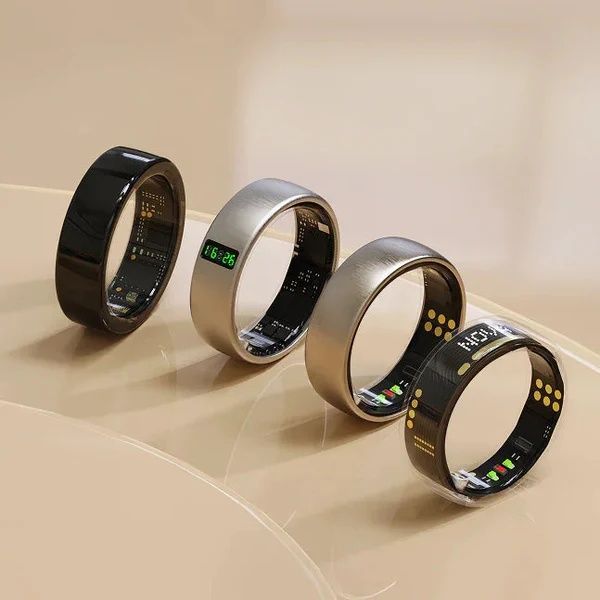
Integrating a smart ring into your daily life requires a balance of active tracking and simple maintenance.
The Herz P1 App displays your biometric trends in an intuitive, easy-to-read dashboard.
You can view your daily sleep architecture, overnight recovery scores, and real-time stress levels at a glance.
To optimize your sleep quality, monitor your deep sleep and REM cycles over a two-week period.
If you notice your deep sleep duration dropping, consider adjusting your evening wind-down routine.
When preparing for high-intensity exercise, check your morning Heart Rate Variability score to gauge physical readiness.
A high HRV indicates that your nervous system is fully recovered and ready for a challenging workout.
Conversely, a low HRV suggests that you should focus on active recovery or light stretching.
Because the ring is lightweight and unobtrusive, you can easily wear it twenty-four hours a day.
However, continuous wear means the device will naturally accumulate sweat, soap residue, and dead skin cells.
Learning how to clean a smart ring is essential for maintaining both skin health and sensor accuracy.
We recommend washing your ring once a week with a mild, soap-free cleanser and warm water.
Avoid using harsh chemical solvents, abrasive scrubbing pads, or ultrasonic jewelry cleaners.
After washing, dry the ring thoroughly with a soft, lint-free microfiber cloth.
It is equally important to dry your finger completely before putting the ring back on.
Trapped moisture can irritate the skin and lead to contact dermatitis over extended periods.
When it comes to powering your device, follow certified smart ring charging tips to preserve battery health.
Always ensure the charging contacts on the ring are completely dry before placing it on the dock.
Charging a wet ring can cause short circuits or electrical corrosion over time.
By taking these simple precautions, you can enjoy seamless, uninterrupted tracking for years to come.
Resolving Common Wearable Pitfalls: Bulky Watches vs. Smart Rings
Many people begin their health-tracking journeys with traditional smartwatches.
However, wearing a bulky, heavy watch to bed often disrupts natural sleep patterns.
The physical size of a smartwatch can cause discomfort when you roll over during the night.
This discomfort can lead to micro-arousals that fragment your sleep architecture without your conscious knowledge.
A sleek, lightweight ring offers a non-intrusive alternative that you will barely feel on your finger.
This comfort allows you to capture highly accurate sleep data without sacrificing your nightly rest.
Another common pitfall in the wearable market is the hidden cost of monthly app subscriptions.
Some major brands lock your personal health data behind a paywall, requiring an ongoing subscription to view basic metrics.
We believe that you should own your health data outright without any recurring fees.
The Herz P1 App is completely free for a lifetime, providing full access to all advanced analytics.
There are no hidden charges, paywalled features, or unexpected renewal costs.
To ensure long-term device safety, users must also understand smart ring battery safety guidelines.
Never expose your ring to extreme heat sources, such as direct sunlight on a car dashboard or open flames.
Lithium-ion batteries are sensitive to thermal extremes and require careful environmental management.
When recharging, always use the official smart ring charger provided in the box.
Third-party chargers may deliver incorrect voltage levels that can damage the internal power management chip.
By avoiding these common mistakes, you protect your financial investment and secure highly reliable health insights.
Frequently Asked Questions About Smart Ring Waterproofing and Care
Is the Herz P1 smart ring waterproof enough for daily showers and swimming?
Yes, the Herz P1 is fully IP68 waterproof and rated for depths up to 164 feet.
This means you can confidently wear it in the shower, bath, swimming pool, and even during ocean swimming.
The military-grade steel outer casing and seamless inner resin mold protect the internal components from water intrusion.
We recommend rinsing the ring with fresh water after swimming in saltwater or chlorinated pools to prevent mineral buildup.
How long does the Herz P1 battery last and how fast does it charge?
The advanced battery inside the Herz P1 provides up to six days of continuous health tracking on a single charge.
When the battery runs low, you can recharge it from zero to one hundred percent in under one hour.
This rapid charging capability minimizes tracking downtime and ensures you never miss a sleep cycle.
We recommend charging the ring in short blocks, such as while you take your daily shower, to maintain consistent coverage.
Which finger is best to wear the Herz P1 smart ring on for maximum accuracy?
We recommend wearing the Herz P1 on your index finger for the most accurate biometric readings.
The middle and ring fingers are also excellent alternatives if you prefer a different fit or style.
For the best results, choose a finger on your non-dominant hand to minimize movement noise during daily tasks.
Ensure the ring fits snugly but comfortably without rotating excessively during physical activity.
Does the Herz P1 store health data offline when disconnected from my phone?
Yes, the Herz P1 has built-in flash memory that stores up to seven days of biometric data offline.
You do not need to keep your phone near you or maintain a continuous Bluetooth connection to track your metrics.
Once you open the companion app, the ring will automatically sync all stored data via Bluetooth.
This feature is perfect for outdoor adventures, device-free workouts, and uninterrupted night sleep.
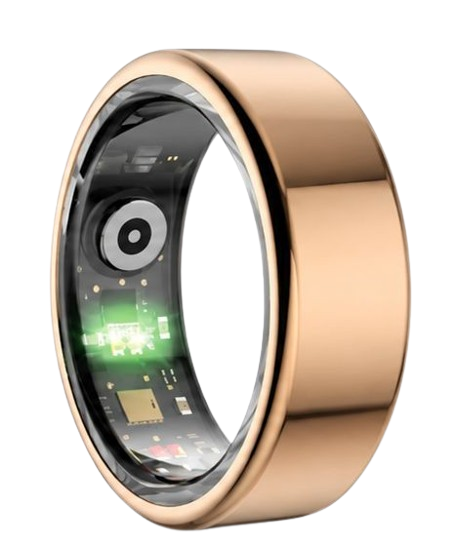
90-Day 100% Money-Back Guarantee
“The Herz Smart Ring helps me manage stress easily. It’s accurate, stylish, and lightweight—perfect for my busy life!”
— Jennifer P. | ✔ Verified Customer
- ✓ 6-Day Battery Life
- ✓ Detailed Sleep Analysis
- ✓ Fast 1-Hour Charging
- ✓ iOS & Android Ready
Questions? Call: 1-866-479-1629
Empower Your Daily Health Decisions
Making informed decisions about your health starts with having reliable, continuous data.
The waterproof, durable Herz P1 Smart Ring offers a seamless way to track your vitals without interruptions.
Ready to monitor your health every day?
Explore the Herz P1 Smart Ring and see if it fits your lifestyle.
Call: 1-866-479-1629 — our team can help you advise on the correct ring size and set personalized health goals.
Note: Individual results may vary depending on individual health conditions, age, and lifestyle habits. This article is intended for general health reference purposes only.
