

Many busy professionals struggle to transition from daytime stress to restorative nightly sleep. Creating a structured wind down routine is a scientifically proven way to calm your nervous system. By learning how to build a calming bedtime routine, you can dramatically improve your nightly recovery and overall health. Team Herz P1 designs premium, subscription-free health-tracking smart rings to help you monitor these physiological improvements. This extensive guide will help you optimize your evening habits and master the metrics that control your sleep quality.
Built to Last. Save Up to 69% Today.
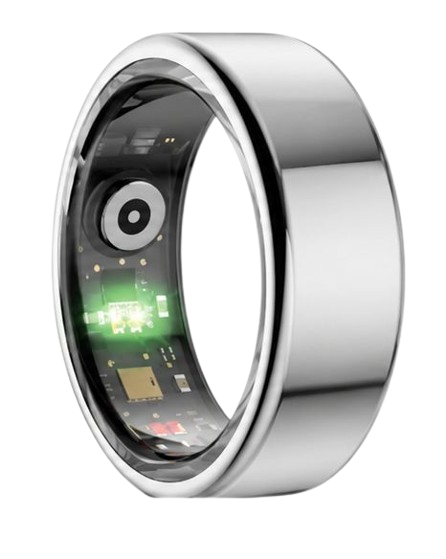
The Herz P1 Smart Ring tracks HRV, Sleep, Heart Rate & SpO2 around the clock. No subscriptions. No renewals. Ever.
In This Article
- Step-by-Step Instructions: How to build a practical, customized evening routine.
- Sleep Architecture Science: Understanding sleep stages and heart rate metrics.
- Biometric Tracking: How the Herz P1 monitors recovery without monthly fees.
- Overcoming Sleep Hazards: Replacing heavy smartwatches with a military-grade ring.
How to Build a Calming Bedtime Routine for Sleep: A Step-by-Step Guide
Prerequisites & What You’ll Need
Before you begin your routine, you must prepare a few foundational elements.
First, you need a dark, quiet, and cool sleeping space set between 60 and 67 degrees.
Second, you require a comfortable biometric tracker to measure your physical progress.
Third, you must commit to practicing these steps consistently for at least two weeks.
Step-by-Step Instructions
-
Step 1: Standardize Your Evening Schedule
You must wake up and go to sleep at the exact same time every single day.
Consistency reinforces your natural circadian sleep-wake cycles and balances morning alertness.
Varying your sleeping window disrupts the body’s natural release of essential hormones.
A steady schedule helps your brain anticipate sleepiness as bedtime approaches.
Even on weekends, you should avoid staying up late to prevent physical fatigue.
Maintaining this timeline is the first vital step in establishing a healthy bedtime habit.
-
Step 2: Disconnect from All Digital Screens
You should turn off all smartphones, tablets, and computers one hour before bed.
These devices emit strong blue light that closely mimics natural morning sunlight.
Blue light actively suppresses your pineal gland from secreting the sleep hormone melatonin.
Checking work emails or reading news feeds triggers unwanted cognitive alertness.
This mental arousal makes winding down for the night almost impossible.
Try placing your phone in a drawer outside the bedroom to break bad sleep habits.
-
Step 3: Engage in Mindful Relaxation Activities
Spend thirty minutes participating in structured calming activities for sleep.
You can read a fiction book, write in a journal, or listen to soothing acoustic tracks.
These quiet things to do before bed help lower your physical blood pressure.
Avoid high-stress tasks like balancing finances or planning difficult projects.
Your mind requires a peaceful transition period to shift into a low-stress state.
Focusing on peaceful thoughts is a great technique for how to relax before bed.
-
Step 4: Lower Your Core Body Temperature
Your body needs to shed heat to initiate the first stage of sleep.
Taking a warm shower or bath ninety minutes before bed helps speed this process.
The warm water increases blood circulation to your hands, feet, and skin surface.
Once you step out, your core body temperature rapidly drops from evaporation.
This temperature drop acts as a strong physiological trigger for immediate drowsiness.
A cool bedroom environment further supports this natural cooling cycle.
-
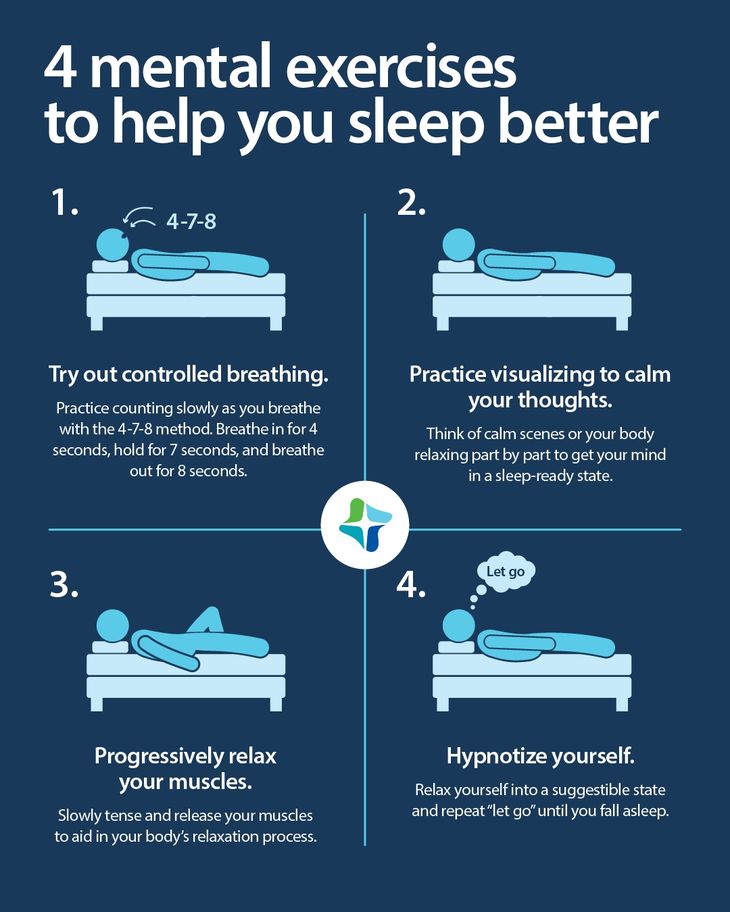
Step 5: Practice Slow Rhythmic Breathing
Use deep diaphragmatic breathing to actively calm your autonomic nervous system.
Try the four-seven-eight technique by breathing in for four seconds and holding for seven.
Slowly exhale through your mouth for eight seconds to stimulate the vagus nerve.
This slow breathing pattern lowers physical muscle tension and calms a racing mind.
By focusing on your breath, you prevent your brain from overthinking stressful daytime events.
A quiet nervous system is crucial for transitioning into deep, slow-wave sleep stages.
-
Step 6: Limit Late Coffee, Alcohol, and Heavy Dinners
Avoid drinking caffeinated beverages within six to eight hours of your bedtime.
Caffeine blocks adenosine receptors in your brain, keeping you alert when you should be tired.
Alcohol might make you feel drowsy, but it severely disrupts your late-night sleep stages.
Heavy meals force your digestive tract to work hard when your body should be resting.
This digestive work raises your heart rate and prevents deep muscle recovery.
Opt for a light, decaffeinated herbal tea if you need a warm evening drink.
How Herz P1 Supports Your Sleep Journey
Perfecting your personal wind down routine requires immediate feedback from your body.
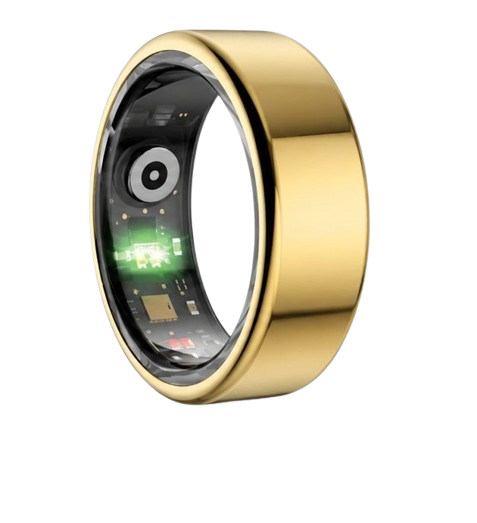
The Herz P1 Smart Ring tracks your sleep stages and heart rate with incredible biometric precision.
Our comfortable smart ring has no ongoing subscription fees, allowing you to access all data forever.
By reviewing your sleep scores, you can see exactly which evening habits give you the deepest rest.
90-Day 100% Money-Back Guarantee
“The Herz Smart Ring helps me manage stress easily. It’s accurate, stylish, and lightweight—perfect for my busy life!”
— Jennifer P. | ✔ Verified Customer
- ✓ 6-Day Battery Life
- ✓ Detailed Sleep Analysis
- ✓ Fast 1-Hour Charging
- ✓ iOS & Android Ready
Questions? Call: 1-866-479-1629
How the Herz P1 Smart Ring Tracks Your Sleep Architecture

Human sleep is composed of highly structured stages that repeat in cycles throughout the night.
Each complete cycle lasts about ninety minutes and moves through light, deep, and REM sleep.
Light sleep is the gateway of rest, allowing your body to transition away from conscious thoughts.
Deep sleep is the physical recovery phase where your body repairs muscle tissue and bone.
During deep sleep, your cells produce growth hormones to speed healing and physical growth.
The National Sleep Foundation states that adults need about twenty percent of their night in deep sleep.
Rapid Eye Movement, or REM sleep, is the phase where active dreaming occurs and memories are organized.
During REM, your brain processes daily emotions and files away new information for later use.
A structured relaxing bedtime routine for adults is designed to expand both deep and REM cycles.
The Herz P1 Smart Ring monitors these delicate shifts using multispectral optical PPG sensors.
Our green and infrared light sensors measure changes in blood volume at the base of your finger.
The thin skin on your fingers provides an incredibly clear and strong pulse signal for our device.
By measuring heart rate fluctuations and body movement, the Herz P1 maps out your sleep stages.
Our ring also monitors your overnight blood oxygen saturation, or SpO2 levels, with absolute accuracy.
Our advanced optical system tracks SpO2 with a small margin of error under two percent.
This accurate biological data helps you see if minor breathing issues are interrupting your sleep.
Every morning, the companion app combines these metrics into a simple, personalized Sleep Score.
You can use this objective score to test the physical value of your new bedtime habits.
Our technology takes the guesswork out of recovery, proving exactly how well your body rested.
The Science of Heart Rate Variability (HRV) and Evening Relaxation
Heart Rate Variability, or HRV, is the measurement of the tiny variations in time between consecutive heartbeats.
These slight differences are measured in milliseconds and reflect the state of your nervous system.
Your autonomic nervous system is divided into two parts: the sympathetic and parasympathetic branches.
The sympathetic system governs your fight-or-flight response, raising your heart rate during stressful tasks.
The parasympathetic system controls your rest-and-digest response, allowing your organs to recover safely.
The American Heart Association connects a high HRV score with a balanced and resilient cardiovascular system.
A lower HRV score suggests that your body is experiencing heavy physical or psychological strain.
When you start a proper how to relax before bed sequence, your parasympathetic system takes command.
Your blood pressure drops, your heart rate slows down, and your overall HRV begins to rise.
This biological shift allows your body to dedicate energy to cell repair and immune system health.
The Herz P1 Smart Ring measures your HRV continuously every five minutes while you sleep.
Our high-frequency sampling rate gives you a highly detailed look at your overnight nervous system recovery.
You can track these daily metrics in our free app to observe long-term health trends.
Seeing your HRV climb over several weeks proves that your stress levels are dropping.
Our data-informed dashboard helps you make smart choices about your daily physical exertion.
If your overnight HRV is low, you should focus on light stretching and earlier bedtime habits.
A high morning HRV indicates that your bedtime routine successfully relieved your physical stress.
Our technology provides you with clear, medical-grade trends to guide your wellness journey.
How to Optimize Your Rest with the Herz P1 App
The Herz P1 App serves as your comprehensive wellness dashboard without charging any monthly subscription fees.
Each morning, you can open the app to review your overall Sleep Score on a scale from one to one hundred.
This score aggregates your total sleep duration, sleep stages, resting heart rate, and respiratory stability.
If your deep sleep percentage is low, the app provides personalized recommendations to adjust your routine.
You can also track your oxygen saturation levels, or SpO2, to ensure your breathing remains steady all night.
Our multispectral sensor array maintains a high-precision margin of error under two percent for SpO2.
Comparing your sleep metrics to your daytime stress scores helps you identify hidden lifestyle triggers.
For example, you might notice that a late-evening workout causes your resting heart rate to stay elevated.
The ultra-lightweight design of the Herz P1 ensures that you can wear it twenty-four hours a day without irritation.
Made from military-grade steel, it fits comfortably on your finger and resists all scratches.
With a six-day battery life, you never have to worry about charging the ring every single night.
You can wear it to the gym, in the shower, and to bed to maintain a seamless stream of biometric data.
Traditional Sleep Trackers vs. Comfort-First Smart Rings
Many health-conscious individuals try to track their sleep using traditional, bulky smartwatches.
However, wearing a heavy watch to bed often disrupts your natural sleep patterns and causes skin irritation.
The bulky watch face can catch on your sheets or press uncomfortably against your wrist.
These disruptions can trigger brief micro-arousals that lower your overall sleep quality.
Furthermore, smartwatches typically require daily charging, leading to frequent gaps in your bedtime data.
Many premium sleep tracking brands also charge hidden monthly subscription fees to view your own health data.
We believe that you should never have to pay a recurring fee to access your biological metrics.
The Herz P1 App is free for a lifetime and offers full feature access from day one.
By transitioning to our comfortable smart ring, you eliminate both wrist fatigue and monthly costs.
The sleek, low-profile ring sits naturally on your finger and stays securely in place all night long.
Frequently Asked Questions About Sleep Tracking and Bedtime Routines
Yes, the Herz P1 features a full IP68 waterproof rating.
This certification means the ring can withstand continuous water submersion up to fifty meters.
You can safely wear it while washing your hands, taking a shower, or swimming in a pool.
Our military-grade steel casing protects the delicate internal sensors from any moisture damage.
The Herz P1 battery lasts up to six days on a single, full charge.
This extended life allows you to track multiple nights of sleep without any interruptions.
When the battery does run low, you can charge the ring to one hundred percent in under one hour.
Our convenient magnetic charger ensures a secure connection and rapid power delivery.
We recommend wearing the Herz P1 on your index, middle, or ring finger.
These digits contain larger blood vessels close to the skin surface, which optimizes PPG sensor accuracy.
Make sure the ring fits snugly but comfortably without rotating too easily.
Our sizing kit will help you find the exact fit for your chosen finger before ordering.
Yes, the ring contains built-in local memory to store your biometric data offline.
It can save up to seven days of continuous sleep, heart rate, and stress metrics.
Once your phone is nearby, the ring will automatically sync all stored data to the app over Bluetooth.
This feature ensures that you never lose important recovery insights during travel or phone outages.
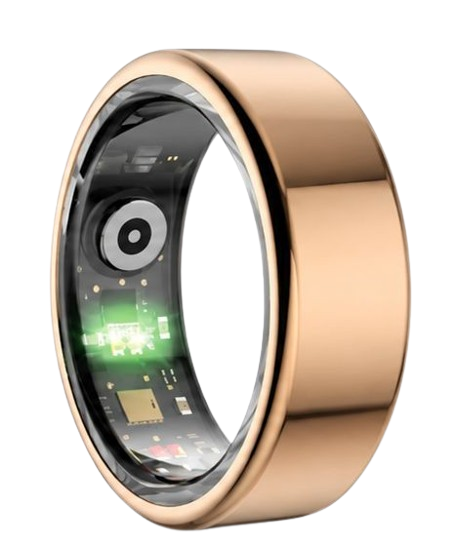
Achieve Restful Nights with Herz P1
Establishing a calming bedtime routine is the key to unlocking deep, restorative sleep. With the Herz P1 Smart Ring, you can track your physiological improvements in real time. Ready to monitor your health every day? Explore the Herz P1 Smart Ring and see if it fits your lifestyle. Call: 1-866-479-1629 — our team can help you advise on the correct ring size and set personalized health goals.
Note: Individual results may vary depending on individual health conditions, age, and lifestyle habits. This article is intended for general health reference purposes only.
