

Is Sleep Trauma Keeping You Awake? Understanding Causes, Symptoms, and Actionable Healing Tips
Are you struggling with a racing mind, non-restorative sleep, or waking up at 3 AM with a sense of dread? You might be experiencing sleep trauma. Scientific evidence shows that persistent hyperarousal disrupts your heart rate variability (HRV). By monitoring biometric trends with the screen-free Herz P1 Smart Ring, we can track these recovery patterns and rebuild healthy sleep cycles.
Take Back Your Sleep.
Take Back Your Life.
- Fall asleep faster & sleep deeper
- Stop waking up in the middle of the night
- Wake up refreshed & full of energy
Key Highlights of This Guide:
- The Nervous System Link: How emotional stress traps the body in a state of chronic hyperarousal, manifesting as sleep trauma.
- Biometric Disruption: Understanding why trauma-induced sleep issues suppress Heart Rate Variability (HRV) and fragment Deep Sleep.
- The Blue Light Threat: Why screen-based tracking devices often exacerbate nighttime anxiety and hypervigilance.
- Screen-Free Solutions: Embracing elegant, titanium, and subscription-free wearables to monitor recovery without mental fatigue.
What is Sleep Trauma and How Does It Disrupt Your Body’s Nightly Recovery?
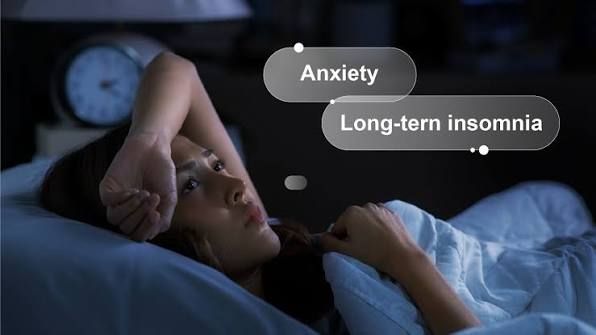
Quick Answer: Yes, sleep trauma is a real physiological condition. The short answer is that it refers to a state where your subconscious mind and autonomic nervous system remain locked in a defensive “fight-or-flight” pattern during rest, preventing you from entering the deep, restorative stages of sleep. However, to choose the right recovery path, you need to understand how these neurological disruptions register in your biometrics, especially your Heart Rate Variability (HRV) and sleep stage distribution.
When we look at the neurobiology of sleep trauma, we must look beyond basic sleeplessness. Standard insomnia is often caused by temporary disruptions—such as drinking coffee too late or experiencing temporary work stress. Conversely, a state of trauma-related sleep disruption occurs when a psychological or physical shock alters the brain’s threat-detection center, the amygdala. Even as you close your eyes and attempt to rest, your amygdala continues sending panic signals to your adrenal glands, releasing cortisol and adrenaline into your bloodstream throughout the night.
This chronic state of hyperarousal, often referred to as sleep trauma, shifts your autonomic balance away from the parasympathetic “rest-and-digest” branch and forces you into a state of continuous sympathetic dominance. In this hyper-vigilant state, your heart rate remains elevated, and your Heart Rate Variability (HRV) plummets. To understand your autonomic health, you must know that a high HRV indicates a flexible, resilient nervous system ready to adapt to stressors, whereas a chronically low HRV indicates a body trapped in a survival pattern. For more on optimizing your environmental triggers, see our comprehensive sleep hygiene checklist.
To understand how sleep trauma alters sleep architecture, we must analyze the distribution of your sleep stages. A typical, healthy night consists of cyclical transitions between Light, Deep, and Rapid Eye Movement (REM) sleep. However, when the nervous system is overwhelmed, the brain struggles to transition into deep, slow-wave sleep. Deep sleep is the phase responsible for physical restoration, muscle repair, and immune system calibration. Instead of entering this deeply restorative state, your brain remains suspended in Light sleep, keeping you highly sensitive to environmental sounds and internal shifts.
— Team Mind Body Dan
Furthermore, issues related to post traumatic stress disorder sleep disturbances often manifest as highly fragmented REM cycles. REM sleep is where emotional processing and cognitive consolidation occur. When your mind attempts to process difficult experiences during REM, it can trigger intense, vivid nightmares, causing sudden awakenings with a racing heart and cold sweats. This cycle of fragmented understanding REM sleep challenges explains why you might feel exhausted even after spending eight or nine hours in bed. Therefore, chronic sleep trauma often translates to persistent, non-restorative rest that compromises your immune system, cognitive function, and emotional resilience.
When to Focus on Sleep Trauma Recovery (and When Not To)
Understanding the biological markers of sleep trauma is critical for knowing how to support your body’s recovery. You should focus on specific somatic and nervous system regulation strategies if you experience the following:
- Persistent 3 AM awakenings: Waking up suddenly at the exact same time, filled with unaccountable adrenaline or dread.
- Chronic nightmares: Vivid, emotionally intense dreams that leave you feeling physically exhausted upon waking.
- Low HRV trends: Biometric tracking showing flatlined or steadily declining Heart Rate Variability, even on rest days.
- Subconscious resistance to bed: Feeling exhausted all evening, but experiencing a sudden surge of adrenaline the moment you lie down in the dark.
Conversely, you do not need to assume you are dealing with deep-seated sleep trauma if your poor sleep is due to easily identifiable, temporary lifestyle disruptions, such as jet lag, consuming a heavy meal close to bedtime, temporary work deadlines, or excessive caffeine intake. While tracking your metrics remains valuable in these situations, your recovery simply requires correcting basic habits rather than undergoing deep autonomic retraining.
Suggested Solutions: Embracing Non-Intrusive, Screen-Free Biometrics
Addressing sleep trauma requires an approach that calms, rather than overstimulates, your nervous system. Many individuals turn to modern smartwatches to track their recovery. However, standard smartwatches often feature bright screens that emit sleep-disrupting blue light, send persistent push notifications, and require frequent, annoying daily charging cycles. This constant digital presence can actually exacerbate nighttime hypervigilance, adding to your mental fatigue.
The ideal solution is a screen-free, lightweight tracking method that monitors your somatic trends in the background. The Herz P1 Smart Ring is engineered specifically for this purpose. Crafted from ultra-lightweight, medical-grade titanium, it rests comfortably on your finger, allowing you to monitor your Sleep Stages, HRV, and Restfulness without the distraction of a screen. By eliminating push notifications and flashing lights, it helps you step away from late-night screen habits, allowing your autonomic nervous system to naturally settle into a relaxed state.
Why the Herz P1 Smart Ring Supports Trauma Recovery:
- Completely Screen-Free: No late-night blue light, vibration alerts, or distracting notifications to trigger your fight-or-flight response.
- Premium Titanium Design: Weighing nearly nothing, it avoids the bulky, restrictive feel of heavy sports watches that disrupt sensitive sleepers.
- Subscription-Free: Buy it once and own your data forever, avoiding subscription fatigue and ongoing monthly fees.
- Actionable Simplicity: Translates complex biometric algorithms (HRV, Sleep Stages, Activity) into an intuitive, daily Recovery Score.
By tracking your heart rate variability over time, you can observe how somatic techniques help quiet your nervous system. To understand how to influence these heart metrics directly, read our expert guide on how to increase HRV. In addition, tracking your resting heart rate can highlight physical recovery patterns, which is especially helpful if you experience nighttime temperature fluctuations or overcoming night sweats.
Frequently Asked Questions About Sleep Trauma and Biometrics
Q1: How does sleep trauma differ from standard insomnia?
Standard insomnia is typically a symptom of short-term stress, poor routine, or environmental factors. In contrast, sleep trauma is a chronic somatic condition where your brain perceives the state of sleep itself as a physical threat. This leaves your nervous system locked in a defensive pattern, making it difficult to transition into deep, restorative sleep stages even if your bedroom environment is ideal.
Q2: Can we monitor sleep trauma trends with wearables?
Yes, you can monitor the somatic markers of sleep trauma by tracking metrics like Heart Rate Variability (HRV), Resting Heart Rate (RHR), and Sleep Stage patterns. A steady rise in your baseline HRV and an increase in consolidated deep sleep are strong indicators that your nervous system is shifting back into a balanced, relaxed state.
Q3: Why are smartwatches often counterproductive for restless sleepers?
Traditional smartwatches are often bulky, uncomfortable to wear in bed, and require frequent charging. More importantly, their active screens and constant push notifications can feed into a cycle of digital hyperarousal, making it harder for an already sensitive nervous system to wind down naturally before sleep.
Q4: How does HRV relate to sleep trauma recovery?
HRV measures the variation in time between consecutive heartbeats, reflecting the balance of your autonomic nervous system. A high baseline HRV indicates a relaxed, resilient state of recovery, while a low baseline HRV suggests your body is still carrying stress and struggling to unwind from sleep trauma.
The Hidden Symptoms of Sleep Trauma: How Hyperarousal Mimics Physical Illness

The symptoms of sleep trauma are not always obvious. Often, individuals struggle with physiological symptoms that mimic other chronic health issues, leaving them confused by their lack of progress. Because the brain remains on high alert, your body does not get the quiet downtime it needs to recover from daily demands. This can result in persistent brain fog, muscle tension, digestive discomfort, and emotional instability during the day.
For instance, a classic manifestation of sleep trauma is waking up suddenly around 3 AM with a racing heart and a feeling of intense alertness. This experience is distinct from waking up to use the restroom or adjust your blanket. When you experience trauma sleep disruptions, your body releases a sudden burst of cortisol. This hormone spike triggers your survival response, leaving you wide awake and scanning your quiet bedroom for potential threats.
These nighttime awakenings are indicative of the way sleep trauma triggers physical hyperarousal. Because your system is flooded with stress hormones, you may also experience night sweats, shallow breathing, and cold hands and feet as your body diverts warm blood to your core muscles, preparing for action. Over time, the cumulative impact of these disruptions can lead to chronic fatigue, making it highly valuable to establish a supportive, structured insomnia recovery plan.
Furthermore, issues related to post traumatic stress disorder sleep disturbances can deeply affect your daytime energy levels and emotional resilience. When your brain is deprived of slow-wave deep sleep and stable REM phases, it struggles to process emotional experiences and consolidate memories. This sleep deficit can leave you feeling highly reactive, anxious, and emotionally exhausted during the day. By incorporating gentle, calming routines, you can begin to ease these symptoms; explore our guide on stress management techniques to learn more about supporting your nervous system.
If you are navigating sleep trauma, your autonomic nervous system requires consistent, comforting signals of safety to step down from its hyper-vigilant state. Finding ways to monitor your physical recovery without adding to your daily stress or screen fatigue is a key step toward regaining restful, restorative sleep.
Healing Tips: How to Calm Your Nervous System and Track Your Progress Screen-Free

Releasing the grip of sleep trauma requires a gentle, consistent approach that prioritizes somatic safety and nervous system regulation. Because your brain has come to associate the bedroom with stress and hypervigilance, your recovery depends on slowly teaching your autonomic nervous system that it is safe to let guard down in the dark. This cannot be rushed with sheer willpower; it requires gentle, daily practices that reassure your body at a physical level.
Somatic processing is highly effective for soothing sleep trauma. Practices like progressive muscle relaxation, slow diaphragmatic breathing, and weighted blankets help send calming, grounding signals directly to your brainstem, bypassing anxious thoughts. Additionally, incorporating structured mindfulness exercises before bed can help ease your mind transition from daytime activity to rest; for practical ideas, see our guide on mindfulness for sleep.
By engaging in somatic practices, individuals navigating sleep trauma can help quiet their sympathetic nervous system and encourage deeper, more consolidated recovery. As your autonomic nervous system begins to self-regulate, you will naturally start to see improvements in your nightly biometric trends, such as a steadier heart rate and longer periods of uninterrupted sleep.
Track Your Recovery Trends, Screen-Free
The Herz P1 Smart Ring offers a simple, screen-free way to monitor your recovery. Made of lightweight titanium and free of ongoing subscription fees, it tracks your HRV, sleep stages, and daily restfulness in the background, helping you build healthy routines without screen distraction.
Monitoring the daily progress of your sleep trauma recovery with a dedicated biometric tool helps take the guesswork out of your wellness routine. By checking your baseline trends, you can easily see which somatic practices—whether breathwork, journaling, or evening wind-down rituals—are helping your body find its natural balance.
A screen-free smart ring allows you to observe your sleep trauma markers without the distraction of bright displays or notification pings before bed. For a deeper look at reading these subtle physical signals, check out our comprehensive wearable biometrics guide. Over time, monitoring the downstream effects of sleep trauma on your cardiovascular system helps you make informed, stress-free adjustments to your lifestyle, helping you gently reclaim your physical energy, mental clarity, and peace of mind.
Disclaimer: Results may vary depending on individual physical activity levels, unique health conditions, and daily tracking patterns. The content provided in this article is for informational and educational purposes only and is not intended as medical advice. The Herz P1 Smart Ring is a wellness tracking device designed to monitor lifestyle trends and autonomic recovery; it does not diagnose, treat, or cure any medical condition. Please consult a qualified healthcare professional before making changes to your health regimen.
