

Muse S Headband Review: Is It Good for Sleep Meditation?
Struggling to quiet a racing mind at 3 AM? In this comprehensive muse s headband review, we examine if this EEG-powered headband is truly the ultimate sleep meditation tool, or if a more comfortable, screen-free wearable is better suited to help you track your sleep quality and daily recovery metrics without bulky gear.
Take Back Your Sleep.
Take Back Your Life.
- Fall asleep faster & sleep deeper
- Stop waking up in the middle of the night
- Wake up refreshed & full of energy
Key Article Takeaways
- Real-Time Biofeedback: The Muse S uses multi-sensor EEG technology to translate brainwaves into gentle, immersive weather sounds, training your mind to ease into a calm state.
- Guided Sleep Journeys: Offers specialized “Digital Sleeping Pills” designed to fade out auditory feedback as you drift off and cue back up if you experience awakenings.
- Comfort Considerations: While constructed with soft fabric, wearing a forehead strap overnight may feel bulky, slip out of place, or irritate sensitive skin.
- The Subscription Model: Accessing the robust catalog of guided meditations and historical biometric trends requires an ongoing premium subscription fee.
- An Elegant Alternative: For passive, non-intrusive, screen-free monitoring, an ultra-lightweight smart ring like the Herz P1 Smart Ring provides deep biometric trends without forehead constraints or subscription paywalls.
Table of Contents
The Search for Quiet: Why Sleep and Meditation Wearables Matter
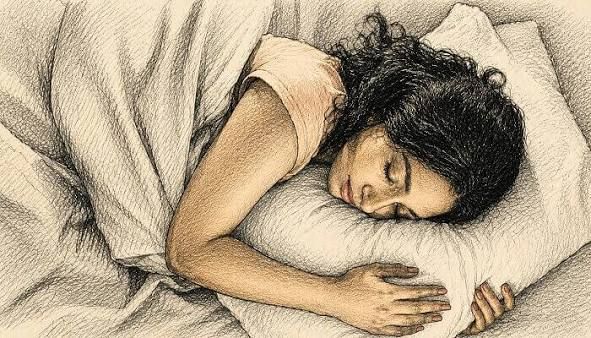
We have all experienced those frustrating nights. You crawl into bed physically exhausted after a demanding day, but the moment your head hits the pillow, your brain decides to run a marathon. Thoughts of tomorrow’s to-do list, replaying old conversations, or simply checking the clock and calculating how few hours of rest remain. This cycle of hyper-arousal and racing thoughts often leads to shallow, non-restorative sleep, leaving you to wake up with stubborn brain fog and depleted physical energy.
When we set out to conduct this muse s headband review, we wanted to address this fundamental problem: how do we transition our bodies from active, high-stress states into the deep, restorative parasympathetic zone necessary for sleep?
Historically, sleep hygiene advice has been simple—avoid screens, keep the bedroom cool, and practice deep breathing. But for many, these steps are not enough. We want objective, actionable data. This is where high-tech consumer sleep wearables come in. By monitoring biometrics, these devices act as an objective mirror, helping us understand exactly how our habits, evening routines, and stress levels translate into restorative rest.
In this detailed muse s headband review, our team utilized our comprehensive scoring matrix to grade the Muse S across multiple categories.
| Evaluation Category | Rating (Out of 5) | Key Insights |
|---|---|---|
| Meditation Guidance | 4.7 / 5.0 | Exceptional real-time biofeedback utilizing EEG sensors to calm active brainwaves. |
| Sleep Tracking Accuracy | 4.1 / 5.0 | Accurate sleep staging, though highly dependent on perfect headband positioning. |
| Comfort & Ergonomics | 3.5 / 5.0 | Soft fabric finish, but can feel warm and bulky; prone to slipping for active sleepers. |
| Battery Performance | 3.2 / 5.0 | Requires frequent charging (typically every 10–12 hours of active use). |
| Overall Value | 3.8 / 5.0 | High upfront cost combined with an ongoing premium subscription fee. |
Product Overview: What is the Muse S?
The muse s is a multi-sensor, soft-fabric headband designed to facilitate both active daytime meditation and passive nighttime sleep tracking. Developed by Interaxon, it sits at the intersection of consumer electroencephalography (EEG) and biofeedback technology.
Unlike basic wrist-worn fitness trackers, the muse headband review reveals that this device actively monitors your brain’s electrical signals, alongside heart rate, breath control, and body movement. Its core promise is to coach your brain into states of deep focus and relaxation using real-time auditory cues, while also mapping out your overnight sleep architecture (REM, Deep, and Light sleep stages).
Key Highlights and Features
The Muse S sets itself apart from standard wellness accessories through several highly specialized features:
- Real-Time EEG Biofeedback: Measures electrical brain activity to guide your focus. When your mind wanders, the sound of the weather in your headphones intensifies; when you quiet your thoughts, the storm subsides.
- Digital Sleeping Pills (DSPs): Custom audio tracks designed to respond dynamically to your brain state. The audio automatically fades as you fall asleep, and if you wake up at 3 AM, the headband gently introduces soothing soundscapes to help you return to rest.
- Comprehensive Sleep Metrics: Tracks deep sleep cycles, REM sleep duration, position shifts, and heart rate patterns throughout the night.
Real-World Experience: Wearing the Muse S Overnight
During our hands-on testing for this muse s headband review, we found that engaging in hands-on meditation sessions prior to sleep did indeed help settle a racing mind. Listening to real-time feedback serves as an immediate anchor, preventing the habitual loop of late-night thoughts.
However, wearing the physical strap overnight introduced a few practical challenges. Although the band is made of a breathable, soft fabric, wrapping a device around your forehead can feel restrictive. If you are a side or stomach sleeper, the central sensor pod can shift, causing occasional disconnects that interrupt sleep tracking.
Furthermore, those with thick hair may find it takes some adjusting to ensure the EEG sensors make direct, steady contact with the skin. If the connection drops mid-night, your overnight sleep chart will have gaps, leading to a less cohesive picture of your actual recovery.
Pros & Cons of the Muse S Headband
The Pros:
- Industry-leading real-time biofeedback teaches effective mindfulness and concentration habits.
- Soft, stretchable band design is far more comfortable for meditation than previous rigid plastic iterations.
- DSPs (Digital Sleeping Pills) provide an innovative, non-chemical way to fall back asleep after midnight awakenings.
The Cons:
- The band requires daily charging; forgetting to plug it in means missing out on nightly tracking.
- Can feel warm and sweaty on humid nights, and the fabric band requires regular hand-washing to prevent odor.
- Locks historical trend analysis and guided premium content behind an expensive subscription.
How It Compares: Seeking a Subscription-Free Alternative
No honest muse headband review would be complete without considering the key trade-offs of the Muse S. If you are looking for an active tool to train your brain during meditation, the Muse S is an excellent option. However, if your primary goal is to naturally understand your sleep cycles, track heart rate variability, and gauge daily recovery, wearing a headband every night is often impractical.
For users seeking alternative tracking methods that are completely non-intrusive and screen-free, the Herz P1 Smart Ring stands out. It features medical-grade biometric sensors constructed from sleek, ultra-lightweight titanium. It sits on your finger practically unnoticed, gathering deep insights into REM, Deep, and Light sleep stages without wrapping anything around your forehead.
Crucially, the Herz P1 Smart Ring operates on a subscription-free model. Unlike many current market offerings that charge monthly fees to access your health data, with the Herz P1, you buy the device once and own all your metrics forever. Combined with a multi-day battery life that eliminates the annoyance of nightly charging, it offers an elegant, fuss-free wellness tracking solution.
Who Is the Muse S Best For?
The Muse S is an exceptional match for:
- Mindfulness Enthusiasts: Individuals who want to deepen their meditation practice with real-time, objective data.
- Active Mind Restless Sleepers: Those who struggle to fall asleep specifically because they cannot stop their thoughts from racing.
- Tech-Savvy Biohackers: People who enjoy interacting with complex graphs, brainwave frequencies, and dynamic soundscapes.
The Verdict
Ultimately, our muse s headband review concludes that this wearable is a powerful, niche biofeedback trainer. If you are committed to the practice of brain training and enjoy guided auditory tracks, it delivers an experience that basic trackers simply cannot replicate.
However, if you want a reliable, simple, and comfortable daily tracker to understand sleep trends, cardiovascular stress, and recovery scores without bulky headgear or monthly bills, a premium smart ring is a more seamless fit for your lifestyle.
Deep Dive: How the Muse S Tracks Your Brain and Sleep
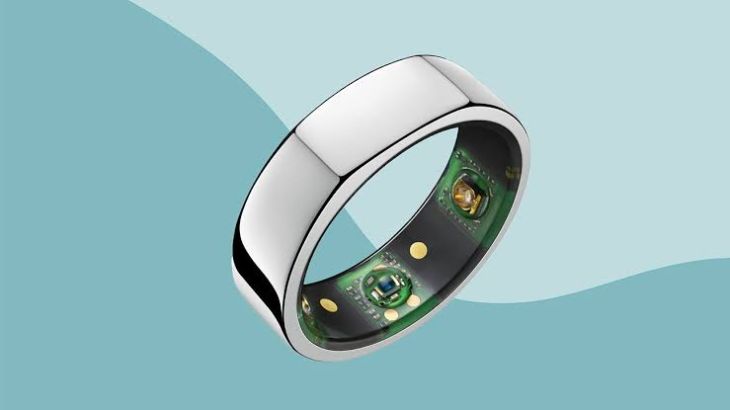
To expand our muse s headband review, we must look closely at the hardware. The band utilizes clinical-grade EEG-based tracking technology to measure electrical fluctuations on your scalp. Specifically, it houses passive sensors positioned along the forehead and behind the ears, tracking crucial brainwave frequencies associated with different states of consciousness.
EEG signals are categorized into distinct wave types. When you are alert and actively thinking, your brain emits rapid Beta waves. As you relax, your brain shifts to slower Alpha waves. Deepening relaxation introduces Theta waves, and the holy grail of physical recovery—deep slow-wave sleep—is characterized by slow Delta waves.
This sensor arrays work alongside an optical pulse oximeter (PPG) to track heart rate and heart rate variability (HRV), a gyroscope and accelerometer to detect body position, and breath monitoring. When combined, this data forms a detailed picture of your nighttime rest.
The Real-Time Meditation Experience
The core of the muse meditation experience lies in its adaptive audio feedback. After pairing the headband to the smartphone app via Bluetooth, you select a soundscape, such as a rainforest, a beach, or a quiet park.
As you close your eyes and begin to focus on your breath, the app delivers a real-time auditory biofeedback experience. If your mind is cluttered with work anxieties, the wind will howl and the rain will fall heavily. As you focus and steady your breathing, your brainwaves shift from active Beta to relaxed Alpha. The storm quietens, turning into gentle, ambient bird chirps. Over time, this immediate feedback loop acts as a form of mental strength training, helping you identify and quiet racing thoughts.
Tracking Sleep Stages (REM, Deep, Light)
Once you transition from meditation to sleep, the Muse S shifts roles. The app tracks the depth and quality of your cycles:
- Light Sleep: A transitional state where your muscles relax, heart rate slows, and your body prepares for deeper restoration.
- Deep Sleep: The vital phase when your tissues repair, cellular waste in the brain is cleared, and physical energy is replenished. This is crucial for avoiding morning brain fog.
- REM Sleep: The dream state key to cognitive recovery, memory consolidation, and regulating your emotional health.
In our testing, we found the sleep staging data provided by the Muse S to be quite accurate when compared to other popular sleep trackers. The integration of actual EEG signals gives it a distinct advantage over wristbands that rely solely on movement and heart rate.
The Operational Realities: Battery Life, Fit, and Upkeep
While the biometric data is impressive, using a headband every single night brings practical challenges.
First, the battery life typically lasts between 10 and 12 hours. Practically speaking, this means the Muse S requires a charge almost daily. If you forget to plug it in when you wake up, you will likely find the battery depleted by the time you go to bed.
Second, the headband must be adjusted snugly to maintain a stable connection with its EEG sensors. This snug fit can cause a warm forehead, especially for hot sleepers. If you tend to move frequently during the night, the band can shift, disrupting data collection.
Finally, because the fabric band rests directly against your skin, it absorbs sweat and facial oils, requiring regular, careful hand-washing to keep it clean.
Bridging the Gap: Finding Your Perfect Sleep Companion

As you look to optimize your sleep and daily wellness, it is helpful to look beyond the immediate data and understand what your metrics are telling you. One of the most telling indicators of physical readiness and autonomic nervous system balance is Heart Rate Variability (HRV).
HRV measures the small, millisecond-by-millisecond variations in the time between your consecutive heartbeats.
- A High HRV: Indicates that your nervous system is balanced, resilient, and ready to adapt to daily physical and mental demands.
- A Low HRV: Suggests your body is stuck in a fight-or-flight sympathetic state, often caused by overtraining, mental stress, poor food choices close to bedtime, or a lack of deep, restorative sleep.
By monitoring your baseline HRV alongside your sleep cycles, smart trackers can generate an intuitive daily Recovery Score. This single, simple metric guides your day, letting you know when to push your physical limits or when to prioritize rest.
The Two Paths to Sleep Optimization
Depending on your personality and sleep tracking goals, your ideal wellness wearable will fall into one of two categories:
- Active Intervention: Devices like the Muse S that use real-time audio training to guide you through a session. Great for active brain training, though bulkier to wear overnight.
- Passive Observation: Devices like the Herz P1 Smart Ring that monitor your baseline sleep, heart metrics, and HRV automatically in the background, without needing to interact with screens or bulky headbands.
Addressing Subscription Fatigue
A common frustration among wearable tech users is “subscription fatigue.” Many popular fitness bands and smartwatches lock detailed sleep staging, long-term trends, and personalized insights behind premium membership fees.
When we invest in a wellness device, we should have full, permanent access to our personal biometric data. This is another reason subscription-free wearables, such as the Herz P1 Smart Ring, are becoming increasingly popular. They provide comprehensive, clinical-grade biometric trends without ongoing paywalls.
Embrace an Elegant, Screen-Free Night
Good sleep hygiene means keeping distracting screens and notifications out of your evening routine. By choosing a screen-free, low-profile tracking method like a smart ring, you can easily prioritize restorative rest while tracking vital metrics entirely in the background.
Final Thoughts and Recommendation
If your primary challenge is quieting an overactive mind during bedtime meditation, the Muse S is a unique and effective biofeedback tool. It helps you build a mindful routine using your brain’s own data.
However, if you want to track sleep trends, daily recovery, and cardiovascular markers with minimal fuss and maximum comfort, our final purchasing verdict points toward a lightweight, subscription-free alternative like the Herz P1 Smart Ring. By fitting seamlessly into your night, it offers a beautifully simple path to reclaiming your physical and mental energy.
