

What Is RERA Sleep and Its Impact on Your Rest?
Do you wake up feeling completely exhausted despite spending eight hours in bed? You might be experiencing rera sleep disruptions without even realizing it. At Team Mind Body Dan, we believe the key to reclaiming your energy is identifying these hidden breathing events using seamless, screen-free tracking like the Herz P1 Smart Ring.
Take Back Your Sleep.
Take Back Your Life.
- Fall asleep faster & sleep deeper
- Stop waking up in the middle of the night
- Wake up refreshed & full of energy
Key Highlights of This Guide
- The Silent Rest Saboteur: Learn how Respiratory Effort-Related Arousals (RERAs) act as micro-disruptions that steal your deep sleep without ever fully waking you up.
- The Autonomic Toll: Discover how rera sleep triggers constant fight-or-flight spikes, actively draining your Heart Rate Variability (HRV) and Daily Recovery Scores.
- Sleep Apnea vs. RERAs: Understand the difference between blood oxygen drops and upper airway resistance to pinpoint why standard trackers fail to flag these events.
- Practical Recovery Steps: Explore drug-free lifestyle adjustments, side-sleeping techniques, and how a comfortable, screen-free smart ring helps you monitor your nightly autonomic trend lines.
Understanding RERA Sleep: The Hidden Cause of Non-Restorative Rest

Quick Answer: Yes, rera sleep is a highly common yet frequently overlooked cause of chronic fatigue. The short answer is that these events represent subtle airway narrowings that force your body to work harder to breathe, triggering a brief brain arousal. To choose the right lifestyle adjustments or monitoring tools, you must understand how these micro-arousals fragment your restorative sleep cycles and suppress your daily recovery.
For many of us, the experience of sleep is a complete mystery. We go to bed, close our eyes, and wake up eight hours later. Yet, we still find ourselves dragging through the morning, fighting off persistent brain fog, and relying heavily on caffeine to survive the afternoon. We ask ourselves: “If I slept for eight hours, why do I feel like I didn’t sleep at all?” The answer often lies in a specific type of sleep-disordered breathing known as understanding rera sleep patterns.
RERA stands for Respiratory Effort-Related Arousal. These events represent a state where your breathing becomes restricted, requiring your body to exert significantly more effort to draw in oxygen. Unlike classical obstructive apneas—where your airway collapses completely and your blood oxygen levels drop precipitously—with reras, the airway only narrows partially. This is a condition closely tied to Upper Airway Resistance Syndrome (UARS).
The physiological mechanism of a RERA is subtle but incredibly disruptive. As you transition into deep sleep, the muscles in your throat relax. In individuals prone to airway resistance, this relaxation leads to a narrowed breathing passage. To compensate, your diaphragm and chest muscles must work significantly harder to pull air past this obstruction. This increased physical effort builds up pressure in your chest cavity. Eventually, your brain registers this respiratory strain as a threat to your safety.
In This Article:
In response to this stress, your brain triggers a split-second shift into a lighter stage of sleep or a momentary awakening. These are known as micro-arousals during the night. Because these arousals last only a few seconds, you do not fully wake up, and you will have absolutely no memory of them in the morning. However, they effectively shatter your sleep architecture, pulling you out of highly restorative REM and deep sleep stages and dumping you back into light, superficial sleep.
This explains why rera sleep is so insidious. You believe you slept soundly through the night, but your brain was actually waking up dozens of times to prevent your airway from collapsing. This constant cycling between light sleep and micro-awakenings prevents your brain and body from performing essential cellular repair, memory consolidation, and hormonal balancing. Over time, these frequent sleep apnea arousals and RERA events lead to a state of chronic, unexplainable fatigue and biological burnout.
When to Suspect RERAs vs. Normal Stress
It is crucial to distinguish between fatigue caused by psychological stress and fatigue driven by physical airway resistance. While a racing mind can certainly cause sleep onset issues or middle-of-the-night awakenings, rera sleep is characterized by physical symptoms that persist even on nights when your mind feels calm. If you regularly experience the following symptoms, your recovery may be actively hindered by airway resistance:
- Waking up with a dry mouth, sore throat, or a dull, throbbing morning headache.
- Experiencing a sudden spike in heart rate or a feeling of mild anxiety immediately upon waking.
- Feeling a profound sense of non-restorative rest, where even 9 or 10 hours of sleep fail to resolve your daytime sleepiness.
- Noticing that your brain fog is most severe during the first two hours of the morning, slowly lifting as your body adapts to being upright.
If your fatigue is purely psychological, implementing a standard wind-down routine or cognitive behavioral strategies will usually resolve the issue. However, if the root cause is physical airway resistance, no amount of sleep hygiene or lifestyle adjustments will fully restore your energy unless you address the physical mechanics of your breathing and monitor its impact on your autonomic nervous system.
Direct Biometric Solutions for Breath Tracking
To understand how these breathing issues impact your body, tracking your autonomic response is highly recommended. This is where a dedicated biometric wearable becomes essential. By monitoring trends in your Sleep Stages (REM, Deep, Light) and your Heart Rate Variability (HRV), you can easily see if your body is struggling to find peace during the night.
However, many traditional smartwatches are bulky, uncomfortable to sleep in, and feature bright, glowing screens that emit disruptive blue light. They also require frequent, annoying daily charging. This is why many wellness enthusiasts are moving toward comfortable, screen-free alternatives. The Herz P1 Smart Ring offers an elegant, lightweight titanium solution. It quietly monitors your biometrics from your finger, translating complex physiological data into a simple, actionable daily Recovery Score—without the distraction of screens or the hassle of hidden monthly subscription fees.
RERA Sleep Frequently Asked Questions
How do RERAs differ from standard hypopneas?
While both involve restricted breathing, a hypopnea is defined by a clear, measurable reduction in airflow (typically 30% or more) that lasts for at least 10 seconds and is accompanied by a significant drop in blood oxygen levels (usually 3% to 4%). RERAs, on the other hand, do not meet these criteria. They feature a more subtle reduction in airflow but still require significantly increased respiratory effort, which terminates in a brain arousal.
Can a standard home sleep test identify RERAs?
Many basic home sleep tests only measure nasal airflow and oxygen saturation, meaning they often fail to capture subtle rera sleep events. Identifying these events historically required a full, in-laboratory polysomnography (PSG) sleep study that utilizes esophageal manometry or sensitive electroencephalogram (EEG) leads to track the precise relationship between respiratory effort and brain micro-arousals.
Does treating rera sleep require a CPAP machine?
Not necessarily. While CPAP therapy is a highly effective way to address severe airway collapse, many individuals experiencing mild to moderate reras find incredible relief through conservative, non-invasive lifestyle interventions. These include positional sleep therapy, custom oral appliances, nasal dilator strips, myofunctional airway exercises, and optimizing their sleep environment.
Why do RERAs leave me feeling so mentally exhausted?
Every time a RERA triggers a micro-arousal, your sleep cycle is forcefully reset, preventing you from spending sufficient time in REM sleep. Since REM sleep is the primary stage responsible for emotional processing, cognitive consolidation, and mental restoration, chronic REM deprivation directly leads to severe daytime brain fog, mood fluctuations, and executive dysfunction.
The Biometric Impact: How RERA Sleep Sabotages Your HRV and Recovery

To fully understand why rera sleep disruptions are so damaging, we must look at the impact they have on your nervous system. Your body relies on a delicate balance between two main branches of the Autonomic Nervous System (ANS): the sympathetic branch (often called the “fight-or-flight” system) and the parasympathetic branch (known as the “rest-and-digest” system).
During a normal, healthy night of sleep, your body should be overwhelmingly dominated by parasympathetic activity. This is the state in which your body heals, cellular repair occurs, and your cardiovascular system rests. A prime marker of this parasympathetic dominance is high Heart Rate Variability (HRV). HRV measures the variation in time between consecutive heartbeats. When you are deeply relaxed and resting, this variation is high, showing that your nervous system is resilient, balanced, and recovering beautifully.
However, when your night is plagued by upper airway resistance and frequent RERAs, this restorative state is actively sabotaged. Every single time your airway narrows and you must strain to breathe, your body experiences an acute physical stressor. When the breathing effort becomes too intense, the brain triggers a micro-arousal to rescue you from potential suffocation.
At that exact millisecond of arousal, your body floods your system with a sudden burst of sympathetic adrenaline. Your heart rate spikes, your blood vessels constrict, and your blood pressure rises. Crucially, your overnight HRV plummets. Because these micro-arousals can occur dozens or even hundreds of times a night in those with UARS, your body is effectively trapped in a state of low-level physical panic. You are running a marathon of survival while lying perfectly still in your bed.
The Downstream Effects of Chronic Respiratory Micro-Arousals
- Chronically Depressed HRV: Constant adrenaline spikes prevent your autonomic nervous system from ever achieving high parasympathetic tone.
- Fragmented Sleep Architecture: Frequent micro-arousals block transition into N3 deep sleep and REM stages, leaving you trapped in light sleep.
- Impaired Daytime Focus: Without sufficient REM sleep, memory consolidation is disrupted, leading to chronic morning brain fog.
- Spiked Resting Heart Rate: Your cardiovascular system is forced to work overtime all night, preventing your heart rate from “dipping.”
When you wake up after a night of constant airway resistance, your body is biologically exhausted. Your muscles are tense, your resting heart rate remains elevated, and your HRV is deeply depressed. If you track your recovery, you will notice a consistently low Daily Recovery Score, regardless of how many hours you spent in bed. Your body has spent the entire night fighting for oxygen rather than repairing itself.
This explains the profound frustration experienced by many health-conscious individuals. They eat a clean diet, exercise regularly, avoid alcohol, and practice perfect sleep hygiene, yet their energy remains completely depleted. Without realizing it, their efforts are being neutralized by the silent physical toll of sleep apnea arousals and airway restrictions that never show up on basic step-trackers or accelerometers.
Why Screen-Free Tracking is Essential for Sleep Quality
If you want to understand how your breathing impacts your recovery, you need to track your biometrics. However, the method you choose to track this data matters immensely. Many modern wearables are designed with bright, interactive screens that demand your attention. They buzz with notifications, track your social media alerts, and require you to interact with a screen immediately before sleep or upon waking.
This screen interaction is highly counterproductive. Exposure to the blue light emitted by smartwatches suppresses your natural production of melatonin, making it harder to fall asleep. Furthermore, receiving notifications or checking your sleep metrics on a glowing screen in the middle of the night can instantly trigger a racing mind and elevate your stress levels, compounding the very issues you are trying to resolve. For those dealing with rera sleep, the goal should be to minimize overnight distractions and create a peaceful, screen-free sleep sanctuary.
Practical Solutions: How to Minimize RERAs and Reclaim Your Rest
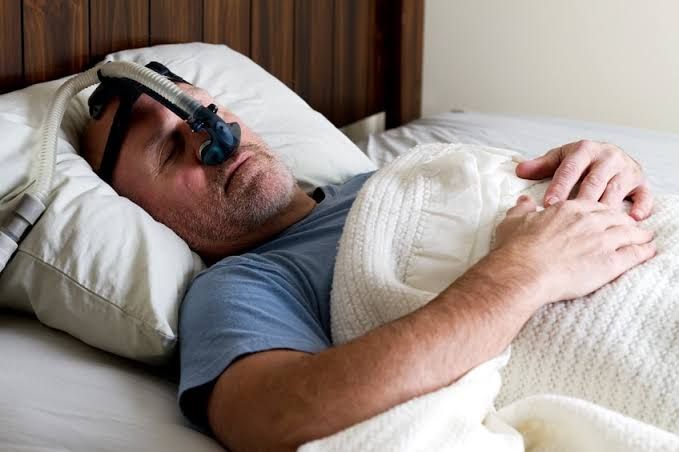
If you suspect that airway resistance and micro-arousals are sabotaging your recovery, there is no need to panic. At Team Mind Body Dan, we focus on empowering you with practical, actionable, and drug-free strategies to optimize your breathing mechanics. By taking proactive steps to keep your airway stable and monitoring your biometric trends, you can actively guide your body back into a state of deep, restorative rest.
Here are four of the most effective, lifestyle-first strategies for addressing rera sleep disruptions and upper airway resistance:
- Adopt Positional Sleep Therapy: Sleeping flat on your back is the absolute worst position for airway stability. Gravity pulls your tongue and soft palate backward, narrowing your throat and dramatically increasing the risk of RERAs. Transitioning to side-sleeping (using a body pillow to maintain the position) or elevating the head of your bed by 3 to 5 inches can use gravity to your advantage, keeping your airway naturally open.
- Prioritize Nasal Hygiene: Chronic nasal congestion forces you to breathe through your mouth. Mouth breathing alters the geometry of your airway, making it far more unstable and prone to collapse. Before bed, clear your nasal passages using a saline rinse, run a high-quality bedroom humidifier, or use gentle, drug-free nasal dilator strips to maximize nasal airflow.
- Practice Myofunctional Airway Exercises: The muscles of your tongue, throat, and airway can be strengthened just like any other muscle in your body. Simple daily exercises—such as sliding the tip of your tongue backward along the roof of your mouth, or holding your tongue firmly against the roof of your mouth for several minutes—can improve airway muscle tone, reducing nighttime collapse and mitigating the impact of rera sleep.
- Create a Screen-Free Wind-Down Ritual: A high-stress, screen-filled evening keeps your baseline nervous system in a state of sympathetic tension, making your brain far more reactive to subtle breathing shifts. Implement a 60-minute screen-free wind-down routine consisting of reading a physical book, taking a warm bath, or performing gentle diaphragmatic breathing to ease your body into a deep parasympathetic state before sleep.
Monitor Your Rest Without the Screen Distraction
If you are trying to resolve sleep fragmentation, the last thing you need is a heavy, glowing smartwatch buzzing on your wrist all night. The Herz P1 Smart Ring offers a beautifully simple, screen-free alternative.
- Ultra-Lightweight Titanium: So comfortable you’ll forget you’re wearing it.
- No Monthly Subscriptions: Buy once, access your recovery data forever.
- Precise Biometric Science: Tracks HRV, Sleep Stages, and provides an intuitive daily Recovery Score.
— Team Mind Body Dan Biometric Insights
By implementing these lifestyle changes, you can actively reduce the physical resistance in your airway. However, to truly know if these strategies are working, you must monitor your overnight recovery trends over time. Rather than relying on how you “feel” when your alarm goes off—which can be influenced by many temporary factors—looking at objective data-informed trends like your overnight HRV and deep sleep duration gives you a clear picture of your progress.
This is why we highly recommend a dedicated sleep-tracking routine. By keeping a quiet, screen-free wearable like the Herz P1 Smart Ring on your finger, you can easily monitor your sleep stage distribution and HRV baseline shifts. Over a few weeks, you should see your deep sleep stages lengthen, your overnight heart rate settle into a lower resting baseline, and your overall Recovery Score steadily rise. Reclaiming your energy does not have to be a guessing game. Armed with the right scientific insights and comfortable, distraction-free tools, you can actively take control of your rest and wake up feeling truly revitalized.
Disclaimer: Results may vary depending on individual physical activity levels, unique health conditions, and daily tracking patterns. The Herz P1 Smart Ring and the information provided by Team Mind Body Dan are intended solely for general wellness tracking and educational purposes. This device is not a medical device and is not designed to diagnose, treat, cure, or prevent any medical condition or sleep disorder, including obstructive sleep apnea or upper airway resistance syndrome. Always consult with a qualified healthcare professional before making any significant changes to your sleep, exercise, or health regimens.
