

Are Sleep Studies Covered by Insurance? Your Complete Guide to Coverage, At-Home Testing, and Recovery Tracking
If you find yourself lying awake at 3 AM with a racing mind, battling non-restorative sleep, or experiencing chronic brain fog, you may be wondering if you need professional diagnostic support. Understanding if are sleep studies covered by insurance is the first step toward reclaiming your restorative rest and optimizing daily physical recovery.
Take Back Your Sleep.
Take Back Your Life.
- Fall asleep faster & sleep deeper
- Stop waking up in the middle of the night
- Wake up refreshed & full of energy
- The Direct Answer: What determines if professional diagnostic sleep tests are covered by major health plans.
- Clinical Requirements: Demystifying deductible limits, prior authorizations, and referrals.
- At-Home vs. In-Lab: Exploring options like an at home sleep study covered by insurance.
- Tracking Alternatives: How screen-free biometric devices like the Herz P1 Smart Ring capture sleep stages (REM, Deep, Light) and Heart Rate Variability (HRV) without monthly subscription fees.
- Self-Assessment: Deciding whether you need a clinical medical evaluation or daily wellness tracking.
Are Sleep Studies Covered by Insurance? The Direct Answer and Coverage Requirements
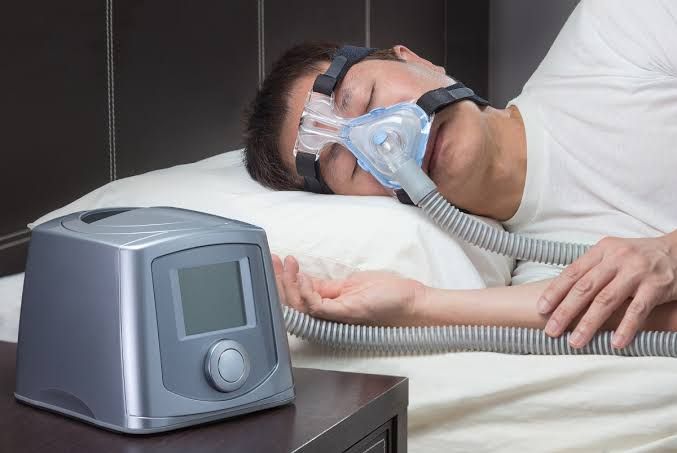
Yes, in most cases, professional clinical sleep studies are covered by health insurance policies—but strictly when deemed medically necessary. The short answer is that major providers, Medicare, and Medicaid typically provide partial or full coverage if you show documented symptoms of underlying conditions like obstructive sleep apnea or narcolepsy. However, to choose the right path for your health, you must understand the difference between diagnostic clinical tests and daily sleep wellness tracking.
If you are struggling with daily fatigue, asking “are sleep studies covered by insurance?” is incredibly common. For we at Team Mind Body Dan, helping you navigate this complex intersection of insurance policies and biometric tracking is central to our mission. If your healthcare provider suspects a clinical issue, they will usually recommend a clinical sleep study, also known as polysomnography. Many individuals ask, are sleep studies covered by insurance, after experiencing months of non-restorative rest, daytime exhaustion, or nighttime choking episodes.
To verify whether are sleep studies covered by insurance, you must first secure a clinical referral from your primary care physician. Insurance companies generally do not allow patients to self-refer for clinical diagnostics. Your doctor must document symptoms such as persistent snoring, observed apnea events, a high Epworth Sleepiness Scale score, or other signs indicating clinical sleep disturbances. When researching if are sleep studies covered by insurance, we must emphasize that policies rarely cover tests performed purely for general wellness tracking or biohacking purposes. While the short answer is yes, how are sleep studies covered by insurance depends heavily on your clinical symptoms and your plan’s specific deductible structures.
To determine if are sleep studies covered by insurance for your specific demographic, read your carrier’s policy carefully. If you are covered under Medicare Part B, clinical sleep studies are covered when ordered by a doctor to help confirm sleep-related breathing disorders. For private plans, whether HMO or PPO, prior authorization is almost universally required. If you bypass this step, you could find yourself personally responsible for bills ranging from $1,000 to over $3,000 for a single night in an in-lab clinical setting.
We often hear from clients who assume that are sleep studies covered by insurance implies zero out-of-pocket costs, which is rarely true due to deductibles and co-payments. If your annual deductible has not yet been met, you will likely pay a significant portion of the clinical study out of your own pocket. This financial reality makes it essential to look at alternative methods to monitor and track your baseline metrics over time before committing to a costly clinical trial, unless your symptoms are urgent and medically severe.
When to Use a Clinical Sleep Study vs. Daily Biometric Tracking
It is important to categorize your physical struggles correctly to determine if a full medical evaluation is truly what you need. Understanding when to use clinical diagnostic tools versus when to monitor your daily biometric trends will save you time, stress, and money.
- When to pursue a clinical sleep study: You should seek a doctor’s referral if you experience loud, disruptive snoring accompanied by gasping, choking, or pauses in breathing during the night. These are signs of potential obstructive sleep apnea, which requires professional medical management. If you struggle with sudden, uncontrollable daytime sleep attacks, severe Restless Legs Syndrome (RLS), or chronic parasomnias (like sleepwalking), a clinical in-lab polysomnogram is necessary.
- When to use daily biometric tracking: If your struggle is characterized by a racing mind at night, waking up at 3 AM unable to fall back asleep, general brain fog, or feeling unrefreshed despite sleeping eight hours, your issue is likely tied to sleep hygiene and recovery optimization. For these struggles, a clinical study may offer little actionable feedback. Instead, using a continuous tracking method allows you to analyze how your daily habits, late-night meals, stress levels, and light exposure affect your Sleep Stages (REM, Deep, Light) and your Heart Rate Variability (HRV).
For those whose symptoms do not meet medical criteria, the question of are sleep studies covered by insurance becomes less urgent than finding a reliable daily monitor. Many wellness enthusiasts find themselves wondering, are sleep studies covered by insurance, or is it better to purchase a consumer tracker? If your primary goal is to establish healthier sleep habits and understand why your body feels exhausted, a daily tracker is often the most practical, cost-effective, and actionable solution.
Instead of wearing a bulky smartwatch that glows in the dark and requires daily charging, we recommend screen-free, lightweight alternatives. The **Herz P1 Smart Ring** is an ideal solution. Made of premium, ultra-light titanium, it fits comfortably on your finger and collects medical-grade sleep and heart data throughout the night. It translates complex biometric algorithms into a simple Daily Recovery Score and tracks your sleep stages, all without any hidden monthly subscription fees. By monitoring your baseline continuously, you can implement positive lifestyle changes and see their direct impact on your recovery.
Clinical Coverage Frequently Asked Questions
Q1: What are the primary requirements for my sleep study to be covered?
To secure coverage, you must have a physician’s referral, a documented medical consultation proving clinical necessity, and prior authorization from your insurance provider. The study must be conducted by an accredited sleep center or using an approved clinical home testing device.
Q2: Does insurance cover in-lab sleep studies for insomnia?
Usually, no. Standard insomnia is primarily treated through behavioral therapies like CBT-I. Insurance carriers rarely cover expensive in-lab polysomnography for insomnia unless there is suspected sleep apnea or periodic limb movement disorder contributing to the condition.
Q3: What out-of-pocket costs should I anticipate even if covered?
You will likely be responsible for your standard co-insurance percentage (often 10% to 30%) and any remaining balance on your yearly deductible. It is highly recommended to call your insurer directly and ask for the cost-sharing details for code 95810 (Polysomnography).
At-Home Sleep Apnea Tests and Insurance Coverage Policies

As healthcare costs continue to rise, insurance companies are increasingly shifting their policies to emphasize at-home clinical testing over in-lab stays. This shift is highly beneficial for patients looking for convenience and comfort. If your primary symptom is chronic snoring or suspected airway blockages, an at home sleep study covered by insurance is often the first mandatory step before an insurer will even consider approving an in-lab polysomnogram.
Your physician can help confirm if an at home sleep apnea test covered by insurance is appropriate for your specific clinical presentation. These medical-grade home testing kits typically measure vital diagnostic markers, including blood oxygen levels (using a finger pulse oximeter), respiratory effort (using chest straps), and nasal airflow (using a cannula). While they are excellent at screening for obstructive sleep apnea, it is important to remember that these clinical home tests are single-use or limited-night diagnostic tools. They do not monitor your long-term sleep trends, and they certainly do not provide daily actionable insights to optimize your overall lifestyle.
As you research, are sleep studies covered by insurance, you will discover that home-based tests are favored by modern carriers. Insurance companies prefer home tests because they cost significantly less than an in-lab clinical sleep study. A clinical in-lab study requires a dedicated room, a physical technician to monitor you all night, and extensive equipment hookups. By contrast, an at-home clinical test allows you to sleep in your own bed, which reduces administrative costs. If you determine that are sleep studies covered by insurance under your current plan, you can proceed with confidence, knowing that home tests are usually approved quickly.
However, getting a medical-grade home test approved still requires you to meet strict requirements. The criteria for how are sleep studies covered by insurance generally focus on the severity of your sleep disturbances. If you only experience occasional fatigue, mild stress, or a racing mind at night, your insurance company will likely deny coverage for a medical-grade sleep test. This leaves many people stuck in a frustrating gap: they are clearly exhausted and suffering from poor sleep, but they do not qualify for clinical coverage, and they cannot afford a multi-thousand-dollar out-of-pocket medical bill.
Before committing to high clinical deductibles, clarify how are sleep studies covered by insurance by contacting your insurance coordinator directly. Ask them: “Will you cover an at-home clinical sleep apnea test? What is my share of the cost? If the test is negative, will you cover further evaluation?” Having these answers beforehand protects you from unexpected expenses.
— Team Mind Body Dan Wellness Researchers
By comparing how are sleep studies covered by insurance against the low cost of a smart ring, you can make an informed financial choice. For those who want to monitor their sleep trends without jumping through clinical hoops or paying high deductibles, a personal tracker is the perfect solution. It offers continuous, long-term tracking of your rest patterns and cardiovascular metrics, putting you back in control of your daily well-being.
Comparing Diagnostic Sleep Studies vs. Daily Biometric Tracking
While clinical tests monitor and help manage medical disorders, daily biometric tracking helps optimize your wellness style:
| Feature | Clinical Sleep Study | Daily Smart Ring Tracking |
|---|---|---|
| Primary Goal | Screen for clinical medical disorders (apnea, narcolepsy) | Monitor sleep stages, HRV trends, and daily recovery |
| Device Wearability | Bulky sensors, chest straps, nasal cannulas | Ultra-lightweight, comfortable titanium ring |
| Duration | Single-night snapshot | Continuous, multi-month baseline trends |
| Insurance Covered | Yes (if medically necessary, minus deductibles) | No (but highly affordable, subscription-free) |
Tracking Sleep and Heart Rate Variability Without the Clinical Overhead

Even if are sleep studies covered by insurance in your case, you may still face weeks of administrative delays, doctor appointments, and stressful insurance paperwork. This is incredibly frustrating when you are dealing with daily fatigue, a racing mind, and non-restorative sleep *right now*. Waiting weeks just to be told your symptoms aren’t “severe” enough for clinical coverage can feel deeply discouraging.
Understanding questions like are sleep studies covered by insurance allows you to evaluate your spending on healthcare. Knowing that are sleep studies covered by insurance options exist helps patients make smart diagnostic choices. To confirm if are sleep studies covered by insurance under your specific employer plan, consult your benefits documentation. Ultimately, whether are sleep studies covered by insurance or not, tracking your daily trends remains a vital tool for long-term health.
Fortunately, advances in biometric technology now allow us to gather high-quality data at home, without the clinical overhead. By tracking key biometrics like sleep stages (REM, Deep, Light) and Heart Rate Variability (HRV), you can easily see what is disrupting your rest. For example, if you wake up with brain fog, checking your deep sleep metrics might reveal you didn’t get enough restorative rest, even if you were in bed for eight hours. This actionable data helps you make simple adjustments, like changing your evening routine or avoiding screens before bed.
One of the most important metrics for tracking rest and stress is Heart Rate Variability (HRV). Controlled by your autonomic nervous system, HRV measures the variation in time between consecutive heartbeats. A high nocturnal HRV indicates your body is in an active recovery state (parasympathetic dominance), while a low HRV suggests stress, exhaustion, or overtraining (sympathetic dominance). By monitoring your sleep stages and HRV, you can easily identify how daily stress, a late-night meal, or a glass of wine impacts your body’s recovery.
Choosing the Right Tool: Smart Rings vs. Traditional Smartwatches
When it comes to tracking sleep, comfort is absolutely essential. Many people who try tracking their sleep with traditional smartwatches quickly run into operational issues:
- The Bulkiness Problem: Smartwatches are often heavy, bulky, and uncomfortable to wear in bed. The thick design can catch on your sheets or press into your wrist, which often ends up waking you up and disrupting your sleep even more.
- The Bright Screen Distraction: The glowing screens of smartwatches can turn on unexpectedly when you roll over, bathing your bedroom in bright light. If you are already struggling with a racing mind or trying to fall back asleep at 3 AM, this sudden light can trigger full alertness, making it much harder to drift back to sleep.
- The Daily Charging Hassle: Because most smartwatches have power-hungry screens and constant background processes, they require daily charging. If you forget to charge your watch during the day, it will likely run out of battery overnight, leaving you with frustrating gaps in your weekly sleep data.
- Subscription Fatigue: Many popular fitness trackers require a monthly subscription fee (typically $10 to $30) to access your own sleep and health metrics. Paying a recurring fee just to see your personal data can feel unfair and expensive.
To solve these issues, we recommend screen-free, subscription-free tracking methods. The **Herz P1 Smart Ring** offers an elegant, titanium design that sits comfortably on your finger all night. It has no screen to distract you, boasts excellent battery life, and translates complex biometric data into a simple Daily Recovery Score—completely free of monthly subscription fees. This allows you to monitor your sleep stages and HRV without any of the daily hassles of traditional smartwatches.
Embrace Screen-Free, Subscription-Free Sleep Optimization
Clinical diagnostics are essential for medical concerns, but optimizing your daily lifestyle habits shouldn’t require clunky equipment, glowing screens, or expensive monthly fees.
Discover the Herz P1 Smart Ring—elegant titanium comfort, medical-grade biometrics, and simple, actionable recovery scoring.
In conclusion, while clinical sleep studies are covered by insurance when medically necessary, they are designed to detect serious medical disorders, not to help you optimize your daily rest. For those looking to overcome daily fatigue, understand sleep stages, and improve physical recovery, continuous tracking with a comfortable, screen-free smart ring is an invaluable tool. By monitoring your baseline trends, you can easily identify what is affecting your sleep and make positive adjustments to reclaim your energy and well-being.
