

Modern wellness requires a deep understanding of your body’s hidden signals, and utilizing an advanced spo2 app is the ultimate gateway to decoding daily energy, sleep quality, and cardiovascular resilience. Many health conscious individuals struggle with overnight exhaustion and unexpected fatigue without realizing their arterial oxygen saturation levels are fluctuating during the night. The premium Herz P1 Smart Ring continuously tracks your blood oxygen, sleep architecture, and stress levels without a monthly subscription fee. This comprehensive guide will show you how to track, interpret, and optimize your blood oxygen metrics effortlessly.
Built to Last. Save Up to 69% Today.
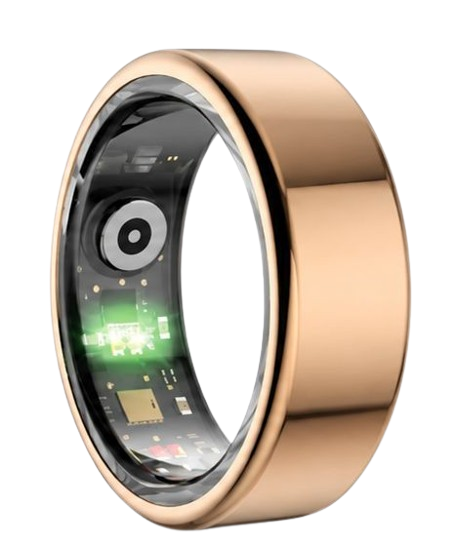
The Herz P1 Smart Ring tracks HRV, Sleep, Heart Rate & SpO2 around the clock. No subscriptions. No renewals. Ever.
In This Article
- The How-To Guide: A comprehensive, five-step guide detailing how to set up, track, and optimize your SpO2 levels.
- Expert Biometric Science: Deep diving into optical sensor light absorption technology and nighttime circulatory trends.
- Actionable Optimization Tips: Proven steps to read metrics and integrate breathing exercises to improve oxygen trends.
- Overcoming Systemic Pitfalls: Identifying tracking mistakes, bulky smartwatches, and avoiding subscription trap fees.
How to Track and Optimize Your Blood Oxygen Saturation: A Step-by-Step Guide

To accurately monitor your circulatory trends, you will need a reliable biometric device paired with a modern companion app.
Ensure your finger is clean, dry, and free of heavy lotions that might block optical sensors.
-
Step 1: Position Your Wearable Device for Optimal Sensing
Correct placement is essential when using a smart ring blood oxygen monitoring system.
Slide the ring onto your index or middle finger for the most consistent arterial pulse readings.
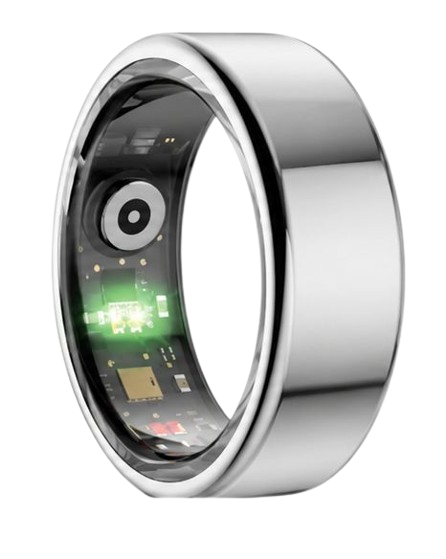
The device sensors must face downward toward the palm side of your hand to capture deep tissue blood flow.
Make sure the ring fits snugly without pinching or restricting your local blood circulation.
Avoid wearing the device on your pinky finger or thumb as these digits have different vascular patterns.
-
Step 2: Connect to Your Dedicated Companion App
Turn on your smartphone’s Bluetooth and open the paired health ring app.
Ensure your mobile device has a stable internet connection for the initial data sync.
Navigate to the device pairing screen and allow the app to discover your ring’s unique signal.
Keep the ring within three feet of your smartphone during this initial synchronization process.
Once connected, verify that the battery percentage is above twenty percent to guarantee uninterrupted background tracking.
-
Step 3: Establish a Baseline Nighttime SpO2 Reading
Wear your device continuously during your next three sleep cycles to establish a highly personal metric baseline.
Our bodies naturally experience minor desaturations during sleep, making a nighttime average crucial for accurate analysis.
Avoid drinking alcohol or taking heavy sedatives prior to bed during these baseline nights.
The built-in blood oxygen sensing technology will log measurements automatically every few minutes.
Review your dashboard each morning to understand your normal resting range.
-
Step 4: Identify Daily and Overnight SpO2 Variations
Check your tracking graphs daily to detect any structural sleep oxygen variation trends.
Look for any repeating drops in your oxygen levels that descend below the normal ninety-five percent threshold.
Note if these drops correlate with restless sleep phases or sudden spikes in your resting heart rate.
Modern algorithms will flag these events as potential breathing disruptions or signs of poor recovery.
Consistent overnight tracking is the easiest way to identify trends before they manifest as chronic physical fatigue.
-
Step 5: Implement Physical Adjustments to Improve Oxygenation
Adjusting your sleeping environment and sleeping style can directly improve your overnight oxygen intake.
Consult guides on the best sleep position to increase oxygen levels to optimize your airway path.
Elevating your head slightly with a supportive pillow can reduce physical obstruction in your upper airways.
Practice deep diaphragmatic breathing exercises for ten minutes before bed to expand your overall lung capacity.
You can also read clinical tips on how to increase blood oxygen levels through physical activity.
The Herz P1 Smart Ring seamlessly automates this entire process without requiring manual tracking adjustments.
With military-grade steel and a highly sensitive optical array, it works flawlessly with its companion app to log your SpO2, sleep stages, and heart rate variability around the clock.
If you want a subscription-free health companion that handles all the heavy lifting, explore the Herz P1 Smart Ring today.
The Science of Blood Oxygenation: How an Oxygen Sensor App Analyzes Your Biometrics

Demystifying Optical Sensors and Red/Infrared Light Absorption
Modern biometric rings utilize an advanced optical sensor technique known as photoplethysmography to track blood metrics.
Your blood cells carry oxygen bound to a vital iron-rich protein called hemoglobin.
Fully oxygenated blood behaves differently under specific wavelengths of light compared to deoxygenated blood.
The miniature oxygen sensor blood tracker emits both red light at sixty-six nanometers and infrared light at nine hundred and forty nanometers.
Oxygenated hemoglobin absorbs more infrared light, allowing the red light to pass through the tissues easily.
Conversely, deoxygenated hemoglobin absorbs more red light, which is captured by the photodiode receiver.
The high-performance oxygen sensor app calculates the ratio of this light absorption to determine your SpO2 percentage.
This optical calculation is executed thousands of times per second to deliver a reliable real-time saturation metric.
Academic research from the National Sleep Foundation indicates that consistent tracking helps identify chronic systemic issues early.
Team Herz P1 engineered our ring with medical-grade optical components to ensure a tiny margin of error under two percent.
This degree of accuracy allows you to monitor subtle respiratory trends directly from your palm-side digital dashboard.
Sleep Oxygen Dynamics and Circulatory Trends
During sleep, your nervous system shifts into a restorative parasympathetic state to facilitate deep physical healing.
However, physical obstacles or underlying health factors can cause temporary drops in your arterial oxygen saturation levels.
Your dedicated o2 sensor app serves as a silent guardian during these crucial hours of rest.
When oxygen levels drop below ninety-five percent, your brain must work harder to signal respiratory corrections.
This physiological burden can lead to fragmented sleep architecture, robbing you of vital REM and deep sleep cycles.
Frequent drops in oxygen can also be identified through advanced hypoxia desaturation tracking dashboards.
By reviewing these trends, you can make lifestyle changes to avoid chronic daytime exhaustion and morning headaches.
The American Heart Association emphasizes that chronic low oxygen levels during sleep place a massive strain on your cardiovascular system.
Using a comfortable sleep apnea ring can help you gather the precise data you need to discuss with a certified physician.
Team Herz P1 offers a streamlined alternative to bulky wristbands to make overnight tracking completely effortless.
Our lightweight ring ensures you never have to choose between clinical-grade data collection and actual physical comfort.
Analyzing SpO2 Fluctuations and Recognizing Key Sleep Quality Metrics
Understanding Normal vs. Unusual Blood Oxygen Saturation Trends
A high-quality spo2 app does more than display static percentages on your smartphone screen.
It helps you analyze the complex relationship between your respiratory health, circulatory systems, and sleep phases.
Normal blood oxygen levels generally fluctuate between ninety-five and one hundred percent during a typical day.
If your levels dip below ninety percent, your body may be struggling with physical airway obstructions or shallow breathing patterns.
These drops can cause your heart rate to spike suddenly as your heart works faster to distribute remaining oxygen.
By tracking these metrics side-by-side, you can pinpoint the exact triggers of your overnight tossing and turning.
Many busy professionals experience silent desaturations due to stress, bad sleep postures, or seasonal congestion.
The companion dashboard allows you to map these desaturations against your heart rate variability and deep sleep duration.
This multi-parametric approach turns raw numbers into a clear story of your body’s recovery state.
Analyzing these daily metrics helps you adjust your sleep schedule and physical habits with absolute confidence.
Team Herz P1 provides a clean, highly intuitive interface that translates complex medical parameters into actionable daily scores.
You can view your weekly trends to check if your new breathing exercises or sleeping positions are actively working.
Practical Application Guide: Optimizing Sleep and Performance with the Herz P1
Tracking your biometrics is only the first step toward achieving optimal wellness.
To truly elevate your daily energy, you must learn to apply your biometric data to your everyday lifestyle choices.
Begin by checking your overnight recovery score immediately after waking up each morning.
If your average SpO2 was low and your stress index was high, consider reducing your workout intensity for that day.
This proactive approach prevents overtraining and protects your cardiovascular system from excessive physical strain.
Use the data to test different sleeping environments, such as adjusting room temperatures or using air purifiers.
You will quickly see how minor environmental changes can drastically reduce overnight desaturation events.
The Herz P1 is designed for all-day wear, meaning it tracks your body’s stress response during hectic work hours too.
If you notice a sharp rise in stress levels, take a five-minute break to practice deep diaphragmatic breathing.
This simple habit can immediately stabilize your blood oxygen levels and lower your resting heart rate.
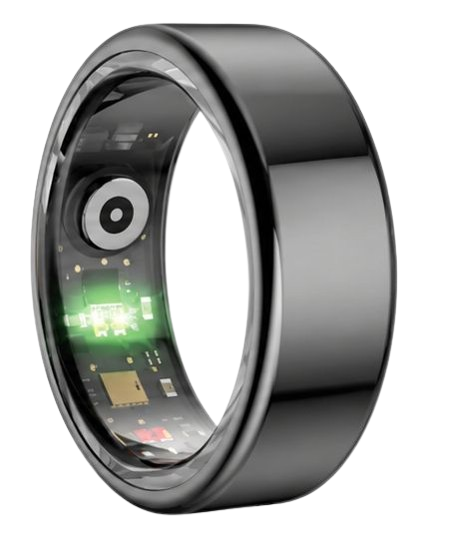
Our military-grade ring is so lightweight and comfortable that you will easily forget you are wearing it.
This seamless integration into your daily life ensures consistent, uninterrupted data collection for years to come.
Overcoming Risks, Measurement Mistakes, and Hidden Subscription Fees
Many consumers invest in smart wearables only to abandon them within the first few weeks.
One major reason is the physical discomfort of wearing a heavy, bulky smartwatch to sleep.
These large wristbands can pinch your skin and disrupt your natural sleeping positions.
Furthermore, standard watches often suffer from motion artifacts, resulting in inaccurate blood oxygen logs.
Another common frustration is the sudden discovery of hidden monthly app subscription fees.
Some popular brands lock your sleep reports and health trends behind expensive paywalls.
We believe your personal biometrics should never require a paid subscription to access.
The Herz P1 companion app is entirely free for your lifetime, ensuring complete transparency.
By choosing a sleek, screen-free smart ring, you eliminate charging anxiety and wrist discomfort.
This allows you to focus purely on your wellness journey without annoying distraction alerts.
The combination of military-grade steel and lifetime app access makes the Herz P1 an incredibly smart investment.
Enjoy the peace of mind that comes with a device designed for raw performance and absolute durability.
Frequently Asked Questions (FAQ)
Is the Herz P1 Smart Ring waterproof?
Yes, the Herz P1 is fully certified with an IP68 waterproof rating.
This means it is safe for swimming, showering, and submersion in water up to one hundred and sixty-four feet deep.
You can wear it during open-water swims or daily chores without worrying about damaging the internal optical sensors.
How long does the Herz P1 battery last on a single charge?
The high-performance battery delivers a full six days of continuous health tracking.
It requires less than one hour of magnetic charging to reach a complete one hundred percent capacity.
This quick-charging capacity ensures you never miss a critical night of sleep tracking.
Which finger is best to wear the smart ring on?
The index, middle, or ring fingers are the most optimal choices for tracking.
We recommend your non-dominant hand to minimize daily friction and superficial sensor scratches.
Ensure the inner optical sensor bumps sit directly against the underside of your chosen finger.
Does the Herz P1 store health data offline?
Yes, the ring features seven days of highly secure local memory storage.
You can travel or sleep without your smartphone nearby, and your metrics will remain safely stored.
All logged biometrics will sync automatically to the companion app once Bluetooth is reconnected.
90-Day 100% Money-Back Guarantee
“The Herz Smart Ring helps me manage stress easily. It’s accurate, stylish, and lightweight—perfect for my busy life!”
— Jennifer P. | ✔ Verified Customer
- ✓ 6-Day Battery Life
- ✓ Detailed Sleep Analysis
- ✓ Fast 1-Hour Charging
- ✓ iOS & Android Ready
Questions? Call: 1-866-479-1629
Conclusion: Your Subscription-Free Wellness Journey Starts Here
Your blood oxygen data holds the key to uncovering hidden sleep disruptions and physical exhaustion.
By monitoring daily metrics with the correct digital tools, you can actively optimize your long-term vitality.
Ready to monitor your health every day? Explore the Herz P1 Smart Ring and see if it fits your lifestyle. Call: 1-866-479-1629 — our team can help you advise on the correct ring size and set personalized health goals.
