

Do you toss and turn for hours before finally drifting off to sleep, or do you black out the moment your head hits the pillow? Understanding the clinical sleep latency definition is the first step to unlocking your body’s true recovery patterns. We at Team Herz P1 designed the Herz P1 smart ring to decode these critical biological signals without bulky hardware or monthly fees, helping you optimize exactly how long to fall asleep so you can wake up energized every single day.
Built to Last. Save Up to 69% Today.
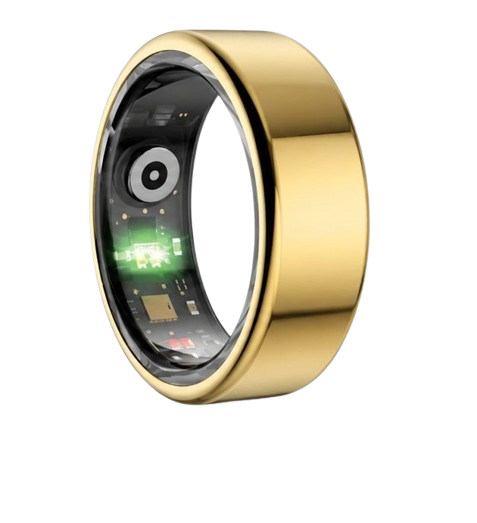
The Herz P1 Smart Ring tracks HRV, Sleep, Heart Rate & SpO2 around the clock. No subscriptions. No renewals. Ever.
In This Article
- Step-by-Step Latency Management: Learn how to adjust your biological clock to fall asleep within the optimal scientific window.
- The Science of Sleep Latency: Understand normal physiological ranges and what your daily tracking metrics actually reveal.
- Practical Biometric Tracking: Learn to read sleep stages and heart rate variability to make data-backed lifestyle adjustments.
- Overcoming Smartwatch Fatigue: Discover why comfortable, lightweight smart ring hardware outlasts bulky watches for bedtime tracking.
How to Optimize Your Sleep Onset Latency: A Step-by-Step Guide
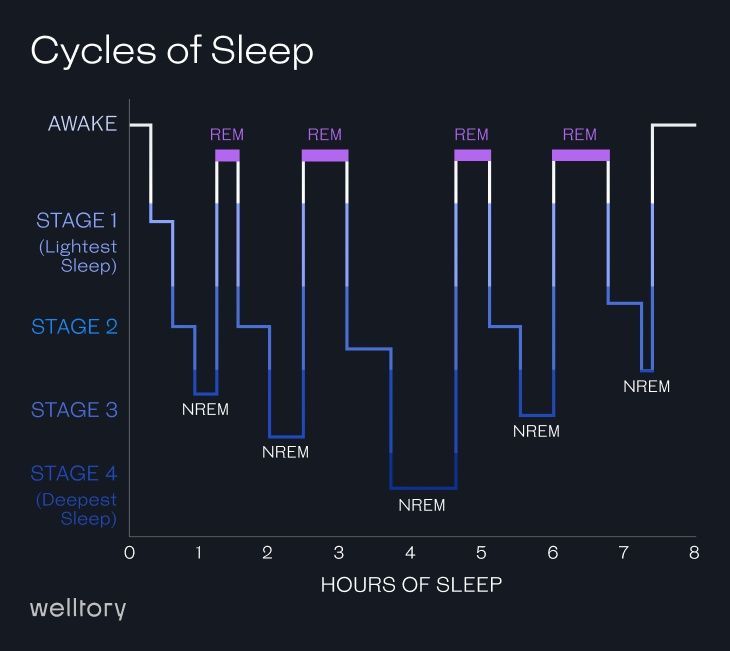
To successfully optimize your sleep onset metrics, you will need a reliable biometric tracker and a consistent sleep window.
Before starting, ensure you have a quiet, dark bedroom environment set between 65 and 68 degrees Fahrenheit.
Gathering accurate baseline data is critical to monitoring your physiological progress over the next thirty days.
-
Step 1: Track Your Baseline Metrics
Wear your sleep tracker consistently for seven consecutive nights without changing your current evening routines.
Note the exact timestamp when you get into bed and compare it to when your device registers sleep onset.
This diagnostic baseline will help you understand your current latency sleep definition trends.
Avoid viewing your sleep scores immediately if they cause you psychological anxiety before bed.
Consistent tracking over a full week accounts for daily variations in physical activity and occupational stress.
-
Step 2: Align Your Circadian Rhythm
Wake up at the exact same time every morning, including on weekends, to lock in your master biological clock.
Expose your eyes to bright natural sunlight within thirty minutes of waking for at least ten to fifteen minutes.
This simple practice suppresses daytime melatonin production and sets an internal timer for evening sleepiness.
Consistently doing this will help determine how long should it take to fall asleep naturally.
Over time, your body will expect sleep at the same hour each night, naturally lowering your transition times.
-
Step 3: Engineer a Stimulus-Free Wind-Down Protocol
Eliminate all bright screens and blue light sources at least sixty minutes before your target bedtime.
Blue light exposure tricks your brain into thinking it is daytime, delaying natural melatonin release.
Replace screen time with low-stimulation activities like reading physical books or gentle stretching.
This preparation phase transitions your autonomic nervous system from sympathetic dominance to parasympathetic recovery.
A calm nervous system is highly effective at reducing the time it takes to drift into deep sleep.
-
Step 4: Manage Your Cognitive Sleep Debt
Use a dedicated sleep debt tracker app to measure your accumulated sleep deficit over the past week.
Calculate your exact sleep numbers to learn how to calculate sleep debt without guesswork.
Avoid the temptation of sleeping in excessively on weekends to make up for lost rest.
Instead, address sleep debt with short, controlled twenty-minute naps in the early afternoon.
Understanding this balance answers the critical question: can you catch up on sleep effectively.
-
Step 5: Review Weekly Wearable Sleep Trends
Analyze your weekly sleep graphs to find patterns between your daily stress levels and sleep latency.
Identify any anomalies, such as late-night meals or heavy alcohol consumption, that delay your sleep onset.
Adjust your bedtime habits incrementally by ten to fifteen minutes until you reach your optimal range.
Consistent tracking allows you to make data-backed lifestyle changes rather than relying on guesswork.
Always prioritize consistency over rapid changes to allow your biology to adapt naturally.
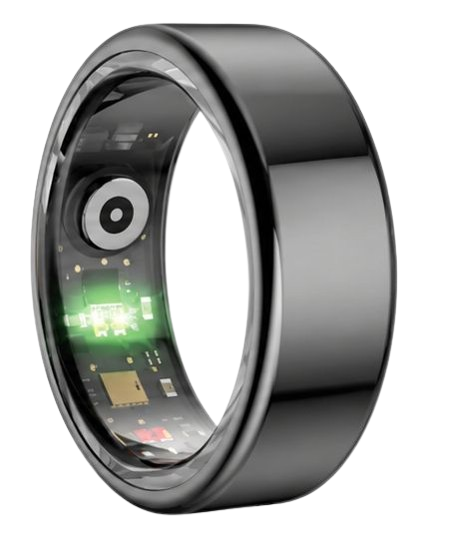
Our team at Herz P1 engineered the Herz P1 Smart Ring to make this optimization process entirely seamless.
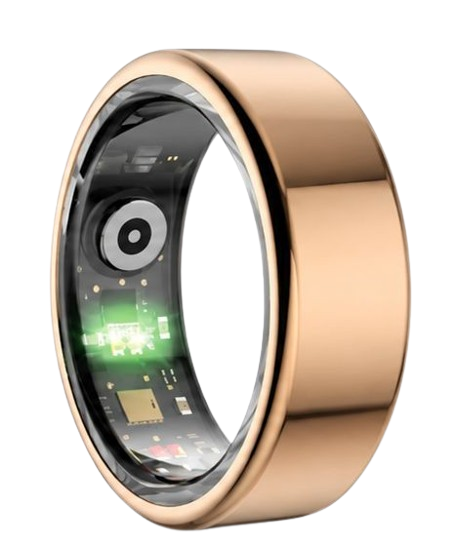
With its lightweight, military-grade steel frame, you can track your sleep stages 24/7 in absolute comfort.
The Herz P1 companion app logs your precise sleep cycles automatically, giving you lifetime access to your metrics without any monthly fees.
Learn more about our advanced tracking technology and find your perfect fit today at our Herz P1 Checkout.
90-Day 100% Money-Back Guarantee
“The Herz Smart Ring helps me manage stress easily. It’s accurate, stylish, and lightweight—perfect for my busy life!”
— Jennifer P. | ✔ Verified Customer
- ✓ 6-Day Battery Life
- ✓ Detailed Sleep Analysis
- ✓ Fast 1-Hour Charging
- ✓ iOS & Android Ready
Questions? Call: 1-866-479-1629
Expert Deep-Dive: Defining Sleep Onset Latency and Biometric Science
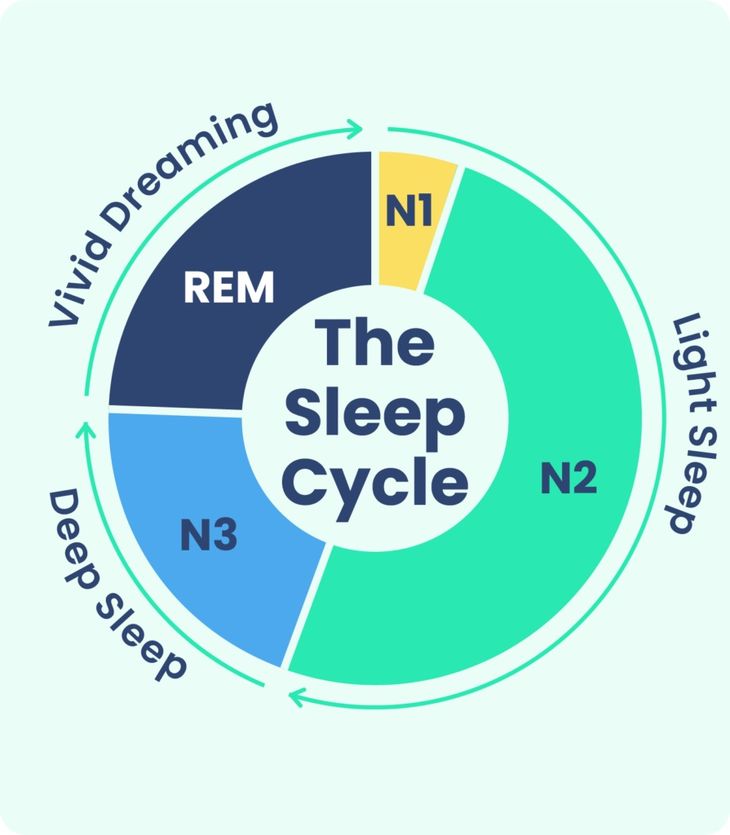
What does the sleep latency definition actually encompass in clinical sleep medicine?
In professional sleep diagnostics, sleep onset latency (SOL) is defined as the exact amount of time it takes to transition from full wakefulness to the earliest stage of non-rapid eye movement (NREM) sleep.
Clinicians measure this metric using polysomnography, which tracks brainwave activity, eye movements, and muscle tone.
To simplify, understanding what your sleep latency means helps you gauge your overall sleep efficiency.
According to the National Sleep Foundation, a normal sleep latency window ranges strictly between ten and twenty minutes.
Falling asleep in less than five minutes is often a clinical sign of severe sleep deprivation or chronic exhaustion.
Conversely, taking longer than thirty minutes to fall asleep is classified as delayed sleep latency, which is often linked to hyperarousal or insomnia.
The table below outlines the physiological meanings behind different sleep latency ranges.
| Latency Range (Minutes) | Clinical Classification | Physiological Indication |
|---|---|---|
| 0 to 5 Minutes | Hypo-latency (Very Short) | Severe sleep debt, physical exhaustion, or potential sleep disorders. |
| 10 to 20 Minutes | Normal Latency | Healthy circadian alignment, balanced nervous system, and optimal recovery. |
| 20 to 30 Minutes | Mildly Delayed Latency | Mild cognitive stress, environmental light interference, or late-day caffeine. |
| 30+ Minutes | Hyper-latency (Prolonged) | Chronic hyperarousal, insomnia, high cortisol levels, or poor sleep hygiene. |
The Physiology of Rapid vs. Delayed Sleep Onset
Understanding the chemical changes in your brain during sleep onset is crucial for managing your recovery.
As evening approaches, your brain naturally accumulates adenosine, a neurotransmitter that builds up during waking hours.
This accumulation creates what scientists call homeostatic sleep pressure, making you feel physically tired.
At the same time, your pineal gland releases melatonin in response to fading environmental light.
If your cortisol levels remain high due to psychological stress, it directly blocks melatonin release.
This chemical conflict keeps your autonomic nervous system in a state of high alert.
As a result, your heart rate remains elevated, and your core body temperature fails to drop.
This physiological state explains why many stressed individuals struggle with prolonged sleep latency.
Monitoring these nervous system transitions is the key to identifying recovery bottlenecks.
A balanced nervous system allows your body to drop its temperature, lowering heart rate and initiating sleep smoothly.
How Multispectral PPG Sensors Track the Transition to Sleep
Modern wearable devices utilize photoplethysmography (PPG) sensors to monitor your physiological changes.
These optical sensors emit light into the capillaries of your skin to track blood volume variations.
The capillaries in your fingers are highly vascularized, providing a much cleaner signal than your wrist.
As you prepare for sleep, your peripheral blood vessels dilate to release internal body heat.
Your heart rate begins to drop, and your heart rate variability (HRV) starts to increase.
Our Team Herz P1 designed the optical array to capture these subtle shifts every few seconds.
By analyzing the precise pulse wave amplitude, the ring detects the exact moment your body enters stage one sleep.
This level of data accuracy ensures your daily sleep scores are highly reliable.
You get clinical-grade sleep insights without needing to sleep in an uncomfortable laboratory environment.
Reliable tracking means you can see the immediate impact of your evening habits on your recovery.
Practical Application Guide: Navigating Sleep Cycles with Herz P1

Tracking your biometrics is only useful if you know how to apply the data to your daily life.
When you open the Herz P1 companion app, look closely at your sleep latency score and your nightly HRV trends.
A high HRV score paired with a normal sleep latency indicates that your body is recovering efficiently.
If your sleep latency is consistently high, try moving your dinner time to at least three hours before bed.
Digesting heavy food late at night raises your core temperature and delays sleep onset.
You can also use your daily activity data to balance your physical workouts.
Engaging in moderate aerobic exercise early in the day is proven to shorten evening sleep latency.
Avoid high-intensity training within four hours of your bedtime to prevent cortisol spikes.
The Herz P1 Smart Ring fits comfortably on your finger, allowing you to monitor these shifts around the clock.
Its sleek design ensures you never have to choose between functional data and personal style.
Decoding HRV and Autonomic Nervous System Sleep Signals
Your heart rate variability is one of the most reliable markers of your nervous system state.
When you are relaxed, your parasympathetic nervous system is active, resulting in a higher HRV score.
During periods of chronic stress, your sympathetic nervous system takes over, causing your HRV to drop.
By tracking your HRV throughout the night, the Herz P1 ring maps your neurological recovery.
A sudden drop in your nightly HRV average can warn you of oncoming physical fatigue.
It can also indicate that your brain is struggling to transition through the deeper stages of sleep.
Paying attention to these subtle warning signs helps you make smarter lifestyle choices.
You can adjust your training intensity or prioritize relaxation before your body becomes exhausted.
This proactive approach to wellness is what elevates your overall quality of life.
Understanding these signals helps you build a highly personalized recovery routine.
Overcoming Risks and Smartwatch Fatigue
Many health-conscious individuals make the mistake of wearing bulky smartwatches to bed.
These heavy devices can easily pinch your skin or wake you up when you turn over in your sleep.
This physical discomfort directly interferes with your sleep quality and artificially inflates your sleep latency.
Additionally, many popular fitness trackers lock your personal biometric data behind expensive monthly paywalls.
Our team believes that you should never have to pay a subscription fee to access your own health data.
We crafted the Herz P1 from military-grade steel to provide a highly durable, lightweight alternative.
The ring weighs just a few grams and sits comfortably on your finger without causing skin irritation.
Our companion app is completely free for lifetime use, saving you hundreds of dollars in hidden fees.
You get access to continuous SpO2 monitoring, detailed sleep cycle analysis, and heart rate tracking with zero monthly payments.
This combination of durability, comfort, and transparency makes the Herz P1 the ultimate wellness companion.
By choosing a ring over a watch, you secure better data accuracy and a completely undisturbed night of rest.
Frequently Asked Questions About Sleep and Herz P1
Is the Herz P1 Smart Ring waterproof?
Yes, the Herz P1 features a rugged, certified IP68 waterproof rating.
It is completely protected against dust and water submersion up to 164 feet.
You can confidently wear it while washing your hands, showering, or swimming in the pool.
How long does the battery last on a single charge?
The Herz P1 battery lasts up to six days of continuous, round-the-clock tracking.
It charges incredibly fast, reaching a full charge from zero in under one hour.
You do not have to worry about daily charging interruptions.
Which finger is best to wear the smart ring on?
We recommend wearing the ring on your index, middle, or ring finger for the most accurate sensor readings.
Ensure the ring fits snugly but comfortably without rotating too easily.
The non-dominant hand is often preferred to reduce daily wear and tear.
Does the ring store biometric data offline?
Yes, the Herz P1 has built-in offline memory that stores up to seven days of local biometric data.
You do not need to keep your smartphone nearby or connected to Bluetooth constantly.
The ring will automatically sync all stored data to the app the next time it connects.
Conclusion
Optimizing your sleep onset latency is a proven way to elevate your daily energy and physical recovery.
The Herz P1 Smart Ring offers the perfect subscription-free tool to track and improve these vital metrics.
Ready to monitor your health every day?
Explore the Herz P1 Smart Ring and see if it fits your lifestyle.
Call: 1-866-479-1629 — our team can help you advise on the correct ring size and set personalized health goals.
Note: Individual results may vary depending on individual health conditions, age, and lifestyle habits. This article is intended for general health reference purposes only.
