

Understanding the true orthosomnia meaning is the first step toward reclaiming your natural rest when modern sleep tracking technology begins to trigger nighttime anxiety. If your pursuit of a perfect sleep score has transformed your bedroom into a stress-inducing data center, exploring a low-profile, non-intrusive alternative like the Herz P1 can help you break the cycle of sleep-tracker tension and restore mindful, restorative sleep without ongoing subscription fees.
Built to Last. Save Up to 69% Today.
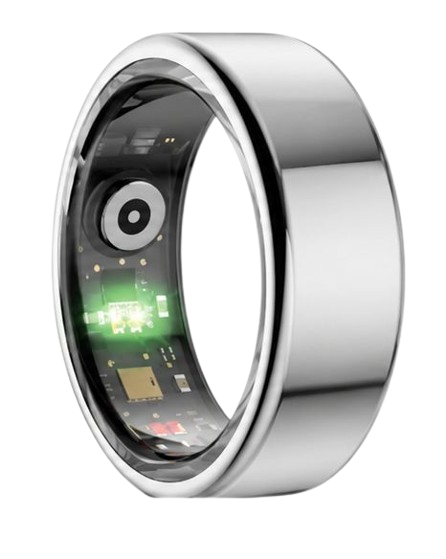
The Herz P1 Smart Ring tracks HRV, Sleep, Heart Rate & SpO2 around the clock. No subscriptions. No renewals. Ever.
In This Article
- The True Meaning of Orthosomnia: Exploring the psychological mechanisms behind tracker-induced sleep anxiety.
- How Wearables Trigger Nighttime Hyperarousal: Understanding the mismatch between user expectations and biometric device accuracy.
- Decoupling Stress and Sleep Science: Unpacking the physiology of sleep architecture, heart rate variability, and blood oxygen tracking.
- Reclaiming Healthy Sleep Habits: Actionable steps to transition from obsessive metrics-chasing to intuitive, restful recovery.
- Passive Tracking with Herz P1: Finding a lightweight, screen-free alternative to bulky, vibrating smartwatches.
What is Orthosomnia? The 5W2H Breakdown of Sleep Tracker Anxiety
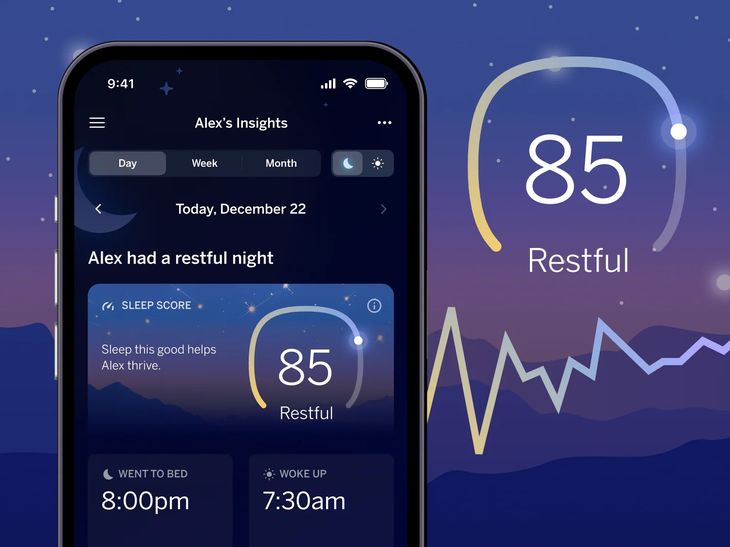
The term “orthosomnia” refers to an obsessive pursuit of optimal sleep metrics driven by wearable tracking devices.
Coined by sleep researchers in a landmark 2017 study published in the Journal of Clinical Sleep Medicine, it represents a modern psychological paradox.
Understanding the exact orthosomnia meaning requires looking closely at how daily sleep monitoring can backfire on anxious individuals.
Instead of helping you rest, consumer tracking technology can generate a persistent cycle of nighttime performance anxiety.
Let us break down this condition using the structured 5W2H framework to provide clear clinical and behavioral context:
- What: Orthosomnia is a non-clinical condition where users develop an unhealthy preoccupation with improving their wearable sleep metrics.
- Who: It primarily affects tech-savvy professionals, biohackers, and perfectionists who are highly motivated to optimize their daily recovery but are prone to stress.
- When: The anxiety typically begins in the evening as bedtime approaches, fueled by a fear of seeing a poor sleep score the following morning.
- Where: It occurs in the bedroom environment, transforming a sanctuary of rest into a mental laboratory of performance evaluation.
- Why: The condition is triggered by the natural human tendency to overanalyze digital feedback, leading users to value algorithms over their own physical sensations.
- How: Looking at a disappointing sleep report causes the brain to release stress hormones like cortisol and adrenaline, which raises your heart rate and directly prevents your body from entering deep, restorative sleep.
- How Much: Clinical surveys show that up to forty percent of daily wearable users report feeling anxious about their sleep scores, with some spending hours trying to correct minor statistical deviations.
According to research supported by the National Sleep Foundation, healthy sleep is an involuntary biological process that cannot be forced through sheer willpower.
When you worry about your sleep metrics, you inadvertently trigger your autonomic nervous system’s “fight-or-flight” response, which defeats the purpose of monitoring your rest in the first place.
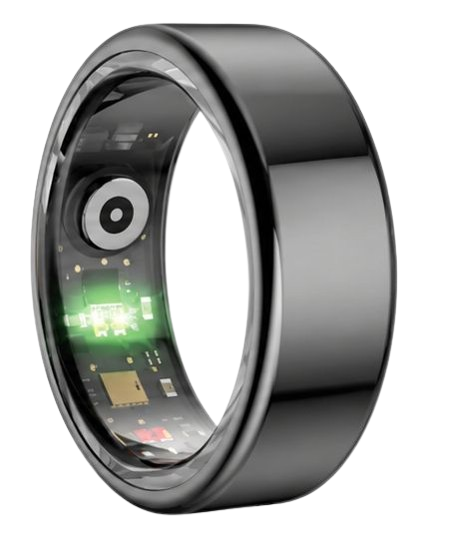
If you want to track your recovery trends in real time without the screen glare or constant vibration of a smartwatch, the subscription-free Herz P1 Smart Ring monitors your vitals passively—explore it here.
90-Day 100% Money-Back Guarantee
“The Herz Smart Ring helps me manage stress easily. It’s accurate, stylish, and lightweight—perfect for my busy life!”
— Jennifer P. | ✔ Verified Customer
- ✓ 6-Day Battery Life
- ✓ Detailed Sleep Analysis
- ✓ Fast 1-Hour Charging
- ✓ iOS & Android Ready
Questions? Call: 1-866-479-1629
How Modern Wearables Fuel the Orthosomnia Cycle

Most commercial sleep trackers rely on photoplethysmography (PPG) sensors to monitor your heart rate, movement, and blood oxygen levels.
While these sensors are excellent for detecting overall physiological trends, they cannot read brain waves directly.
Clinical sleep staging can only be performed using polysomnography (PSG) in a controlled laboratory setting.
PSG monitors electrical brain activity, eye movements, and muscle tone to map out deep and REM cycles accurately.
When a consumer device tries to estimate these complex stages using movement alone, it can lead to noticeable discrepancies.
For example, if you lie perfectly still in bed while awake, your tracker may log that quiet wakefulness as deep sleep.
Conversely, if you experience light, restless dreaming during REM sleep, your device might mistake those small movements for being awake.
When you wake up feeling fully refreshed but your device reports a poor recovery score, a mental conflict arises.
If you begin to believe the device over your own physical feelings, you start to build bad sleep habits based on inaccurate data.
This pattern of constantly checking your device can lead to significant daytime stress and sleep disruption.
The Problem with High-Stakes Sleep Scores
Many consumer wearable apps use complex scoring systems that rank your sleep quality from 0 to 100.
These scores can make sleep feel like a competitive sport or a daily test you need to pass.
If you wake up, see a score of 52, and immediately worry, your body reacts by releasing cortisol.
This cortisol spike raises your resting heart rate and lowers your heart rate variability (HRV) for the day.
The resulting stress makes it harder to unwind that evening, which creates a negative feedback loop.
Understanding how your sleep latency means your body is reacting to stress can help you recognize when you are trying too hard to fall asleep.
Our team at Herz P1 believes sleep tracking should be a supportive, background process, not an active source of daily stress.
Decoupling Sleep Data from Performance Stress: The Passive Monitoring Solution

The key to overcoming orthosomnia is shifting your perspective from micro-managing individual nights to observing long-term biometric trends.
Your body’s recovery is dynamic and changes based on diet, activity levels, temperature, and environmental factors.
A single night of disrupted deep sleep is a normal physiological occurrence, not a health crisis.
By focusing on weekly averages rather than daily scores, you can reduce your immediate sleep anxiety.
Clinical data from the American Heart Association confirms that tracking cardiovascular trends over time is much more valuable than analyzing individual data points.
When you monitor metrics like resting heart rate and heart rate variability (HRV) over several weeks, you get a clearer picture of your autonomic nervous system’s health.
This long-term trend analysis helps you identify lifestyle patterns that genuinely support your recovery.
Rather than wearing a bulky smartwatch that vibrates and displays glowing notifications throughout the night, many users find relief in a screen-free sleep analysis ring.
This passive design allows you to collect highly accurate, multi-wavelength PPG data without constant digital interruptions.
Understanding HRV and Overnight SpO2 Trends
Two of the most useful biometrics for tracking recovery are heart rate variability (HRV) and blood oxygen saturation (SpO2).
HRV measures the tiny variations in time between consecutive heartbeats, reflecting the balance of your nervous system.
A higher overnight HRV average generally suggests your body is resting and recovering well.
SpO2 monitoring tracks your oxygen levels during sleep, which can help highlight potential breathing issues.
If you suspect your tracking routine is starting to impact your peace of mind, learning how to manage anxiety with smart rings can help you use your device as a supportive tool rather than a source of stress.
By keeping your tracker’s screen out of sight in the bedroom, you can focus on how your body actually feels.
How to Reclaim Your Rest: Practical Strategies and Mindset Shifts
If you are struggling with orthosomnia, you can start using a few simple, practical changes to break the cycle of tracker-induced anxiety.
The first step is to avoid looking at your sleep data immediately after waking up.
Instead, take a few minutes to tune into your body and assess your energy levels naturally.
Ask yourself: Do I feel rested? Are my muscles recovered? Do I feel alert?
If you feel good, that internal physical feedback is far more important than any calculated daily score.
The second strategy is to establish a clear boundary with your tracking technology.
Consider turning off all real-time sleep notifications on your smartphone.
You can also limit your data reviews to once or twice a week, rather than checking the app every morning.
This simple shift helps retrain your brain to view sleep as a natural, restorative process rather than a daily performance review.
Using a dedicated sleep debt tracker app can also help you focus on cumulative rest patterns rather than worrying about a single disrupted night.
Additionally, learning how to stop overthinking at night can help you quiet a restless mind before bed, making it easier to fall asleep naturally.
To help you compare the differences between clinical sleep tracking and consumer-grade wearable data, we have compiled a clear reference table below:
| Tracking Parameter | Clinical Polysomnography (PSG) | Consumer Smart Rings (like Herz P1) |
|---|---|---|
| Primary Measurement Method | Electroencephalography (EEG) brain wave monitoring | Multi-wavelength Photoplethysmography (PPG) & motion tracking |
| Data Purpose | Diagnosing clinical sleep conditions and medical evaluation | Tracking long-term behavioral trends and lifestyle recovery indicators |
| Device Comfort Level | Requires multiple wired electrodes and a clinical environment | A lightweight, wireless ring designed for continuous 24/7 wear |
| Ongoing User Cost | High clinical diagnostic fees per session | One-time hardware purchase with zero monthly subscription fees |
Sizing, Comfort, and Overcoming Common Tracking Pitfalls
A common issue with modern sleep tracking is the physical discomfort of wearing large, heavy smartwatches to bed.
Many smartwatches are bulky, trap heat against the skin, and have screens that can light up unexpectedly during the night.
These disruptions can wake you up and directly interfere with your sleep architecture.
Additionally, many wearable brands charge ongoing monthly subscription fees to access your health data, adding financial stress to your wellness routine.
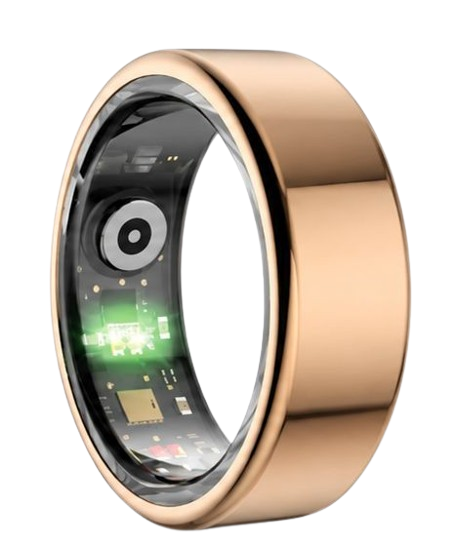
The Herz P1 Smart Ring is designed as a lightweight, unobtrusive alternative for continuous, comfortable wear.
Constructed with highly durable military-grade steel, it fits comfortably on your finger and operates completely silently in the background.
Weighing only 3.5 grams, it provides continuous PPG monitoring without flashing screens or vibrating alerts.
Best of all, the Herz P1 app is entirely free for life, so you can track your health trends without worrying about monthly subscription fees.
By using a dedicated smart ring for stress management, you can monitor your recovery trends passively and focus on building simple, healthy habits.
Frequently Asked Questions About Sleep Trackers and Orthosomnia
Conclusion
Reclaiming a healthy relationship with sleep means letting go of the constant need to analyze daily metrics.
By shifting your focus to long-term trends, you can easily turn wellness tracking back into a positive experience.
Ready to monitor your health every day? Explore the Herz P1 Smart Ring and see if it fits your lifestyle. Call: 1-866-479-1629 — our team can help you advise on the correct ring size and set personalized health goals.
Note: Individual results may vary depending on individual health conditions, age, and lifestyle habits. This article is intended for general health reference purposes only.
