

If you struggle with revenge bedtime procrastination adhd can make winding down feel like an uphill battle, but tracking your body’s biometric signals with the Herz P1 can help you reclaim your nights. Based on clinical sleep data, understanding your personal stress levels and physiological recovery cycles is the first step toward breaking destructive behavioral routines. Let us explore the scientific steps to stop sleep procrastination and wake up feeling fully restored every day.
Built to Last. Save Up to 69% Today.
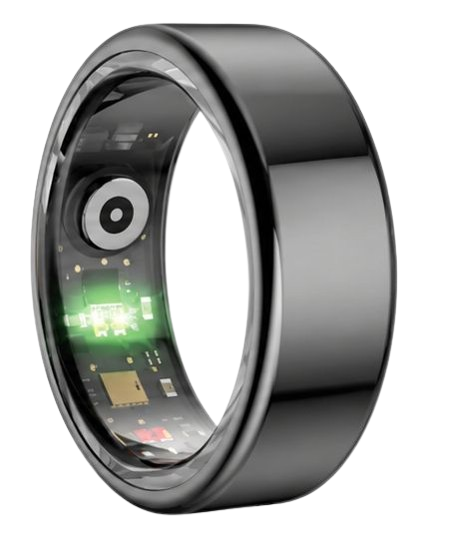
The Herz P1 Smart Ring tracks HRV, Sleep, Heart Rate & SpO2 around the clock. No subscriptions. No renewals. Ever.
In This Article
- Actionable Solutions: A comprehensive, step-by-step roadmap to halt adhd bedtime procrastination starting tonight.
- Neurological Science: How hyperfocus, delayed circadian rhythms, and dopamine deficiency cause sleep procrastination.
- Biometric Metrics: The roles of HRV, SpO2, and sleep stages in measuring and guiding neurodivergent recovery.
- Smart Technology: How lightweight, subscription-free tracking helps you optimize your recovery parameters easily.
How to Stop ADHD Revenge Bedtime Procrastination: A Step-by-Step Guide

What You Will Need
To successfully overcome bedtime delays, you will need a basic awareness of your current nightly routines.
You also need a reliable, low-friction tracking tool to gather clinical-grade metric trends without adding to your daily stress.
Finally, compile a dedicated sleep notebook or use a digital notes app to document your behavioral progress.
-
Step 1: Identify Your Dopamine Triggers Before Bed
Many individuals with ADHD seek a hit of dopamine late at night because their daytime schedules feel highly restrictive.
This biological drive often results in bad sleep habits that are difficult to break without a highly structured plan.
By tracking your evening activity trends, you can easily identify which specific triggers keep your brain hyper-stimulated.
We recommend keeping a written journal of your late-night screen time, gaming habits, or social media usage.
This creates a clear visual map of what drives your nighttime delay behaviors.
Once you recognize these triggers, you can plan healthy alternatives to replace them.
-
Step 2: Establish a Firm Screen-Free Transition Buffer
Transitioning from active daytime engagement to a state of rest requires a physical and mental buffer.
This process, known as winding down for the night, is critical for neurodivergent minds that struggle to shift tasks.
You should set a recurring alarm that signals the exact moment to shut down high-dopamine activities.
Aim to spend at least thirty minutes engaging in low-stimulation tasks like reading physical books or light stretching.
This buffer allows your nervous system to naturally lower its heart rate.
Reducing exposure to blue light during this window helps your brain produce melatonin.
-
Step 3: Implement an Incremental Sleep Schedule Adjustment
Trying to force sleep when your brain is racing often leads to intense feelings of frustration and anxiety.
Instead, building a custom wind down routine can prepare your nervous system for rest.
Gradually adjust your target bedtime in small, manageable increments of fifteen minutes over several weeks.
This gentle shift prevents the executive dysfunction that often occurs when trying to make drastic schedule changes.
Consistency is the ultimate key to shifting your biological clock over time.
Small changes are far more sustainable than attempting a complete overnight overhaul.
-
Step 4: Use Sensory and Wearable Alerts for Consistency
Creating a structured physical environment can significantly reduce the mental friction of going to bed.
Establishing a calming bedtime routine helps signal to your brain that it is safe to sleep.
You can set your home lights to dim automatically at the same hour every single night.
Use the subtle vibration alerts on your wearable devices to prompt your next behavioral step.
These physical cues act as reliable external executive function supports.
By removing the need for active decision-making, you reduce bedtime resistance.
-
Step 5: Evaluate Your Bio-Recovery and Adjust Bedtime
Understanding how your body recovers overnight provides the motivation needed to stay consistent.
When you learn how to relax before bed, your sleep architecture will reflect deeper restorative cycles.
You should analyze your heart rate variability (HRV) trends each morning to see how your body responded to the night before.
These insights turn subjective fatigue into objective, actionable biometric data.
Seeing your recovery score improve acts as a powerful, positive dopamine loop for the ADHD brain.
Over time, this positive reinforcement replaces the urge to stay up late.
Enhancing Your Journey with Advanced Biometrics
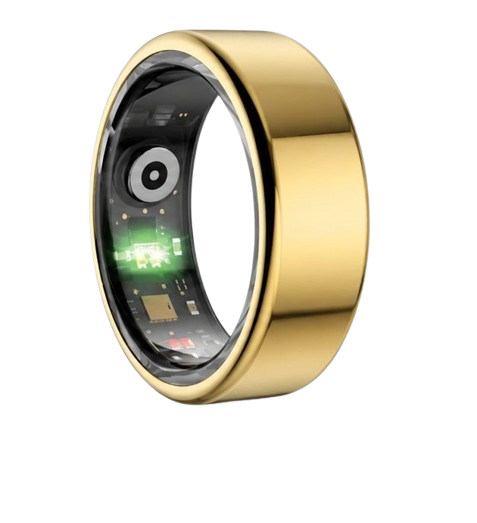
To easily monitor your nightly progress without the burden of heavy watches, the Herz P1 Smart Ring provides a seamless, ultra-lightweight tracking solution.
It automatically logs your heart rate, HRV, and sleep stages so you can see the direct benefits of your new routines.
Its military-grade steel design and lifetime free app make it the ultimate tool for neurodivergent wellness.
90-Day 100% Money-Back Guarantee
“The Herz Smart Ring helps me manage stress easily. It’s accurate, stylish, and lightweight—perfect for my busy life!”
— Jennifer P. | ✔ Verified Customer
- ✓ 6-Day Battery Life
- ✓ Detailed Sleep Analysis
- ✓ Fast 1-Hour Charging
- ✓ iOS & Android Ready
Questions? Call: 1-866-479-1629
The Science of ADHD Sleep Procrastination and Hyperfocus
Neurotransmitters, Hyperfocus, and Circadian Phase Delay
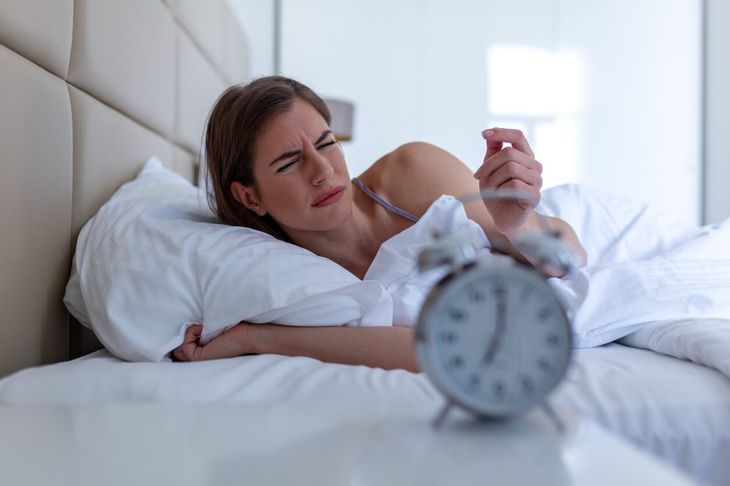
The underlying cause of revenge sleep procrastination adhd is deeply rooted in brain chemistry.
Research shows that individuals with ADHD have differences in dopamine transporter function.
This neurodivergent profile makes highly engaging tasks, like video games or scrolling, incredibly difficult to interrupt.
When you enter a state of hyperfocus, your brain completely loses track of time.
Furthermore, many neurodivergent individuals suffer from a delayed sleep phase syndrome.
According to the National Sleep Foundation, this circadian delay shifts your natural sleep window later into the night.
This delay is not a sign of laziness but a physiological variation in your internal biological clock.
Understanding this biological reality can help you approach your sleep with self-compassion.
How Sleep Deprivation Affects HRV and Cardiovascular Health
Consistently delaying your sleep window has severe consequences for your cardiovascular system.
The American Heart Association notes that chronic sleep deprivation is linked to elevated resting heart rates.
It also significantly lowers your heart rate variability (HRV), which is a key marker of autonomic nervous system health.
A lower HRV indicates that your body is stuck in a chronic state of fight-or-flight stress.
By tracking your HRV with a precision wearable, you can see how late nights affect your heart’s resilience.
The Herz P1 Smart Ring monitors your HRV every five minutes to give you an accurate picture of your autonomic nervous system.
These real-time trends can warn you when your body needs urgent recovery time.
Protecting your sleep is not just about avoiding morning fatigue; it is about shielding your heart.
Decoding Sleep Architecture in Neurodivergent Minds
The Critical Role of REM and Deep Sleep Stages
The neurodivergent brain requires optimal sleep quality to manage daytime executive functions effectively.
Both deep sleep and rapid eye movement (REM) sleep are essential for cognitive processing and emotional regulation.
During deep sleep, your brain clears out cellular waste and repairs physical tissues.
During REM sleep, your brain processes emotions and solidifies daily learning.
If you shorten your sleep window, you directly cut into your REM and deep sleep stages.
Measuring your sleep frequency and stage duration is vital to ensuring your brain gets proper rest.
The Herz P1 Smart Ring uses multispectral optical sensors to classify these sleep stages with high precision.
Its advanced algorithms help you see if your evening routines are supporting or hurting these critical cycles.
By optimizing these stages, you can improve focus, emotional stability, and impulse control the following day.
Using SpO2 and Heart Rate to Detect Autonomic Arousal
Late-night stress and hyperfocus can cause your autonomic nervous system to remain highly active during sleep.
This chronic arousal prevents your heart rate from dropping to its optimal resting level overnight.
An elevated sleeping heart rate means your body is not fully resting even while you are asleep.
Additionally, tracking blood oxygen saturation (SpO2) helps ensure your breathing remains steady throughout the night.
Fluctuations in SpO2 can indicate micro-arousals that disrupt your sleep architecture without your knowledge.
The Herz P1 continuously tracks both your sleeping heart rate and your oxygen levels.
This provides a complete, clear picture of your nighttime physiological recovery.
If your heart rate remains high all night, it may be time to adjust your evening habits.
How to Use the Herz P1 to Optimize Your Bedtime Window

Reading Your Nightly Recovery and HRV Stress Index
The Herz P1 companion app translates complex biometric data into a simple, daily recovery score.
Each morning, you can review your personalized dashboard to see how well your body recovered.
A high recovery score means your nervous system is balanced and ready for the day’s challenges.
A low recovery score suggests you should prioritize restorative habits and lighter physical exertion.
You can also check your HRV Stress Index to see how daytime anxiety affects your physical body.
This index acts as a real-time mirror for your nervous system’s stress state.
By reviewing these trends, you can easily connect your evening choices to your morning wellness.
Real-Time Stress Management During Busy Workdays
Managing your daytime stress is one of the best things to do before bed to prevent late-night procrastination.
When your day is chaotic, your brain craves control and dopamine late at night.
By keeping daytime stress low, you reduce the psychological urge for revenge bedtime behaviors.
The Herz P1 Smart Ring helps you monitor your stress levels continuously during your working hours.
Its sleek, lightweight design ensures you can wear it comfortably all day and all night without distraction.
When the ring detects a stress spike, you can take a quick breathing break to regulate your nervous system.
This proactive management keeps your nervous system balanced before the evening even begins.
Common Mistakes in ADHD Sleep Tracking and Wearable Choice
The Pitfall of Wearable Comfort and Charging Friction
Many people fail to track their sleep because their wearable devices are too bulky to wear to bed.
Large smartwatches can dig into your skin and cause micro-arousals that ruin your sleep data.
Furthermore, smartwatches often require daily charging, leading to frequent data gaps when left on the charger.
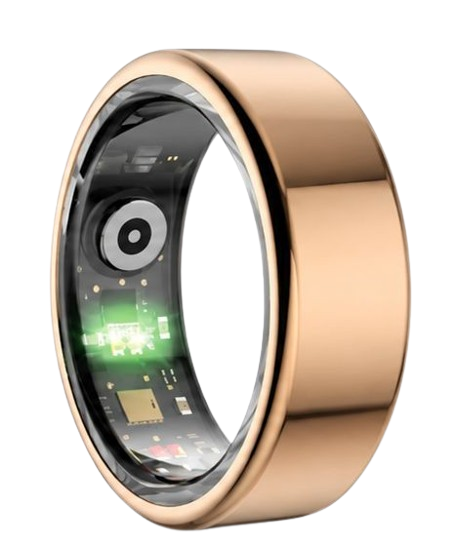
The Herz P1 Smart Ring solves this problem with its incredibly slim, medical-grade interior and lightweight design.
It weighs only a few grams and sits comfortably on your finger all night long.
With a powerful six-day battery life, you only need to charge it once a week for less than an hour.
This removes the friction of daily charging and ensures your sleep records remain perfectly unbroken.
Dodging the Hidden Trap of Ongoing Subscription Fees
Many premium fitness trackers lock your personal health data behind expensive monthly subscriptions.
Paying a recurring fee just to view your own sleep stages or HRV trends can feel incredibly frustrating.
This ongoing cost can quickly add up to hundreds of dollars over the lifetime of your device.
At Team Herz P1, we believe your personal health data should belong to you entirely.
The Herz P1 Smart Ring features a completely free app for lifetime use with no hidden subscriptions.
You get full, unrestricted access to all biometric metrics, sleep reports, and stress analytics forever.
This clear, honest pricing makes proactive health tracking accessible and worry-free.
Frequently Asked Questions About ADHD and Wearable Sleep Tracking
Yes, the Herz P1 features an advanced IP68 waterproof rating.
This certifies that the ring can be safely submerged in water up to 164 feet deep.
You can wear it while swimming, showering, washing your hands, or working out without any worry.
Its durable military-grade steel construction ensures it remains protected in all wet environments.
The Herz P1 Smart Ring features an ultra-long battery life of six days on a single charge.
This lets you track your sleep, workouts, and stress levels continuously without frequent interruptions.
When the battery is low, it fully charges in under one hour using the included magnetic charging dock.
This fast charging speed ensures your ring is always ready when you need it most.
The index finger of your non-dominant hand is the absolute best choice for tracking accuracy.
The index finger has a rich network of blood vessels that provides a strong, clear optical signal.
However, the middle finger or ring finger are also excellent options if you prefer them.
The key is to ensure a snug, comfortable fit that prevents the ring from rotating excessively.
Yes, the ring has secure local memory that stores up to seven days of biometric data offline.
You do not need to keep your phone nearby or connected to Bluetooth constantly while you sleep.
Once you open the companion app, the ring will instantly sync all stored data to your phone.
This allows you to sleep in a phone-free environment while still capturing every important metric.
Conclusion
Conquering sleep procrastination adhd is entirely possible when you pair behavioral strategies with precise, objective biometric insights.
Ready to monitor your health every day? Explore the Herz P1 Smart Ring and see if it fits your lifestyle. Call: 1-866-479-1629 — our team can help you advise on the correct ring size and set personalized health goals.
Note: Individual results may vary depending on individual health conditions, age, and lifestyle habits. This article is intended for general health reference purposes only.
