

Built to Last. Save Up to 69% Today.
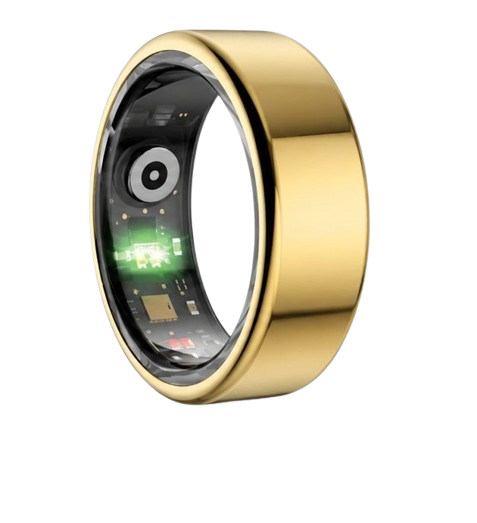
The Herz P1 Smart Ring tracks HRV, Sleep, Heart Rate & SpO2 around the clock. No subscriptions. No renewals. Ever.
In This Article
- Step-by-Step Circadian Realignment Guide: Practical strategies to set up your bedroom, manage light exposure, and stop waking up tired.
- The Biological Culprits Explained: The deep connection between sleep architecture, melatonin secretion, and sleep inertia symptoms.
- Heart Rate Variability (HRV) Recovery: How tracking autonomic nervous system balance helps you avoid morning tiredness.
- Wearable Technology Analysis: Why lightweight smart rings outperform bulky smartwatches without demanding ongoing subscription fees.
How to Overcome Morning Tiredness: A Step-by-Step Circadian Realignment Guide

Prerequisites / What You’ll Need
Before starting this protocol, you should understand your baseline sleep schedule.
You must prepare your bedroom environment to eliminate disruptive light and sound.
You need to establish a consistent morning wake-up goal that you can maintain daily.
Finally, a reliable way to monitor your resting heart rate and sleep phases will help you measure your progress.
-
Step 1: Set a Fixed Sleep-Wake Window
Your body functions on a highly precise internal biological clock called the circadian rhythm.
Going to bed and waking up at the exact same time every day stabilizes this internal clock.
If you are constantly waking up tired, your wake-up time is likely shifting too often.
This inconsistency creates a state of chronic circadian misalignment similar to constant jet lag.
Your cortisol awakening response requires a stable wake time to trigger correctly.
Commit to a strict sleep schedule for at least two weeks to allow your hormones to stabilize.
Avoid the temptation to sleep in on weekends, as this resets your biological clock.
Even a two-hour sleep-in on Saturday can disrupt your Monday morning wakefulness.
Set a gentle alarm and get out of bed immediately upon waking to build strong mental habits.
This consistency training teaches your brain to naturally wake up refreshed and clear-headed.
-
Step 2: Eliminate Evening Exposure to Blue Light
Artificial blue light from smartphones, tablets, and televisions suppresses the natural release of melatonin.
Melatonin is the primary hormone responsible for signaling your brain and body to wind down.
Many people suffer from feeling tired after waking up due to late-night screen scrolling.
Power down all digital screens at least sixty minutes before your scheduled sleep time.
Blue light wavelengths between 460 and 480 nanometers are the most disruptive to your pineal gland.
Replace screen time with a relaxing activity like reading a physical book under a warm amber lamp.
You can also listen to calming music, practice deep breathing exercises, or write in a journal.
This screen-free period acts as a buffer zone between a busy workday and restorative sleep.
It allows your mind to release racing thoughts and physiological tension.
Investing in warm, low-intensity lighting for your evening hours will transform your overnight recovery.
-
Step 3: Establish a Late-Day Caffeine and Nutrient Cutoff
Caffeine has a half-life of up to six hours, meaning it remains active in your system much longer than you think.
Stop consuming coffee, energy drinks, and caffeinated teas at least eight hours before bed.
Additionally, avoid eating heavy or high-sodium meals within three hours of lying down.
A full stomach forces your digestive system to work heavily when it should be resting.
This digestive work raises your resting heart rate and prevents your body from dropping into deep recovery stages.
As a result, you wake up feeling heavily exhausted in the morning.
Digestion raises your metabolic rate, which keeps your core body temperature too elevated for deep rest.
If you feel hungry close to bedtime, opt for a small, easily digestible snack.
A light snack containing magnesium or tryptophan, such as a handful of almonds, can support relaxation.
Keeping your digestive system quiet overnight allows your body to focus entirely on cellular repair.
-
Step 4: Optimize Bedroom Temperature and Light Levels
Your core body temperature must decrease by one to two degrees Fahrenheit to initiate high-quality sleep.
Set your bedroom thermostat to a cool range between sixty and sixty-seven degrees Fahrenheit.
Use high-quality blackout curtains to block any ambient light from streetlamps or passing cars.
Even tiny amounts of light can penetrate your eyelids and disrupt your deep sleep cycles.
Consider using a white noise machine to mask sudden environmental sounds that trigger brief, subconscious awakenings.
A stable, cool environment prevents sudden micro-arousals that you might not even remember in the morning.
Ensure your bedding is made from breathable, natural fibers like cotton or bamboo.
Synthetic materials can trap heat, leading to night sweats and fragmented sleep phases.
Keep your bedroom dedicated strictly to sleep and relaxation to build a strong psychological association.
This mental connection tells your brain that stepping into your bedroom means it is time to sleep.
-
Step 5: Practice a Strategic Morning Activation Routine
Expose your eyes to bright, natural sunlight within fifteen minutes of waking up.
Natural sunlight immediately halts the production of melatonin and initiates a healthy cortisol rise.
Follow your light exposure by drinking sixteen ounces of cold water to rehydrate your vital organs.
Incorporate five minutes of light physical movement, such as walking or dynamic stretching.
This combination clears adenosine from your brain receptors and quickly elevates your morning energy levels.
Hydrating immediately after waking up expands your blood volume and counteracts overnight dehydration.
Dehydration is a highly common and overlooked trigger for early morning fatigue and headaches.
If natural sunlight is unavailable, consider using a high-intensity seasonal affective disorder light therapy box.
Avoid immediately checking work emails or social media notifications on your phone.
Starting your day with proactive physical activation prevents the stressful mental overload of digital notifications.
Managing this daily routine can feel overwhelming without clear visibility into your physiological progress.
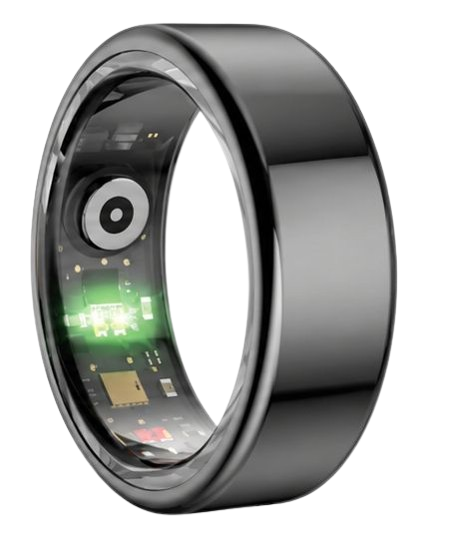
The premium Herz P1 Smart Ring simplifies this process by tracking your sleep metrics automatically.
Our comfortable, lightweight ring monitors your continuous biometrics overnight without getting in your way.
You can easily review your daily data in our free companion app to see which habits are driving your recovery.
90-Day 100% Money-Back Guarantee
“The Herz Smart Ring helps me manage stress easily. It’s accurate, stylish, and lightweight—perfect for my busy life!”
— Jennifer P. | ✔ Verified Customer
- ✓ 6-Day Battery Life
- ✓ Detailed Sleep Analysis
- ✓ Fast 1-Hour Charging
- ✓ iOS & Android Ready
Questions? Call: 1-866-479-1629
The Science of Sleep Architecture: Why You Wake Up Feeling Exhausted

To understand morning fatigue, we must examine how our brains transition from sleep to wakefulness.
Many individuals believe that sleeping for eight hours guarantees a refreshed morning.
However, the timing of your awakening is just as important as the duration of your sleep.
When you wake up feeling disoriented and heavy, you are experiencing sleep inertia symptoms.
Sleep inertia is a temporary state of impaired cognitive and motor performance that occurs upon waking.
According to research supported by the National Sleep Foundation, this groggy state can last up to four hours.
The primary cause of sleep inertia is waking up directly from deep, slow-wave sleep.
During deep sleep, your brain waves are at their slowest, and blood flow is concentrated in your skeletal muscles.
During slow-wave sleep, high levels of adenosine remain bound to your brain’s receptors.
Waking up abruptly prevents the gradual clearance of this fatigue-inducing compound.
This delay in adenosine clearance is what prolongs your morning brain fog.
If an alarm forces you awake during this deep cycle, your brain cannot instantly transition to high-frequency wake waves.
This leaves your prefrontal cortex temporarily underperfused, resulting in severe mental fog.
Your body naturally repeats ninety-minute sleep cycles consisting of light, deep, and REM sleep.
Ideally, you should wake up during a light sleep stage when your brain is already close to wakefulness.
Experiencing frequent waking up groggy means your sleep cycles are highly fragmented.
Environmental noise, late-night snacking, and stress can disrupt your natural sleep architecture.
These disruptions cause micro-arousals that shift you out of restorative deep sleep phases prematurely.
This leaves you with an accumulation of sleep debt and severe morning tiredness despite a full night in bed.
The Herz P1 Smart Ring helps you analyze these cycles using medical-grade multispectral optical sensors.
By tracking your heart rate, movement, and temperature, the Herz P1 maps out your exact sleep stages.
It allows you to identify whether a lack of deep sleep or poorly timed wakings is stealing your morning energy.
How Heart Rate Variability (HRV) Determines Your Morning Vitality
Your morning energy levels are directly tied to the state of your autonomic nervous system.
The autonomic nervous system regulates your involuntary body functions and has two primary branches.
The sympathetic branch acts as your body’s accelerator, driving your fight-or-flight stress responses.
The parasympathetic branch acts as the brakes, facilitating rest, digestion, and physiological recovery.
If you are always exhausted in the morning, your body is likely stuck in sympathetic overdrive.
One of the most reliable ways to measure this autonomic balance is through Heart Rate Variability (HRV).
HRV measures the tiny, millisecond variations in time between each consecutive heartbeat.
According to clinical data verified by the American Heart Association, a higher HRV indicates a healthy, resilient nervous system.
A high HRV means your body is actively resting, recovering, and dominated by parasympathetic activity.
Conversely, a low HRV indicates that your body is under stress, exhausted, and struggling to recover.
If your nervous system remains stressed overnight, you will wake up with no energy in the morning.
An elevated sleeping heart rate combined with low HRV indicates poor systemic recovery.
This physiological strain prevents cellular repair and muscle protein synthesis overnight.
Understanding your daily HRV trend allows you to adjust your daytime workload proactively.
Late-night alcohol, hard physical training, and chronic mental anxiety keep your heart rate elevated and suppress your HRV.
Even though you are unconscious, your body is working hard to fight off these stressors instead of repairing itself.
The Herz P1 Smart Ring monitors your HRV continuously every five minutes as you sleep.
It processes this high-frequency biometric data to calculate an accurate, daily overnight HRV average.
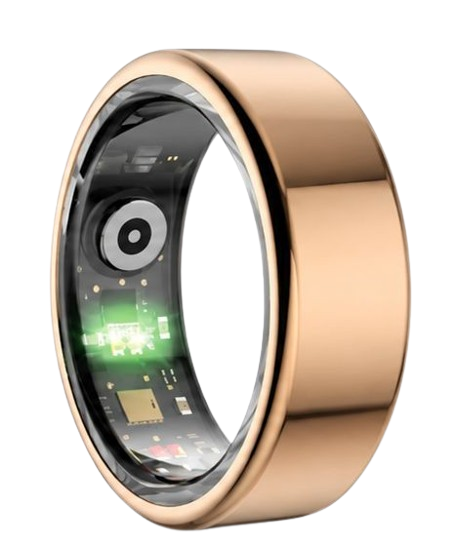
Our ring uses premium, biocompatible military-grade steel that fits comfortably and securely around your finger.
This secure fit ensures that the photoplethysmography (PPG) sensors maintain constant contact with your skin.
This continuous data collection helps you identify the exact habits that are harming your overnight recovery.
Translating Your Herz P1 App Data into Sustained Morning Energy

Having access to raw health data is only useful if you know how to apply it to your daily life.
The Herz P1 companion app translates your complex biometrics into a single, intuitive Sleep Score.
Every morning, you should open the app and review three key metrics to guide your day.
First, check your Deep Sleep percentage on the sleep architecture dashboard.
Ideally, deep sleep should make up fifteen to twenty-five percent of your total night.
If your deep sleep score is consistently low, prioritize earlier dinners and a colder bedroom environment.
Second, look at your overnight blood oxygen saturation, or SpO2 levels.
Healthy baseline SpO2 levels should remain between ninety-five and one hundred percent.
Frequent drops below this range can indicate subtle breathing disruptions that fracture your sleep quality.
Third, observe the timing of your resting heart rate dip.
Your heart rate should reach its lowest point during the first half of your sleep window.
A late heart rate dip indicates that your body was busy digesting food or processing late stimulants.
The Herz P1 app presents your data in clean, color-coded graphs that track your weekly progress.
You can easily compare your sleep quality on days when you exercised versus days when you rested.
This historical insight takes the guesswork out of building a healthy lifestyle.
By adjusting your habits based on these daily trends, you can actively optimize your morning wakefulness.
The greatest advantage of the Herz P1 Smart Ring is its ultimate comfort for twenty-four-seven wear.
Bulky smartwatches can be incredibly uncomfortable to wear to bed and often require daily charging.
The Herz P1 is designed with an ultra-thin, lightweight profile that feels completely weightless on your hand.
You can wear it to sleep, during intense workouts, and in the shower without any physical irritation.
Our efficient six-day battery life ensures that you never miss a critical night of sleep tracking.
Why Smart Rings Outperform Bulky Smartwatches and Subscription Trackers
Many consumers try to track their sleep quality by wearing heavy smartwatches to bed.
However, these large devices frequently shift out of place, causing major gaps in your sleep data.
The physical bulk of a smartwatch can also disturb your sleep, worsening the very issue you are trying to solve.
Furthermore, many premium wearable brands require a costly monthly subscription to access your data.
Paying a recurring monthly fee just to view your own sleep and heart rate metrics is highly frustrating.
Our team at Herz P1 is committed to providing a transparent, subscription-free tracking experience.
The Herz P1 Smart Ring requires absolutely zero monthly subscription fees or hidden app costs.
You receive full, lifetime access to all advanced biometrics, historical data, and wellness insights for free.
We build our rings to last using premium, military-grade steel and an advanced hermetic sealing process.
This durable construction provides a certified IP68 waterproof rating for worry-free daily use.
We stand behind our craftsmanship with a solid two-year warranty and a ninety-day money-back guarantee.
Frequently Asked Questions About Morning Fatigue and Sleep Tracking
Is the Herz P1 Smart Ring waterproof enough for daily swimming?
Yes, the Herz P1 Smart Ring features a fully certified IP68 waterproof rating.
This ensures that the ring can withstand continuous water submersion up to a depth of 164 feet.
You can wear it while swimming in pools, taking hot showers, washing dishes, or sweating heavily.
The hermetically sealed casing completely protects the internal optical sensors from any moisture damage.
How long does the battery last and how quickly does it charge?
The Herz P1 Smart Ring provides an impressive six days of continuous battery life on a single charge.
This allows you to track your biometrics uninterrupted without the hassle of daily charging routines.
When the battery runs low, the ring charges from zero to one hundred percent in under one hour.
The included magnetic charging cradle makes the charging process fast, simple, and convenient.
Which finger is best for wearing the Herz P1 Smart Ring?
We recommend wearing the Herz P1 on your index, middle, or ring finger of either hand.
These fingers contain highly accessible blood vessels close to the skin surface for maximum accuracy.
We also advise choosing your non-dominant hand to minimize physical wear and daily scratches.
Ensure that the inner sensor bump is facing downward against the palm side of your finger.
Does the Herz P1 Smart Ring store biometric data offline?
Yes, the Herz P1 Smart Ring features seven days of secure, local offline data storage.
This means you do not need to keep your smartphone nearby or connected to Bluetooth while sleeping.
The ring will continuously log your heart rate, HRV, SpO2, and sleep stages entirely on its own.
All of your stored health data will automatically sync the next time you open the companion app.
Conclusion: Your Subscription-Free Wellness Journey Starts Here
Overcoming morning fatigue starts with understanding your body’s unique overnight biometrics.
By tracking sleep stages, heart rate variability, and oxygen saturation with the robust, subscription-free Herz P1 Smart Ring, you can make lifestyle changes that actually work.
Ready to monitor your health every day? Explore the Herz P1 Smart Ring and see if it fits your lifestyle. Call: 1-866-479-1629 — our team can help you advise on the correct ring size and set personalized health goals.
