

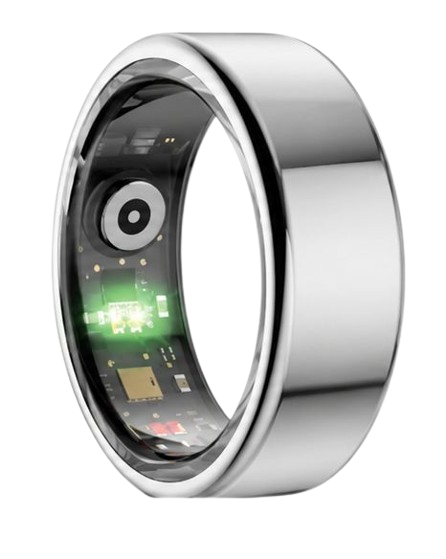
Balancing high academic expectations, shifting schedules, and active social lives makes college incredibly overwhelming, which is why a comprehensive student stress guide is essential for modern high achievers looking to regain control. Our team at Team Herz P1 designed the Herz P1 Smart Ring to help you seamlessly decode your body signals, improve sleep hygiene, and manage academic pressure without any complex setups.
Built to Last. Save Up to 69% Today.
The Herz P1 Smart Ring tracks HRV, Sleep, Heart Rate & SpO2 around the clock. No subscriptions. No renewals. Ever.
In This Article
- Step-by-Step Stress Guide: Practical strategies to conquer academic burnout.
- The Science of Biometrics: Deep dive into how wearable optical sensors track sleep stages and HRV.
- Optimizing Daily Recoveries: How to apply smart ring insights to enhance mental performance.
- Common Wearable Mistakes: Bypassing subscription traps and selecting the right device.
How to Overcome Academic Exhaustion: A Step-by-Step Student Stress Guide
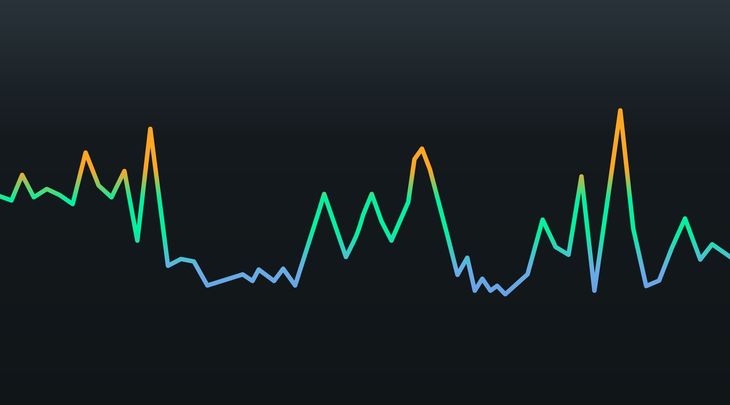
Reclaiming your mental clarity requires a structured approach to daily lifestyle habits and sleep monitoring.
To begin this step-by-step guide, you will need a lightweight wearable tracker, a synchronized smartphone app, and a commitment to measuring your baseline biometrics for at least one week.
Step 1: Track Your Sleep Stages
Academic success starts with understanding how deeply your brain recovers each night.
To successfully manage student sleep, you must examine how much time you spend in both REM and deep sleep cycles.
Deep sleep physically restores your body, while REM sleep processes information and solidifies memory.
You can track daily anxiety and sleep stages in college by reviewing your ring’s sleep score every morning.
If your deep sleep drops below fifteen percent of your total sleep, your physical recovery is compromised.
If your REM sleep is lacking, you will likely struggle to retain lecture material the next day.
Analyzing these stages allows you to make data-backed adjustments to your study schedule.
Many students realize that studying late into the night actually decreases their cognitive performance.
Prioritizing high-quality sleep stages is your ultimate weapon against mental exhaustion.
Consistently recording these metrics helps you identify precisely which habits disrupt your overnight recovery.
With this knowledge, you can systematically eliminate sleep disruptors before they impact your grades.
Establishing a baseline score is crucial for spotting long-term performance trends.
Your academic journey will feel significantly lighter when your sleep cycles are fully optimized.
Step 2: Map Your Sleep Chronotype
Every student possesses a unique biological rhythm that dictates when they feel most alert.
You must discover your individual sleep chronotype to work with your body instead of fighting it.
Some individuals perform best in the early morning, while others excel during late-night study sessions.
Aligning your heaviest academic workloads with your natural body clock and chronotype optimizes your focus.
Forcing yourself to study during natural biological dips leads to high errors and cognitive frustration.
A smart ring continuously records your skin temperature and heart rate to help pinpoint this rhythm.
You will see patterns emerge showing your peak recovery windows and optimal sleep onset times.
Once you know your chronotype, you can schedule demanding classes during peak cognitive hours.
This adjustment significantly reduces the mental friction of learning complex new materials.
Working in harmony with your biology is a proven way to bypass chronic mental fatigue.
You no longer have to feel guilty for not following a generic wellness routine.
Your personalized data will show you exactly when your brain is ready to perform.
Self-awareness of these patterns allows you to build a highly customized daily schedule.
This tailored approach ensures you maximize productivity while keeping stress at a minimum.
Step 3: Establish Consistent Sleep Frequency
Going to bed and waking up at the same time every day builds a powerful sleep rhythm.
Maintaining a stable sleep frequency strengthens your body’s endocrine system.
Irregular bedtimes confuse your brain and prevent the timely release of melatonin.
This confusion leads to long periods of lying awake in bed, staring at the ceiling.
Using a wearable sensor allows you to monitor how consistent your sleep schedules remain over time.
The companion application calculates a sleep consistency score based on your daily bedtime variance.
Aiming for a consistency score above eighty percent will dramatically improve your morning alertness.
Even on weekends, trying to stay within an hour of your normal schedule prevents circadian disruption.
Consistency teaches your nervous system to wind down naturally at the same hour.
You will fall asleep faster and wake up feeling naturally refreshed without a jarring alarm.
This simple habit is a cornerstone of recovery from severe academic burnout.
Developing a robust routine helps shield your mind from unexpected stress spikes.
Your body thrives on predictable patterns that minimize energy waste.
Step 4: Sync Your Sleep-Wake Cycle
Living out of sync with your internal biological clock creates a form of physiological stress.
You must actively manage your sleep wake cycle circadian rhythm to protect your energy levels.
Staying up late on weekends and sleeping in late creates a state known as social jetlag.
This phenomenon mimics the physical exhaustion of traveling across multiple time zones.
Your body struggles to adapt to these sudden, drastic shifts in sleep timing.
The resulting fatigue makes Monday morning lectures feel nearly impossible to survive.
A smart ring tracks these shifts and provides clear warnings when your biological clock is drifting.
By keeping your weekend wake times close to your weekday routine, you minimize this internal friction.
Exposure to bright sunlight within thirty minutes of waking up also helps lock in your circadian rhythm.
This light exposure signals your brain to stop producing melatonin and start producing cortisol.
Stabilizing this cycle is highly effective for reducing daily anxiety levels.
It ensures that your hormonal fluctuations support sustained focus throughout the day.
Your body will reward you with stable vitality and clearer decision-making abilities.
Step 5: Combat Afternoon Energy Slumps
Many students find themselves asking, why am i always tired in the afternoon, especially after long lectures.
This drop in energy is a natural part of the human circadian rhythm, but it can be minimized.
Relying on heavy caffeine or sugary snacks during this dip only leads to a worse crash later.
Instead, you can learn how to become a morning person by optimizing your hydration and movement.
A smart ring can track your activity levels and nudge you to move when you have been sedentary too long.
Taking a brisk ten-minute walk under natural sunlight resets your alertness levels.
Monitoring your physical recovery scores helps you determine if your fatigue is from lack of sleep or simple stagnation.
If your recovery score is high, a light workout is often the perfect cure for afternoon drowsiness.
If your recovery score is low, a short twenty-minute power nap may be required.
Understanding these subtle differences prevents you from overtaxing your nervous system.
You will maintain stable energy from your first morning lecture until your evening study sessions.
Listening to your body’s data-driven signals prevents you from pushing yourself into physical exhaustion.
This mindful approach to energy management is a key factor in long-term academic endurance.
Enhancing Your Journey with Herz P1
Implementing this daily system is much easier when you have a reliable companion like the Herz P1.
The Herz P1 Smart Ring continuously collects this biological data without requiring your active input.
It acts as an effortless collector of your sleep, heart rate, and stress metrics.
You can view all of your historical trends directly within the free companion app.
This allows you to focus on your studies while we take care of analyzing your physiological data.
90-Day 100% Money-Back Guarantee
“The Herz Smart Ring helps me manage stress easily. It’s accurate, stylish, and lightweight—perfect for my busy life!”
— Jennifer P. | ✔ Verified Customer
- ✓ 6-Day Battery Life
- ✓ Detailed Sleep Analysis
- ✓ Fast 1-Hour Charging
- ✓ iOS & Android Ready
Questions? Call: 1-866-479-1629
The Science Behind Stress Monitoring in Wearables

Measuring biological stress requires sophisticated technology that fits comfortably on your finger.
The National Sleep Foundation emphasizes that chronic stress directly impairs overnight sleep architecture.
The American Heart Association also highlights how persistent anxiety can elevate resting heart rates over time.
To help you manage academic student sleep and stress, modern smart rings use photoplethysmography sensors.
These optical sensors emit light wavelengths through your skin to measure blood volume changes in your capillaries.
Because the blood vessels in your fingers are closer to the surface than those in your wrist, the signal is incredibly clean.
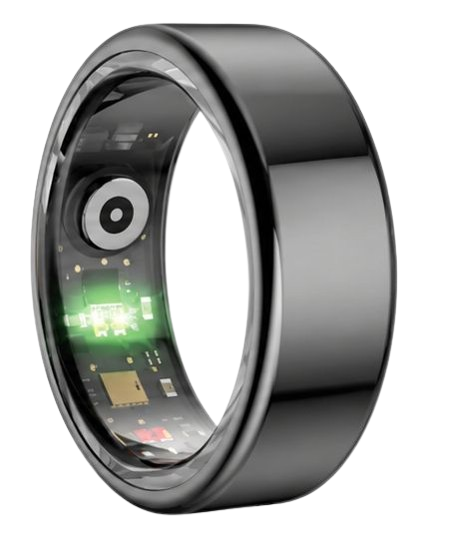
The Herz P1 uses a multi-wavelength PPG sensor array featuring green, red, and infrared light.
These sensors track your heart rate, oxygen saturation, and blood flow variations with clinical-grade accuracy.
When you experience mental tension, your blood vessels constrict and your heart rate elevates.
The ring immediately detects these microscopic changes and translates them into a real-time stress score.
This allows you to see exactly when academic pressure is beginning to overwhelm your nervous system.
With these continuous insights, you can recover from burnout with smart rings by taking breaks before you hit exhaustion.
You no longer have to guess whether your body is operating in a state of high stress.
The objective data helps you validate your feelings and make healthy changes to your daily schedule.
What Your HRV Score Actually Tells You — And How to Improve It
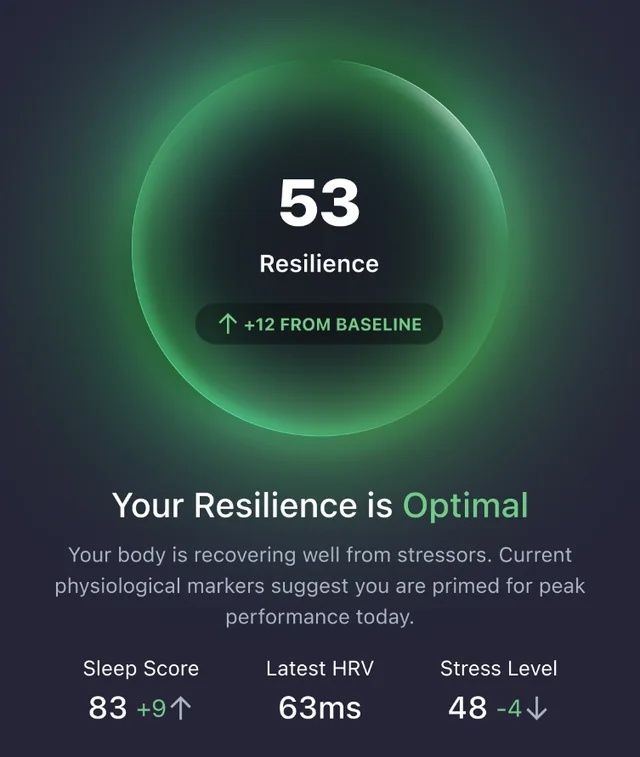
Heart rate variability is the ultimate indicator of your autonomic nervous system’s health.
Many people assume their heart beats in a perfectly steady rhythm like a metronome.
In reality, the time interval between consecutive heartbeats constantly varies in milliseconds.
This microscopic variation is known as heart rate variability, or HRV.
A high HRV score indicates that your body is highly adaptable and ready to handle physical or mental challenges.
It shows that your parasympathetic nervous system, or your rest-and-digest system, is functioning efficiently.
Conversely, a low HRV score suggests that your body is locked in a sympathetic fight-or-flight state.
This state is common during exam weeks when academic deadlines loom and rest is neglected.
The Herz P1 measures your HRV every five minutes to build a highly detailed picture of your resilience.
If you wake up with a significantly lower HRV than your personal baseline, your body is still recovering.
This is a clear signal to scale back your physical workouts and heavy study sessions.
You can naturally improve your HRV by practicing paced deep breathing exercises for just five minutes.
Engaging in regular light aerobic exercise and avoiding heavy meals before bed also boosts your score.
Consistent tracking helps you discover which specific lifestyle adjustments have the most positive impact.
Over time, you will watch your baseline HRV rise as your stress resilience strengthens.
Practical Application Guide: Optimizing Sleep and Academic Load with Herz P1
Translating raw data into daily action is simple with the intuitive companion application.
Every morning, the application presents you with an aggregated recovery score.
This score combines your sleep duration, sleep quality, resting heart rate, and overnight HRV.
If your score is in the green zone, your body is fully primed for intense focus and learning.
If your score is in the red zone, it is wise to schedule breaks and simplify your day.
You can use these objective metrics to build a relaxing bedtime routine that directly targets your recovery gaps.
For example, if your deep sleep is low, you might turn off screens two hours before sleeping.
Because the Herz P1 is incredibly thin and lightweight, you will never feel distracted wearing it to bed.
Unlike heavy, bulky smartwatches, the ring’s smooth inner lining feels virtually imperceptible on your finger.
This level of comfort is critical for capturing natural, undisturbed sleep data.
You can go about your active student life without feeling weighed down by a massive screen.
The long-lasting battery means you only need to charge the device once a week.
This continuous, all-day wear ensures that no critical health events or stress spikes are missed.
Overcoming Risks: Choosing Comfort and Avoiding Subscription Traps
Many students make the mistake of tracking their sleep with a heavy, glowing smartwatch.
These wrist-worn devices frequently wake you up with accidental screen flashes and notifications.
The bulkiness of a smartwatch can also cause micro-awakenings when you roll over in bed.
Another massive hurdle in the wearable market is the hidden cost of ongoing software fees.
Many popular smart rings require an expensive monthly subscription just to view your own health data.
As a student on a budget, these recurring subscription charges can quickly become a financial burden.
When you look to find cheap health rings for students, you must look closely at the lifetime total cost.
Team Herz P1 believes that you should never have to pay a monthly fee to access your personal biology.
The Herz P1 app is entirely free for life, with absolutely zero paywalls or subscription screens.
Additionally, the ring is constructed from military-grade steel to survive the chaotic demands of campus life.
It resists scratches, drops, and impacts without losing any tracking performance.
This combination of durability and zero ongoing fees makes it the ideal long-term health companion.
You get premium biometric insights without any recurring financial stress.
Frequently Asked Questions About Smart Rings
Is the Herz P1 smart ring waterproof?
Yes, the Herz P1 features a robust IP68 waterproof rating.
It can be safely submerged in water up to one hundred and sixty-four feet deep.
This means you can wear it while swimming, showering, or washing your dishes.
The military-grade steel body ensures that moisture never penetrates the optical sensors.
How long does the battery last?
The advanced battery provides up to six days of continuous tracking on a single charge.
It charges incredibly fast, reaching one hundred percent battery capacity in under one hour.
You can easily charge it while you take a quick morning shower.
This rapid charging cycle prevents any gaps in your daily tracking data.
Which finger is best to wear the smart ring on?
We recommend wearing the ring on your index finger for the highest optical sensor accuracy.
The middle finger and ring finger are also excellent alternative options.
Choose the finger that offers a snug, comfortable fit without restricting blood circulation.
A proper fit ensures the PPG sensors maintain constant contact with your skin.
Does the smart ring store biometric data offline?
Yes, the Herz P1 features local storage that saves up to seven days of biometric data offline.
Your metrics are safely saved even if your phone’s Bluetooth is turned off.
The data will automatically sync to your app the next time the ring connects to your phone.
This feature is perfect for students who prefer to turn off their phones during intensive study hours.
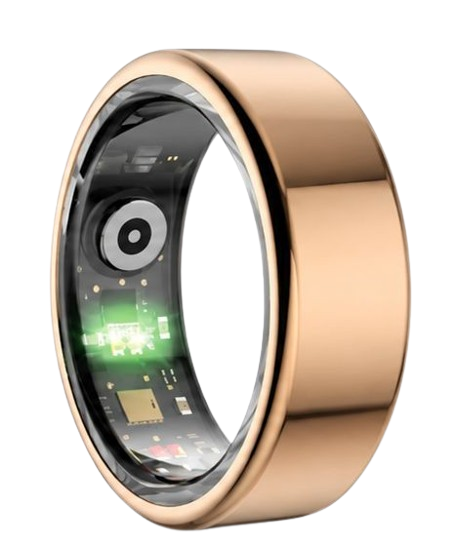
Conclusion: Begin Your Subscription-Free Wellness Journey
Managing academic stress starts with listening to your body’s subtle physiological signals.
The Herz P1 Smart Ring makes tracking sleep, HRV, and stress completely effortless and subscription-free.
Ready to monitor your health every day?
Explore the Herz P1 Smart Ring and see if it fits your lifestyle.
Call: 1-866-479-1629 — our team can help advise on the correct ring size.
