

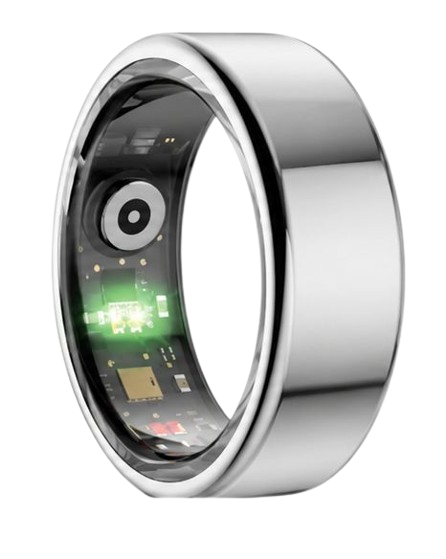
Deciding what to eat in the evening can be a daily struggle, especially when wondering is eating carbs before bed bad for your metabolic health and sleep structure. Many health-conscious individuals experience poor sleep quality and unexpected overnight heart rate spikes due to nighttime dietary choices. The Herz P1 Smart Ring provides real-time biometric tracking to decode how late-night carbohydrates directly impact your body’s overnight recovery signals.
Built to Last. Save Up to 69% Today.
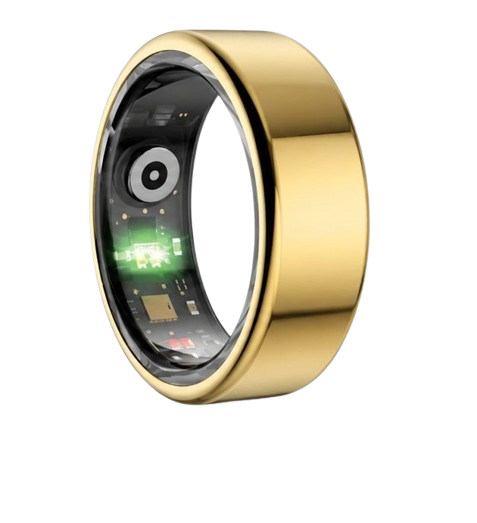
The Herz P1 Smart Ring tracks HRV, Sleep, Heart Rate & SpO2 around the clock. No subscriptions. No renewals. Ever.
In This Article
- Is Eating Carbs Before Bed Bad? An in-depth evaluation of the metabolic effects of late-night carbohydrate consumption.
- Autonomic Physiology: Discover how high-glycemic meals directly suppress your nighttime heart rate variability (HRV).
- The Tryptophan Shuttle: Understand how slow-digesting, complex carbohydrates can actually support healthy sleep architecture.
- Biometric Tracking: Learn how to read sleep graphs to visualize the direct impact of nutrition on deep sleep quality.
- Practical Guidelines: Master the optimal meal timings and macronutrient compositions for restorative rest.
Is Eating Carbs Before Bed Bad? The Scientific Truth About Sleep and Glucose

Eating carbohydrates close to your bedtime triggers an immediate cascade of metabolic and hormonal changes.
This process primarily centers around how your body manages circulating glucose levels while preparing for physical rest.
When you consume high-glycemic carbohydrates, your digestive system rapidly breaks them down into simple sugars.
These sugars quickly enter your bloodstream, causing a rapid rise in blood glucose levels.
In response, your pancreas secretes a substantial amount of insulin to shuttle this glucose into your cells.
For active adults, tech enthusiasts, and busy office workers, this insulin spike can severely disrupt overnight recovery.
This metabolic disturbance typically peaks during the first half of the night, directly interfering with your primary recovery phase.
At a cellular level, your body shifts its focus away from restorative cellular repair and toward active energy storage.
This biological shift forces your liver and muscle tissues to prioritize glycogen synthesis over vital structural healing.
Consequently, the physiological transition into deep sleep is delayed as your digestive organs remain highly active.
Clinical data from the National Sleep Foundation indicates that metabolic strain during rest prevents the body from entering deep, restorative states.
Furthermore, elevated insulin levels actively inhibit the release of human growth hormone (HGH), which is vital for tissue regeneration.
The timing of your carbohydrate intake is critical because your insulin sensitivity naturally declines as the evening progresses.
This natural circadian decline means a carbohydrate meal eaten at 9:00 PM requires far more insulin than the same meal eaten at noon.
This excess circulating insulin keeps your sympathetic nervous system highly active when it should be winding down.
In quantitative terms, eating high-glycemic carbs within two hours of sleep can increase your resting heart rate by 5 to 10 beats per minute.
Additionally, it can reduce your overall overnight heart rate variability (HRV) by up to 25%.
To fully understand if does-eating-before-bed-affect-sleep, you must analyze your unique, individual physiological responses to specific evening foods.
The Herz P1 Smart Ring monitors these exact cardiovascular and autonomic nervous system metrics 24/7 without requiring any ongoing monthly subscription fees.
If you want to track this in real time, the Herz P1 Smart Ring monitors sleep quality and heart rate variability 24/7 — explore it here.
90-Day 100% Money-Back Guarantee
“The Herz Smart Ring helps me manage stress easily. It’s accurate, stylish, and lightweight—perfect for my busy life!”
— Jennifer P. | ✔ Verified Customer
- ✓ 6-Day Battery Life
- ✓ Detailed Sleep Analysis
- ✓ Fast 1-Hour Charging
- ✓ iOS & Android Ready
Questions? Call: 1-866-479-1629
How Late-Night Carbs Alter Overnight Physiology and Autonomic Balance

To truly understand the metabolic cost of evening carbohydrates, we must study the autonomic nervous system (ANS).
Your autonomic nervous system is divided into the sympathetic branch and the parasympathetic branch.
The sympathetic branch controls your “fight-or-flight” stress responses.
The parasympathetic branch governs your “rest-and-digest” recovery states.
As you transition into sleep, your body should naturally shift into deep parasympathetic dominance.
This shift is marked by a steady decrease in your resting heart rate and a rise in heart rate variability.
However, digesting a large serving of carbohydrates forces your body to keep the sympathetic system highly active.
This ongoing sympathetic activity occurs because your gastrointestinal tract requires substantial blood flow to digest the food.
Your heart must beat faster and with less variation to deliver oxygen-rich blood to your digestive organs.
As a result, your overnight heart rate remains elevated well into the early morning hours.
This cardiovascular strain directly impairs your ability to obtain high-quality restorative sleep.
According to clinical data from the American Heart Association, a persistently high overnight heart rate indicates incomplete physical recovery.
By tracking your biometrics, you can observe exactly how to improve hrv by adjusting the timing of your last meal.
The Herz P1 Smart Ring utilizes advanced multi-wavelength optical sensors to monitor these autonomic fluctuations every five minutes.
It captures subtle changes in your arterial pulse wave to provide highly accurate HRV and heart rate tracking.
If you eat high-glycemic carbohydrates late at night, your Herz P1 App will show a distinct delay in your heart rate “lowering” curve.
A healthy heart rate curve should resemble a smooth, symmetrical “U” shape, dipping lowest during mid-sleep.
A late-night carb spike alters this curve into a “downward slope” that only reaches its lowest point right before you wake up.
This flat or delayed curve means your heart worked unnecessarily hard for most of the night.
Furthermore, the digestion of simple carbohydrates raises your core body temperature.
Your body must cool down by approximately one entire degree Fahrenheit to initiate deep sleep stages successfully.
The thermogenic effect of digesting sugar prevents this critical cooling process from occurring on time.
This heat generation leads to restless tossing, increased light sleep, and frequent micro-arousals that you might not even remember.
Do Carbs Help You Sleep? Decoupling Tryptophan from Glycemic Spikes
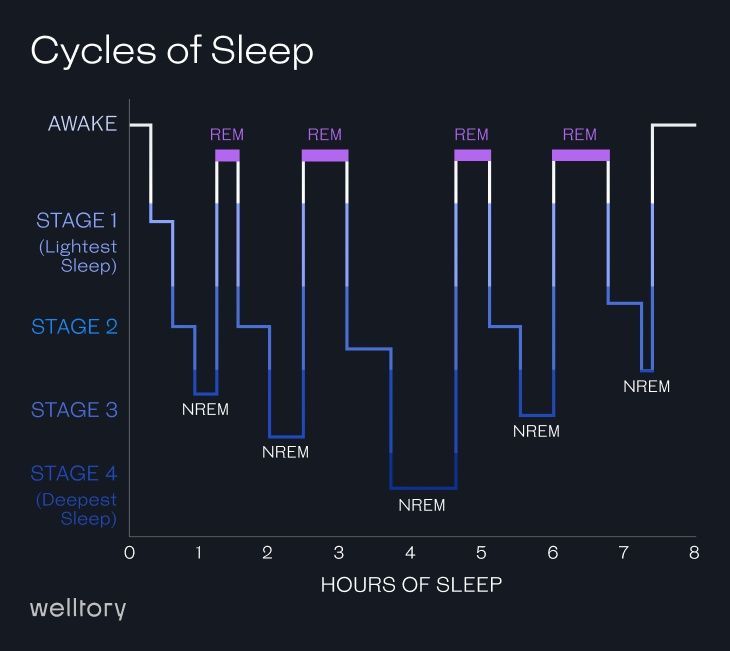
While rapid glycemic spikes impair sleep, a major scientific paradox exists: do carbs help you sleep under certain dietary conditions?
The short answer is yes, but the type of carbohydrate and the timing are highly critical factors.
Carbohydrates play a vital role in facilitating the transport of tryptophan into your brain.
Tryptophan is an essential amino acid that serves as the direct chemical precursor to serotonin.
Your brain subsequently converts serotonin into melatonin, which is the primary hormone responsible for regulating sleep-wake cycles.
When you consume carbohydrates, the resulting insulin release clears competing large neutral amino acids from your bloodstream.
This clearance allows tryptophan to cross the highly selective blood-brain barrier with much less competition.
Therefore, strategic consumption of carbohydrates can theoretically support healthy melatonin synthesis and improve sleep onset latency.
However, using simple sugars to achieve this chemical shuttle is highly counterproductive.
Simple sugars cause rapid insulin spikes followed by a sharp, dramatic drop in blood glucose levels.
This rapid drop is known as reactive hypoglycemia, and it acts as an emergency stressor to your brain.
Your brain senses the sudden glucose shortage as a life-threatening energy deficit.
In response, your adrenal glands flood your system with cortisol and adrenaline to raise your blood sugar back up.
This sudden surge of stress hormones immediately jerks you out of deep recovery and into light, fragmented sleep.
To avoid this, you should focus on slow-digesting, complex carbs and sleep foods like oats, quinoa, or sweet potatoes.
These complex carbohydrates provide a slow, steady release of glucose without triggering a massive insulin surge.
This stable glucose release keeps your brain properly fueled and prevents midnight cortisol spikes.
This nutritional strategy helps protect your critical balance of deep sleep vs light sleep cycles.
Deep sleep is essential for physical repair, muscle recovery, and waste clearance in the brain.
Light sleep supports memory consolidation but does not offer the same deep physical rejuvenation.
By consuming complex, high-fiber carbohydrates at least three hours before bed, you can harness the benefits of tryptophan without the glycemic crash.
The Herz P1 Smart Ring tracks these subtle sleep stage transitions with medical-grade optical sensors.
This advanced tracking allows you to see exactly how different carbohydrate sources affect your sleep architecture.
Practical Application Guide: Optimizing Sleep and Glucose with Herz P1
Managing the relationship between your diet and sleep quality requires highly personalized biometric data.
No two individuals share the exact same insulin sensitivity or digestive transit time.
A late-night snack that causes a severe glucose crash in one person might keep another perfectly stable.
The Herz P1 Smart Ring takes the guesswork out of nutrition by tracking your body’s physiological responses while you sleep.
By reviewing your personalized metrics, you will learn exactly how your evening meals affect your recovery.
To begin optimizing your habits, open the companion Herz P1 App every morning to check your overnight trends.
First, analyze your overall readiness score to gauge your body’s capacity for daily stress.
If your readiness score is low, look closely at your resting heart rate and HRV trends from the previous night.
A elevated resting heart rate during the first four hours of sleep strongly suggests late-night digestive stress.
Next, examine your detailed sleep charts to see if your sleep stages were fragmented.
You can learn how to read sleep graphs to spot frequent wakeups or periods of restless movement.
Compare these sleep graphs with your dietary logs to identify clear, actionable patterns.
To help you structure your evening routine, follow this scientifically supported daily protocol:
- The Three-Hour Rule: Finish your last solid meal at least three hours before your planned bedtime to allow proper digestion.
- Prioritize Fiber: Ensure any late-night carbohydrates are paired with high-quality fiber, healthy fats, or protein to slow down glucose absorption.
- Monitor Restlessness: Use your Herz P1 App to track if specific high-carb foods correlate with elevated movement during the night.
- Track Your Heart Rate Minimum: Note how quickly your heart rate reaches its lowest point after consuming different types of meals.
The Herz P1 Smart Ring is engineered for comfortable, 24/7 all-day wear, making it easy to track these long-term trends.
Its ultra-lightweight, medical-grade steel construction is so unobtrusive you will completely forget you are wearing it to bed.
This seamless comfort ensures highly consistent data tracking without the physical disruption caused by bulky, heavy smartwatches.
Overcoming Risks and Avoiding Common Tracking Mistakes
Many health-conscious individuals make the mistake of wearing bulky, heavy smartwatches to bed to track their sleep.
These large, heavy devices often shift during the night, leading to highly inaccurate sensor readings.
A loose watch sensor can easily misinterpret normal sleep movements as awake time, giving you flawed data.
Furthermore, the physical discomfort of a bulky watch can actively disrupt your sleep, defeating the entire purpose of tracking.
Additionally, many wearable brands trap your personal biometric data behind expensive, ongoing monthly app subscription fees.
These hidden subscription costs mean you must keep paying indefinitely just to view your own health data.
The Herz P1 Smart Ring solves all of these common tracking pain points completely.
The Herz P1 companion app is 100% free for a lifetime, with absolutely no subscription fees or hidden paywalls ever.
You purchase the hardware once and gain permanent, unrestricted access to your entire biometric history.
The ring’s durable, military-grade steel construction ensures it survives daily wear, workouts, and handwashing with ease.
With an IP68 waterproof rating, you can wear it in the shower or pool without worrying about water damage.
Its highly efficient battery lasts up to 6 days on a single charge and fully recharges in under an hour.
This long battery life eliminates the annoying daily charging cycle required by most smartwatches.
Why Herz P1 is the Ultimate Biometric Health Companion
| Feature / Metric | Herz P1 Smart Ring | Standard Smartwatches | Other Smart Rings |
|---|---|---|---|
| Monthly Subscription Fee | $0 (Free App Forever) | Varies ($0 to $10/month) | Typically $5.99 to $9.99/month |
| Overnight Comfort | Excellent (Ultra-light, 3g) | Poor (Bulky, heavy on wrist) | Good (Varies by brand) |
| Battery Longevity | 6 Days (1-Hour Fast Charge) | 1 to 2 Days (Requires daily charging) | 4 to 7 Days |
| Durability Rating | Military-Grade Steel & IP68 | Standard Glass & Plastic | Titanium or Ceramic (Varies) |
Frequently Asked Questions About Herz P1 and Late-Night Nutrition
Conclusion
Understanding how late-night carbohydrates affect your sleep and glucose levels is essential for long-term health. The premium, subscription-free Herz P1 Smart Ring provides the highly precise, personalized biometric tracking you need to make informed nutrition and lifestyle choices. Ready to monitor your health every day? Explore the Herz P1 Smart Ring and see if it fits your lifestyle. Call: 1-866-479-1629 — our team can help you advise on the correct ring size and set personalized health goals.
Note: Individual results may vary depending on individual health conditions, age, and lifestyle habits. This article is intended for general health reference purposes only and does not substitute for professional medical advice, diagnosis, or treatment.
