

Many people wonder does eating before bed affect sleep quality when they struggle to wake up feeling fully rested after a late dinner. At Team Herz P1, we know that timing your meals can drastically shift your body’s recovery metrics overnight. By using the Herz P1 Smart Ring, you can unlock clear data to see exactly how late-night digestion alters your heart rate variability and deep sleep cycles.
Built to Last. Save Up to 69% Today.
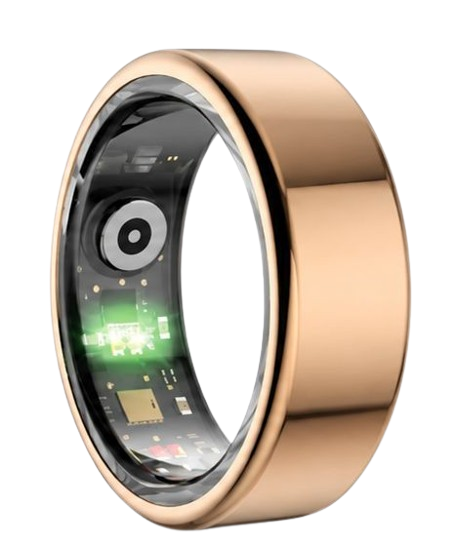
The Herz P1 Smart Ring tracks HRV, Sleep, Heart Rate & SpO2 around the clock. No subscriptions. No renewals. Ever.
In This Article
- Explore the biological mechanisms behind how late-night meals disrupt autonomic recovery.
- Understand how resting heart rate and heart rate variability (HRV) are directly affected by bedtime snacks.
- Learn practical steps to read and optimize your personal sleep architecture graphs.
- Discover how to track and evaluate overnight physiological metrics without any recurring monthly fees.
Does Eating Right Before Bed Affect Sleep? Here is What the Science Reveals

To understand how evening meals impact your rest, we must look closely at the precise biological timeline of digestion.
When you eat a meal, your stomach takes between two to four hours to process and pass the food into the small intestine.
During this time, your body must dedicate a massive portion of its energy reserves to mechanical and chemical breakdown.
This metabolic demand keeps your internal furnace running at a higher level than normal.
For optimal sleep, your core body temperature must actually drop by about one to two degrees Fahrenheit.
This natural cooling signal tells your brain that it is time to release melatonin and enter deep restorative cycles.
When you eat right before laying down, this thermal shift is severely delayed because digestion continues to generate internal heat.
This thermal conflict is why many people experience night sweats or toss and turn after a late-night feast.
Clinical studies by sleep researchers show that late-night food consumption is strongly linked to overall sleep fragmentation.
This fragmentation means you wake up frequently during the night, even if you do not consciously remember these brief awakenings.
These micro-arousals disrupt the natural progression of your sleep stages, keeping you trapped in lighter phases of sleep.
The National Sleep Foundation advises that creating a buffer between your last bite of food and your sleep is crucial for overall health.
This buffer allows your gastrointestinal system to rest and recover alongside your brain and muscles.
When your stomach is allowed to go dormant at night, your body can redirect its resources toward repairing cellular damage and building immunity.
This redirect of physical energy is essential for waking up feeling genuinely refreshed and ready to tackle your daily tasks.
If you continue to force your body to digest heavy food overnight, you are essentially asking it to run a metabolic marathon while you sleep.
This dual-tasking leaves both your digestive tract and your nervous system partially fatigued by the morning.
Over several weeks or months, this chronic overnight strain can lead to persistent exhaustion and diminished physical performance.
By tracking your metabolic patterns, you can identify exactly how long of a pre-sleep fast your specific body requires.
The Herz P1 Smart Ring is a highly sophisticated tool that helps you decode these intricate physical patterns without any monthly subscription fees — explore it here.

90-Day 100% Money-Back Guarantee
“The Herz Smart Ring helps me manage stress easily. It’s accurate, stylish, and lightweight—perfect for my busy life!”
— Jennifer P. | ✔ Verified Customer
- ✓ 6-Day Battery Life
- ✓ Detailed Sleep Analysis
- ✓ Fast 1-Hour Charging
- ✓ iOS & Android Ready
Questions? Call: 1-866-479-1629
How Digestion Alters Your Nocturnal Heart Rate and Autonomic Recovery

Your autonomic nervous system constantly balances stress and recovery using the sympathetic and parasympathetic branches.
When you are asleep, a healthy cardiovascular system experiences a natural physiological phenomenon known as cardiac dipping.
This process causes your resting heart rate to fall to its lowest point during the early hours of the night.
A lower overnight pulse gives your heart muscle a vital break from the physical demands of daily life.
However, eating late at night before bed prevents this healthy cardiac dipping from occurring.
Instead of dropping, your heart rate remains elevated for hours as your body works to process the heavy load.
This prolonged elevation directly impairs your Heart Rate Variability, which is a primary indicator of nervous system resilience.
Heart Rate Variability, or HRV, measures the tiny, millisecond fluctuations in the time intervals between consecutive heartbeats.
A high overnight HRV indicates that your parasympathetic nervous system is active and successfully repairing your body.
Conversely, a low overnight HRV indicates that your body is locked in a state of stress and struggles to recover.
When you eat a heavy meal before sleeping, your HRV drops significantly because the digestive system demands constant autonomic energy.
If you are wondering how to improve hrv, avoiding food for at least three hours before bed is one of the most effective strategies.
The American Heart Association notes that poor sleep quality and late-night eating can contribute to long-term cardiovascular strain.
By tracking your biometrics with a smart ring, you can see the direct, daily correlation between dinner timing and autonomic recovery.
The Herz P1 Smart Ring uses an advanced optical sensor to measure your heart rate and HRV every five minutes while you sleep.
This precise frequency ensures you receive a highly detailed picture of how your heart responds to different evening routines.
Understanding these trends empowers you to make lifestyle shifts that protect your heart and improve your daily vitality.
The Impact of Late-Night Eating on Sleep Architecture and Recovery Scores
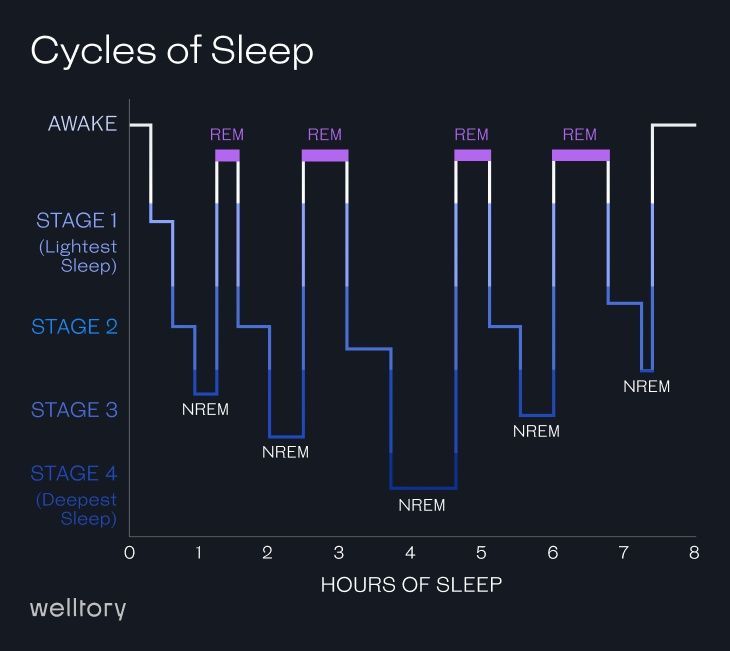
Sleep is not a uniform state of unconsciousness but a highly structured series of repeating ninety-minute cycles.
These cycles are divided into distinct stages, including light sleep, deep slow-wave sleep, and Rapid Eye Movement sleep.
Each stage of sleep serves a unique and vital role in biological repair and overall cognitive maintenance.
Deep sleep is primarily responsible for physical restoration, muscle repair, and immune system strengthening.
During this phase, your brain releases essential growth hormones to heal micro-tears in tissues and cells.
REM sleep, on the other hand, is crucial for emotional processing, memory consolidation, and creative thinking.
When digestion is active overnight, the delicate balance between deep sleep vs light sleep becomes severely disrupted.
Your body struggles to enter the deeper stages of sleep because the central nervous system remains highly alert.
As a result, you spend a disproportionate amount of the night in light, easily disrupted sleep stages.
This structural imbalance often leads to frequent micro-arousals that you might not even remember the next morning.
Over time, a lack of consistent deep sleep can leave you feeling chronically exhausted and physically depleted.
The Herz P1 Smart Ring translates these complex overnight sleep patterns into a single, intuitive readiness score each morning.
This daily score combines your heart rate, sleep duration, HRV, and physical activity to assess your capacity for the day ahead.
When you eat a heavy, high-sodium meal right before sleeping, you will likely notice a significant drop in this score.
Seeing this direct biometric feedback helps you understand exactly why you wake up feeling sluggish after late dinners.
It provides the objective, scientific evidence you need to refine your evening habits and reclaim your sleep quality.
Practical Application: How to Use Sleep Graphs to Optimize Dinner Timing
Developing a healthy relationship with evening nutrition requires more than just guesswork and intuition.
It requires clear, personalized data that shows exactly how your body processes nutrients while resting.
Learning how to read sleep graphs is the first step toward masterfully optimizing your lifestyle.
When you open the Herz P1 app, you are presented with detailed visual charts that map your overnight physiological stages.
On a night following an early, light dinner, your sleep graph should display a clean, smooth heart rate curve.
This curve should decrease steadily in the first half of the night and stabilize near your true resting pulse.
Your sleep stage chart should also show long, uninterrupted blocks of deep sleep early in your sleep cycle.
On a night following a late, heavy meal, the sleep graph will look vastly different and highly fragmented.
You will likely see a jagged heart rate line that remains elevated until the early morning hours.
The sleep stage chart will show frequent awakenings and an absence of deep sleep during the first few cycles.
By comparing these graphs over several weeks, you can identify your personal threshold for evening eating.
Some users find they can eat a small snack up to two hours before bed without any biometric penalty.
Others discover that any calories consumed within four hours of sleep trigger an immediate drop in recovery metrics.
The comfort of the Herz P1 Smart Ring makes it incredibly easy to gather this continuous, multi-week data.
Unlike bulky smartwatches that pinch the wrist or trap sweat, the slim titanium ring fits comfortably on your finger.
You will barely feel it as you sleep, ensuring you get accurate, natural data every single night.
This seamless experience removes the friction of health tracking, allowing you to focus entirely on your wellness goals.
Different types of foods have vastly different digestive timelines and physiological impacts.
High-fat and high-protein meals require the longest digestion time and place the greatest strain on overnight recovery.
Simple carbohydrates can trigger rapid blood sugar spikes followed by sharp drops that wake you up in the middle of the night.
Light, fiber-rich foods or small, balanced snacks are much easier on the gastrointestinal tract before bed.
We have compiled a clear comparison table to help you understand how different evening foods impact your biometrics.
| Meal Category | Digestive Window | Overnight Biometric Impact |
|---|---|---|
| High-Fat / High-Protein (Steak, Deep-Fried Foods) | 4 to 6 Hours | Elevated heart rate, reduced deep sleep, significant drop in HRV metrics. |
| High-Sugar / Simple Carbs (Ice Cream, Pasta, Candy) | 2 to 3 Hours | Blood sugar spikes, nighttime micro-arousals, delayed onset of REM sleep. |
| Light / Balanced Snack (Almond Butter on Toast, Banana) | 1 to 2 Hours | Minimal cardiac strain, stable blood glucose, normal sleep architecture. |
This table serves as a general physiological guide based on average metabolic processing times.
Your individual metabolic rate, age, and physical activity levels will also influence these digestive outcomes.
Consistently tracking your meals alongside your Herz P1 data is the most reliable way to find what works for you.
The military-grade steel construction of the ring ensures it can withstand any daily activity as you collect this data.
It is fully IP68 waterproof, meaning you can wash dishes, shower, or swim without ever taking it off.
This level of durability means you never have to worry about damaging your tracker during your daily routine.
Overcoming Risks and Common Sleep Tracking Mistakes
A major mistake many people make when trying to improve their sleep is wearing an uncomfortable, heavy smartwatch to bed.
The physical size of these devices can cause you to wake up when you turn over or adjust your sleeping position.
They also require frequent, sometimes daily, charging, which often leads to users leaving them on the nightstand overnight.
This charging gap means you lose vital data precisely when your body is undergoing its most important recovery phases.
Another frustrating barrier in the modern wearable market is the unexpected cost of monthly app subscriptions.
Many brands lock your detailed health data behind a paywall, requiring you to pay an ongoing monthly fee.
This model turns your health tracker into a continuous financial burden, costing you hundreds of dollars over time.
At Herz P1, we believe that you should never have to pay a subscription fee to access your own body’s data.
The Herz P1 app is entirely free for life, with no hidden charges, locked features, or subscription pop-ups.
Once you purchase the ring, you own your hardware and your data completely and forever.
This transparent, user-first approach makes high-quality biometric tracking accessible and affordable for everyone.
It allows you to build a long-term, multi-year record of your health trends without any financial stress.
Frequently Asked Questions About Sleep and Wearable Biometrics
Is the Herz P1 Smart Ring fully waterproof?
The Herz P1 features a robust IP68 waterproof rating that protects it in all daily liquid environments.
You can submerge the ring in water up to 164 feet (50 meters) without causing any damage.
This means you can wear it while swimming, showering, washing your hands, or sweating during intense workouts.
The seamless, military-grade outer shell prevents any moisture from reaching the sensitive internal optical sensors.
How long does the battery last on a single charge?
The Herz P1 is engineered with an ultra-efficient battery that lasts up to 6 days under normal usage conditions.
This long battery life eliminates the daily charging anxiety associated with traditional smartwatches.
When the battery does run low, you can charge it fully in under 1 hour using the included magnetic charging dock.
This rapid charging capability means you can quickly power it up during your morning shower without missing any tracking data.
Which finger is the best choice for wearing a smart ring?
For the highest level of biometric sensor accuracy, we recommend wearing the ring on your index or middle finger.
These fingers generally have a more uniform shape and optimal blood flow close to the surface of the skin.
The non-dominant hand is also preferred because it experiences fewer high-impact movements during daily tasks.
However, the Herz P1 can be worn comfortably on any finger that provides a secure, snug fit without spinning.
Does the ring store biometric data when disconnected from my phone?
Yes, the Herz P1 features advanced onboard memory that stores up to 7 days of detailed tracking data offline.
You do not need to keep your smartphone nearby or leave your Bluetooth on constantly throughout the day.
Once you open the companion app, the ring will automatically sync all stored data in just a few seconds.
This allows you to disconnect from technology during your sleep while still capturing every vital metric.
Does eating high-sugar foods before bed cause nightmares?
Eating high-sugar foods late at night can cause rapid fluctuations in your blood glucose levels.
This spike in blood sugar is often followed by a sharp drop called reactive hypoglycemia in the middle of the night.
This sudden drop triggers a stress response in your body, releasing cortisol and adrenaline to stabilize glucose levels.
This hormonal surge can cause micro-arousals, vivid dreams, or what feels like stress-induced nightmares.
Conclusion: Unlock Your True Sleep Potential
Managing your nutrition timing is one of the most effective ways to instantly elevate your overnight physical recovery.
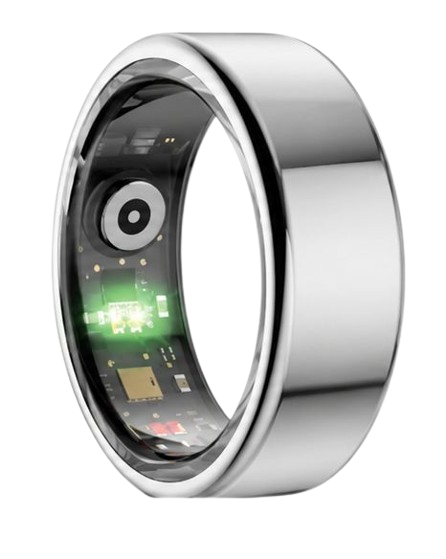
The Herz P1 Smart Ring provides the clear, continuous physiological feedback you need to master this balance easily.
Ready to monitor your health every day? Explore the Herz P1 Smart Ring and see if it fits your lifestyle. Call: 1-866-479-1629 — our team can help you advise on the correct ring size and set personalized health goals.
