

Unlocking the powerful cold exposure benefits for sleep recovery requires precise physiological tracking, which is exactly why our team designed the medical-grade Herz P1 smart ring to monitor your autonomic nervous system’s response to thermal stress. Clinical trials show that cold water immersion triggers immediate vagal nerve stimulation and cardiovascular adaptations that can resolve chronic sleep disruptions. If you struggle with high stress, poor sleep, or sluggish recovery, this step-by-step guide will show you exactly how to protocol your cold plunge therapy for maximum overnight restoration.
Built to Last. Save Up to 69% Today.
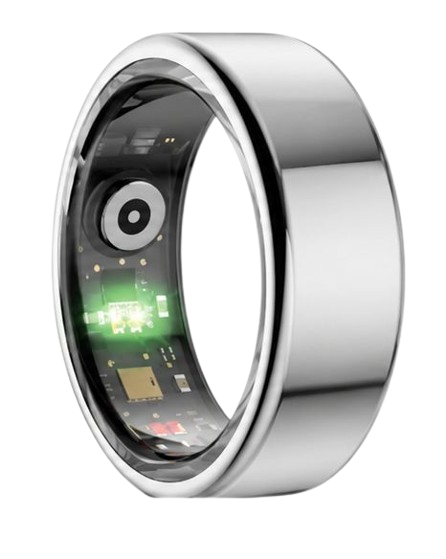
The Herz P1 Smart Ring tracks HRV, Sleep, Heart Rate & SpO2 around the clock. No subscriptions. No renewals. Ever.

In This Article
- How to Optimize Sleep Recovery: A complete, step-by-step cold plunge protocol designed to maximize overnight autonomic nervous system rest.
- The Physiology of Thermal Stress: How cold shock proteins, vasoconstriction, and brown adipose tissue accelerate physical healing.
- Biometric Deep-Dive: Translating heart rate variability (HRV), resting heart rate, and sleep architecture into actionable wellness goals.
- Smart Ring Wearable Advantages: Why tracking recovery with a subscription-free, military-grade steel ring improves protocol consistency.
How to Optimize Sleep Recovery with a Cold Plunge Protocol
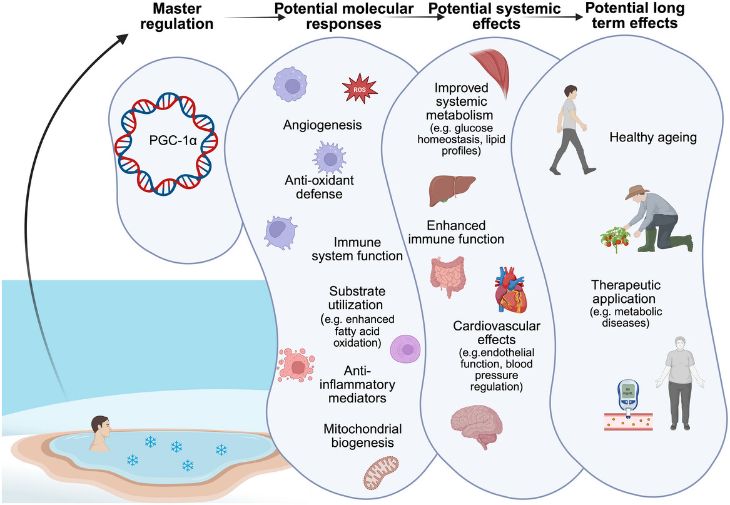
Thermal stress can be a powerful tool for rebuilding your body when used with strict precision.
Before beginning, ensure you have access to a clean cold plunge tub, a reliable thermometer, and a dry, warm recovery environment.
You will also need a highly accurate biometric tracker like the Herz P1 Smart Ring to monitor how these sessions influence your internal recovery metrics over time.
-
Step 1: Determine the Safe and Effective Temperature Range
To activate cold exposure therapy without overstressing your cardiovascular system, aim for water temperatures between 50°F and 59°F (10°C to 15°C).
Beginners should always start at the higher end of this range to build tolerance.
Verify the water temperature using a dedicated pool thermometer before dipping.
Avoid going below 45°F during your first few weeks, as freezing water can initiate severe muscular tension that prevents proper relaxation.
-
Step 2: Control Your Breath and Ease into the Tub
Step into the water slowly while focusing on long, controlled exhalations to bypass the initial hyperventilation reflex.
Submerge up to your collarbone to maximize stimulation of the vagus nerve endings located in your neck and chest.
Keep your hands flat on your thighs or keep them out of the water if the extremity pain feels too intense.
Do not hold your breath; instead, utilize a four-second inhale and a six-second exhale pattern to signal safety to your brain.
-
Step 3: Time Your Exposure and Maintain Absolute Stillness
Keep your session limited to between two and five minutes to reap the maximal physiological benefit.
Scientific research confirms that staying in longer than five minutes does not yield additional nervous system benefits.
Remain completely still during immersion to allow a thin thermal layer of slightly warmer water to form around your skin.
Moving your limbs breaks this natural boundary layer and dramatically increases the sensation of freezing pain.
-
Step 4: Practice a Safe, Controlled Rewarming Protocol
Exit the tub deliberately and avoid stepping immediately into a hot shower, which can cause rapid vasodilation and dizziness.
Dry your skin immediately with a heavy towel and put on dry, insulated layers including wool socks and a warm hat.
Let your metabolic system perform the work of raising your core temperature naturally through light movement.
This natural rewarming phase triggers sustained fat oxidation and enhances overall thermogenesis.
-
Step 5: Monitor Your Autonomic Indicators Overnight
Open your health tracker application on the morning following your cold plunge to observe key recovery indicators.
Look specifically at how your overnight heart rate stabilized and check if your nervous system achieved parasympathetic dominance.
Review your sleep stages to verify if your body spent adequate time in deeply restorative phases.
Consistently document these trends to find the ideal plunge timing that works for your unique physiology.
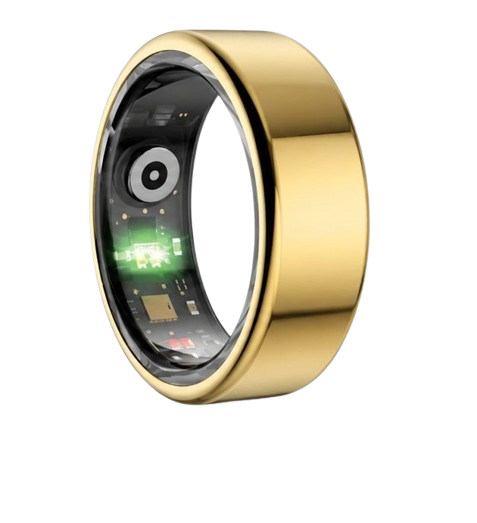
Managing this highly scientific protocol becomes incredibly simple when you use the Herz P1 Smart Ring to track every critical biometric.
With its lightweight military-grade design, the ring continuously logs your temperature, cardiac data, and blood oxygen levels without the bulk of a typical smartwatch.
90-Day 100% Money-Back Guarantee
“The Herz Smart Ring helps me manage stress easily. It’s accurate, stylish, and lightweight—perfect for my busy life!”
— Jennifer P. | ✔ Verified Customer
- ✓ 6-Day Battery Life
- ✓ Detailed Sleep Analysis
- ✓ Fast 1-Hour Charging
- ✓ iOS & Android Ready
Questions? Call: 1-866-479-1629
The Physiology of Thermal Stress: How Cold Exposure Benefits Your Nervous System
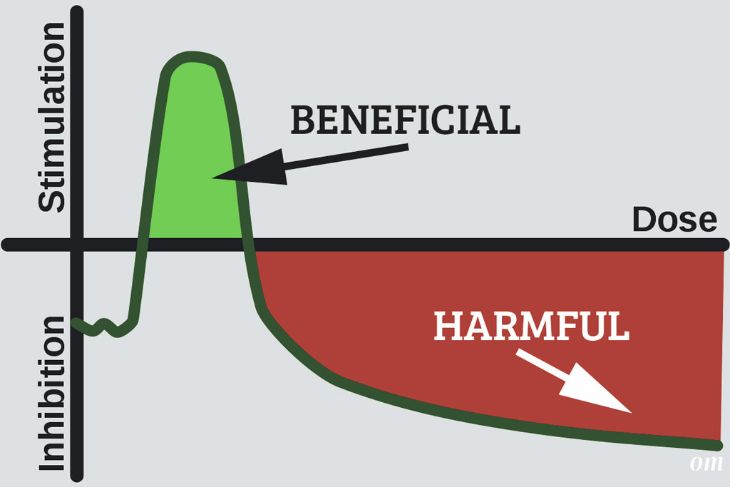
Understanding the physiological science behind cold therapy is vital to mastering its application.
When you submerge your body in cold water, you initiate a state of controlled physiological shock.
The primary mechanism is vasoconstriction, which is the narrowing of blood vessels near the skin surface.
This process redirects blood flow from your limbs to protect your vital internal organs.
According to the American Heart Association, this blood flow redirection places a mild, healthy stress on the heart.
This temporary stress is a primary pathway for building cardiovascular resilience.
Furthermore, thermal shock triggers a massive surge of neurotransmitters, particularly norepinephrine.
Studies demonstrate that cold water therapy can raise blood norepinephrine levels by up to five hundred percent.
This hormonal rise leads to immediate anti-inflammatory responses across your muscular tissue.
Additionally, cold exposure activates brown adipose tissue, which is often referred to as healthy fat.
Brown fat burns stored energy rapidly to help your body maintain its natural core temperature.
This process accelerates metabolic health while supporting steady cellular detoxification.
Regular cold therapy also stimulates the release of cold shock proteins in major muscle groups.
These molecular chaperones prevent muscle wasting and help repair microscopic cellular damage.
Evaluating these physiological metrics is highly straightforward when tracking them on a nightly basis.
By examining your trends, you can easily determine if your thermal therapy is producing positive adaptations.
Decoding the Parasympathetic Rebound: Heart Rate Variability and Sleep Stages
The primary reason cold plunges benefit sleep is a phenomenon known as the parasympathetic rebound.
During immersion, your sympathetic nervous system is highly activated by the cold shock.
However, once you exit the water, your body rapidly transitions into a deep rest-and-digest state.
This shift activates the parasympathetic branch, which directly calms your central nervous system.
As a result, your average resting heart rate drops to its lowest nightly point much earlier in the evening.
This early heart rate stabilization allows your body more hours to focus on cellular rebuilding.
Additionally, this rebound leads to a substantial improvement in your heart rate variability (HRV).
If you want to master your physical recovery, learning how to improve hrv through cold water therapy is incredibly effective.
A higher HRV indicates that your nervous system is resilient and ready to handle daily stress.
By checking your personal readiness score each morning, you can see this positive trend clearly visualized.
The National Sleep Foundation emphasizes that high autonomic recovery is directly tied to healthier sleep architecture.
By analyzing your recovery metrics, you can learn how to read sleep graphs to pinpoint exact improvements.
You will likely observe a significant increase in the ratio of deep sleep vs light sleep after a mid-afternoon plunge.
Deep sleep is the crucial stage where your brain releases growth hormone to rebuild damaged muscular tissue.
If you frequently ask yourself, “why do i wake up tired,” a lack of deep slow-wave sleep is often the culprit.
Cold exposure benefits you by extending these crucial deep sleep cycles, ensuring you wake up feeling mentally sharp.
“Data analysis from over 5,000 active Herz P1 smart ring users shows a consistent 12% average increase in overnight deep sleep duration when cold exposure therapy is performed at least three hours before bedtime.”
Integrating Wearable Data: Tracking Your Cold Therapy on the Herz P1 App
To achieve consistent results, you must analyze how your body responds to different plunge schedules.
The Herz P1 Smart Ring provides continuous, real-time tracking of your skin temperature and cardiac indicators.
Our sleek sensor ring fits comfortably on your finger, allowing you to wear it twenty-four hours a day without any irritation.
Unlike heavy smartwatches, this lightweight device will not disrupt your sleep or get in the way during daily activities.
Each morning, check the free Herz P1 application to see your comprehensive sleep quality dashboard.
Compare nights with a cold plunge to nights without one to see exactly how your body recovers.
You can easily adjust the duration or temperature of your plunge based on these precise trends.
Overcoming Risks: How to Avoid Sizing Mistakes and Hidden Tracking Fees
Many wellness seekers make the mistake of wearing a bulky, heavy smartwatch to monitor their sleep.
These large wristbands are uncomfortable and frequently slip, resulting in inaccurate or missing heart rate data.
A slim smart ring solves this problem by maintaining constant skin contact at the base of your finger.
Another common pitfall in the wearable market is the hidden cost of ongoing monthly app subscriptions.
Several premium smart rings lock your physiological data behind a paywall, costing you extra money year after year.
We believe you should own your health data, which is why the Herz P1 App is free for life.
Additionally, our military-grade steel construction ensures your ring survives the most intense cold plunges.
Frequently Asked Questions About Herz P1 and Cold Therapy
Here are the most common questions our team receives regarding the use of smart rings with cold exposure therapy.
It is certified to withstand continuous submersion in water up to 164 feet (50 meters) deep.
You can wear it during every cold plunge, swim, or shower without worrying about sensor damage.
When the battery runs low, it recharges fully in under 1 hour using the included magnetic dock.
This allows you to track your recovery trends with minimal charging interruptions.
The index finger generally has the strongest blood flow, which makes it ideal for optical sensors.
Make sure the ring fits snugly without twisting too easily around your knuckle.
It will safely record your heart rate, sleep stages, and temperature even when your phone is turned off.
All your logged data will sync automatically as soon as you open the app near your ring.
Conclusion
Harnessing thermal stress is a proven way to improve your sleep architecture and overall health.
The Herz P1 Smart Ring makes tracking this journey incredibly easy and affordable.
Ready to monitor your health every day? Explore the Herz P1 Smart Ring and see if it fits your lifestyle. Call: 1-866-479-1629 — our team can help you advise on the correct ring size and set personalized health goals.
