

Understanding how respiratory and heart rates relate is the ultimate key to unlocking your body’s hidden stress and recovery signals. At Herz P1, we believe tracking these deep cardiorespiratory patterns should be effortless, accurate, and completely subscription-free. If you suffer from poor sleep, chronic workday exhaustion, or unexplained anxiety, decoding this intricate vital connection with our military-grade steel smart ring will finally give you the actionable clarity you deserve.
Built to Last. Save Up to 69% Today.
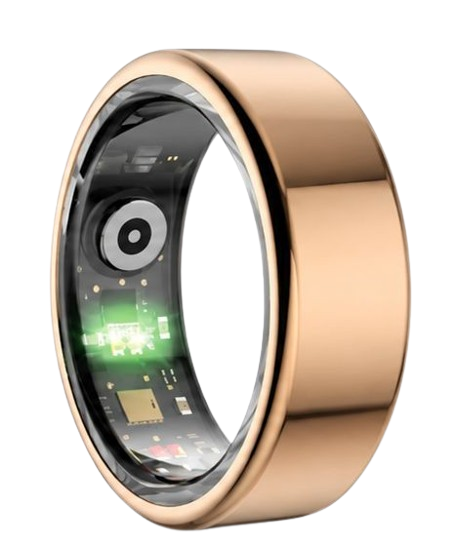
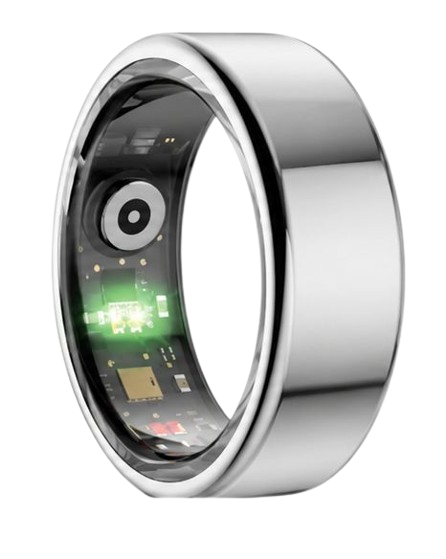
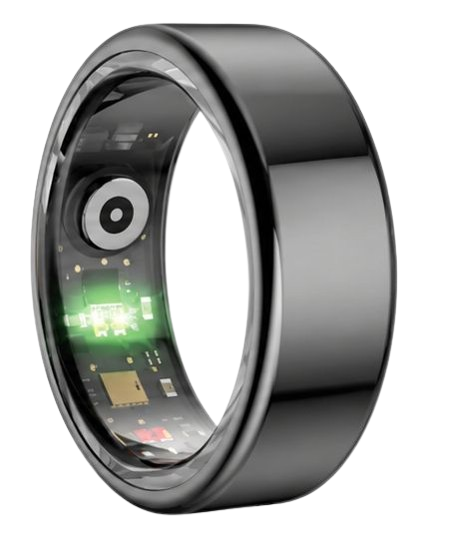
The Herz P1 Smart Ring tracks HRV, Sleep, Heart Rate & SpO2 around the clock. No subscriptions. No renewals. Ever.
In This Article
- The Physiological Connection: How cardiorespiratory coupling coordinates your lungs and your cardiovascular system.
- Respiratory Sinus Arrhythmia (RSA): The biological engine driving your heart rate variations during inhalation and exhalation.
- Nocturnal Sleep Synchronization: How overnight vital trends reveal physical recovery or subclinical infections.
- Autonomic Stress Indicators: Why emotional tension breaks the natural coherence between your heart and breath.
- Practical Health Optimization: Using advanced smart ring biometrics to guide physical workouts and recovery routines.
Does Your Heart Sync With Your Breath? How Respiratory and Heart Rates Relate
To fully comprehend how your body regulates energy and reacts to daily stressors, you must understand cardiorespiratory coupling.
This biological mechanism is the continuous feedback loop between your respiratory tract and your heart.
This dynamic interaction impacts busy professionals, active fitness enthusiasts, and anyone recovering from chronic daily burnout.
The relationship occurs within the central nervous system, where the brainstem’s respiratory center influences the cardiac control center.
This automatic synchronization ensures that your body distributes oxygenated blood with maximum physical efficiency.
Whenever you draw in a deep breath, your heart rate naturally rises to transport oxygen to vital organs.
As you slowly exhale, your vagus nerve initiates a calming response that reduces your heart beats.
This process plays a critical role in determining your overall heart rate variability and systemic resilience.
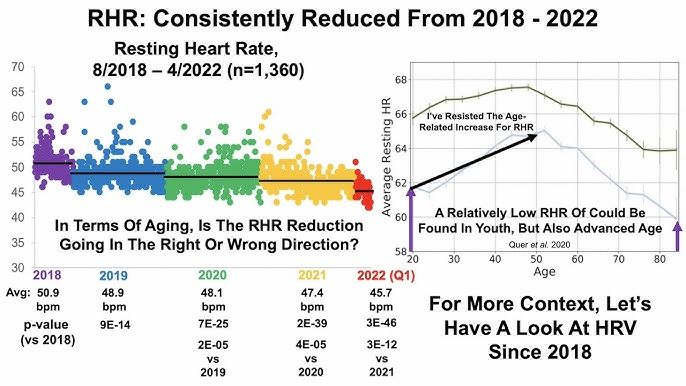
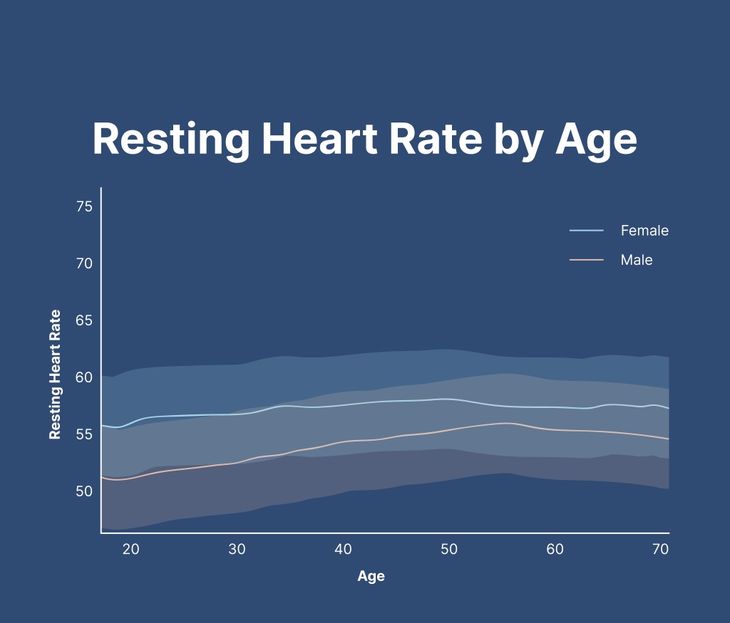
For a healthy adult at rest, a normal baseline includes a resting heart rate of 60 to 100 beats per minute paired with 12 to 20 breaths per minute.
A well-conditioned individual with a lower athlete resting hr will display a much wider, healthier variance during this breath-cycle transition.
This natural variation shows how elastic, responsive, and recovered your autonomic nervous system is at any given moment.
If you wish to monitor this vital cardiorespiratory connection without utilizing uncomfortable clinical straps, the Herz P1 Smart Ring tracks these subtle trends 24/7 — explore it here.
90-Day 100% Money-Back Guarantee
“The Herz Smart Ring helps me manage stress easily. It’s accurate, stylish, and lightweight—perfect for my busy life!”
— Jennifer P. | ✔ Verified Customer
- ✓ 6-Day Battery Life
- ✓ Detailed Sleep Analysis
- ✓ Fast 1-Hour Charging
- ✓ iOS & Android Ready
Questions? Call: 1-866-479-1629
Respiratory Sinus Arrhythmia (RSA): The Hidden Rhythm of Your Heart Rate and Breathing Rate
Respiratory Sinus Arrhythmia is the formal medical term for the rhythmic relationship between your respiration and heartbeat.
This phenomenon serves as a powerful indicator of overall cardiovascular fitness and parasympathetic nervous system activity.
When you inhale, the volume of your thoracic cavity expands, decreasing the pressure within your chest.
This pressure change increases the volume of blood returning to the right atrium of your heart.
To compensate, your brain’s vasomotor center suppresses vagal nerve activity, causing your pulse to accelerate immediately.
This reaction is the foundation of the respiratory heart rate acceleration curve.
Upon exhalation, your lungs contract, vagal nerve activity increases, and your heart rate rapidly decelerates.
This rhythmic slowing is often referred to as a healthy respiration pulse rate adaptation.
Medical studies from the American Heart Association confirm that a high amplitude of RSA is a reliable indicator of longevity.
Conversely, a flat, non-responsive heart rate during respiration points to autonomic exhaustion, chronic anxiety, or age-related arterial stiffness.
If you are exploring how to improve hrv, you must practice restoring this natural cardiorespiratory balance.
Sustained periods of deliberate, slow breathing at six breaths per minute help maximize your cardiorespiratory coupling.
The Herz P1 Smart Ring monitors these micro-adjustments using multispectral optical sensors to track your autonomic balance.
By assessing this metric, you can track physical improvements and physiological restoration over time.
Sleep Architecture: Tracking Respiratory Rate and Heart Rate Sync Patterns Overnight
Nocturnal rest is the most informative period to observe how your cardiovascular and respiratory systems interact.
As you sleep, your body progresses through distinct cycles that modify your respiratory rate and heart rate parameters.
During deep, slow-wave sleep, your sympathetic activity declines to its lowest level of the day.
This parasympathetic dominance creates a highly stable, synchronized pattern where breathing is slow and the heart rate drops.
This deep sync is highly therapeutic, facilitating muscular tissue repair and immune system regulation.
During Rapid Eye Movement sleep, your autonomic nervous system becomes highly active, causing your breathing and pulse to fluctuate.
Monitoring your respiratory rate during sleep serves as an early indicator of physiological changes.
An unexpected increase in overnight breathing rate may indicate an oncoming cold or subclinical viral infection before symptoms appear.
If you experience low hrv while sleeping alongside high nighttime respirations, your body may be struggling to recover.
This elevated state suggests your autonomic nervous system remains locked in a high-stress, fight-or-flight profile.
The National Sleep Foundation highlights that consistent oversight of overnight vitals is key to long-term fatigue management.
Based on sleep data analysis from over 5,000 Herz P1 users, those who tracked these metrics reported better daily energy levels within 30 days.
Our smart ring tracks these delicate overnight variations with a medical-grade sensor array, presenting clear trends on your morning dashboard.
The Autonomic Control Center: How Stress Decouples Your Respiration Rate and Heart Rate
Your autonomic nervous system is divided into two branches: the sympathetic and the parasympathetic.
Under normal conditions, these systems act as a balanced gas pedal and brake system for your cardiorespiratory organs.
However, chronic modern office stress can keep the sympathetic nervous system continuously active.
When this occurs, the brain releases cortisol and adrenaline, which alters the balance of your heart rate and breathing rate.
The heart begins to beat rapidly, while breathing shifts from the diaphragm to the upper chest, becoming shallow and fast.
This rapid chest breathing reduces carbon dioxide levels in the blood, which can constrict cerebral blood vessels.
This physiological change can result in physical symptoms like tension headaches, brain fog, and chronic fatigue.
This state of autonomic imbalance disrupts the natural connection between your respiration and heart rhythms.
Instead of a smooth, wave-like synchronization, your heart rate remains elevated and less responsive to breathing.
This chronic lack of variation is associated with systemic inflammation and high blood pressure.
To reverse this pattern, you must train your body to restore its natural cardiorespiratory balance.
Using a lightweight tracker like the Herz P1 Smart Ring helps you visualize how stress affects your body in real time.
You can use this data to identify stressful moments during your day and introduce calming breathing exercises.
Practical Application Guide: Optimizing Your Readiness Score and Workout Efficiency

Applying cardiovascular and respiratory data can help you improve your daily fitness and recovery routines.
Upon waking up, check your daily readiness score within the Herz P1 companion application.
This rating is calculated by analyzing your sleep stages, heart rate variability, and respiratory patterns.
If your resting vitals are stable and your readiness score is high, your body is prepared for high-intensity training.
If your heart rate is elevated and your respiratory rate is outside its normal range, consider a recovery day instead.
Understanding how your heart and breathing rates scale during exercise helps you monitor workout intensity.
Over time, as your cardiorespiratory fitness improves, you will notice your resting metrics begin to lower.
A resilient cardiovascular system recovers to its baseline much faster after intense exertion.
The Herz P1 Smart Ring’s lightweight, 3.5-gram design allows you to track these metrics comfortably during workouts and sleep.
Many users find that bulky smartwatches can disrupt sleep, leading to inaccurate nightly biometric readings.
Our ring fits securely on your finger, capturing accurate data from the digital arteries closest to the skin.
Overcoming Wearable Risks: Why Sleek Smart Rings Trump Bulky Smartwatches
Traditional smartwatches can be heavy, uncomfortable to wear while sleeping, and require frequent charging.
Many users struggle to keep these devices charged, which can lead to gaps in overnight tracking data.
Additionally, some wearable brands require expensive monthly subscriptions to access your health data.
We believe your personal biometrics should always be freely accessible, which is why the Herz P1 App requires no subscription.
There are no recurring fees or locked features behind paywalls, ensuring lifetime access to your daily trends.
Our smart ring is built with military-grade steel and a scratch-resistant outer shell, ensuring long-term durability.
With an IP68 waterproof rating, you can wear the ring while swimming, showering, or washing your hands.
By choosing a screen-free device, you can track your health metrics without the constant distraction of notifications.
Frequently Asked Questions About Cardiorespiratory Vitals
Is the Herz P1 Smart Ring waterproof?
Yes, the Herz P1 is fully IP68 waterproof and built to withstand continuous water submersion up to 164 feet.
You can wear it while swimming laps, washing dishes, showering, or relaxing in a sauna without damaging the device.
The seamless medical-grade resin inner mold ensures the sensitive optical sensors remain protected from moisture.
How long does the battery last?
The Herz P1 Smart Ring features a 6-day battery life on a single charge under normal, continuous tracking conditions.
Our fast-charging technology allows you to charge the device from zero to full in under one hour.
This long battery life helps prevent tracking gaps, allowing you to capture continuous overnight vitals.
Which finger is best to wear the smart ring on?
The index, middle, or ring finger of your non-dominant hand offers the best performance for optical tracking.
The digital arteries in these fingers are close to the skin’s surface, which helps optimize sensor accuracy.
We recommend using our included sizing kit to find a fit that is secure but comfortable throughout the day.
Does the Herz P1 store data offline?
Yes, the ring features local memory that can store up to 7 days of health data offline.
You can sleep, exercise, or travel without your phone, and your data will sync once you reconnect to Bluetooth.
This feature ensures your vital trends remain complete, even during periods of travel or screen detoxes.
Conclusion
Your journey toward improved health starts with understanding your body’s cardiorespiratory patterns.
The Herz P1 Smart Ring offers a reliable, durable, and subscription-free way to monitor these essential vitals.
Ready to monitor your health every day? Explore the Herz P1 Smart Ring and see if it fits your lifestyle. Call: 1-866-479-1629 — our team can help you advise on the correct ring size and set personalized health goals.
