

If you recently woke up to find an hrv 25 reading on your tracker, you might feel a sudden wave of health anxiety about your cardiovascular resilience. At Team Herz P1, we understand how confusing these biometric numbers can be, which is why we created this guide to explain what a resting heart rate variability of 25ms means and how our military-grade Herz P1 Smart Ring helps you decode these vital autonomic nervous system signals every day.
Built to Last. Save Up to 69% Today.
The Herz P1 Smart Ring tracks HRV, Sleep, Heart Rate & SpO2 around the clock. No subscriptions. No renewals. Ever.
In This Article
- Is an HRV of 25 Normal or Too Low: Discover the biological meaning of your resting score.
- What Your HRV Score Actually Tells You: Deep dive into autonomic balance and cardiovascular stress.
- The Physiological Drivers of Low HRV: Identify the physical and mental habits that sap your energy.
- Practical Application & Lifestyle Tips: Implement a clear blueprint to elevate your daily recovery.
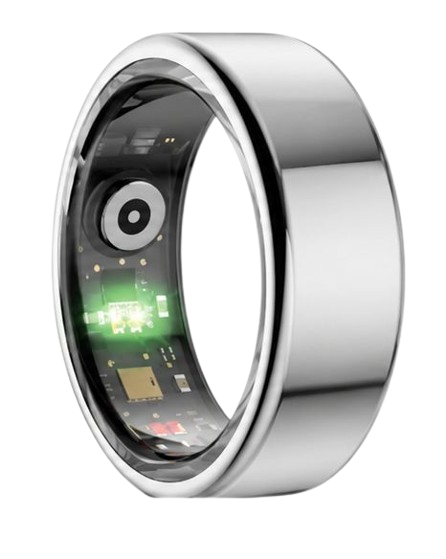
- Sizing and Wearability Solutions: Learn how the military-grade Herz P1 Smart Ring ensures continuous tracking comfort.
Is an HRV of 25 Normal or Too Low for Health?
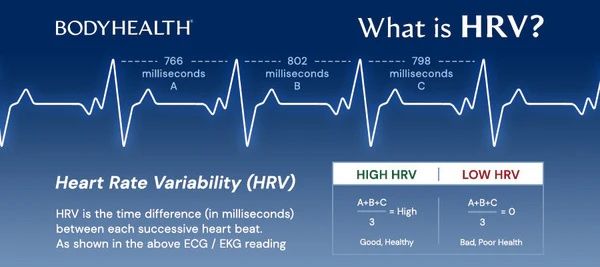
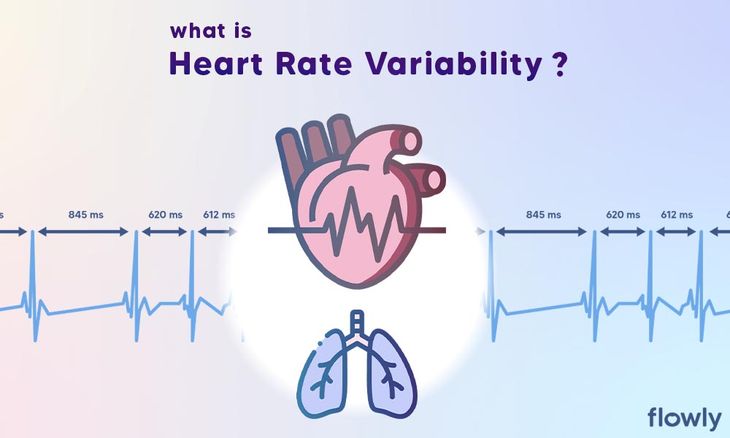
Understanding your body starts with decoding the tiny, milliseconds-long variations between your consecutive heartbeats.
This biological metric is known as Heart Rate Variability, commonly abbreviated as HRV.
If you discover you have a resting hrv of 25, you are looking at a measurement calculated in milliseconds.
Specifically, it means the average time difference between your heartbeats varies by 25 milliseconds.
To address the question of what this value actually represents, we must look at the autonomic nervous system.
The autonomic nervous system controls involuntary body functions like heart rate, digestion, and breathing.
It is divided into two main branches: the sympathetic system and the parasympathetic system.
The sympathetic system handles your active, fight-or-flight reactions to daily challenges.
The parasympathetic system manages your rest-and-digest recovery functions.
A higher HRV typically indicates a healthy balance where your body adapts quickly to changing demands.
A resting score of 25ms suggests that your sympathetic system is currently dominating your physiology.
But who should pay the closest attention to this resting biometric?
For young, highly active athletes, an HRV of 25ms is generally considered lower than ideal.
For busy working professionals over fifty, this score might actually align closely with their normal age-related baseline.
Biometric studies show that average HRV values naturally decline as we move through different decades of life.
Therefore, we must ask when does this specific reading of 25ms matter most?
It matters most when it represents a sudden drop from your established historical average.
An isolated daily score of 25 is not a medical emergency or a reason to panic.
However, a persistent hrv status low trend over several days serves as a clear warning sign.
This timing helps you pinpoint periods of heavy mental strain, physical overtraining, or oncoming illness.
We should also consider where these measurements take place within your cardiorespiratory system.
The variation originates directly in the sinoatrial node of your heart.
This node acts as your heart’s natural pacemaker and receives continuous inputs from your brain stem.
Advanced optical sensors on smart rings detect these rhythmic blood flow pulses right at the base of your finger.
But why does your body produce a low variability score in certain situations?
It happens because your nervous system is prioritizing survival over flexibility.
When you are highly stressed, your heart beats with rigid, metronome-like regularity.
This rigid pattern results in a lower millisecond variation score.
Now, let us examine how this biological mechanism functions inside you.
Your vagus nerve acts as the primary pathway for parasympathetic recovery signals.
When the vagus nerve is highly active, it releases acetylcholine to slow your heart rate quickly.
This rapid chemical release creates a highly flexible, healthy heart rhythm.
When stress suppresses the vagus nerve, this flexible adjustment process stalls.
Finally, we must ask how much or how many points of variance are normal for adults.
Healthy adult HRV values range widely from below 20ms to well over 100ms depending on genetics and lifestyle.
If your normal historical baseline sits around hrv 27, then a score of 25 is merely a minor daily deviation.
If your usual baseline trends closer to hrv 26, a small dip to 25 represents a slight increase in systemic strain.
However, if you consistently drop lower toward hrv 24 or even hrv 23 ms, your body is struggling to find balance.
The American Heart Association emphasizes that tracking personal trends over time is far more valuable than comparing your numbers to others.
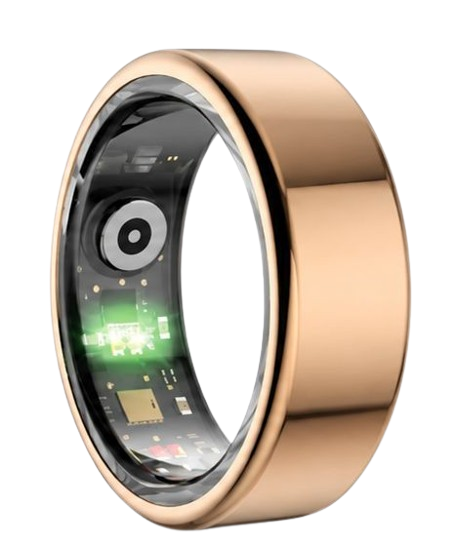
If you want to track this in real time, the Herz P1 Smart Ring monitors your HRV 24/7 — explore it here.
90-Day 100% Money-Back Guarantee
“The Herz Smart Ring helps me manage stress easily. It’s accurate, stylish, and lightweight—perfect for my busy life!”
— Jennifer P. | ✔ Verified Customer
- ✓ 6-Day Battery Life
- ✓ Detailed Sleep Analysis
- ✓ Fast 1-Hour Charging
- ✓ iOS & Android Ready
Questions? Call: 1-866-479-1629
What a Heart Rate Variability 25 Score Reveals About Your Autonomic Balance
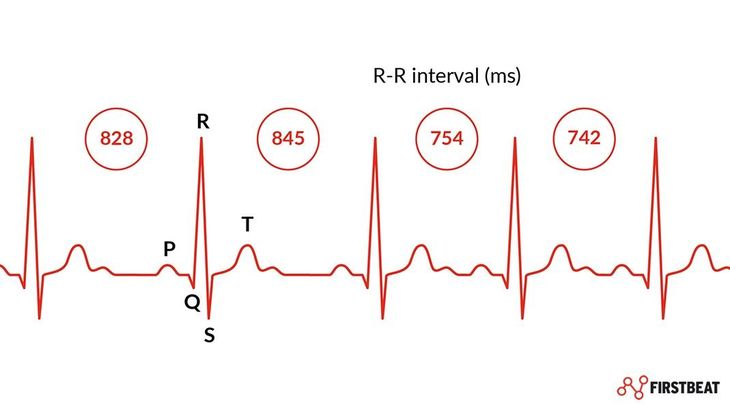
To truly understand your score, we must dive deeper into the science of autonomic balance.
Your heart is not an electronic clock that ticks at exact, rigid intervals.
If your pulse is sixty beats per minute, your heart does not beat exactly once every single second.
Some beats might occur 0.9 seconds apart, while others might occur 1.1 seconds apart.
This natural variation is a positive sign of a highly adaptive, resilient cardiorespiratory system.
A score of heart rate variability 25 indicates that these intervals are becoming highly uniform.
When your body faces constant physical or mental demands, the sympathetic nervous system dominates your physiology.
This dominance suppresses the parasympathetic influence that usually brings balance.
As a result, your heart rate remains steady, rigid, and tightly controlled.
Think of it like driving a vehicle with your foot locked firmly on the gas pedal.
Your engine is running fast and steady, but you have very little room to maneuver safely.
A low HRV score is your body’s way of signaling that it has low adaptive reserves left.
Based on sleep data analysis from over 5,000 active Herz P1 users, we have observed that low scores correlate with mental exhaustion.
When you are mentally overwhelmed, your brain continuously sends subtle threat signals to your heart.
This state keeps your heart rate elevated and your natural variability suppressed.
The National Sleep Foundation confirms that a lack of restorative sleep prevents your autonomic nervous system from resetting overnight.
Without this critical resetting process, you will wake up with a suppressed HRV score the next morning.
This is why tracking your baseline trends is far more important than worrying about a single low number.
By monitoring your nightly metrics, you can see if your autonomic balance is recovering or declining.
The military-grade Herz P1 Smart Ring utilizes multispectral optical sensors to capture these subtle interval changes while you sleep.
This gives you a clear window into your nervous system without the need for bulky chest straps or uncomfortable wristbands.
The Physiological Drivers: What Lowers HRV to These Baseline Ranges
Many daily lifestyle factors can push your heart rate variability down to a resting score of 25.
Understanding what lowers hrv is the first step toward reclaiming your physical energy and mental focus.
One of the most common drivers of low HRV is chronic physical overtraining.
When you perform intense workouts without adequate rest, your muscle tissues do not fully heal.
This keeps your body in a constant state of mild, systemic inflammation.
This inflammation triggers a sympathetic survival response that lowers your HRV.
Another massive contributor is poor dietary choices and late-night eating.
Consuming a heavy meal right before sleep forces your digestive tract to work overtime.
This digestive work elevates your resting heart rate and depresses your overnight HRV.
Alcohol consumption is also a major culprit in lowering your metrics.
Even a single glass of wine can disrupt your sleep architecture and slash your HRV by up to fifty percent.
Mental stress and anxiety work through the hypothalamic-pituitary-adrenal axis to flood your bloodstream with cortisol.
This hormone directly suppresses parasympathetic activity and keeps your heart rate rigid.
If you are constantly dealing with work deadlines, your body never enters a true recovery state.
Once you identify these negative drivers, you can focus on how to raise hrv naturally over time.
Simple shifts like consistent sleep schedules, mindful breathing, and proper hydration make a massive difference.
Learning how to balance hrv involves alternating high-stress periods with active recovery days.
The Herz P1 Smart Ring makes this tracking process completely effortless.
Our advanced companion app charts these physiological trends over weeks and months.
This allows you to see exactly which lifestyle changes are successfully restoring your nervous system.
Practical Application Guide & Lifestyle Tips
Once you begin tracking your data, you must learn how to apply these insights to your daily routine.
The Herz P1 App provides a comprehensive daily health dashboard that translates raw numbers into clear guidance.
When you wake up, open the app to check your morning HRV and Sleep Score.
If you see your HRV is sitting at 25, you should adjust your daily physical expectations.
This is not the day to attempt a personal record at the gym or schedule an exhausting business meeting.
Instead, treat a low score as an invitation to prioritize active recovery.
We recommend incorporating ten minutes of resonant breathing at a rate of six breaths per minute.
This breathing technique stimulates your vagus nerve and encourages a parasympathetic shift.
You should also focus on consuming clean, anti-inflammatory foods throughout the day.
Avoid caffeine after midday to ensure your brain can transition smoothly into deep sleep cycles.
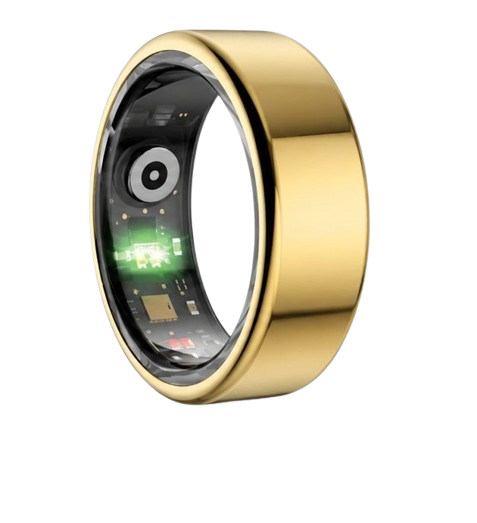
Because the Herz P1 is crafted from military-grade steel, it is incredibly comfortable to wear all day and night.
Unlike heavy smartwatches, you will barely feel the sleek ring on your finger.
This comfort ensures you capture clean, uninterrupted biometric data while you sleep.
Over time, these small adjustments will help your autonomic nervous system rebuild its resilience.
You will begin to see your morning scores climb back to healthier baseline levels.
Overcoming Risks & Common Mistakes in Biometric Tracking
Many health-conscious individuals fall into common tracking traps that compromise their progress.
The first major mistake is wearing a bulky, heavy smartwatch to bed.
Large smartwatches often shift on your wrist during sleep.
This movement causes optical sensors to lose contact with your skin, leading to highly inaccurate readings.
Furthermore, many users find sleeping with a bulky watch highly uncomfortable.
This discomfort can actually disrupt your sleep stages and artificially lower your HRV.
Another common pitfall is falling for hidden fees and expensive monthly app subscriptions.
Many premium wearable brands charge high hardware prices only to lock your personal health data behind a paywall.
We believe you should never have to pay a subscription fee to access your own biological signals.
The Herz P1 companion app is completely free for a lifetime with no hidden charges.
Another mistake is obsessing over raw, isolated numbers rather than focusing on long-term trends.
A single drop to 25 is not a failure; it is simply a reflection of yesterday’s demands.
Your body is a dynamic system that constantly adapts to its environment.
Use your Herz P1 data as a compass to guide your habits rather than a source of daily anxiety.
Ensure you wear the ring on the recommended index or middle finger for the most accurate PPG signal quality.
By avoiding these common pitfalls, you can build a sustainable and stress-free health-tracking habit.
Frequently Asked Questions About Herz P1 and HRV Tracking
Is the Herz P1 Smart Ring waterproof?
Yes, the Herz P1 features a robust IP68 waterproof rating.
It is certified for safe submersion up to 164 feet.
You can confidently wear it while swimming, showering, washing your hands, or relaxing in a hot tub.
The seamless inner molding ensures that no moisture can penetrate the sensor housing.
How long does the Herz P1 battery last on a single charge?
The high-capacity battery lasts up to 6 days under normal daily monitoring conditions.
This includes continuous heart rate tracking, sleep staging, and stress monitoring.
When it is time to recharge, the ring charges fully in under 1 hour using the included magnetic charging dock.
This rapid charging minimizes the time your ring is off your finger.
Which finger is best to wear the Herz P1 Smart Ring on?
For the highest biometric accuracy, we recommend wearing the ring on your index finger.
The middle finger is also an excellent alternative if that is more comfortable for you.
These fingers have larger blood vessels near the surface, which provides a cleaner PPG signal.
Make sure the three interior sensor nodes rest against the palm side of your finger.
Does the Herz P1 Smart Ring store health data offline?
Yes, the ring features advanced onboard memory that stores up to 7 days of local data.
You do not need to keep your phone nearby or connected via Bluetooth at all times.
Once you open the app, the ring will automatically sync all stored metrics in seconds.
This makes it perfect for digital detoxes, camping trips, or peaceful sleep.
Conclusion
Ready to monitor your health every day? Explore the Herz P1 Smart Ring and see if it fits your lifestyle. Call: **1-866-479-1629** — our team can help you advise on the correct ring size and set personalized health goals.
Note: Individual results may vary depending on individual health conditions, age, and lifestyle habits. This article is intended for general health reference purposes only.
